
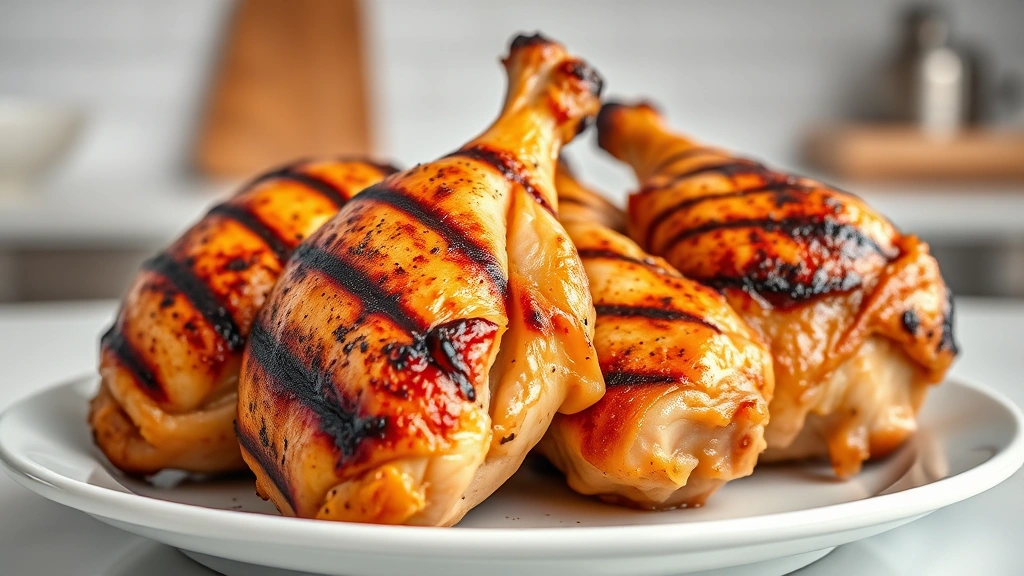
Learning how long to BBQ chicken thighs is the difference between juicy, fall-off-the-bone perfection and dry, rubbery disappointment. I’ve spent enough time standing over hot grills to know that chicken thighs are forgiving—way more forgiving than breasts—but timing still matters. The good news? Once you nail the basics, you’ll be cranking out restaurant-quality thighs every single cookout.
Table of Contents
Quick Answer: Timing Basics
Bone-in, skin-on chicken thighs take 30-40 minutes at medium heat (350-400°F). Boneless, skinless thighs cook faster—around 20-25 minutes. The real secret? It’s not about the clock; it’s about internal temperature hitting 165°F. I always bring a meat thermometer to the grill because guessing gets old fast, and overcooked chicken ruins a perfectly good meal.
Start with skin-side down for 15-20 minutes to render the fat and get that golden crust, then flip and finish. If you’re using a two-zone setup (which I highly recommend), you can get even more control over the final product.
Why Chicken Thighs Win Every Time
Chicken thighs contain way more fat and connective tissue than breasts, which means they stay moist even if you accidentally leave them on the grill a few minutes too long. That’s not an excuse to be careless, but it’s a huge advantage when you’re juggling sides and guests.
The dark meat also has better flavor—richer, more savory—which means it pairs beautifully with bold marinades and rubs. When you’re planning a cookout and need something that’ll impress without stress, thighs are your answer. They’re also cheaper per pound than breasts, so your wallet wins too.
Temperature and Heat Control
This is where most people mess up. You need medium heat, not blazing hot. That means 350-400°F on your thermometer. If you’re using a charcoal grill, arrange coals so you have a hot zone and a cooler zone. For gas, light one or two burners depending on your setup.
Too-hot grills create a burnt exterior and raw interior. Too-low heat dries everything out and takes forever. The sweet spot is medium—hot enough to get good color and rendering, cool enough to cook through without burning.
If you’ve got a digital grill thermometer, use it. Mount it on the grate where the thighs sit. This takes the guesswork out completely and lets you focus on other parts of your meal prep.
Direct vs Indirect Grilling Methods
Direct grilling means the meat sits right over the heat source. That’s perfect for getting a nice sear and rendering the skin. I usually start thighs this way for 15-20 minutes, skin-side down.
Indirect grilling means the meat is off to the side, away from direct flame. This is where you finish the cook—the gentle heat cooks the inside without charring the outside. Move your thighs to the indirect zone after that initial sear, and they’ll finish evenly in about 15-20 more minutes.
This two-zone approach is my go-to because it gives you the best of both worlds: restaurant-quality skin and perfectly cooked meat throughout. It also prevents flare-ups from dripping fat, which keeps your thighs from getting bitter burnt spots.
Skin-Side-Down Method Explained
Start every batch skin-side down. This is non-negotiable if you want crispy skin. The fat under the skin renders out, creates a protective layer, and gives you that golden, crackling texture that makes people ask for seconds.
Leave them alone for the first 15 minutes. Don’t poke, flip, or move them around. Just let the heat do its job. You’ll see the skin color change from pale to golden—that’s your signal that the rendering is working.
After that initial time, flip them once. Finish skin-side up in the indirect zone. This way, the residual heat finishes cooking the meat while the skin stays crispy. The whole process takes 30-40 minutes for bone-in thighs, and you’ll get restaurant-quality results every time.
Bone-In vs Boneless Comparison
Bone-in, skin-on thighs: 30-40 minutes total. These are my favorite because the bone conducts heat evenly and keeps the meat juicy. The skin crisps up beautifully. This is what I grill 90% of the time.
Boneless, skinless thighs: 20-25 minutes total. Faster cooking, but less flavor and drier results if you’re not careful. They’re great for meal prep or when you’re in a hurry, but they need a good marinade to shine.
Bone-in, skinless thighs: 25-35 minutes. A middle ground. You get the even cooking from the bone but need to watch them more carefully since there’s no skin to protect the meat.
My recommendation? Grab bone-in, skin-on every time. The extra 10-15 minutes is worth the payoff in texture and flavor. Plus, they’re usually cheaper than boneless options, so there’s no downside.
How to Check for Doneness Accurately
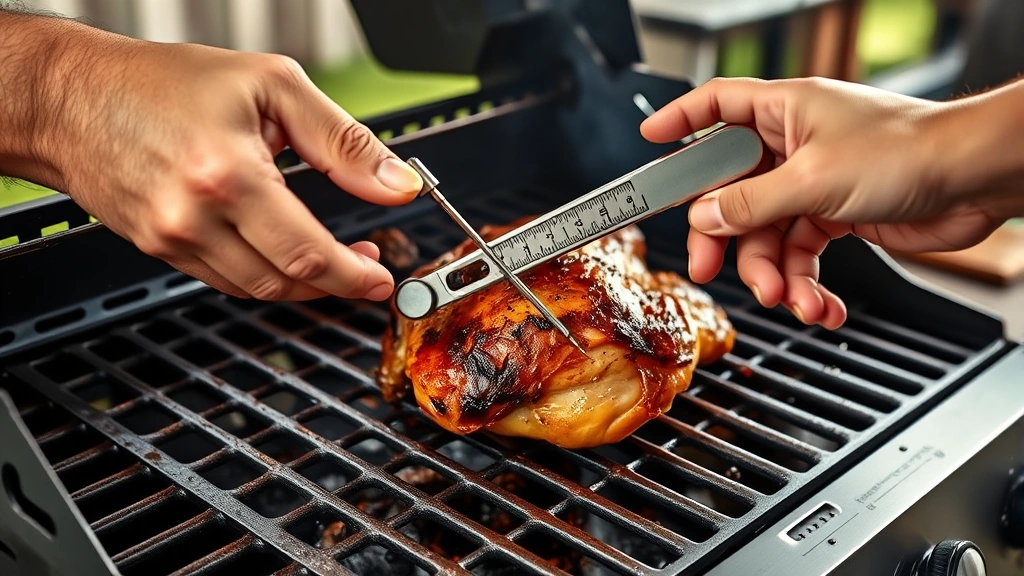
Internal temperature is king. Stick a meat thermometer into the thickest part of the thigh, away from bone. You’re looking for 165°F minimum. At that temperature, any bacteria is dead, and the meat is safe to eat.
Some people push to 170-175°F for extra tenderness, but I find that unnecessary with thighs. They’re already forgiving. At 165°F, they’re moist and perfect.
If you don’t have a thermometer, use the visual test: cut into the thickest part and make sure there’s no pink near the bone. But honestly, invest in a $15 instant-read thermometer. It’s the single best tool for consistent results and takes the stress out of grilling.
Marinade and Prep Timing
Marinate thighs for at least 4 hours, but overnight is better. The longer they sit, the more flavor penetrates the meat. I usually prep mine the morning of the cookout and let them sit in the fridge all day.
Take them out of the fridge about 30 minutes before grilling. Cold meat takes longer to cook and won’t sear as well. Room temperature thighs hit the grill ready to perform.
If you’re doing a dry rub instead of a marinade, apply it right before grilling. The spices won’t penetrate like a marinade, but they’ll create an amazing crust. For a side dish that pairs well with BBQ chicken, check out our guide on how long to bake sweet potatoes—they’re the perfect complement to thighs.
Common Grilling Mistakes to Avoid
Mistake 1: Flipping too often. Let the skin-side-down phase finish without interruption. Constant flipping prevents a good crust and makes everything take longer.
Mistake 2: Heat too high. Burnt exterior, raw interior. Medium heat is your friend. If you see heavy charring in the first 5 minutes, move thighs to a cooler zone.
Mistake 3: No rest time. Pull thighs off the grill and let them rest 5 minutes before serving. This keeps the juices inside instead of running onto the plate.
Mistake 4: Skipping the thermometer. Visual checks are fine for experienced grillers, but a thermometer removes all doubt. It’s especially helpful when grilling for a crowd and you need consistency.
Mistake 5: Overcrowding the grill. Give each thigh space to breathe. Crowding lowers the temperature and creates steam instead of sear. If you’re cooking for 20 people, grill in batches.
Resting and Serving Perfectly
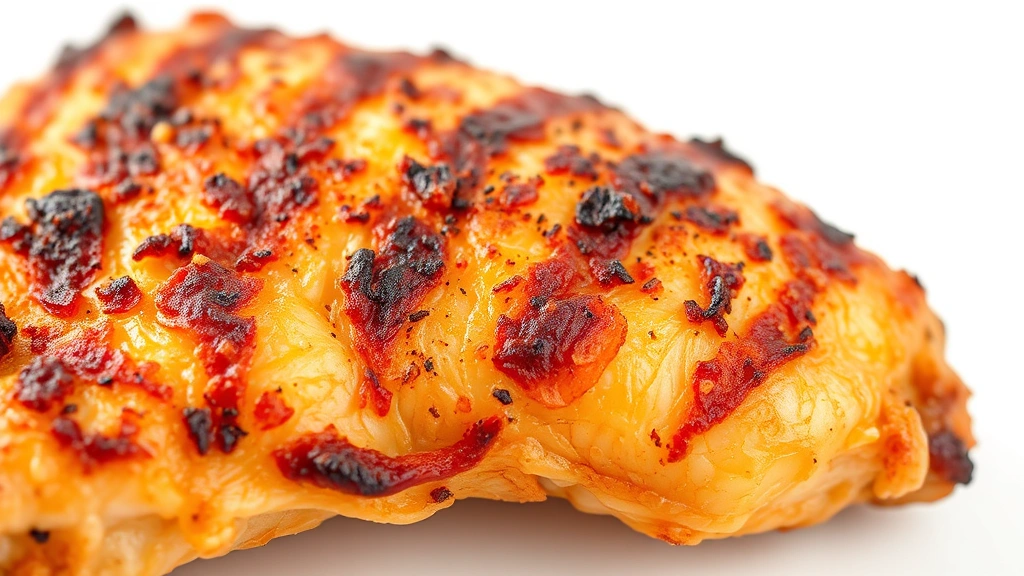
The moment thighs hit 165°F, pull them off the grill and let them rest for 5 minutes. This is crucial. The residual heat continues cooking slightly while the muscle fibers relax and reabsorb juices.
Serve them right away while the skin is still crispy. If you need to hold them for a bit, tent them loosely with foil to keep them warm without steaming the skin.
Pair them with sides that won’t overshadow the meat. Grilled vegetables, a simple salad, or if you’re going full cookout mode, check out our almond flour tortilla recipe for a low-carb wrap option. For a more traditional approach, how long to bake meatballs at 400 gives you ideas for protein-forward sides if you’re meal prepping.
Frequently Asked Questions
Can I grill frozen chicken thighs?
Technically yes, but it’s not ideal. They’ll take 50-60 minutes instead of 30-40, and you won’t get as good a sear. Thaw them in the fridge overnight for best results. In a pinch, thaw them in cold water for 1-2 hours.
What’s the best marinade for BBQ chicken thighs?
Anything with acid (vinegar, citrus, yogurt) works well. I’m partial to a simple mix: olive oil, lemon juice, garlic, rosemary, and salt. Let it sit overnight, and you’re golden. Avoid heavy sugar-based marinades that burn easily on the grill.
Should I remove the skin before grilling?
No. The skin protects the meat and keeps it moist. Plus, crispy grilled skin is one of life’s great pleasures. If you don’t like skin, buy skinless thighs instead, but don’t remove it after purchase.
How do I prevent flare-ups with chicken thighs?
Use the two-zone method. Start skin-side down over medium-direct heat, then move to indirect heat to finish. This limits fat dripping directly on flames. Also, trim any excess fat hanging off the thighs before grilling.
Can I grill thighs on a pellet smoker?
Absolutely. Set the temperature to 350-375°F and follow the same timing: 30-40 minutes for bone-in thighs. The smoke adds incredible flavor, so use a mild wood like apple or cherry to avoid overpowering the meat.
What’s the difference between “done” and “overcooked”?
Done is 165°F with juicy meat. Overcooked is 180°F+ with dry, stringy texture. With thighs, there’s more forgiveness than breasts, but it’s still possible to mess up. Use a thermometer and pull at 165°F.
How many thighs per person should I plan for?
Plan 2-3 bone-in thighs per person as a main course. If you’re doing sides, 2 per person is usually enough. Boneless thighs? Go with 3-4 per person since they’re smaller and less filling.
Final Thoughts on Perfect BBQ Chicken Thighs
Nailing how long to BBQ chicken thighs comes down to three things: medium heat, a meat thermometer, and patience. Start skin-side down for 15-20 minutes, flip to indirect heat for 15-20 more minutes, and pull when the internal temp hits 165°F. That’s it. That’s the formula.
Thighs are forgiving, affordable, and absolutely delicious when you treat them right. Once you master this technique, you’ll be the person everyone asks to handle the grill at cookouts. And honestly, that’s a pretty good reputation to have.
Get out there, fire up the grill, and make something great.


