
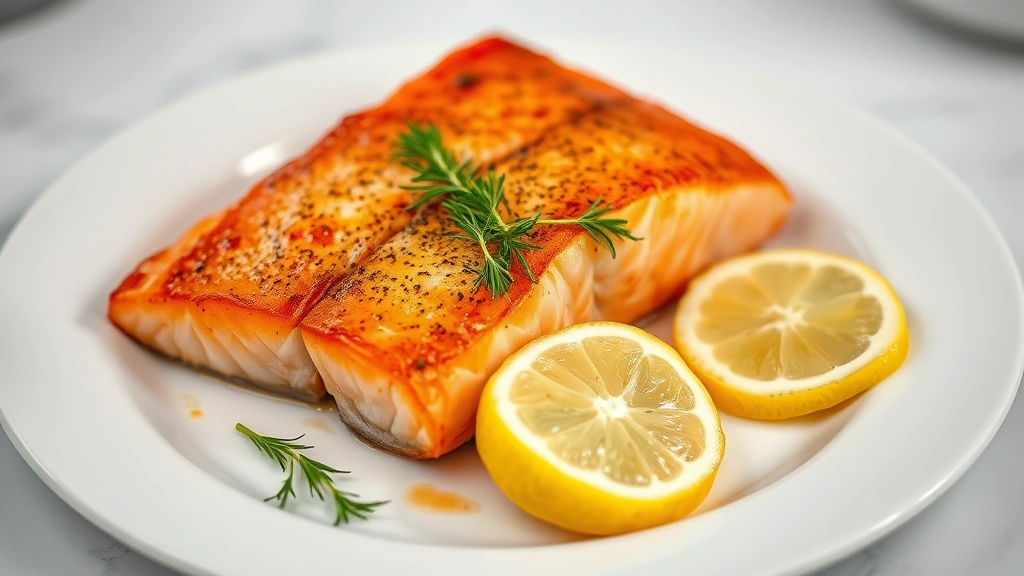
Figuring out how long to bake salmon at 350 degrees is one of those kitchen skills that separates the “I hope this works” cooks from the confident ones who nail it every single time. The good news? It’s not rocket science, and once you understand the basic formula, you’ll be serving up perfectly cooked salmon that’s moist inside with a slightly crispy exterior.
Table of Contents
Baking Time Basics
Let’s cut straight to it: at 350 degrees Fahrenheit, most salmon fillets take between 12 to 15 minutes to bake through completely. But here’s the catch—that number dances around based on how thick your fillet actually is. A thin piece might be done in 10 minutes, while a chunky center-cut portion could need 18 minutes. The beauty of baking salmon is that it’s forgiving. Unlike chicken, which can turn into rubber if you overshoot, salmon stays pretty juicy even if you go a few minutes over.
The reason 350 degrees works so well is that it’s hot enough to cook the fish through without blasting the outside into oblivion. You’re not trying to sear it—you’re gently coaxing the proteins to set while keeping everything tender. Think of it as the Goldilocks temperature: not too hot, not too cold, just right.
Thickness Matters Most
This is the real game-changer. A half-inch thick fillet cooks way faster than a full inch-and-a-half thick steak. Here’s a rough guide to work with:
- ½ inch thick: 8-10 minutes
- ¾ inch thick: 10-12 minutes
- 1 inch thick: 12-15 minutes
- 1½ inches thick: 15-18 minutes
Measure your salmon with a ruler or by eye if you’ve done this a few times. Consistency in thickness across the fillet also matters—if one end is super thin and the other is chunky, you’re going to have uneven cooking. That’s why many recipes suggest pounding or arranging fillets so they cook evenly. It’s not essential, but it helps.
Temperature Check Method
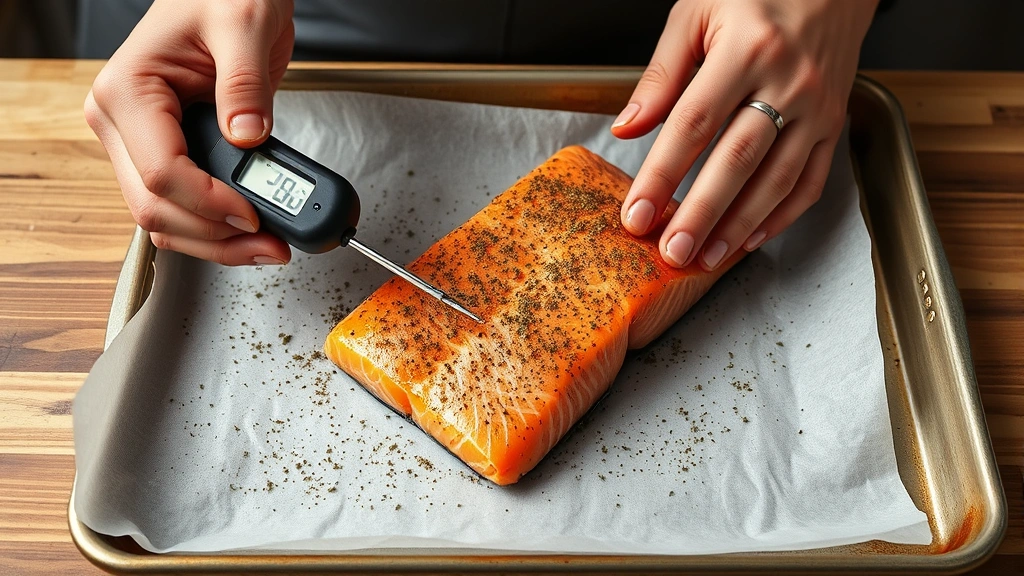
Forget guessing. The real test is using an instant-read thermometer. Salmon is safely cooked when it reaches an internal temperature of 145 degrees Fahrenheit, according to food safety guidelines. Insert the thermometer at the thickest part of the fillet, being careful not to touch the pan underneath.
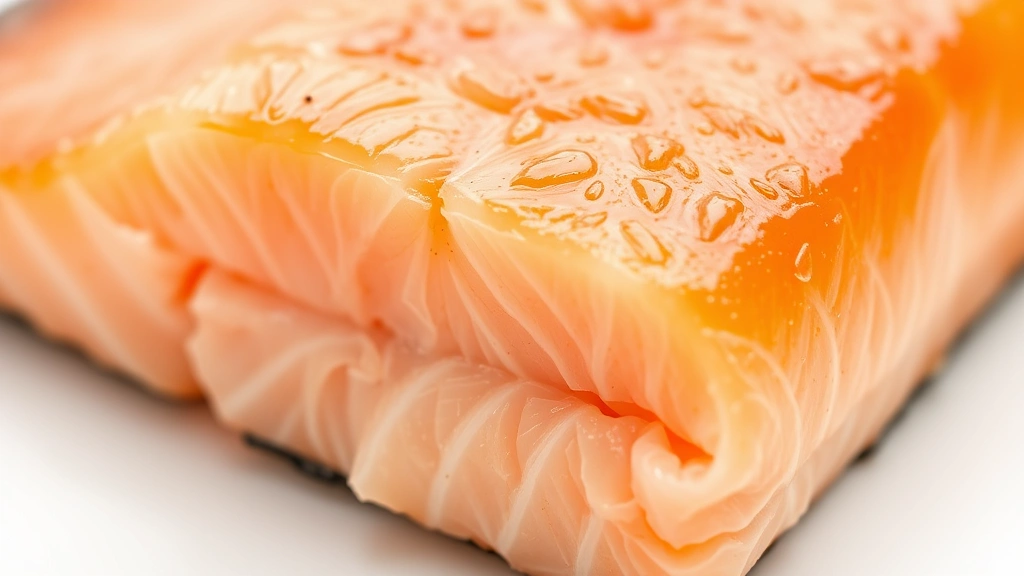
If you don’t have a thermometer, the visual test works too. Fully cooked salmon will be opaque throughout, and the flesh will flake easily when you press it with a fork. The center should look slightly translucent but not raw or shiny. With practice, you’ll develop an eye for it, but honestly, a $10 thermometer takes the guesswork out completely.
Prep Like a Pro
Before that salmon hits the oven, you need to set yourself up for success. Pat the fillets completely dry with paper towels. Moisture is the enemy of browning, and while we’re not trying to get a crust at 350 degrees, dry skin does look better. Remove any pin bones using tweezers—run your fingers along the center line of the fillet and feel for them. They’re annoying to bite into later.
Arrange your fillets skin-side down on a parchment-lined baking sheet. The skin acts as a natural barrier, keeping the bottom from sticking and protecting the delicate flesh. If you’re worried about the skin sticking, line your pan with parchment paper or use a silicone mat. Space the fillets so they’re not crowded—they need air circulation around them.
Seasoning Options
Here’s where you get to play. Salmon’s rich, oily flesh can handle bold flavors. The simplest approach is salt, pepper, and a squeeze of lemon juice. That’s it. But if you’re feeling adventurous, try brushing fillets with a garlic butter sauce before baking—similar to what you’d find in a garlic butter sauce recipe. Fresh herbs like dill, parsley, or tarragon work beautifully too.
Some folks like to top their salmon with a thin layer of Dijon mustard mixed with honey, or a sprinkle of everything bagel seasoning. The key is not to go overboard—salmon is the star, and seasonings should enhance, not mask, its natural flavor. If you’re serving it alongside something like healthy crockpot recipes, keep the salmon seasoning simple so it complements your sides.
Avoid Common Mistakes
The biggest mistake people make is using an oven temperature that’s too high, thinking it’ll speed things up. Baking at 400 or 425 degrees can work, but you’re more likely to overcook the outside while the inside stays undercooked. Stick with 350 degrees and be patient.
Another common issue is not letting the salmon come to room temperature before baking. If you pull it straight from the fridge, add 2-3 minutes to your cooking time. Cold fish takes longer to cook through evenly. Also, don’t cover the salmon with foil—you want the top to dry out slightly, which helps it cook more evenly.
Flipping the salmon is unnecessary and often counterproductive. Skin-side down and leave it alone. The skin protects the flesh and keeps it moist. When you try to flip it, you risk breaking the delicate fillet apart.
Sheet Pan Variations
One of the best things about baking salmon at 350 is how easy it is to make a complete meal. Toss some vegetables on the same pan—asparagus, broccoli, green beans, or sliced bell peppers work great. Toss them with a little oil and seasoning, arrange them around the salmon, and everything cooks together. The vegetables take about the same time as the fish, so you’re golden.
If you’re planning ahead, you can prep everything the night before and just pop it in the oven when you get home. This is way easier than standing over a stove, and cleanup is minimal. Some people even use this method when preparing sides like hot water cornbread recipe components—though obviously the cornbread needs its own baking time.
Resting Period Matters
Once your salmon is cooked through, don’t immediately dive in. Let it rest for 3-5 minutes on the pan or on a warm plate. This allows the residual heat to distribute evenly and the juices to settle. It’s a small step that makes a noticeable difference in texture and moisture. During this time, you can plate your vegetables, pour drinks, or finish up a sauce.
If you’re making a french dressing recipe to drizzle over the salmon, this is the perfect moment to finish that up. The warm salmon will meld beautifully with a fresh, tangy dressing.
Storage and Leftovers
Cooked salmon keeps in the refrigerator for up to 4 days in an airtight container. It’s fantastic cold the next day in a salad or flaked into pasta. You can also reheat it gently in a 275-degree oven for about 5 minutes if you prefer it warm. Don’t use the microwave—it tends to dry things out and makes the whole kitchen smell fishy.
Frozen raw salmon? Follow the same timing as thawed salmon. If you’re thawing it, use the refrigerator method overnight rather than room temperature. The principles are similar to how long does chicken take to thaw, but salmon thaws faster due to its smaller mass.
Frequently Asked Questions
Can I bake salmon at a higher temperature to speed things up?
You can, but 350 degrees is the sweet spot. Higher temperatures risk drying out the fish. If you’re in a hurry, use 375 degrees and reduce the time by 2-3 minutes, but don’t go higher than 400 degrees.
How do I know if my salmon is overcooked?
Overcooked salmon becomes dry and flaky to the point of being unpleasant. The flesh will look pale and chalky instead of translucent. If this happens, it’s still safe to eat, but the texture suffers. Next time, pull it out a minute or two earlier.
Should I remove the skin before baking?
No. The skin protects the delicate flesh and keeps it moist. Plus, crispy salmon skin is delicious. If you really don’t like it, remove it after cooking when it peels off easily.
Can I bake salmon in a glass baking dish instead of a metal sheet pan?
Absolutely. Glass heats differently and might cook slightly faster, so check it a minute or two earlier than expected. The results are identical.
What’s the best way to season salmon before baking?
Simple is best: salt, pepper, and lemon juice. Add fresh herbs if you like, or a thin brush of oil. Avoid heavy cream-based sauces that can make the salmon greasy.
Can I bake multiple salmon fillets at once?
Yes, as long as you space them out on the pan so they’re not touching. They’ll all cook in the same time if they’re roughly the same thickness.
Is it okay if the salmon is still slightly translucent in the center?
Technically, salmon is safe to eat at 145 degrees internal temperature, which might still look slightly translucent. If you prefer it fully opaque, cook it to 150 degrees. It’s a personal preference.
The Bottom Line
How long to bake salmon at 350 boils down to one simple formula: 12-15 minutes for a standard fillet, adjusted based on thickness. Use an instant-read thermometer to hit 145 degrees, keep things simple with seasoning, and let it rest before serving. This method is foolproof, produces restaurant-quality results, and takes less time than ordering takeout. Once you’ve done it a couple times, you’ll nail it every single time without even thinking about it. That’s the goal—making great food feel easy.


