
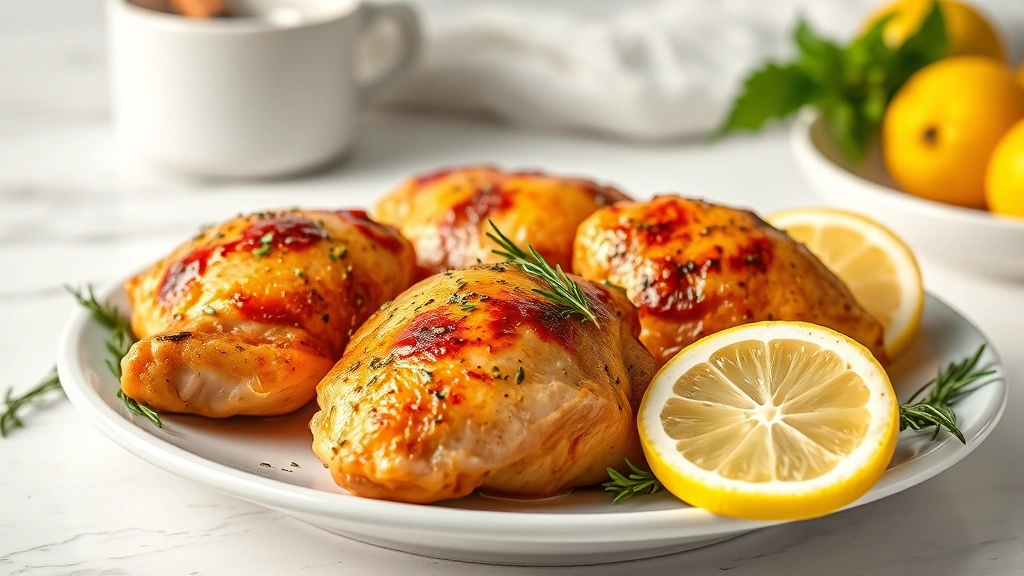
Figuring out how long to bake boneless chicken thighs is one of those kitchen skills that’ll save you from dry, rubbery poultry forever. The short answer? About 20-30 minutes at 425°F (220°C), but there’s way more to nailing it than just time and temperature. I’m going to walk you through everything from selecting the right thighs to knowing exactly when they’re done, because overcooked chicken is nobody’s idea of a good dinner.
Table of Contents
Why Boneless Thighs Rule
Listen, I get why people gravitate toward chicken breasts—they’re lean and feel healthier. But boneless chicken thighs are where the real flavor lives. They’ve got more fat marbled through them, which means they stay juicy even if you accidentally overbake them by a couple minutes. That’s a huge advantage when you’re learning. Plus, they cook faster than bone-in thighs and are way easier to work with than dealing with bones and skin.
The dark meat in thighs contains more myoglobin, which gives it that deeper color and richer taste. When you’re baking them, that fat content works in your favor—it keeps everything moist while the exterior gets a nice golden color. Trust me, once you nail boneless chicken thighs, you’ll make them all the time.
Prep Work Matters Most
Before we talk timing, let’s get your thighs ready. Pat them completely dry with paper towels—moisture is the enemy of browning. If they’re sitting in liquid, dab them down thoroughly. This step takes 30 seconds and makes a huge difference in how they cook.
Next, trim any excess fat hanging off the edges if you want, though I usually leave a little on for flavor. Bring them to room temperature for about 15-20 minutes before baking. Cold chicken straight from the fridge takes longer to cook evenly, and you might end up with overdone edges and an undercooked center. Room temperature meat cooks more uniformly, which is exactly what you want.
Season generously on both sides—don’t be shy. Salt, pepper, and whatever else you’re using should go on at least 10 minutes before cooking. This gives the seasoning time to penetrate the meat instead of just sitting on the surface.
Temperature Guide Breakdown
Temperature control is everything when you’re baking boneless chicken thighs. Here’s what works:
High heat (425-450°F): Best for getting a golden exterior quickly. Thighs bake in 20-25 minutes. This is my go-to because you get browning and moisture in one shot.
Medium heat (375-400°F): More forgiving if you’re nervous. Takes 25-35 minutes. The thighs cook more gently and are harder to overcook, but browning takes longer.
Low heat (325-350°F): Slow and steady. Takes 35-45 minutes. Use this if you’re cooking a huge batch or want maximum moisture retention, though browning will be minimal.
For most home cooks, I recommend starting at 425°F. It’s the sweet spot between speed and safety. Your oven might run hot or cool, so grab an oven thermometer if you don’t have one—they’re cheap and eliminate guessing.
Baking Time Essentials
The magic number for how long to bake boneless chicken thighs at 425°F is 20-30 minutes, depending on thickness. Here’s how to think about it:
Thin thighs (under 1 inch): 18-22 minutes. Watch these closely because they’ll cook fast.
Medium thighs (1-1.5 inches): 22-28 minutes. This is the standard thickness you’ll find at most grocery stores.
Thick thighs (over 1.5 inches): 28-35 minutes. These need a little patience, but they’re worth it for staying juicy.
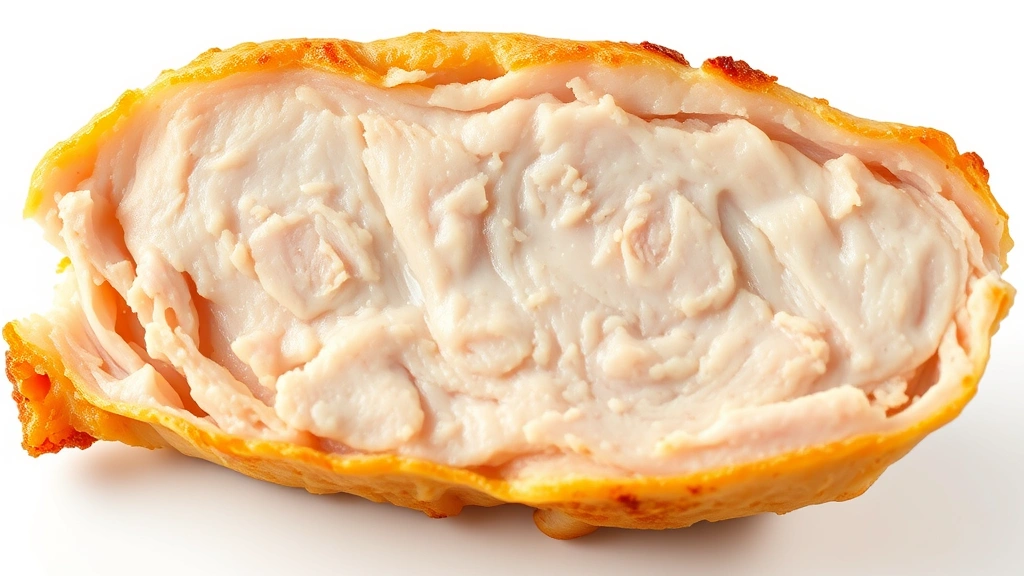
Start checking at the lower end of your time range. Pull one thigh out and cut into the thickest part—there should be no pink inside, and the juices should run clear. If you’re unsure, use a meat thermometer (more on that below). The difference between perfect and overdone is sometimes just 2-3 minutes, so don’t wander off.
How to Test for Doneness
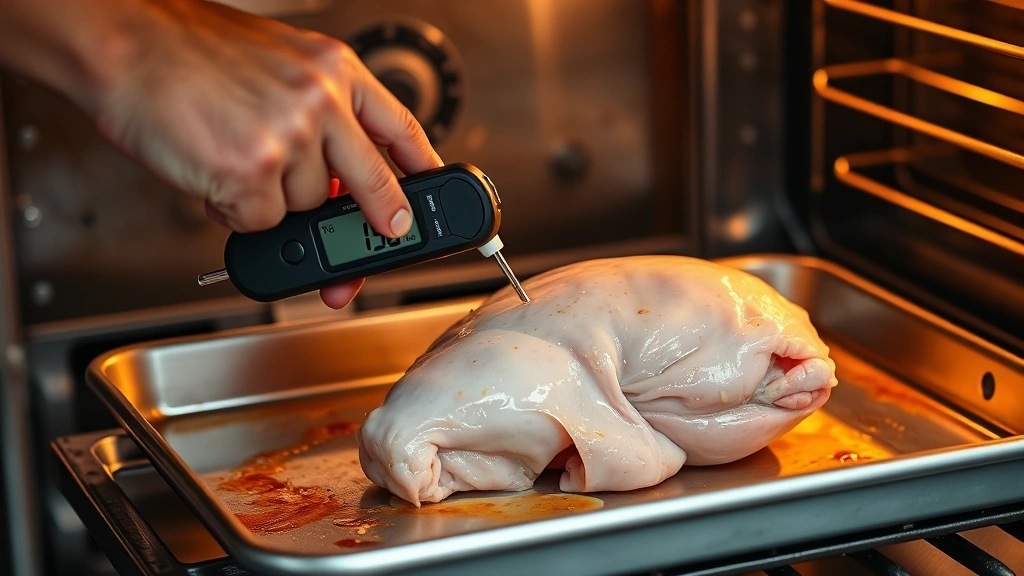
This is non-negotiable: use a meat thermometer. Stick it into the thickest part of the largest thigh, making sure it’s not touching bone (though boneless thighs don’t have that problem). The safe internal temperature for chicken is 165°F (74°C). When you hit that number, you’re done.
Don’t just trust color or texture—those can fool you. I’ve seen thighs that looked golden and felt firm but were still undercooked inside. A $10 instant-read thermometer from any kitchen store takes the guesswork out completely.
If you don’t have a thermometer, the visual test is: cut into the thickest part and make sure there’s zero pink and the juices run clear. But honestly, just get a thermometer. It’ll change your cooking life.
After baking, let the thighs rest for 5 minutes before eating. This lets the juices redistribute instead of running all over your plate. It’s a small step that makes a real difference in how tender they are.
Seasoning and Flavor Tricks
Boneless chicken thighs are blank canvases, which is awesome. Beyond basic salt and pepper, here are some approaches that work great:
Mediterranean: Olive oil, garlic, lemon zest, oregano, and thyme. Drizzle everything on before baking and squeeze fresh lemon over the top when done.
Asian-inspired: Soy sauce, ginger, garlic, sesame oil, and a touch of honey. Brush on halfway through cooking for a glossy finish.
Spicy: Paprika, cayenne, cumin, and chili powder mixed with olive oil. Great if you’re serving with rice or vegetables like steamed asparagus.
Simple but perfect: Just salt, pepper, garlic powder, and a little onion powder. Sometimes less is more.
Pro tip: if you’re using wet marinades or sauces, brush them on halfway through baking instead of at the start. This prevents burning and keeps them flavorful.
Common Mistakes to Avoid
I’ve made these so you don’t have to:
Skipping the drying step: Wet thighs steam instead of bake. They end up pale and mushy. Dry them off.
Cooking from cold: Straight-from-the-fridge chicken cooks unevenly. Let it sit out 15-20 minutes first.
Overcrowding the pan: If thighs are touching, they steam instead of bake. Give them space—use a bigger pan or bake in batches.
Not using a thermometer: This is how you end up with dry chicken or undercooked chicken. Just use one.
Skipping the rest period: Cutting into them immediately lets all the juice escape. Wait 5 minutes.
Using a cold baking sheet: Pop your pan in the oven while it preheats. A hot surface helps browning start immediately.
Storage and Leftovers
Cooked boneless chicken thighs keep in the fridge for 3-4 days in an airtight container. They’re perfect for meal prep—shred them for tacos, dice them for salads, or chop them into mixed grain bowls. The dark meat actually stays moist longer than white meat, so don’t worry about them drying out quickly.
Freeze them in a single layer on a baking sheet, then transfer to a freezer bag once solid. They’ll keep for 2-3 months. Thaw in the fridge overnight before reheating. Reheat gently at 350°F for about 10-15 minutes to avoid drying them out further.
Frequently Asked Questions
Can I bake boneless chicken thighs at 350°F?
Yes, absolutely. You’ll just need to add 10-15 minutes to the cooking time. It’s more forgiving if you’re worried about overcooking, but browning won’t be as good. I’d estimate 35-45 minutes total at 350°F depending on thickness.
What’s the difference between baking and roasting chicken thighs?
Honestly? Not much. Roasting usually implies higher heat and often involves tossing vegetables around the meat. Baking is the simpler method—just thighs on a pan in the oven. The cooking time and temperature principles are identical.
Should I flip the thighs halfway through?
You don’t have to, but flipping once halfway through can help with even browning. If you want golden skin on both sides, flip at the 12-15 minute mark. If you’re not worried about that, skip it.
Can I cook boneless chicken thighs in a cast iron skillet?
Yes, and it’s great. Sear them on the stovetop for 3-4 minutes per side to get browning, then transfer the whole skillet to a 425°F oven for 15-20 minutes. You’ll get amazing color and flavor this way.
What temperature is too high for baking chicken thighs?
Anything over 475°F risks burning the outside before the inside cooks through. Stick with 425-450°F maximum for even cooking.
Why are my boneless chicken thighs coming out dry?
You’re probably overcooking them. Check the internal temperature at 20 minutes if you’re baking at 425°F. Also make sure you’re not starting with cold thighs or overcrowding the pan. Both of those cause uneven cooking and dryness.
Can I bake boneless chicken thighs with vegetables?
Absolutely. Add vegetables that cook in similar time—like bell peppers, onions, zucchini, or potatoes cut into similar-sized pieces. Toss everything with oil and seasonings, spread on the pan, and bake together. Just give the vegetables a little head start (5-10 minutes) so they’re not raw when the chicken finishes.
Is it okay to use frozen boneless chicken thighs?
You can, but thaw them first in the fridge overnight for best results. Cooking from frozen adds 50% more time and makes even cooking harder. If you’re in a rush, use the cold water method—seal them in a bag and submerge in cold water for 1-2 hours, changing the water every 30 minutes.
Final Thoughts
Mastering how long to bake boneless chicken thighs is genuinely one of the easiest wins in the kitchen. Start with 425°F, aim for 20-30 minutes depending on thickness, and use a meat thermometer to confirm 165°F internal temperature. That’s it. The dark meat stays forgiving, the flavor is fantastic, and you’ll have a reliable dinner solution that works every single time.
The real secret isn’t complicated—it’s just being intentional about prep (dry them, bring to room temp, season early) and using a thermometer instead of guessing. Once you’ve done it a few times, you’ll develop an instinct for it. Then you can branch out into different seasonings and cooking methods.
Start with the basic approach, nail it, then experiment. Try them with different flavor profiles, different heat levels, or even in a cast iron skillet. The fundamentals stay the same, but the possibilities are endless. You’ve got this.


