

Figuring out how long should i wait to workout after eating is one of those questions that sits right at the intersection of common sense and science—and honestly, the answer isn’t one-size-fits-all. Whether you’re hitting the gym, going for a run, or doing a home workout, timing your meals and exercise properly can mean the difference between crushing your goals and feeling like you’re dragging a bag of bricks around.
Table of Contents
Timing Basics Explained
Let’s cut through the noise right away: there’s no magic number that works for everyone. That said, most fitness pros and nutritionists agree on a general framework. For a full meal, you’re typically looking at waiting 2-4 hours before intense exercise. For smaller snacks, 30 minutes to 1 hour usually does the trick. But here’s where it gets interesting—these numbers depend on several factors we’ll dig into.
Your digestive system is working overtime when you eat. Blood flow shifts toward your stomach and intestines to help break down food. When you exercise hard right after eating, your body has competing demands: it wants to digest your meal AND power your muscles. This can leave you feeling sluggish, nauseous, or cramped. Nobody wants that.

Meal Size Matters Most
The biggest variable in the timing equation is simply how much you ate. A massive plate of pasta, chicken, and veggies? That’s going to take longer to process than a banana. Think of it like this: your stomach is a workshop, and digestion is the job. Bigger jobs take more time and resources.
A large meal—say, 800-1000+ calories—needs about 3-4 hours of digestion before you’re ready for serious exercise. Your body needs time to break down proteins, fats, and carbs, and move them through your digestive tract. During this window, blood is pooling in your gut rather than being available for your muscles.
A medium-sized meal (400-600 calories) typically needs 2-3 hours. A light snack (100-200 calories) might only need 30 minutes to an hour. The pattern is straightforward: more food equals more wait time.
Food Type Changes Everything
Not all calories are created equal when it comes to digestion speed. Fats and proteins take longer to break down than carbs. This is critical information if you’re trying to optimize your pre-workout timing.

High-fat foods (burgers, fried foods, fatty cuts of meat) can take 4-6 hours or more to digest. They’re delicious, but they’re not your pre-workout friend. High-protein foods (chicken, fish, eggs) take 2-4 hours depending on portion size. Carbohydrates are the speediest—simple carbs like white bread or fruit can be ready for action in 30-60 minutes, while complex carbs (oatmeal, whole grain bread) take 1-2 hours.

Fiber is another player here. While fiber is healthy, it slows digestion. A salad loaded with raw vegetables and dressing might sit in your stomach longer than you’d expect. If you’re eating something high in fiber before a workout, add extra time to your wait.
Light Snacks vs Full Meals
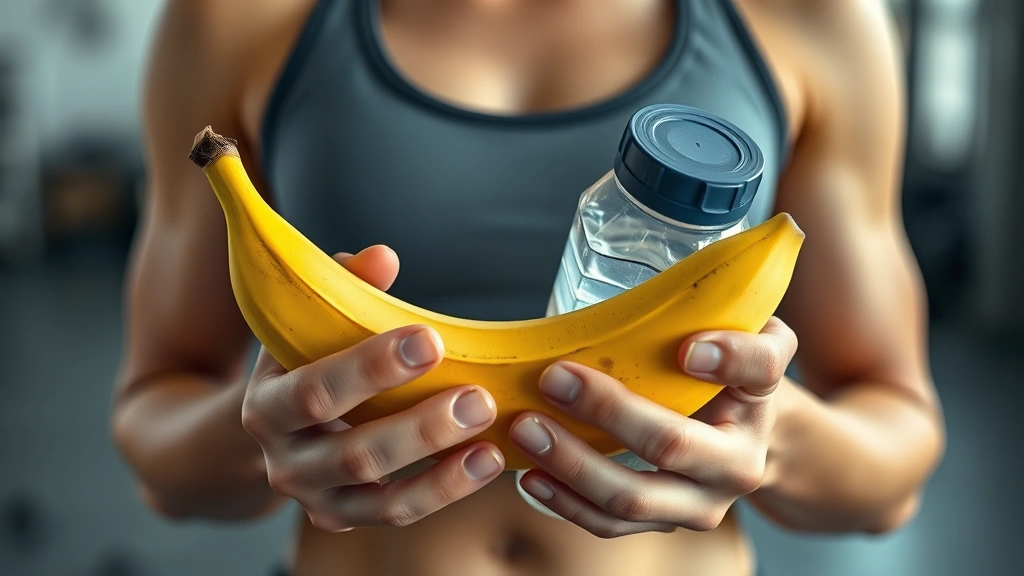
This is where you can get strategic. If you’re hungry 30 minutes before your workout and don’t want to wait hours, a light snack is your answer. We’re talking:

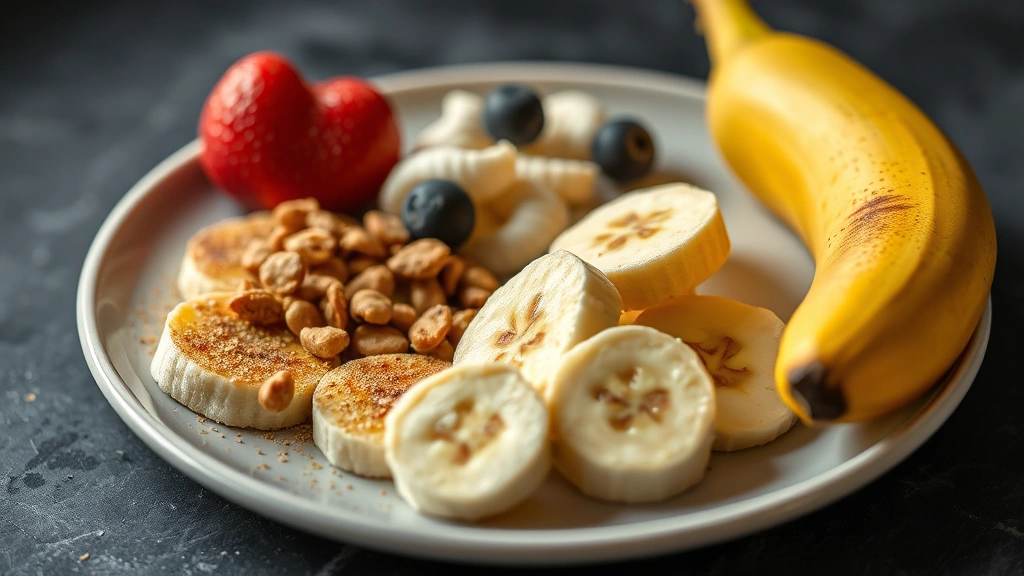
- A banana or apple
- A slice of toast with honey
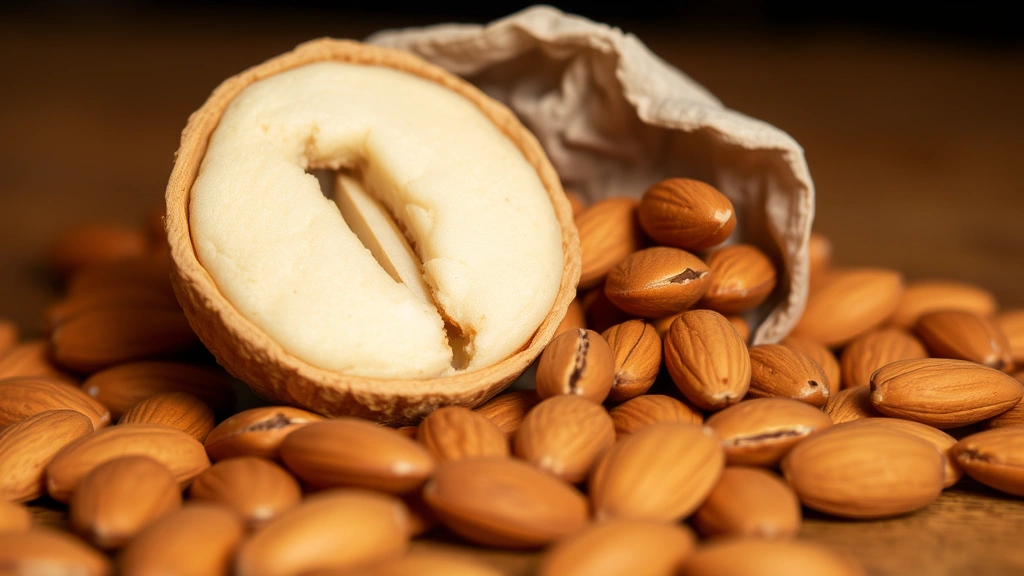
- A handful of almonds
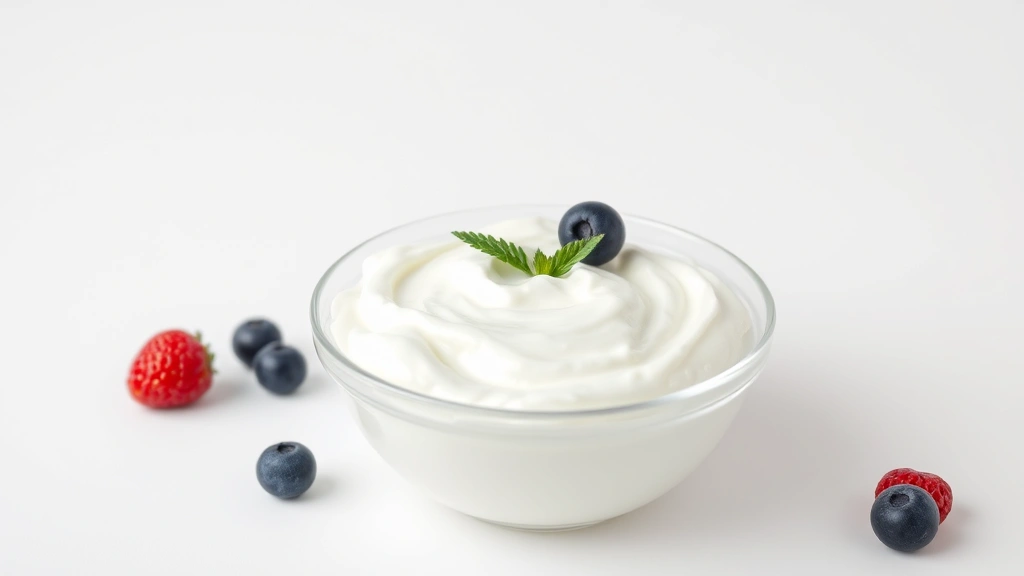
- Greek yogurt (small portion)
- A granola bar
- A rice cake with peanut butter
These light options give your body fuel without overloading your digestive system. The carbs provide quick energy, and if there’s a bit of protein or fat, it won’t derail you. Just keep portions reasonable—a snack should be under 200 calories for the 30-60 minute window.
The key difference: snacks are meant to top off your tank, not fill it. You’re giving your body a quick boost, not a full refueling. This is why you see so many gym-goers munching a banana on the way in.

Workout Intensity Factors In
Here’s something people often overlook: the harder you’re about to work out, the longer you should wait after eating. This matters.
If you’re doing light yoga or a casual walk, you can probably get away with less waiting time. Your body isn’t demanding maximum blood flow to your muscles. But if you’re planning to sprint, do heavy weightlifting, or crush an intense cardio session, you need more digestion time. Intense exercise demands blood flow, oxygen, and energy to be redirected to your working muscles. If your stomach is still busy digesting a big meal, you’re setting yourself up for cramping, nausea, or just feeling terrible.

Think of it as a priority system. Your body can’t equally prioritize intense exercise AND heavy digestion at the same time. One will suffer. Usually, it’s your workout performance or your comfort level that takes the hit.
Your Body Is Unique
This is the part that makes the answer personal. Some people have iron stomachs and can eat a full meal an hour before a run without issues. Others feel queasy if they eat anything within 3 hours of exercise. Both are normal.
Your metabolism, stomach sensitivity, fitness level, and even stress levels all play a role. Someone with a faster metabolism might digest food quicker. Someone prone to acid reflux might need extra time. Athletes who train regularly often adapt and can handle shorter wait times than beginners.
The best approach? Experiment. Try eating a light snack 30 minutes before a workout. See how you feel. Try waiting 2 hours after a medium meal. Notice what works for your body. Keep mental notes (or actual notes) about what felt good and what didn’t. After a few weeks, you’ll have your own personal timing system figured out.
Practical Pre-Workout Strategies
Okay, so how do you actually apply this knowledge in real life? Here are some battle-tested strategies:

The 3-Hour Rule: If you’re eating a regular meal and planning a tough workout, aim for 3 hours between the last bite and the first rep. This works for most people most of the time.

The Snack Strategy: If you’re working out within 2 hours of waking up or your last meal, have a light snack 30-60 minutes before. This keeps you fueled without the heavy-stomach feeling. You might check out our guide on how long to steam green beans if you’re prepping healthy veggie snacks in advance.
Hydration First: If you’re in a time crunch and can’t wait long, at least drink water. Proper hydration helps with digestion and performance. You don’t need food to work out effectively, but you do need water.

Know Your Workout Type: Match your eating schedule to your workout intensity. Light activity? Eat closer to exercise time. Heavy lifting or cardio? Wait longer. This is non-negotiable if you want to feel good.
Avoid Problem Foods: Right before a workout, skip the greasy, heavy, or high-fiber foods. Save the elaborate meal for after. Your pre-workout window is not the time to try that rich curry or massive salad.
Eating After Your Workout
The timing question doesn’t end when your workout does. What you eat after exercise is equally important, though the rules are a bit different. Your body is primed to absorb nutrients after a workout, especially in the first 30-60 minutes (the so-called “anabolic window”).
Post-workout, you want to eat something with both carbs and protein. The carbs replenish your glycogen stores (energy reserves), and protein helps repair muscle tissue. A good post-workout meal might be a chicken sandwich, Greek yogurt with granola, or a smoothie with protein powder and fruit. Unlike pre-workout eating, you don’t need to wait hours after exercising to eat—in fact, eating sooner is often better for recovery.
If you’re looking to dial in your nutrition timing, remember that post-workout meals should still be reasonable in size. You don’t need to eat massive amounts. A 300-400 calorie meal with decent protein and carbs is plenty. If you’re interested in optimizing your post-workout snacks, check out our brown sugar syrup recipe for adding to oatmeal or yogurt.
Frequently Asked Questions
Can I work out 30 minutes after eating?
It depends on what and how much you ate. A light snack (banana, toast, yogurt) 30 minutes before a moderate workout is fine for most people. A full meal? No way. You need at least 2-3 hours for that. The smaller and lighter the food, the shorter the wait time can be.
Is it bad to exercise on an empty stomach?
Not necessarily. Fasted cardio (exercising without eating) is fine for light to moderate activity and some people actually prefer it. However, for intense workouts or strength training, having some fuel in your system helps performance and recovery. If you’re doing fasted exercise, at least stay hydrated.
What’s the best pre-workout meal?
Ideally, 2-3 hours before a workout, eat a balanced meal with carbs, protein, and healthy fats. Think grilled chicken with rice and veggies, or salmon with sweet potato. The carbs give you energy, protein supports muscle, and fats help with satiety. Keep portions moderate—you’re eating to fuel, not to stuff yourself.
Should I eat before or after my workout for weight loss?
Both timing matters. Eating something small before a workout fuels better performance, which burns more calories. Eating after helps with recovery without overeating. The real key to weight loss is total calories consumed versus calories burned, not the timing. That said, having some fuel helps you work out harder, which is beneficial.
Can I drink coffee before working out?
Yes. Coffee is basically water with caffeine and doesn’t require digestive effort like food does. In fact, caffeine can improve workout performance for many people. Just don’t add a bunch of cream and sugar right before exercise. Black coffee or coffee with a splash of milk is fine.
How long after eating can I swim?
The old rule about waiting an hour after eating before swimming is mostly myth, but there’s a kernel of truth. You don’t want to do intense swimming on a completely full stomach. A light snack and 30 minutes is fine. A full meal and 2-3 hours is safer. The concern isn’t so much drowning as it is cramping or discomfort.
What if I feel sick when I work out after eating?
Your body is telling you something. Either you ate too much, ate too close to your workout, or ate something that doesn’t sit well with exercise. Next time, wait longer, eat less, or choose lighter foods. Everyone’s different—listen to your gut (literally).


