
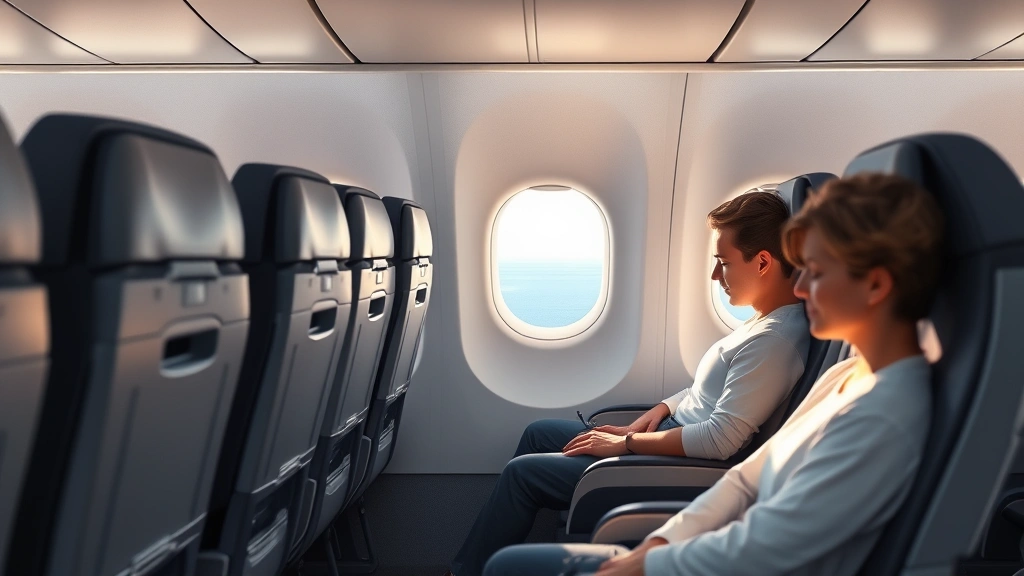
So you’re thinking about booking a flight to Japan, and naturally you want to know how long is a flight to Japan before you commit to the journey. The honest answer? It depends on where you’re flying from, which airport you land at, and whether you’re willing to sit through a layover or two. But don’t worry—I’ll break down everything you need to know to plan your trip like a pro.
Table of Contents
Direct Flights From USA
If you’re flying from the West Coast of the United States—say, from San Francisco, Los Angeles, or Seattle—you’re looking at roughly 10 to 11 hours of pure flight time to reach Tokyo’s Narita or Haneda airports. This is the sweet spot for direct flights. You board in the afternoon or evening, sleep through most of the journey thanks to the time zone shift, and wake up in Japan the next morning. It’s actually pretty convenient when you think about it.
From the East Coast, things get longer. A direct flight from New York to Tokyo will run you about 13 to 14 hours. That’s a full workday in the air. You’re crossing the entire continental United States plus the entire Pacific Ocean, so the extra distance adds up. Some people prefer this route because they can catch an evening flight and arrive the next evening local time, which sometimes works better for their schedule.
Flight Times by Departure City
Let me give you the real numbers from major US cities. From Los Angeles to Tokyo: 11 hours. From San Francisco: 10.5 hours. Seattle to Tokyo: 10 hours flat on a good day. These times assume a direct flight with no weather delays or air traffic hiccups.
If you’re leaving from Denver, Dallas, or Chicago, you’re probably looking at connecting flights. A typical routing might be a 3-4 hour flight to the West Coast, then a 10-11 hour transpacific leg. Total travel time with layover? Expect 16-19 hours door-to-door. From Atlanta or Miami, you’re probably adding another 2-3 hours to that equation.
International flights to Japan from Canada follow similar patterns. Vancouver to Tokyo runs about 10 hours direct. Toronto to Tokyo is closer to 14 hours. The geography is pretty straightforward—the further west you start, the shorter your journey across the Pacific becomes.
Layover Considerations Matter
Here’s where it gets interesting. Sometimes a flight with a layover actually makes sense, even though the total travel time is longer. Why? Because breaking up the journey gives you a chance to move around, freshen up, and reset your body clock a bit. A 2-3 hour layover in a hub city like Seoul, Shanghai, or Taipei can feel like a mini-vacation compared to sitting in a seat for 14 straight hours.
Common layover routes include flying through Seoul (Incheon Airport) or Osaka before heading to Tokyo. These connections might add 4-6 hours to your total travel time, but many travelers find it worth it. You get to stretch, eat fresh food, maybe even take a quick nap in a lounge if you have access to one. Plus, if you’re on a budget, layover flights are often significantly cheaper than direct options.
The key is checking your layover time carefully. Anything under 2 hours is risky for international connections. Aim for 3-4 hours minimum to give yourself breathing room, especially if you’re checking baggage. And honestly, if you’ve got 6-8 hours, you could even leave the airport and grab a proper meal in the layover city.
Jet Lag and Time Zones
Here’s something people often overlook: the time zone shift actually works in your favor on westbound flights to Japan. When you fly from the US to Japan, you’re flying toward the sun. That means the day gets longer for you. You might board at 5 PM Pacific time and land at 8 AM the next day in Tokyo—but your body thinks it’s only been 11 hours, not 19 hours.
Japan is 16-17 hours ahead of Pacific Time (depending on daylight saving), 17-18 hours ahead of Mountain Time, and 19-20 hours ahead of Eastern Time. This means arriving in Japan feels less jarring than you’d expect. You’ll be tired, sure, but you won’t be as completely wrecked as you might be on other long-haul flights.
The real jet lag hits on the return trip. Flying eastbound from Japan to the US means you’re flying against the sun, and the day actually gets shorter for you. That’s when jet lag really shows up and makes your life miserable for 3-5 days. Start adjusting your sleep schedule a few days before heading home, and you’ll thank yourself later.
Smart Booking Strategies
When you’re shopping for flights, understand that published flight times don’t always match reality. Airlines build in buffer time for taxi-outs, air traffic delays, and headwinds. A flight listed as 11 hours might actually spend 45 minutes on the tarmac and encounter jet stream variations. Budget an extra 30 minutes to an hour on top of the published time when you’re planning your connections.
If you’re booking through aggregator sites, check directly with the airline’s website too. Sometimes you’ll find better prices, and you’ll definitely get more accurate real-time information. Set up price alerts on Google Flights or Kayak, and book on Tuesday or Wednesday mornings—that’s when most airlines drop their lowest fares.
Consider flying on less popular days. Tuesday through Thursday flights to Japan are often cheaper than weekend flights, and you might even get better seat selection. Plus, the planes tend to be less crowded, which means more chance of getting an empty seat next to you for sleeping.
Airline Differences and Routes
Not all airlines fly the same route or take the same amount of time. Japan Airlines (JAL) and All Nippon Airways (ANA) are the major Japanese carriers, and they tend to have the most efficient routes since they know their home airports inside and out. American carriers like United and Delta also run regular Japan routes, often with competitive pricing.
Some airlines fly slightly different paths depending on weather, air traffic, and fuel efficiency. A flight that typically takes 11 hours might take 11.5 hours on a day with strong headwinds, or 10.5 hours with favorable jet stream positioning. It’s not something you can control, but it’s worth knowing that variation exists.
Check which airline operates each flight segment if you’re booking a connection. Some carriers have better on-time records, better food, better entertainment systems, and better seat pitch (the distance between rows). These factors matter on a 10+ hour flight. Read recent reviews on SeatGuru before committing to a specific airline.
In-Flight Comfort Tips
Since you’re going to be sitting for a while, invest in a good travel pillow, compression socks, and noise-canceling headphones. These aren’t luxuries—they’re survival gear for long-haul flights. A quality pillow costs $30-50 and will save your neck from hours of awkward positioning. Compression socks cost about $20 and actually help with circulation and swelling on long flights.
Bring an empty water bottle and fill it after security. Staying hydrated is crucial on long flights, and airplane air is incredibly dry. Aim for 8 ounces of water every hour you’re in the air. Avoid alcohol and excessive caffeine—they’ll dehydrate you further and mess with your sleep schedule.
Get up and walk around every 2-3 hours. Seriously. Blood clots from deep vein thrombosis are a real risk on flights longer than 4 hours. Walk to the bathroom, walk to the galley, do some stretches in the aisle. Your legs will thank you, and you’ll sleep better.
Seasonal Variations Explained
Flight times to Japan vary slightly by season due to jet stream positioning. In winter, the jet stream is stronger and positioned further south, which can actually help westbound flights to Japan arrive slightly faster. In summer, the jet stream moves north, which might add a few minutes to your flight time. We’re talking 15-30 minutes of variation, not hours, but it’s worth knowing.
Peak travel seasons (cherry blossom season in spring and summer vacation) mean fuller planes and potentially longer ground delays. If you can fly during shoulder seasons (late fall or early spring), you might experience smoother operations overall. Plus, fewer tourists mean shorter lines at immigration and better prices on accommodations once you land.
Typhoon season (June-October) can occasionally cause flight delays or route changes, though modern aircraft can handle most weather. Check historical weather patterns for your travel dates, and build in an extra day of buffer time if you’re traveling during typhoon season.
Frequently Asked Questions
What’s the fastest way to get to Japan from the US?
Direct flights from West Coast cities like San Francisco or Los Angeles are your fastest option at 10-11 hours. These flights depart in the afternoon or evening and arrive the next morning, making them efficient for both time and jet lag management.
Is it better to book a direct flight or a connection?
Direct flights are faster, but connections can be cheaper and sometimes less exhausting if you have a 4-6 hour layover to move around. If budget allows and you value your time, direct flights win. If you’re price-conscious and don’t mind the extra travel time, connections through Seoul or Taipei can save you hundreds of dollars.
How do I minimize jet lag on a Japan flight?
Start adjusting your sleep schedule 3-4 days before departure. On westbound flights, try to sleep during the flight since you’re gaining a day. Stay hydrated, avoid alcohol, and get sunlight exposure when you arrive. The westbound journey is actually easier for jet lag than the return flight.
What time of day should I fly to Japan?
Evening or late afternoon departures from the West Coast are ideal. You board around 5-7 PM, sleep through most of the flight, and arrive in the morning Japan time. This aligns well with your body’s natural sleep cycle and helps minimize jet lag.
Are there any non-stop flights to Japan other than Tokyo?
Most direct flights from the US go to Tokyo (Haneda or Narita), but some airlines do fly direct to Osaka (Kansai International Airport). Check your specific routing when booking, as this affects your total travel time and connection options.


