
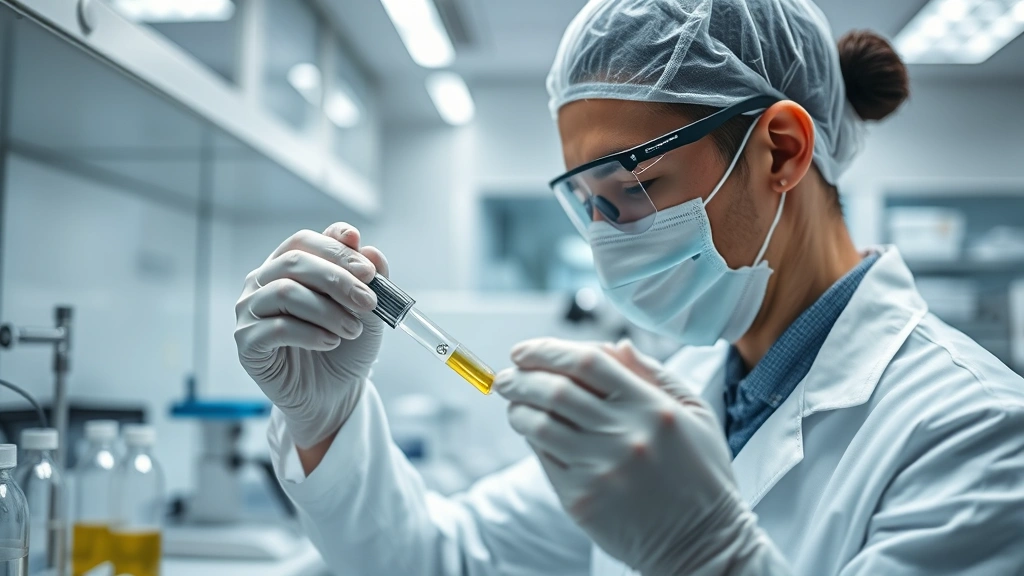
Understanding how long for weed to leave system depends on several factors including frequency of use, metabolism, body composition, and the type of drug test being used. Whether you’re facing a workplace screening, legal requirement, or personal curiosity, this guide breaks down the science and timelines you need to know.
Table of Contents
Detection Windows Explained
The timeframe for cannabis detection varies dramatically depending on which testing method is used. THC (tetrahydrocannabinol) and its metabolites behave differently in your body, and different tests target different markers. A single joint might clear from your bloodstream in hours but remain detectable in hair for months. Understanding these windows is crucial whether you’re preparing for employment screening or simply want to know when you’re clear.
Most employers and legal systems use urine tests because they’re cost-effective and have established detection windows. However, blood tests offer more immediate detection, while hair tests provide the longest historical record. Saliva tests fall somewhere in between, offering a middle ground for roadside or quick screening scenarios.
Factors Affecting Duration
Not everyone clears cannabis at the same rate. Your individual clearance timeline depends on multiple variables that interact in complex ways. Chronic users will have significantly longer detection windows than occasional users because THC metabolites accumulate in fatty tissues over time.
Frequency of use is perhaps the biggest variable. A one-time user might test clean within days, while someone using daily could test positive for weeks or even months on a urine test. Your age, gender, activity level, and even diet all influence how quickly your body processes and eliminates THC metabolites.
Urine Test Timeline
Urine tests are the most common workplace screening method, and they detect THC-COOH, a metabolite created when your body breaks down THC. For occasional users (once or twice weekly), detection typically lasts 3-4 days after use. This relatively short window is why urine tests are popular—they mostly catch recent use rather than historical use.
Regular users (several times weekly) will test positive for 5-7 days, while daily users face detection windows of 10-15 days or longer. Heavy daily users sometimes test positive for 30 days or more. The reason is simple: THC metabolites bind to fat cells, and with daily use, they accumulate faster than your body can eliminate them. Think of it like filling a tank versus draining it—if you’re adding more faster than you’re removing it, the level keeps rising.
The standard cutoff level for most workplace urine tests is 50 ng/mL, though some tests use 20 ng/mL for more sensitivity. This distinction matters because you might test negative at 50 ng/mL but positive at 20 ng/mL.
Blood Test Detection
Blood tests detect active THC (not metabolites), making them more specific to recent use. THC appears in blood within minutes of smoking and typically clears within 2-12 hours for occasional users. This is why blood tests are preferred for DUI enforcement—they indicate current impairment rather than past use.
However, regular users may have detectable THC in blood for 24-48 hours or longer because their baseline levels remain elevated. The body maintains some THC in circulation between uses when consumption is frequent. For legal purposes, blood tests are considered more reliable for establishing recent use, though they’re less common in employment screening due to cost and the need for professional collection.
Saliva Test Window
Saliva tests occupy a middle ground, detecting THC for roughly 24-72 hours after use. They’re increasingly popular because they’re non-invasive, can be administered immediately, and don’t require a private collection facility. You simply swab the inside of your mouth, and results come back quickly.
The detection window for saliva is shorter than urine but longer than blood. Occasional users typically clear within 24 hours, while regular users might test positive for 2-3 days. The advantage is that saliva tests primarily detect recent use (within the last few hours to days) rather than historical use, making them better aligned with actual impairment.
Hair Test Persistence
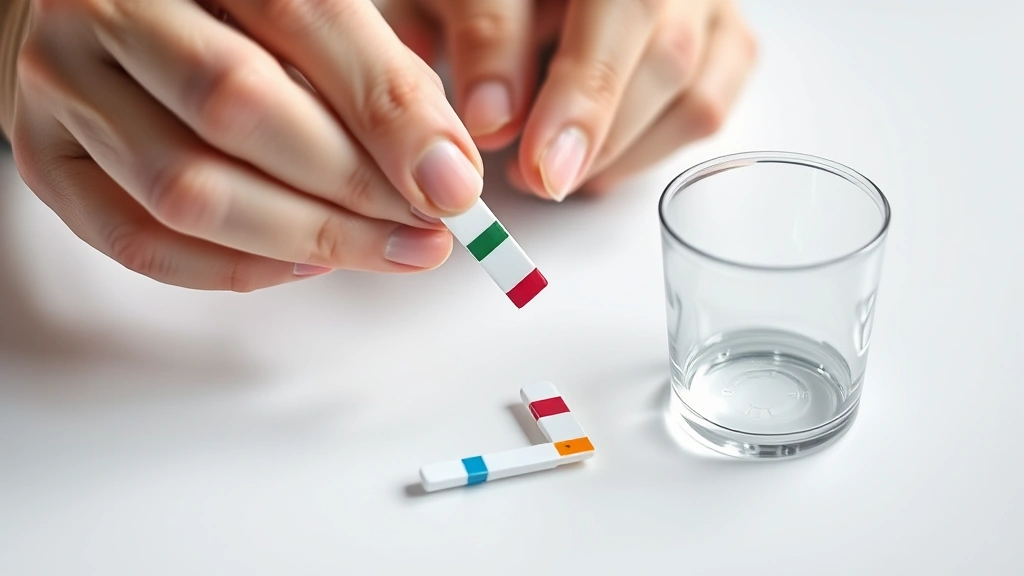
Hair tests are the longest-window detection method, potentially identifying cannabis use from the past 90 days or longer. THC metabolites bind to hair as it grows, creating a historical record of use. This makes hair tests valuable for pre-employment screening when companies want to verify long-term abstinence.
However, hair tests have limitations. They don’t indicate when use occurred (just that it happened sometime during the hair growth period), and they’re more expensive than urine tests. Additionally, hair tests can show false positives from secondhand smoke exposure in some cases, though modern testing has improved specificity. A single use might not show up on a hair test, but regular use over weeks or months definitely will.
Metabolism and Body Fat
Your metabolism and body composition directly influence how quickly you clear THC. People with higher body fat percentages retain THC metabolites longer because THC is fat-soluble—it binds to adipose tissue and is released slowly over time. This is similar to how fat-soluble vitamins work in your body.
Regular exercise and a healthy diet can help accelerate clearance somewhat, though the effect is modest. Increasing your metabolic rate through cardio and strength training might shorten detection windows by a few days, but it won’t dramatically change the timeline. Conversely, being sedentary and overweight can extend detection windows considerably.
Age also plays a role. Younger people typically metabolize substances faster than older adults. Additionally, certain medications and health conditions can affect metabolism. If you’re taking medications that inhibit liver function, you might clear THC more slowly.
Methods to Speed Clearance
While you can’t dramatically accelerate THC clearance, some strategies help optimize your body’s natural elimination process. Staying hydrated is important—your kidneys need adequate water to filter metabolites efficiently. However, excessive water consumption won’t flush THC faster and might actually dilute your urine to suspicious levels on a test.
Regular aerobic exercise is probably the most effective legitimate strategy. Cardio burns fat, which releases stored THC metabolites into your bloodstream where they’re eventually eliminated. This is why some people report testing clean faster after increasing their activity level. Aim for 30-60 minutes of moderate cardio several times weekly.
Eating a healthy diet with adequate fiber can support your digestive system’s elimination of metabolites through stool. Some people use activated charcoal or herbal supplements, though scientific evidence for these is limited. Avoid dehydration, excessive alcohol (which stresses your liver), and smoking cigarettes, all of which can slow clearance.
Be cautious about detox drinks and synthetic urine products. Many are unreliable, and using them can result in failed tests or legal consequences. Modern drug testing has sophisticated detection methods for these adulterants.
Frequently Asked Questions
Can I test negative if I use marijuana occasionally?
Yes. Occasional users (once or twice monthly) typically clear urine detection within 3-4 days. If you have 5-7 days before a test and you’re an infrequent user, you have a reasonable chance of testing negative. However, this isn’t guaranteed—individual variation is significant.
How long does weed stay in your system for hair tests?
Hair tests can detect cannabis use for approximately 90 days, though some tests claim to detect use up to 120 days back. This depends on hair growth rate and the length of hair tested. A single use might not show up, but regular use over weeks definitely will.
Does drinking water help flush THC faster?
Staying normally hydrated is important for overall health and kidney function, but excessive water consumption doesn’t significantly speed THC elimination. Your body eliminates THC metabolites at a relatively fixed rate regardless of hydration level. Drinking too much water can actually dilute your urine to suspicious levels.
Will exercise help me pass a drug test?
Moderate aerobic exercise over several days or weeks might slightly reduce detection windows by burning fat that stores THC metabolites. However, exercising intensely immediately before a test could actually increase THC levels in your urine by mobilizing stored metabolites. Exercise is helpful as part of a long-term strategy, not a last-minute solution.
What’s the difference between THC and THC-COOH?
THC is the active compound that produces effects. THC-COOH is a metabolite created when your liver breaks down THC. Urine tests detect THC-COOH, while blood tests detect active THC. This is why someone can have THC-COOH in urine long after they’re no longer impaired.
Can secondhand smoke make me test positive?
Secondhand smoke exposure is unlikely to produce a positive urine test at standard cutoff levels, though it might show trace amounts. Hair tests are more sensitive and could potentially show exposure in heavy secondhand smoke environments, though this is rare. Blood tests are even less likely to show secondhand exposure.
How accurate are home drug test kits?
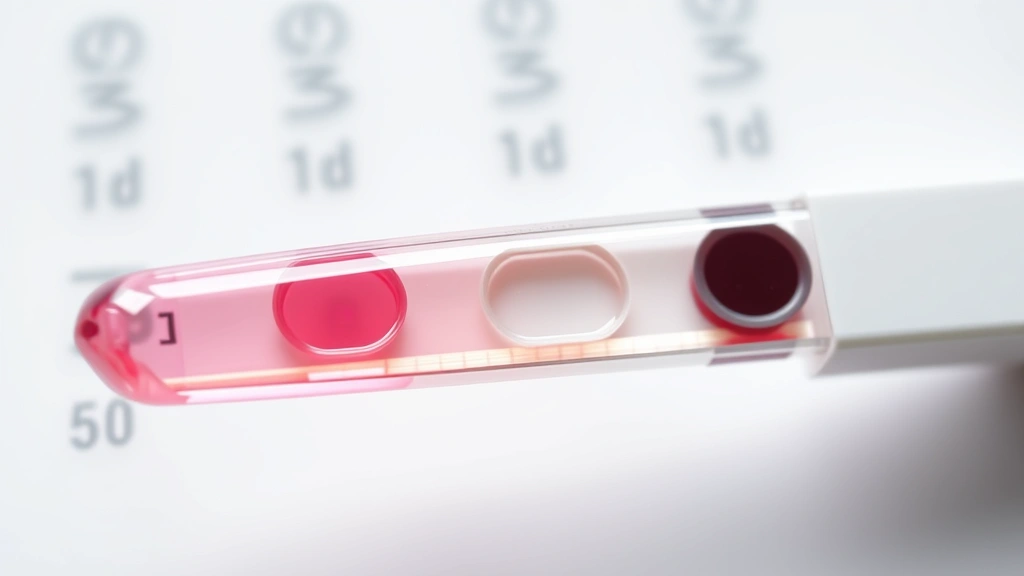
Home drug test kits vary in accuracy, but quality brands are generally 95-99% accurate at standard cutoff levels. However, they’re less reliable at detecting trace amounts near the cutoff threshold. If you get a positive home test result, confirmation through a certified lab is recommended.
Final Thoughts
The answer to how long for weed to leave system isn’t one-size-fits-all. For occasional users, you’re likely clear within days on urine tests. Regular users should expect weeks. Hair tests tell a much longer story, potentially revealing use from months past. Understanding these timelines helps you make informed decisions about testing scenarios and your own health.
Remember that detection windows don’t necessarily correlate with impairment. You might test positive on a urine test weeks after using, when you’re completely sober. Conversely, blood tests show active THC but might miss metabolites that urine tests catch. Each test method serves different purposes, and understanding what’s being tested matters as much as knowing the timeline.
For employment or legal situations, your best strategy is transparency when possible and allowing adequate time to clear if you know testing is coming. If you’re curious about your own clearance timeline, factors like your frequency of use, body composition, metabolism, and the specific test method all play roles. When in doubt, assume longer timelines rather than shorter ones—it’s better to be pleasantly surprised than caught off guard.
For more information about how your body processes substances, you might find it helpful to understand how long it takes to pee after drinking water, which relates to kidney function and elimination processes. Similarly, understanding how long it takes to lose 50 pounds can give you insight into how your body processes fat-soluble compounds over time. Additionally, learning about how long it takes to heal a meniscus injury demonstrates how individual variation affects biological processes.
For authoritative information on drug testing procedures, the Substance Abuse and Mental Health Services Administration (SAMHSA) provides federal guidelines. Family Handyman and This Old House both offer reliable information on health and wellness topics. For workplace testing standards, Bob Vila’s resources include employment-related guidance.


