
Knowing how long for paint to dry is one of those things that separates a rushed, sloppy paint job from a professional-looking finish. I’ve been in enough workshops to tell you that patience and understanding drying times can make or break your project—literally. Whether you’re tackling a bedroom wall, refinishing furniture, or painting your garage door, the drying time matters way more than most folks realize.
Table of Contents
Drying vs. Curing Explained
Here’s the thing that trips up most DIYers: drying and curing aren’t the same thing. When paint feels dry to the touch, that’s just the surface drying. The paint might feel completely solid after a couple hours, but it’s still off-gassing and hardening underneath. Curing is when the paint reaches maximum hardness and durability—that takes way longer.
Think of it like concrete. You can walk on concrete after a day, but it doesn’t reach full strength for weeks. Paint works the same way. You can apply a second coat when it’s dry to the touch, but you shouldn’t put heavy use on a painted surface until it’s fully cured. This distinction is critical if you want results that last.
Latex Paint Drying Times
Latex (water-based) paint is the go-to for most home projects, and for good reason. It dries faster than oil-based stuff and doesn’t stink up your entire house. Most quality latex paints dry to the touch in 1-4 hours, depending on conditions. You can usually apply a second coat after 4-6 hours, which means you can knock out a room in a single day if you’re organized.
Full curing for latex typically takes 7-14 days before you should subject it to heavy wear, moisture, or cleaning. I know that sounds like forever when you’re eager to move furniture back, but trust me—rushing this step leads to peeling, chipping, and a paint job that looks terrible within months. When you’re programming garage door openers and handling other projects, paint curing happens in the background, so plan accordingly.
Oil-Based Paint Takes Longer
Oil-based (alkyd) paint is still around for good reason—it creates a harder, more durable finish than latex. The tradeoff? It takes forever to dry. You’re looking at 6-8 hours before it’s dry to the touch, and 16-24 hours before you can apply a second coat. Full curing can take 7-30 days depending on thickness and conditions.
Oil-based paint also requires mineral spirits or turpentine for cleanup, releases strong fumes, and needs better ventilation. Most DIYers avoid it for interior walls, but it’s still the choice for trim, doors, and high-traffic areas where durability matters. If you do use oil-based paint, block off more time and plan your project accordingly.
Factors That Slow You Down
Paint doesn’t dry in a vacuum. Several factors affect how quickly it sets up. Paint thickness is huge—a thick coat takes longer to dry than a thin one. That’s why multiple thin coats beat one thick coat every time. A thick coat might not be dry to the touch for 8 hours, while a proper thin coat dries in 2-3 hours.
The type of surface matters too. Porous surfaces like raw wood or drywall absorb moisture from the paint, which can actually speed drying slightly. Non-porous surfaces like glossy trim or metal slow things down because the moisture has nowhere to go. Air circulation, light exposure, and whether you’re painting indoors or outdoors all play roles. Even the color matters—dark colors absorb more heat and can dry faster, while light colors might take longer.
Temperature & Humidity Matter
This is where most people get blindsided. Paint needs warmth and low humidity to dry properly. Ideal conditions are 50-85°F with humidity below 50%. If it’s cold or humid, drying slows dramatically. Paint applied in 40°F weather might take twice as long to dry. High humidity (above 85%) can cause paint to stay tacky for hours longer than expected.
Winter painting is rough because you get cold temperatures and higher indoor humidity from heating systems. Summer is ideal, but avoid painting in direct sunlight or extreme heat—that can cause the surface to dry too fast while the paint underneath stays wet, leading to bubbling and uneven drying. Autumn is often the sweet spot for outdoor painting. Check the weather forecast and paint can label recommendations before you start.
Speed Up Drying Safely
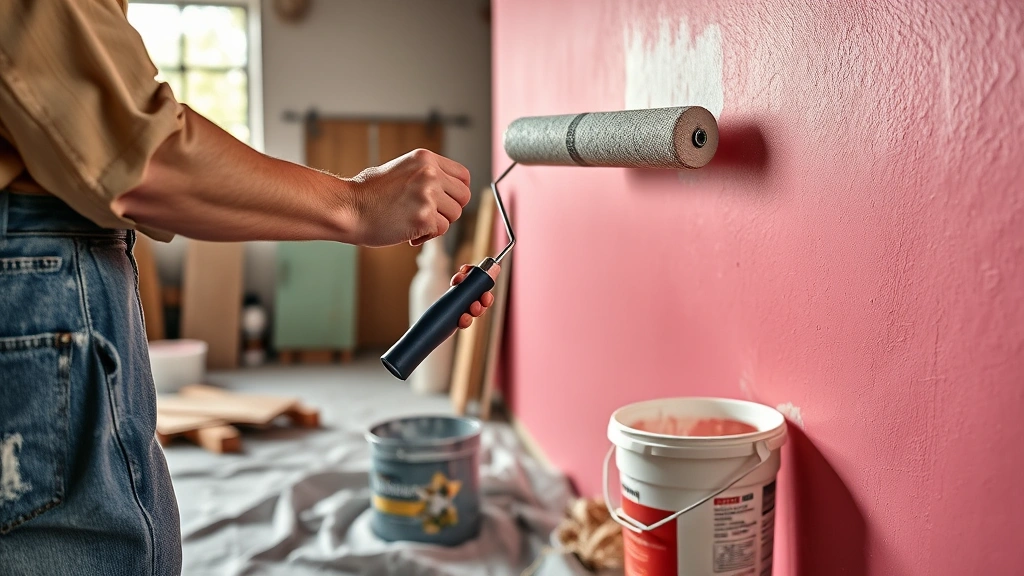
If you need to speed things up, there are legit ways to do it without ruining your paint job. First, improve air circulation. Open windows, set up fans, and create cross-ventilation. A box fan pointed at the wall helps dramatically, but don’t point it directly at wet paint—that can cause uneven drying and surface issues. Angle it to move air across the space.
Increase temperature if possible. A few degrees warmer makes a real difference. If you’re painting indoors, turn up the heat slightly (but not so much that humidity drops dangerously low). Dehumidifiers are your friend in damp conditions. Lower the humidity in the room and drying speeds up noticeably. Avoid using heat guns or hair dryers directly on paint—that’s a recipe for bubbles and poor adhesion.
When to Apply Second Coat
The urge to slap on a second coat immediately is real, but resist it. Check your paint can for specific recoat times—they vary by brand and product. Most latex paints recommend waiting 4-6 hours between coats, but some premium brands can be recoated in 1-2 hours. Oil-based paint typically needs 16-24 hours between coats.
The key is that the paint needs to be dry enough that the second coat won’t pull up the first one. Do the touch test—lightly press your finger on an inconspicuous spot. If it feels tacky or your finger leaves a mark, wait longer. If it feels solid but not hard, you’re probably good. When you’re done with painting, you might tackle changing brake pads or other projects while waiting for coats to set.
Ventilation Makes a Difference
Proper ventilation isn’t just about fresh air—it’s critical for drying speed and your health. Open windows and doors to create airflow. If you’re painting a bathroom or kitchen, run exhaust fans continuously. Basement painting? That’s tough because humidity tends to be higher. Consider renting a dehumidifier for the space.
Don’t seal up the room to trap heat—that just traps moisture too. The goal is to move humid air out and bring drier air in. For oil-based paints, ventilation is non-negotiable for safety. Those fumes need somewhere to go. Set up your workspace so air flows across the painted surface and out of the room. It’s the single biggest factor you can control to improve drying times.
Mistakes That Ruin Timing
I’ve seen good paint jobs ruined by impatience. The biggest mistake is applying a second coat too soon. You think it’s dry, it feels dry, but underneath it’s still soft. The second coat doesn’t adhere properly, and you end up with peeling or uneven coverage. Respect the drying times on the can.
Another killer is painting in bad conditions and expecting normal drying times. You can’t paint latex in 35°F weather and expect it to dry in 4 hours—it won’t. Check conditions before you start. Don’t paint when it’s raining or about to rain, and avoid painting when humidity is above 85%. Painting too thickly is another common issue. People think one thick coat is faster than two thin coats, but it’s the opposite. One thick coat takes forever and often looks worse.
Lastly, don’t rush the curing process. Just because paint is dry to the touch doesn’t mean you can wash walls, move furniture back, or put heavy use on painted surfaces. Respect full cure times before subjecting the paint to moisture or wear. This is especially important in kitchens and bathrooms where moisture is constant.
Frequently Asked Questions
How long does interior latex paint take to dry between coats?
Most interior latex paints dry to the touch in 1-4 hours and can be recoated after 4-6 hours. Some premium brands dry even faster. Always check your specific paint can for exact times, as formulations vary. Temperature and humidity significantly affect these times.
Can I paint over paint that’s still wet?
No. You need to wait until the first coat is dry to the touch before applying a second coat. Painting over wet paint causes poor adhesion, uneven coverage, and can pull up the first coat. It’s tempting to rush, but waiting pays off with better results.
What’s the difference between paint drying and curing?
Drying is when the surface feels solid and you can touch it without leaving marks—usually 1-4 hours for latex. Curing is when the paint reaches maximum hardness and durability, typically 7-14 days. You can recoat when dry, but should wait until fully cured before heavy use.
Does humidity really affect paint drying time?
Absolutely. High humidity slows drying dramatically. Above 85% humidity, latex paint can take twice as long to dry. Low humidity (below 30%) can also cause issues. Ideal conditions are 40-85% humidity. Using a dehumidifier helps in damp conditions.
How can I speed up paint drying indoors?
Improve air circulation with fans, increase temperature slightly, lower humidity with a dehumidifier, and ensure windows are open for cross-ventilation. Avoid direct heat sources or heat guns, which cause bubbling. Multiple thin coats dry faster than one thick coat.
Is oil-based paint worth the longer drying time?
For trim, doors, and high-traffic areas, yes. Oil-based paint creates a harder, more durable finish. For walls, latex is usually better because it dries faster and doesn’t require harsh solvents. Choose based on the surface and durability needs, not just convenience.
Can I use my room while paint is drying?
You can be in the room while paint dries, but avoid touching walls or moving furniture until it’s fully cured. For latex, that’s typically 7-14 days. For oil-based, it’s 7-30 days. Moisture and humidity from showers or cooking can interfere with drying, so minimize those activities.
Final Thoughts
Understanding how long for paint to dry separates DIY disasters from professional-looking results. The basic rule is simple: latex paints dry to the touch in 1-4 hours and cure fully in 7-14 days, while oil-based paints take 6-8 hours to dry and 7-30 days to cure. But conditions matter hugely—temperature, humidity, ventilation, and paint thickness all affect timing.
Plan your project around these realities. Check the weather, prepare your workspace with good ventilation, and respect the drying times on your paint can. Don’t rush second coats, and give paint full cure time before subjecting it to moisture or heavy use. Those extra days of patience result in a paint job that looks great and lasts for years. When you’re waiting for paint to cure, that’s perfect time to tackle other projects—maybe installing a car battery or cleaning a rug. The key is planning ahead so you’re not standing around watching paint dry.
For authoritative guidance, check out Family Handyman’s paint guides, This Old House’s finishing tips, and Bob Vila’s paint recommendations. These sources have solid technical info backed by years of testing. Now get out there and paint something—just give it time to dry properly.


