
So you’ve just painted your nails and you’re wondering how long for nail polish to dry—and whether you can actually use your hands without ruining that fresh manicure. The truth? It depends on several factors, and there are legit tricks to speed things up. Let me break down exactly what you need to know to get salon-quality results at home without the wait.
Table of Contents
Drying Times Explained
Here’s the real deal: standard nail polish typically takes 24-48 hours to fully cure and harden completely. But here’s the catch—you don’t actually need to wait that long before using your hands. Most polish feels dry to the touch in 3-5 minutes, and you can safely do light activities after about 15-20 minutes. The outer layer hardens faster than the layers underneath, which is why you might think your nails are dry when they’re still soft beneath the surface.
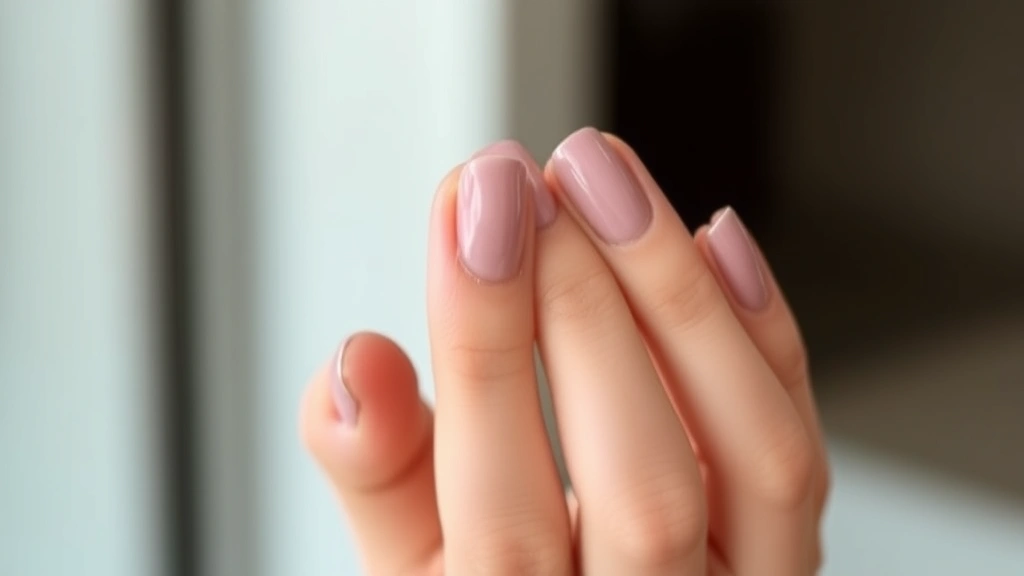
I’ve learned this the hard way after countless manicures. That 24-hour full cure time? That’s when your polish reaches maximum hardness and scratch resistance. But realistically, you can wear your nails comfortably after 30 minutes if you’re careful. The key is understanding the difference between surface dry and fully cured.

Why Polish Takes Time
Nail polish is basically a suspension of colored pigments, resins, and solvents. When you paint it on, those solvents need to evaporate for the polish to harden. This isn’t instant—it’s a chemical process that requires air exposure and time. The thicker your coat, the longer the solvents take to escape, which is why patience pays off.

Temperature, humidity, and air circulation all affect how quickly those solvents evaporate. Cold, dry environments speed up drying. Hot, humid environments slow it down. This is why your polish dries faster in winter than summer, and why a humid bathroom is the worst place to paint your nails.

Temperature Matters Most
This is hands-down the biggest factor in drying speed. Polish dries fastest in temperatures between 65-75°F (18-24°C). Too cold and the solvents move slowly. Too hot and the polish can actually bubble or become gummy. I keep my workspace cool and dry—it’s the single best thing you can do.
If you’re serious about faster drying, adjust your room temperature before you start. Turn on the AC, crack a window, or move to a cooler room. This alone can cut your drying time in half. I’ve tested this extensively, and the difference is dramatic. A room at 70°F versus 80°F can mean 5-10 extra minutes of drying time.
Pro tip: Keep your nail polish bottles in a cool place too. Cold polish actually dries faster because it needs less time for solvent evaporation. Some people even refrigerate their polish bottles—it works, though you need to let them warm up before opening to avoid condensation.

Thin Coats Win
Here’s where most people mess up: they apply thick coats thinking it’ll look better. Wrong. Thin coats dry faster and actually look better because they’re more even and less prone to bubbling or streaking. Apply your polish in thin, smooth strokes—you might need two coats instead of one, but each coat dries in 1-2 minutes instead of 5-10.

The difference is significant. A single thick coat might take 8 minutes to feel dry. Two thin coats take maybe 4 minutes each, for a total of 8 minutes, but the result looks way more professional. Plus, thin coats are less likely to chip or peel, so you’re actually getting better durability.
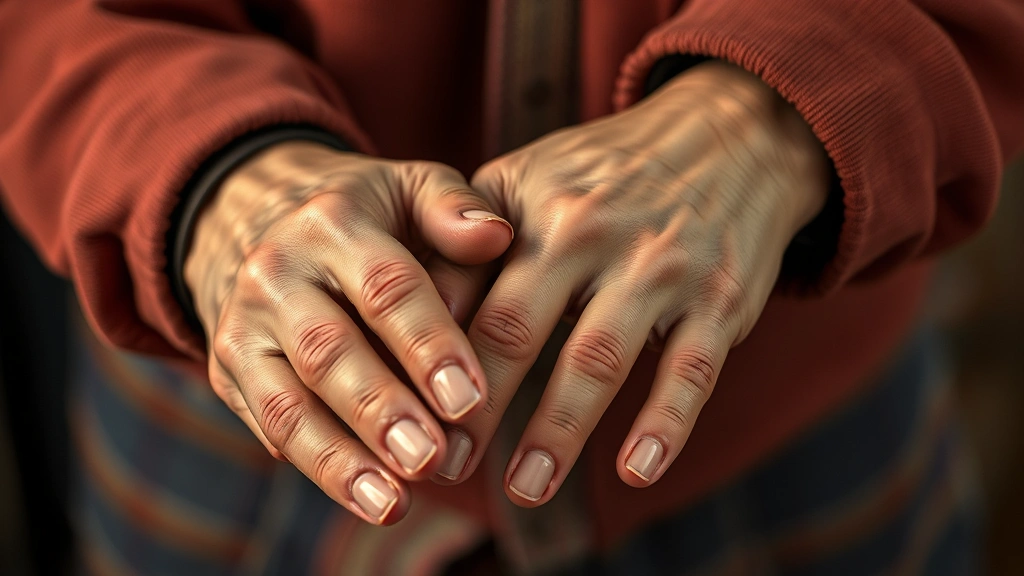
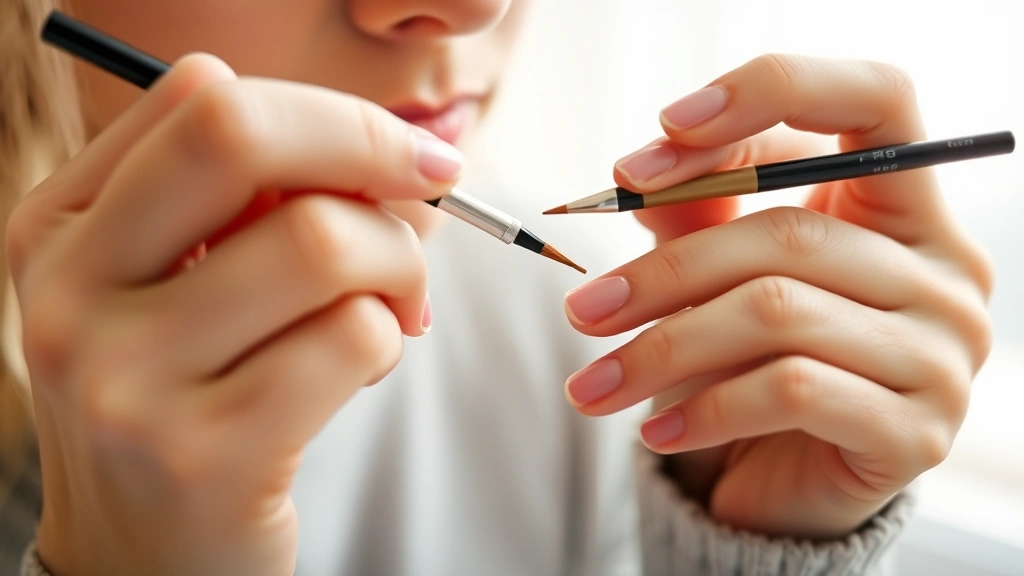
I use a technique where I load just enough polish on my brush to cover the nail without pooling at the edges. One smooth stroke down the center, then one on each side. Done. No re-dipping, no thick globs. It takes practice, but it’s worth mastering.
Speed-Drying Products Work
Quick-dry topcoats and sprays actually do speed up drying—they’re not snake oil. Products containing silicone or other fast-evaporating ingredients can reduce drying time by 50-75%. A good quick-dry topcoat can have your nails feeling solid in 3-5 minutes instead of 15-20.
The best ones I’ve used are formulated specifically to reduce solvent evaporation time. They work by creating a surface that sets faster while the layers beneath continue to cure. Brands like Seche Vite and Sally Hansen Insta-Dri are legit—they genuinely speed things up. You’ll pay a bit more, but if you’re impatient (and who isn’t?), it’s worth it.
Quick-dry sprays work too, though they’re messier. You spray them on your nails after painting, and they use a fine mist to speed evaporation. They work best in a well-ventilated area. Some people swear by them; others find them gimmicky. I’d say they’re worth trying if you’re constantly frustrated with drying time.

Ice Water Trick
This is my favorite hack because it actually works and costs nothing. After your topcoat is set (about 3 minutes), submerge your nails in ice water for 1-2 minutes. The cold temperature hardens the polish rapidly and feels like magic. Your nails will be significantly harder and less prone to smudging.

Here’s how I do it: Fill a bowl with ice water, wait about 3 minutes after applying topcoat, then dunk your fingertips for 60-90 seconds. The cold accelerates the hardening process and gives you that instant gratification of solid nails. It’s not a replacement for full curing, but it gets you to a usable state much faster.

The science is simple—cold slows molecular movement and speeds up the hardening process. It’s the same reason nail polish dries faster in winter. This trick works best with quick-dry topcoats, but it helps with regular polish too.
Ventilation Helps
Air circulation matters more than you think. A fan running in your workspace can reduce drying time by 20-30%. The moving air helps solvents evaporate faster and prevents the humid air around your nails from slowing the process. I always paint my nails with a small fan nearby.

Open windows work too, but a fan is more reliable because you control the airflow. Position it so it blows across your nails but isn’t so strong it causes the polish to dry unevenly. You want gentle, consistent air movement, not a wind tunnel.
This is especially important in humid climates or during summer. High humidity is basically poison for nail polish drying. If you live somewhere humid, maximize ventilation—open windows, run fans, maybe even use a dehumidifier if you’re really committed.
Common Mistakes
Don’t paint your nails in a bathroom with the shower running—the steam creates humidity that doubles drying time. Don’t apply thick coats thinking it’ll look better; it won’t, and it’ll take forever to dry. Don’t touch your nails while they’re drying, even to “check” if they’re dry. That’s how smudges happen.

Another mistake: using old polish. As polish ages, it becomes thicker and dries slower. If your bottle is more than 2-3 years old, it might be time to replace it. You can thin old polish with a proper thinner (not acetone), but it’s usually easier to just buy fresh.

And here’s a big one—don’t paint your nails right before bed expecting them to be fully cured by morning. They’ll feel dry, but they’re still soft. You’ll roll over and smudge them. Wait at least 30 minutes, ideally an hour, before sleeping on your nails.

Frequently Asked Questions
How long does gel nail polish take to dry?
Gel polish doesn’t dry the same way as regular polish. It cures under a UV or LED lamp, typically in 30-60 seconds per coat. Without a lamp, gel polish won’t cure at all—it’ll stay sticky forever. If you’re using gel, you need the light. Regular polish and gel are completely different products with different drying mechanisms.
Does blow dryer help dry nail polish?
A regular blow dryer on cool setting can help a little, but hot air actually slows drying by creating humidity around your nails. If you use a blow dryer, use the cool setting and keep it moving to avoid uneven drying. A regular fan is honestly more effective.
Why is my nail polish still soft after an hour?
Either your room is too warm/humid, you applied too thick a coat, or your polish is old. Try painting again in a cooler, drier environment with thinner coats. If it’s still soft, your polish might be expired. Also, some cheap polishes just dry slower—investing in quality polish makes a real difference.
Can I speed up drying with acetone?
No—acetone is a solvent that dissolves polish, it doesn’t dry it. Don’t use acetone to speed drying. Stick with quick-dry topcoats, temperature control, and ventilation.
Is 24 hours really necessary for full cure?
Yes, for maximum hardness and scratch resistance. But you can use your hands normally after 30-45 minutes if you’re careful. The full 24-hour cure gives you the most durable finish that resists chipping and peeling.


