

Wondering how long for grass seed to germinate? The answer depends on several factors, but most grass seeds sprout within 7-30 days under the right conditions. I’ve seeded plenty of lawns over the years, and timing is everything—get the basics right, and you’ll have a lush green carpet before you know it.
Table of Contents
Germination Timeline Basics
Let’s cut to the chase: most cool-season grass seeds germinate in 7-14 days, while warm-season varieties take 14-30 days. But here’s the thing—these aren’t hard deadlines. I’ve seen seeds pop in 5 days under perfect conditions and take 45 days when conditions were mediocre.
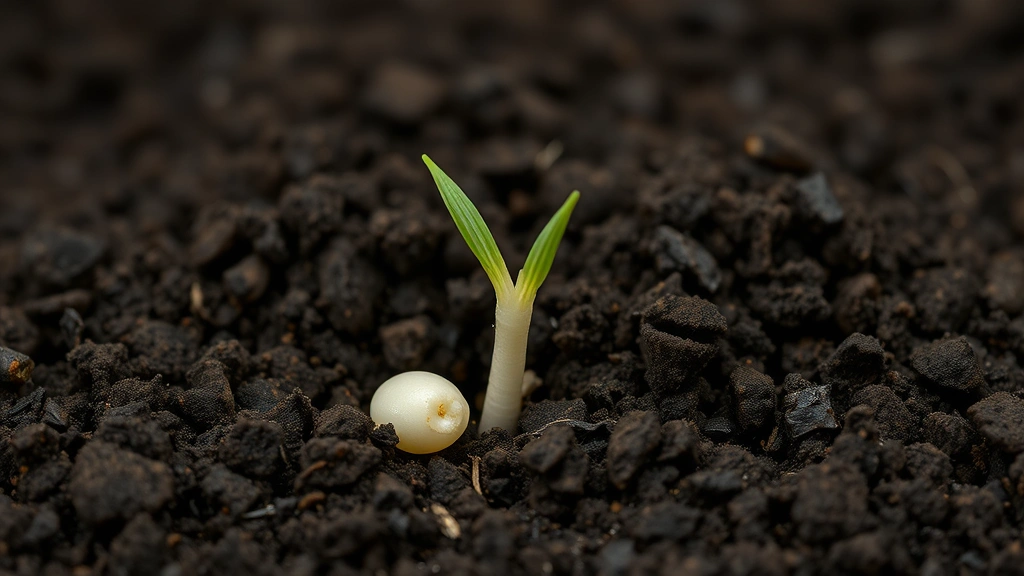
The first sign of germination is usually a tiny white root pushing down into the soil. This happens before you see any green shoots above ground. By day 7-10, you’ll notice the first green blades emerging if everything’s going right. By week 3-4, you should have recognizable grass growth that’s actually starting to look like a lawn.
Don’t panic if you don’t see sprouts by day 10. Patience is your friend here. I typically tell folks to wait at least 21 days before deciding something went wrong.
Seed Type Matters Most
This is where most people slip up. Different grass species have wildly different germination rates:
Cool-Season Grasses (7-14 days): Perennial ryegrass, tall fescue, and Kentucky bluegrass are the speed demons. Ryegrass especially can pop in as little as 5-7 days. These are your go-to seeds for northern climates.
Warm-Season Grasses (14-30 days): Bermuda, zoysia, and St. Augustine grass take their sweet time. Zoysia is the slowest of the bunch—sometimes stretching to 30+ days. These thrive in southern heat.
The seed bag always lists germination times, so check before you plant. I’ve learned this the hard way after wondering why my warm-season seed wasn’t showing up after two weeks.
Temperature Sweet Spot
Temperature is the kingmaker for seed germination. Get this wrong, and nothing else matters.
Cool-Season Seeds: Ideal soil temperature is 60-75°F. They’ll germinate slower below 50°F and faster above 75°F. Plant these in spring or fall when temps are moderate.
Warm-Season Seeds: Need soil temps of 70-85°F to really get going. Below 70°F, they’re basically dormant. This is why you wait until late spring or early summer for warm-season seeding.
Here’s a pro tip: soil temperature isn’t the same as air temperature. Soil warms up slower in spring and cools down slower in fall. I always grab a soil thermometer before seeding—takes the guesswork out. Stick it 2-3 inches deep in the morning for the most accurate reading.
Moisture Requirements
Moisture is non-negotiable. Seeds need consistent dampness to germinate, but not waterlogged conditions.
The top inch of soil should stay moist (not soggy) for the entire germination period. This is the tricky part because overwatering kills as many seeds as underwatering. The soil should feel like a wrung-out sponge—moist but not dripping.
During germination, you’ll need to water lightly 2-3 times daily, especially in hot weather. Once seedlings emerge and develop their first true leaves, you can dial back to once daily. By week 3-4, you’re watering less frequently but more deeply to encourage root development.
I use a fine mist setting on my sprayer to avoid blasting seeds out of the soil. Heavy watering can wash seeds downhill or bury them too deep.
Soil Preparation Impact
You can’t just sprinkle seed on compacted dirt and expect magic. Soil prep is half the battle.
Loosen the top 2-3 inches of soil and remove debris—rocks, sticks, dead grass. The seed needs direct contact with soil to germinate properly. If you’re overseeding an existing lawn, dethatch first and rough up the surface.
A soil test is worth its weight in gold. Most seeds prefer slightly acidic soil (pH 6.0-7.0). If your soil’s too acidic or alkaline, seeds struggle. I’ve had customers amazed at how much better their grass grows after a simple lime application.
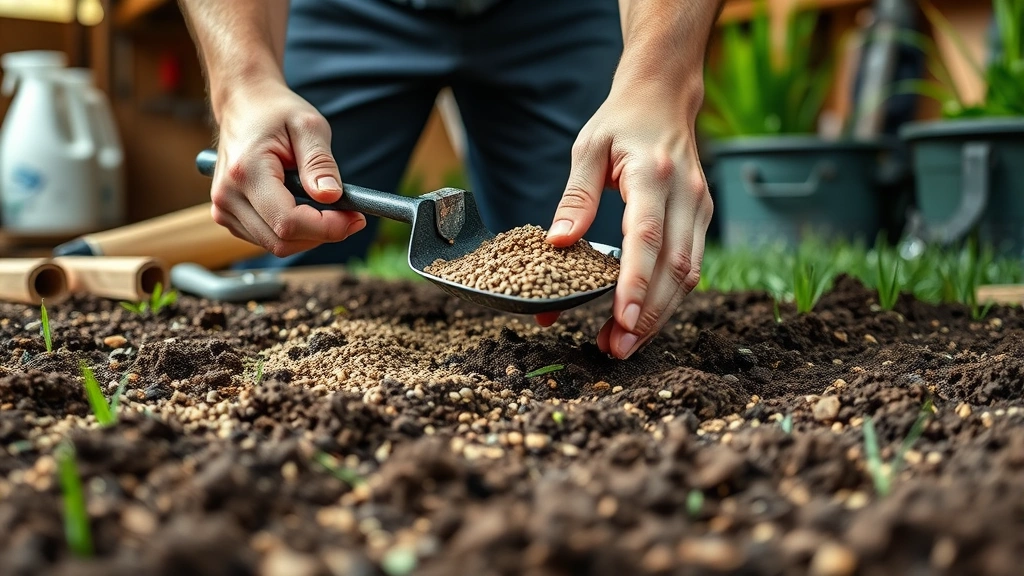
Mix in a thin layer of compost or quality topsoil if your native soil is poor. This gives seeds something to work with. You don’t need much—half an inch mixed into the top couple inches makes a huge difference.
Common Germination Mistakes
I see the same mistakes over and over. Let me save you the headache:
Seeding Too Shallow: Seeds need soil contact. If you just scatter seed on top, birds eat it and it dries out. Rake seed in lightly so it’s barely covered.
Seeding Too Deep: Buried seed can’t germinate. The rule is simple—cover seeds to a depth equal to their size. For tiny grass seed, that’s barely any coverage at all.
Inconsistent Watering: This kills more seedlings than anything else. One day of drying out can wipe out germination. Set up a timer or check daily.
Wrong Season: Planting warm-season seed in March or cool-season seed in August is fighting nature. Wait for the right window.
Poor Seed Quality: Cheap seed has low germination rates. Buy from reputable suppliers and check germination percentages on the label.
Speeding Up Growth
Once seedlings emerge, you can encourage faster growth without rushing germination itself.
A light application of starter fertilizer (higher phosphorus) at day 10-14 gives seedlings a boost. Don’t go crazy though—excess nitrogen pushes soft growth that’s prone to disease.
Keep the area weed-free. Weeds compete for water and nutrients. Hand-pull anything that pops up during the germination window. Herbicides are off-limits until seedlings are established (usually 4-6 weeks).
Mowing timing matters too. Don’t mow until seedlings reach 3-4 inches tall, and only cut off the top third. Mowing too early or too short stresses young plants.
When to Water Seedlings
Watering strategy changes as seedlings develop. This is where I see people mess up the most.
Days 0-7 (Germination): Light, frequent misting 2-3 times daily. Keep the surface moist but not puddled.
Days 7-21 (Emergence): Once you see green shoots, dial back slightly. Water once daily, preferably in early morning. Wet grass at night invites fungal issues.
Days 21-35 (Establishment): Reduce frequency to every other day, but water deeper. You’re encouraging roots to go down, not just stay at the surface.
After 35 Days: Transition to your normal lawn watering schedule—typically 1-1.5 inches per week depending on climate.
The golden rule: water early morning before heat kicks in. Evening watering leaves grass wet overnight, which breeds disease.
Troubleshooting Slow Sprouts
If you’re past day 21 and seeing nothing, here’s what to check:
Temperature Too Cold: If soil temps are below 50°F, cool-season seed is barely moving. Warm-season seed won’t germinate at all below 60°F. Wait for warmer weather.
Inconsistent Moisture: Check soil moisture 2 inches deep. If it’s dry, you’re underwatering. If it’s soggy, you’re overwatering and seeds are rotting.
Poor Soil Contact: Dig up a few seeds. If they’re sitting on top of soil instead of nestled in, they won’t germinate. Rake and water to settle them in.
Old or Bad Seed: Check the germination percentage on the bag. Anything below 80% is questionable. Seed older than 2-3 years loses viability fast.
Compacted Soil: If soil is hard and crusty, roots can’t push through. Aerate and try again.
Sometimes you just need to wait longer. I’ve had seeds germinate at day 35-40 when conditions finally aligned. Patience beats panic every time.
Frequently Asked Questions
How long does grass seed take to germinate in cold weather?
Cool-season seed germinates slowly below 50°F—sometimes taking 30-45 days or longer. Warm-season seed won’t germinate at all in cold soil. If you’re seeding in fall or early spring, expect the slower end of the timeline. Soil temperature matters way more than air temperature.
Can I speed up grass seed germination?
You can optimize conditions (proper temperature, consistent moisture, good soil prep), but you can’t truly speed up the biological process. What you can do is eliminate delays—fix soil problems, seed at the right time, and maintain perfect watering. That gets you to the faster end of the normal range.
Why is my grass seed not germinating after 2 weeks?
Check soil temperature first. If it’s below the ideal range for your seed type, germination just won’t happen. Next, verify moisture—dig down and check if soil is actually moist 2 inches deep. Finally, inspect seed placement. If seeds are sitting on top of soil or buried too deep, they won’t sprout. Most issues come down to these three factors.
Is it normal for grass seed to take 30 days to germinate?
Completely normal for warm-season varieties like zoysia or if soil temperatures are on the cool side. Even cool-season seed can take 21-30 days if conditions aren’t optimal. The 7-14 day timeline assumes perfect conditions—most real-world situations take longer.
What happens if I walk on germinating grass seed?
Foot traffic compacts soil and damages emerging seedlings. Keep the seeded area off-limits for at least 3-4 weeks. If you must cross it, use a board to distribute your weight and minimize damage. Once grass reaches 2-3 inches tall, it’s tougher and can handle light foot traffic.
Should I cover grass seed to help it germinate faster?
A light straw mulch (about half an inch) helps retain moisture and can speed germination slightly. It also protects seeds from birds. But don’t overdo it—too much mulch blocks light and traps moisture that leads to rot. Use certified weed-free straw and rake it back as seedlings emerge.
Final Thoughts
So, how long for grass seed to germinate? Realistically, 7-30 days depending on seed type and conditions, with most germination happening in the 10-14 day window for cool-season grasses. The key is setting up the right environment and then leaving it alone. Consistent moisture, appropriate temperature, and decent soil prep handle 90% of the work.
Stop checking every day—that’s the hardest part for most people. Mark your calendar for day 21, then assess. If you see any green, you’re winning. If you don’t, troubleshoot one variable at a time. Most failed seeding attempts come from impatience or inconsistent watering, not bad seed.
For more home improvement guidance, check out our article on how to clean a rug and learn about maintaining your home’s interior. You might also find our tips on how to clean baseboards helpful for keeping your home in top shape while you’re waiting for that grass to grow.
Trust the process, stick to the timeline, and you’ll have a thick, healthy lawn. That’s what I’ve learned after seeding hundreds of lawns—sometimes the best thing you can do is just wait and watch nature do its thing.


