
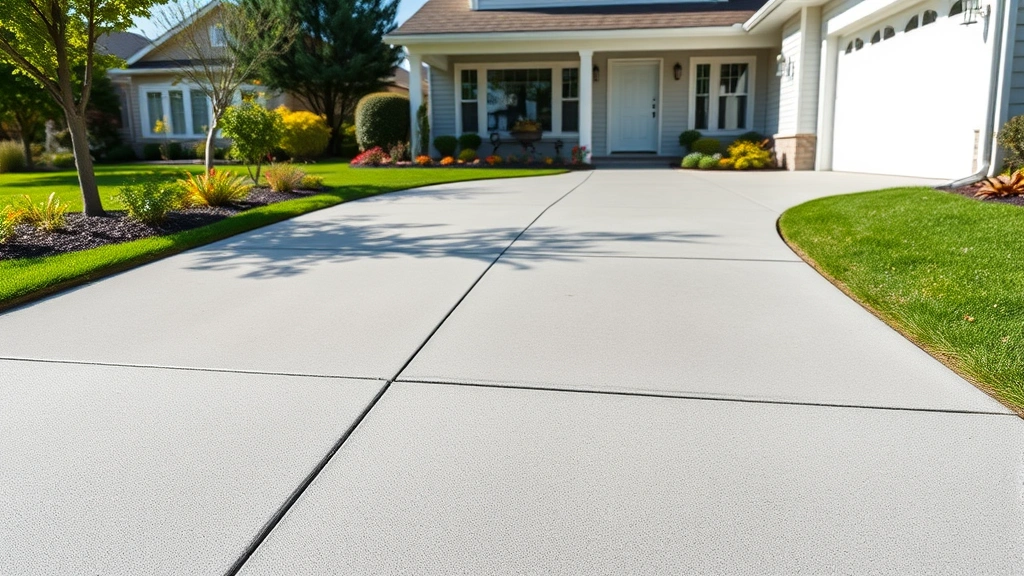
Knowing how long for concrete to cure is one of the most critical details you’ll need when tackling any concrete project, whether you’re pouring a driveway, patio, or foundation. Get this timing wrong, and you’ll either damage your fresh work or waste time waiting unnecessarily. Let me walk you through exactly what you need to know.
Table of Contents
- Concrete Curing Basics
- Initial Set Time Explained
- The Critical 24-Hour Mark
- Seven Days: Real Strength Gains
- 28 Days: The Industry Standard
- Temperature and Humidity Effects
- Curing Conditions Matter Most
- When You Can Actually Use It
- Common Mistakes to Avoid
- Speeding Up the Process Safely
- Frequently Asked Questions
Concrete Curing Basics
Here’s the thing most people get wrong from the start: concrete doesn’t “dry” like paint does. It cures through a chemical process called hydration, where the cement particles bond with water molecules. This is completely different from evaporation, and it’s why timing matters so much.
When you mix concrete, you’re combining cement, aggregates, water, and additives. That water isn’t just sitting there—it’s actively reacting with the cement. This reaction generates strength over time, but it happens on a schedule you can’t rush without consequences.
The curing process is continuous, but strength development follows predictable milestones. Understanding these milestones helps you know exactly when your concrete is ready for different types of use.
Initial Set Time Explained
Within the first few hours, your concrete reaches what we call “initial set.” This typically happens between 4 to 8 hours after pouring, depending on conditions. At this point, the concrete feels firm to the touch and won’t deform if you press lightly on it.
Don’t confuse initial set with full curing. Your concrete might feel solid, but it’s nowhere near its final strength. You can walk on it carefully, but heavy loads or traffic will damage it.
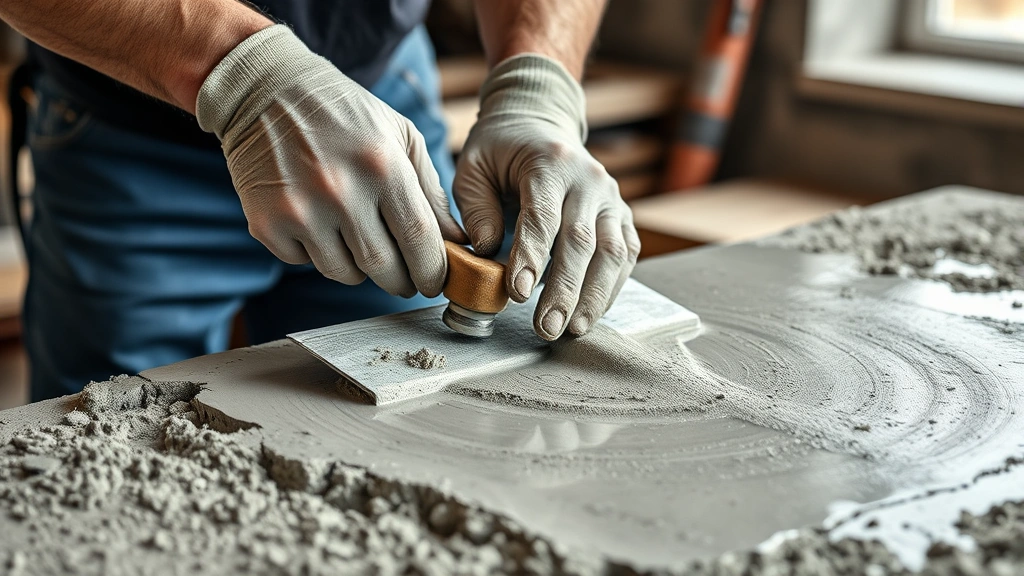
This is when you finish the surface—troweling, broom finishing, or whatever texture you want. If you wait too long, the surface hardens and you can’t work it. Too soon, and your tools sink in. It’s a narrow window, typically 6 to 12 hours total from pouring.
The Critical 24-Hour Mark
After 24 hours, your concrete has typically reached about 25-30% of its final strength. This is the first real milestone. You can remove most forms and supports at this point, and light foot traffic is generally safe.
But here’s the catch: “light” means exactly that. One person walking across it? Fine. A group of workers moving equipment? That’s asking for trouble. The concrete is still soft enough that concentrated loads can cause permanent damage.
This is also when you should remove any temporary bracing or props. Waiting longer makes removal harder and potentially more damaging to the concrete itself.
Seven Days: Real Strength Gains
By day seven, concrete typically reaches 50-70% of its ultimate strength. This is a significant jump from day one. Now you can handle moderate foot traffic and light equipment use.
For most residential projects, day seven is when you can confidently say the concrete is “cured enough” for normal use. You can drive a regular car on a driveway, use a patio for furniture and foot traffic, or remove any remaining temporary supports.
However, industrial projects and high-traffic areas might require waiting longer. The timeline also depends heavily on concrete type and weather conditions during that first week.
28 Days: The Industry Standard
The 28-day mark is the magic number in the concrete industry. By this point, concrete has reached approximately 90-95% of its ultimate strength. For most practical purposes, this is “fully cured.”
This is why concrete specifications always reference 28-day strength. It’s the benchmark used in engineering calculations, building codes, and contractor agreements. If someone asks about concrete strength, they’re referring to 28-day strength unless they specify otherwise.
After 28 days, concrete continues to gain strength very slowly—sometimes for years—but the gains are minimal compared to the first month. For your purposes, treat 28 days as the finish line.
Temperature and Humidity Effects
Temperature is the single biggest variable in curing time. Concrete cures fastest at 70-75°F (21-24°C). For every 10 degrees cooler, you roughly double the curing time. Below 50°F, curing slows dramatically.
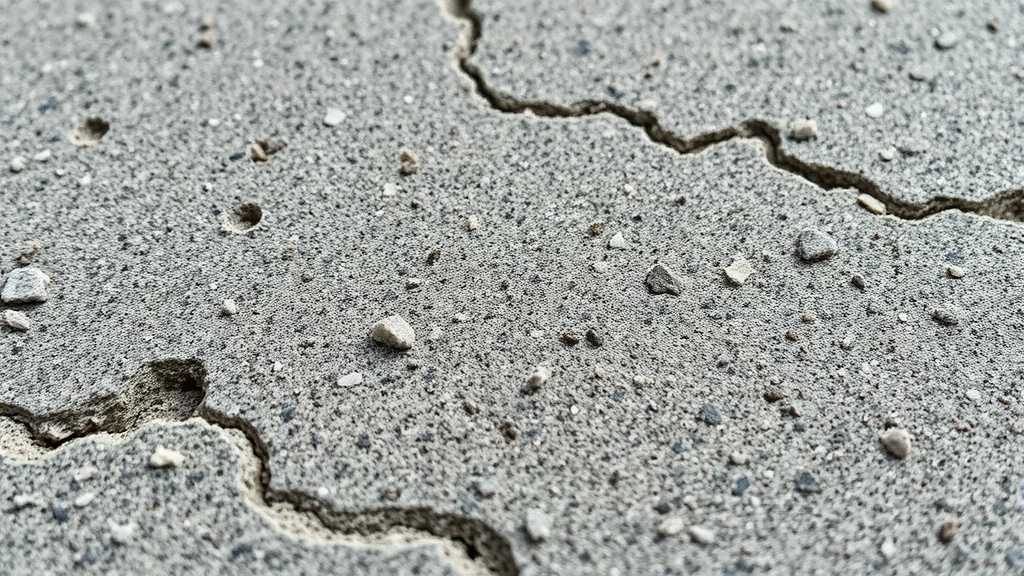
In freezing conditions (below 32°F), concrete doesn’t cure properly at all. If the concrete freezes before it reaches a certain strength threshold, the water inside expands and causes permanent damage. This is why winter pours require special precautions and additives.
Humidity also matters. Dry conditions cause the surface to cure faster than the interior, which can lead to cracking. Ideally, you want moderate humidity (50-70%) during the curing period. Too dry, and the surface dries out while the interior is still curing.
Curing Conditions Matter Most
This is where most DIYers go wrong. You can’t just pour concrete and walk away. The curing conditions directly determine how strong your concrete becomes and how long it takes to get there.
Proper curing involves keeping the concrete moist (not wet) and protecting it from temperature extremes. In hot weather, you might need to mist the surface with water or cover it with wet burlap. In cold weather, you might need insulation or curing blankets.
The concrete needs moisture to complete the hydration process. If it dries out too quickly, the chemical reaction stops prematurely, and you’re left with weaker concrete than it could have been. This is why professional contractors take curing seriously—it’s the difference between a driveway that lasts 20 years and one that lasts 40.
When You Can Actually Use It
Here’s the practical timeline for different uses:
- Walking on it: 24-48 hours
- Light vehicle traffic: 7 days
- Heavy vehicle traffic: 14-21 days
- Maximum strength: 28 days
- Sealing or staining: 28 days minimum
If you’re applying a sealer or stain, don’t rush this. The concrete needs to fully cure before you seal it, or you’ll trap moisture inside and cause problems. Some sealers specifically require 28-day curing before application.
For exterior concrete in freeze-thaw climates, wait the full 28 days before exposing it to de-icing salts or harsh winter conditions. The concrete is more vulnerable to damage during the curing period.
Common Mistakes to Avoid
The biggest mistake is using the concrete too soon. I see homeowners driving on fresh driveways after just a few days. The surface might feel hard, but the interior is still curing, and heavy loads cause permanent damage that won’t show up until years later.
Another common error is letting the concrete dry out too fast. Covering it with plastic is actually good during the first week—it traps moisture and helps the curing process. Don’t uncover it immediately after pouring.
People also get confused about weather. Just because it’s sunny and warm doesn’t mean the concrete is ready for use. The calendar matters more than the weather at this point. Even in ideal conditions, the chemical curing process takes time.
Removing forms too early is another killer. Wait at least 24 hours, and preferably 48 hours, before removing side forms. For load-bearing applications, wait even longer.
Speeding Up the Process Safely
You can’t really speed up concrete curing without compromising quality, but you can optimize conditions. Using concrete accelerators (admixtures added to the mix) can reduce curing time by 25-50%, but they’re expensive and require professional knowledge to use correctly.
Heat accelerates curing. In cold weather, using insulation blankets or temporary heaters can help. In hot weather, concrete cures faster naturally, but you need to prevent it from drying out too quickly.
The best approach is to plan ahead. If you know you need concrete ready by a certain date, schedule the pour accordingly and let nature do its job. Rushing always leads to problems.
Frequently Asked Questions
Can I walk on concrete after 24 hours?
Yes, light foot traffic is generally safe after 24 hours. However, avoid heavy loads, jumping, or running. The concrete is only about 25-30% cured at this point.
How long before I can drive on a concrete driveway?
Wait at least 7 days before driving a regular car on a new driveway. Heavy trucks should wait 14-21 days. This ensures the concrete has gained enough strength to handle vehicle weight without cracking or rutting.
What temperature is too cold for concrete curing?
Below 50°F, curing slows significantly. Below 32°F (freezing), concrete won’t cure properly and can be permanently damaged. Plan concrete work for warmer months, or use special cold-weather concrete and additives.
Do I need to keep concrete wet while it cures?
Yes, keeping concrete moist helps the hydration process. You don’t want it soaking wet, but moist is ideal. Cover it with plastic or wet burlap during the first week to retain moisture.
Can I seal concrete before 28 days?
No. Most sealers require 28 days of curing minimum. Sealing too early traps moisture inside and causes damage. Check your sealer’s specific requirements—some need even longer.
Why is concrete still getting harder after 28 days?
Concrete continues to gain strength very slowly for years, sometimes decades. However, 95% of the strength gain happens in the first 28 days. After that, improvements are minimal and impractical to wait for.
Does concrete cure faster in hot weather?
Yes, but too much heat can cause problems. Rapid surface drying while the interior is still curing leads to cracking. In hot weather, you need to prevent the surface from drying too fast while the interior cures.
Final Thoughts
Understanding how long for concrete to cure is essential for any concrete project. The timeline isn’t arbitrary—it’s based on the chemistry of hydration and decades of real-world experience. Respect the schedule, optimize your curing conditions, and you’ll end up with concrete that lasts for decades.
The hardest part isn’t the pouring or finishing—it’s the patience to wait. But that patience pays off in durability and performance that makes the wait worthwhile. For more detailed home improvement guidance, check out resources like Family Handyman’s concrete guides, This Old House’s construction articles, and Bob Vila’s expert reviews.
Whether you’re a seasoned DIYer or tackling your first concrete project, remember: concrete doesn’t care about your timeline. It cures on its own schedule. Work with that schedule, not against it, and you’ll get professional-quality results.


