
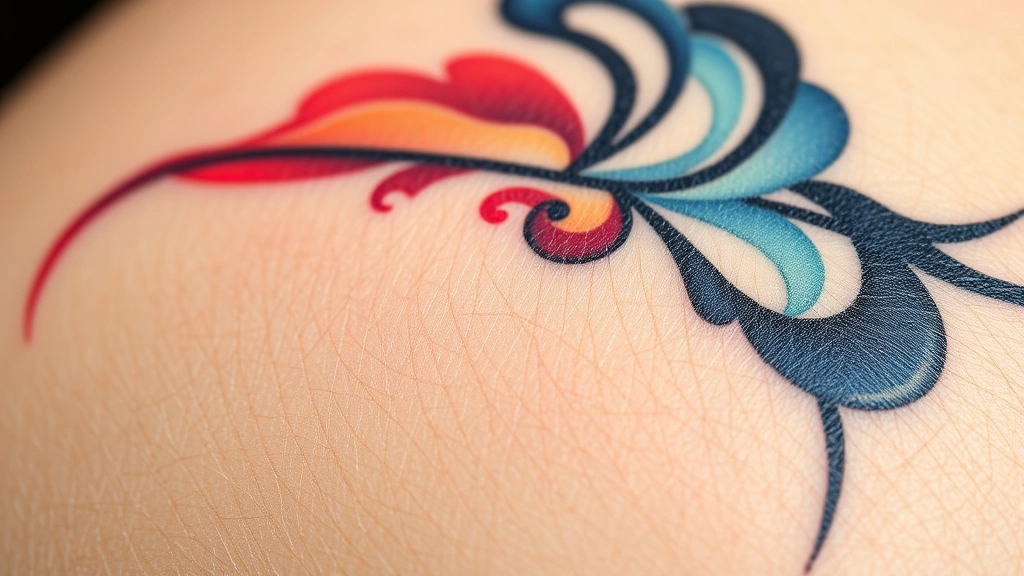
How long for a tattoo to heal is one of the most common questions people ask before getting inked, and the answer isn’t as simple as “X days and you’re done.” Tattoo healing is a multi-stage process that typically spans 2-3 weeks for surface healing, but complete healing can take 3-6 months depending on size, placement, and aftercare. Let’s break down what actually happens to your skin after you leave the tattoo chair.
Table of Contents
The Healing Timeline Breakdown
Your tattoo healing process happens in distinct phases, and understanding each one helps you know what’s normal and what’s concerning. Think of it like any wound healing—your body treats a tattoo as controlled trauma that needs repair. The first 24-48 hours are the most critical, followed by a peeling phase that can last 1-2 weeks. After that, your skin continues rebuilding for several more months beneath the surface.
The complete tattoo healing timeline typically looks like this: days 1-3 are the acute phase with swelling and oozing, days 4-7 see reduced inflammation but increased sensitivity, weeks 2-3 bring the infamous peeling (which feels weird but is totally normal), and weeks 4-12 involve continued skin regeneration that you won’t see but is happening underneath. Some artists recommend waiting 4-6 weeks before submerging your tattoo in water or exposing it to intense sun.
First Week: The Critical Phase
During the first 7 days, your tattoo is basically an open wound that’s starting to scab over. You’ll notice redness, swelling, and some oozing of plasma and ink—this is completely normal and actually a sign your immune system is responding properly. Keep the area clean with unscented soap and pat it dry with a clean paper towel, never cloth. Apply a thin layer of fragrance-free moisturizer or recommended tattoo balm 2-3 times daily, but don’t oversaturate it.
The first week is when most infections happen if you’re not careful, so this is where your diligence pays off. Sleep on clean sheets, avoid touching it with dirty hands, and don’t let other people touch your fresh tattoo. If you’re like most people who can’t resist picking at it, remember that every time you disturb the scab, you risk pulling out ink and creating permanent gaps in your design. Your future self will thank you for leaving it alone.
Weeks Two & Three: Peeling Stage
Around day 7-10, your tattoo enters the peeling phase, and this is where patience becomes your best friend. Your skin naturally sheds the outer layer, and your tattoo will look like it’s covered in dead skin flakes—kind of like a sunburn peeling. This is when people often panic thinking something’s wrong, but it’s actually the sign of proper healing. The peeling can last 1-2 weeks and will be itchy as hell, which is another reason not to scratch it.
During the peeling stage, keep using gentle moisturizer to help the process along smoothly. Some people use unscented lotion, others prefer specialized tattoo aftercare products—both work fine as long as they’re fragrance-free and not petroleum-based. The itching happens because your skin is regenerating and nerve endings are firing up. Resist the urge to scratch by wearing loose clothing over the area or applying a cool (not cold) compress if you absolutely need relief.
Complete Healing Takes Patience
Even after the peeling stops and your tattoo looks fully healed on the surface, the deep healing continues for 3-6 months. Your skin is still rebuilding collagen and integrating the ink particles into the dermis layer. This is why you shouldn’t judge your tattoo’s final appearance until at least 3 months have passed—colors will settle, lines will look sharper, and the overall appearance will stabilize.
During this extended healing period, continue protecting your tattoo from direct sunlight with clothing or SPF 30+ sunscreen. UV exposure fades tattoos faster than anything else and can cause complications during the healing phase. If you got a large or detailed piece, you might notice some areas take longer to fully heal than others—this is normal and depends on how deep the artist had to go with the needle.
Aftercare Essentials That Matter
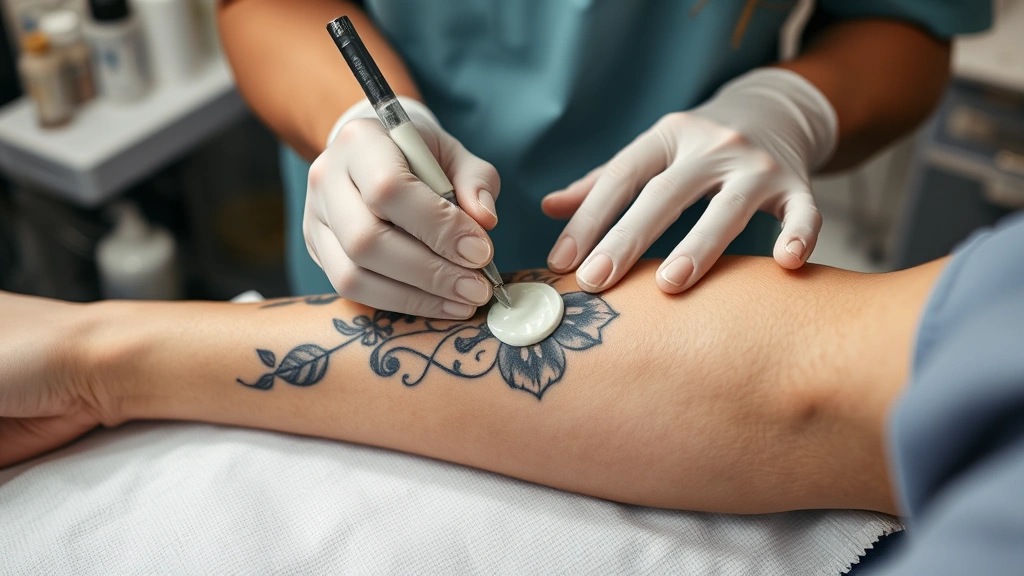
Your artist gave you specific aftercare instructions for a reason, and following them is the difference between a healed tattoo you love and one with patchy spots or infection. The basics are: keep it clean, keep it moisturized, keep it protected from sun and water, and keep your hands off it. Most professional artists recommend unscented products because fragrances and dyes can irritate the fresh wound.
The best aftercare routine is simple: wash with unscented antibacterial soap 2-3 times daily, pat dry completely with a clean paper towel, apply a thin layer of fragrance-free moisturizer, and let it air dry. Avoid covering it with bandages after the first day unless your artist specifically recommended it—tattoos heal better with air exposure. If your artist recommended a specific product like Aquaphor or a branded tattoo balm, use that instead of generic lotion.
What to Avoid During Recovery
There’s a long list of things that will sabotage your healing, and the main culprits are water, sun, sweat, and your own hands. Don’t submerge your tattoo in pools, hot tubs, or bathtubs for at least 2-3 weeks—showers are fine as long as you don’t blast it with hot water or scrub it. Avoid intense exercise and sweating for the first week because sweat introduces bacteria and salt to the wound. Keep it out of direct sunlight, chlorine, saltwater, and other people’s dirty hands.
Don’t wear tight clothing over the tattoo during the first few days, and avoid sleeping on it if possible. Don’t apply thick layers of ointment thinking more is better—that traps bacteria and slows healing. Don’t pick, scratch, or peel away the scabs no matter how tempting it is. Don’t use Vaseline, petroleum jelly, or heavy oils that suffocate the skin. Don’t expose it to cigarette smoke, and if you smoke, know that nicotine constricts blood vessels and slows healing. These restrictions are temporary—once it’s fully healed, you can return to normal activities.
Signs of Infection or Problems
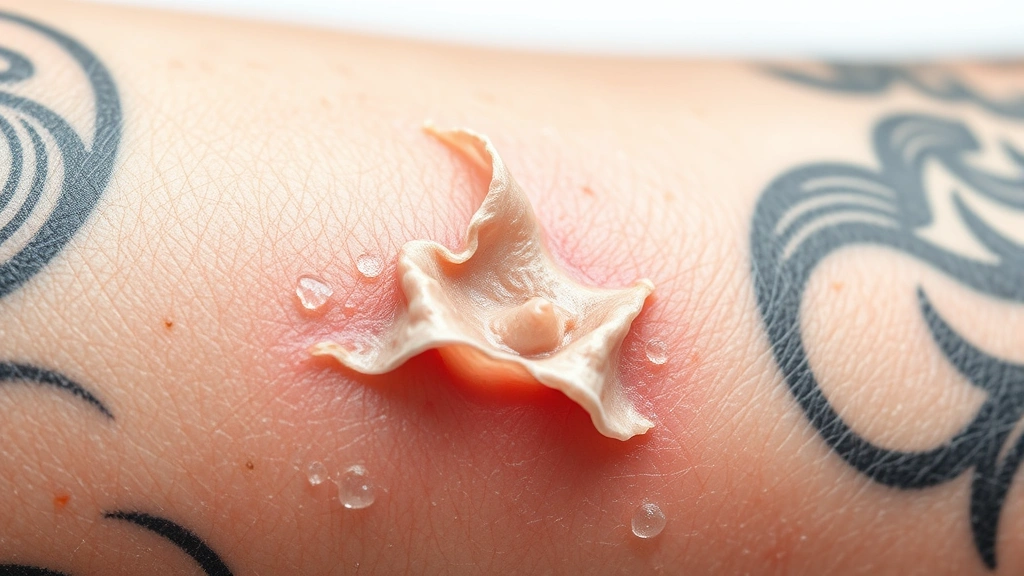
Most tattoos heal without issues, but it’s important to recognize when something’s wrong. Watch for excessive redness that spreads beyond the tattoo outline, warmth to the touch, pus or unusual discharge, swelling that gets worse after day 3, or red streaks radiating from the tattoo. These are signs of infection and require immediate medical attention. Fever, chills, or swollen lymph nodes are also red flags that shouldn’t be ignored.
Some people develop allergic reactions to specific ink colors, particularly red and yellow inks. If you notice a localized rash, bumps, or intense itching confined to one color area, contact your artist and doctor. Granulomas (small bumps under the skin) can develop months after getting a tattoo and usually resolve on their own, but mention them to your doctor if they don’t improve. Most complications are preventable with proper aftercare, so stick to the routine even when it feels tedious.
When You’ll Need Touch-Ups
Even with perfect aftercare, most tattoos need a touch-up 4-6 weeks after the initial session. This is normal and expected—some ink gets lost during healing, and the artist needs to see the final result before making adjustments. Don’t panic if your tattoo looks lighter or patchier than you expected at the 2-week mark; this is temporary and will improve. Schedule your touch-up appointment with your artist and bring reference photos if you want to discuss changes.
Touch-ups are usually cheaper than the original tattoo and take less time since the outline is already there. Your artist will go over faded areas, sharpen lines, and deepen colors as needed. Some people need multiple touch-ups depending on their skin type and how well they healed. Those with oily skin or certain skin conditions might need more frequent touch-ups over the years because the skin sheds faster.
Frequently Asked Questions
How long before a tattoo stops hurting?
The pain stops immediately after the artist finishes, but the soreness and tenderness continue for 24-48 hours. Your tattoo will feel like a mild sunburn during this time. By day 3-4, most of the soreness fades, though the area might still be slightly sensitive. If pain persists beyond a week or gets worse, contact your artist or doctor.
Can I shower with a fresh tattoo?
Yes, you can shower after 24 hours, but keep the water lukewarm (not hot), avoid direct spray on the tattoo, and don’t soak it. Pat dry gently with a clean paper towel afterward. Avoid baths, pools, and hot tubs for at least 2-3 weeks because prolonged water exposure softens the scabs and can pull out ink.
Why is my tattoo still peeling after 3 weeks?
Extended peeling can happen if your tattoo is large, heavily saturated with ink, or if you have naturally dry skin. Continue moisturizing gently and avoid picking at it. If peeling continues beyond 4 weeks or is accompanied by redness and swelling, contact your artist or doctor to rule out infection.
Is it normal for my tattoo to look faded during healing?
Absolutely normal. During the peeling phase, your tattoo will look dull and faded because dead skin is covering the ink. Once the peeling finishes and your skin fully heals, the colors will look vibrant again. This is why you shouldn’t judge your tattoo’s final appearance until at least 3 months have passed.
When can I exercise after getting a tattoo?
Avoid intense exercise for the first week because sweat introduces bacteria and salt to the wound. Light walking is fine, but skip the gym, running, or any activity that causes heavy sweating. After the first week, you can gradually return to normal exercise, but keep the tattoo covered or apply sunscreen if it’s exposed to sun.
Can I use regular lotion on my healing tattoo?
Fragrance-free, unscented lotion works fine, but specialized tattoo aftercare products are formulated specifically for this purpose. Avoid heavily fragranced products, body butters, or anything with dyes. If your skin is sensitive, stick with the product your artist recommended rather than experimenting with different brands.
Final Thoughts on Tattoo Healing
Understanding how long for a tattoo to heal and what to expect during each phase takes the mystery and anxiety out of the process. Your tattoo will look different at every stage—red and swollen at first, dull and peeling in the middle, and finally vibrant and settled after a few months. This is all part of the normal healing journey, not signs that something went wrong. The key is following your artist’s aftercare instructions religiously, resisting the urge to pick or scratch, and protecting your new ink from sun and water during the critical healing window. After 3-6 months, your tattoo will be fully healed and ready to last a lifetime—assuming you protect it from sun damage with regular sunscreen going forward. Most people find that the temporary inconvenience of proper aftercare is absolutely worth it when they see their finished tattoo looking sharp and vibrant months later.


