
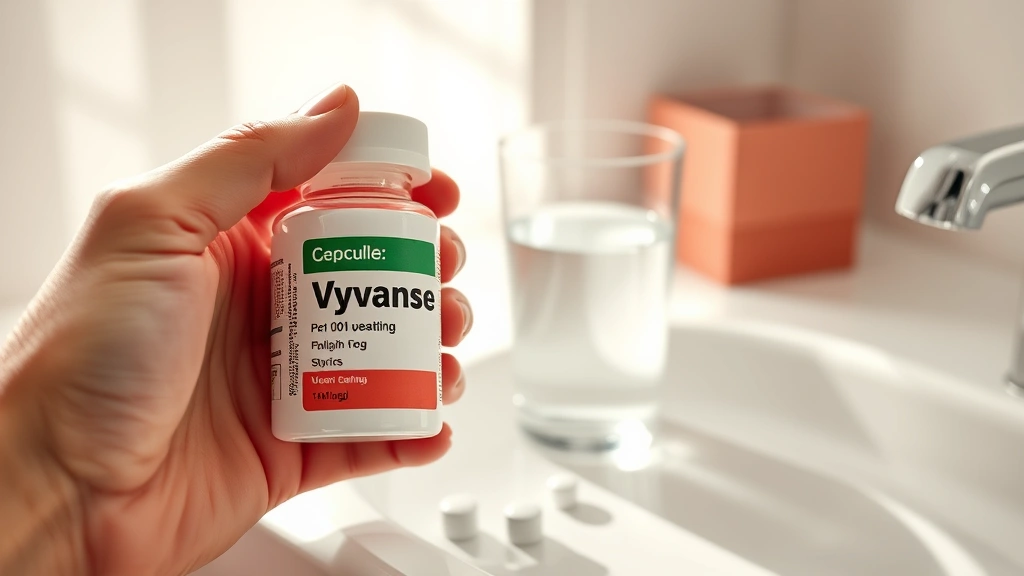
So you’re wondering how long does Vyvanse take to work? If you’ve just picked up your prescription or you’re considering starting this medication, you’re probably eager to know when you’ll actually feel the effects. The short answer: most people notice changes within 30 minutes to 2 hours, but the full picture is more interesting than that. Let me walk you through what actually happens in your body and what to expect during those first few hours and beyond.
Table of Contents
Understanding Vyvanse Basics
Vyvanse (lisdexamfetamine) is a prescription stimulant medication used primarily for ADHD and binge eating disorder. Here’s the thing that makes it different from other stimulants: it’s a prodrug. That means your body has to convert it into its active form before it actually works. This is why the timeline matters more with Vyvanse than with some other medications.
The medication comes as a capsule you swallow, and it heads straight to your digestive system. Your liver then does the chemical work to convert it into dexamphetamine, which is the actual compound that affects your brain and nervous system. This conversion process is why you can’t just snort it or abuse it the way some people try with other stimulants—your body won’t cooperate.
The Onset Timeline Explained
Let’s break down the real timeline. When you take Vyvanse in the morning with breakfast (which is recommended), here’s roughly what happens: the capsule dissolves in your stomach within minutes. Your digestive system starts absorbing it, and your liver begins that conversion process. Most people report noticing something within 30 to 60 minutes, though it’s often subtle at first—maybe a slight increase in focus or a shift in energy.
The effects continue building over the next 1 to 2 hours. By the 2-hour mark, most people are experiencing noticeable improvements in attention, impulse control, and motivation. This is when you’d typically feel like the medication is actually working. If you’re not noticing anything by the 2-hour mark, don’t panic—some people take longer, and we’ll talk about why in a moment.
First 30 Minutes: What Happens
During this window, you might not feel much of anything, and that’s completely normal. Your body is still doing its conversion work. Some people describe this as the “nothing phase”—you’ve taken your pill, and you’re waiting. You might feel a slight dry mouth or notice your heart rate ticking up a bit, but these are minor side effects, not the main medication effect.
This is actually one reason why taking Vyvanse consistently at the same time every day matters. Your body gets into a rhythm, and the timing becomes more predictable. If you’re testing it out for the first time, don’t expect to feel dramatically different in the first half hour. Patience is key here.
Peak Effects Window
Around 3 to 4 hours after taking Vyvanse, you hit the peak concentration in your bloodstream. This is when the medication is doing its best work. Your focus is sharpest, your ability to tackle tasks is strongest, and if the dose is right for you, this is when you feel “normal” again (or for the first time, depending on your situation).
The peak effects typically last for several hours. Some people find they can work through complex problems during this window without getting distracted. Others notice they’re more willing to do boring tasks that normally feel impossible. This peak period is often the sweet spot that tells you whether your dosage is working well or if adjustments are needed.
Factors That Affect Timing
Not everyone experiences the same timeline, and there are legitimate reasons for this. Your metabolism plays a huge role—people with faster metabolisms convert Vyvanse more quickly, while slower metabolisms mean a longer wait. Your body weight, age, liver function, and overall health all influence how quickly your body processes the medication.
Genetics matter too. Some people are naturally fast metabolizers of stimulant medications, while others are slow metabolizers. This isn’t something you can control, but it’s worth discussing with your doctor if your timeline seems way off from what you’re reading online. Additionally, if you have any liver issues or take other medications that affect liver function, the conversion process can be slower.

Food’s Role in Absorption
Here’s a practical detail that actually changes the timeline: taking Vyvanse with food versus on an empty stomach. The official recommendation is to take it with food, and there’s a reason for this. Food slows down the absorption slightly, which actually helps create a more stable, consistent effect throughout the day rather than a sharp spike and crash.
If you take it on an empty stomach, you might feel effects slightly faster—maybe 15 to 30 minutes earlier—but the effects also tend to be less stable. The type of food matters too. A large, high-fat meal can slow absorption more than a light breakfast. This is why consistency in your morning routine actually affects how the medication works. If you eat the same breakfast every day, your Vyvanse timeline becomes predictable.
Why Timing Varies by Person
Your brain chemistry is unique. Two people taking the same dose of Vyvanse can have completely different experiences in terms of timing and intensity. This is partly why your doctor usually starts you on a lower dose and adjusts upward—they’re not just looking for effectiveness, they’re also calibrating for your specific timeline and response.
Stress levels, sleep quality, and even caffeine intake can shift when and how strongly you feel Vyvanse’s effects. If you’re exhausted or stressed, the medication might not seem to kick in as quickly or work as well. If you’ve had several cups of coffee already, the stimulant effects might feel more intense but also more jittery. These variables matter more than most people realize when they’re trying to figure out why their timeline doesn’t match what they read in forums.
How Long Effects Last
Vyvanse typically lasts 10 to 12 hours, which is why it’s a once-daily medication. You take it in the morning, it kicks in within 1 to 2 hours, peaks around 3 to 4 hours, and then gradually tapers off throughout the afternoon and evening. By bedtime, most of it is out of your system, which is important because taking stimulants late in the day can mess with sleep.
The gradual taper is actually one of the advantages of Vyvanse. Unlike some other stimulants that drop off sharply, causing an afternoon crash, Vyvanse’s effects fade more smoothly. You might notice around 8 to 10 hours in that you’re not quite as sharp as you were at peak, but it’s not usually a dramatic cliff.
Getting the Best Results
To optimize when and how Vyvanse works for you, consistency is everything. Take it at the same time every morning. Eat a similar breakfast each day. Avoid taking it on days when you’ve already had a ton of caffeine. Get decent sleep the night before. These aren’t just suggestions—they actually shape your timeline and effectiveness.
If you’re finding that Vyvanse takes longer to kick in than expected, talk to your doctor before assuming something’s wrong. They might adjust your dose, change the timing, or recommend taking it with a different type of meal. Sometimes a small adjustment in your routine makes a huge difference. Also, keep in mind that if you’re new to stimulant medications, your body might need a few days to a week to fully adjust, and the timeline might shift slightly as your system gets used to it.
Frequently Asked Questions
Can you feel Vyvanse working immediately?
Not really. While some people notice subtle changes within 15 to 30 minutes, the majority don’t feel clear effects until 30 minutes to 2 hours have passed. Immediate effects (within 5 minutes) would be unusual and worth mentioning to your doctor.
What if Vyvanse doesn’t work for me?
Give it at least a week or two at your current dose before deciding it’s not working. Your body needs time to adjust, and the timeline can vary. If after that period you’re still not noticing effects, your dose might need adjustment, or Vyvanse might not be the right medication for you—which is also fine. There are other options.

Does taking Vyvanse with food really change when it works?
Yes, it does. Food slows absorption slightly, which can delay onset by 15 to 30 minutes but creates more stable effects. Taking it on an empty stomach might feel faster but can result in more dramatic peaks and valleys.
Why do I feel effects some days but not others?
Sleep, stress, caffeine intake, food type, and even hydration can all affect how noticeably Vyvanse works. If you’re exhausted or stressed, the medication might not feel as effective. Similarly, if you’ve had a lot of caffeine, the stimulant effects might feel overwhelming rather than helpful.
Is it normal to feel jittery when Vyvanse kicks in?
Some jitteriness is normal when starting, especially in the first few days. However, if it’s severe or doesn’t improve after a week, talk to your doctor. They might recommend a lower dose or suggest taking it with food if you aren’t already.
Can you take Vyvanse at different times?
Technically yes, but consistency matters. If you take it at 7 AM one day and 9 AM the next, your timeline and effects will be all over the place. Stick to the same time daily for predictable results.
How is Vyvanse different from other ADHD medications?
Vyvanse is a prodrug that your body has to convert, which is why it takes longer to kick in than instant-release stimulants. This also makes it harder to abuse. If you’re curious about how other medications compare, understanding how long different medications take to work can help you have better conversations with your healthcare provider.
Should I take Vyvanse every single day?
That depends on your specific situation and what your doctor recommends. Some people take it daily, others take it on weekdays only. The timeline and effectiveness can shift if you skip days regularly, so consistency in your dosing schedule matters.
Final Thoughts
So, how long does Vyvanse take to work? The honest answer is 30 minutes to 2 hours for most people, with peak effects around 3 to 4 hours. But your personal timeline depends on your metabolism, what you eat, when you sleep, and a dozen other factors. The key is consistency—same time every day, same general breakfast, same sleep schedule. Your body will thank you with a predictable, reliable effect.
If you’re just starting Vyvanse, give yourself a week or two before deciding if it’s working. If you’re already on it and the timeline seems off, don’t just accept it—talk to your doctor or pharmacist. They can help troubleshoot whether it’s a dose issue, a timing issue, or something else entirely. And if you’re curious about how medications work in general, learning how long it takes to become a pharmacist gives you respect for the people who understand this stuff deeply.
Remember, medication management is personal. What works perfectly for your friend might need tweaking for you, and that’s completely normal. The timeline matters, but so does finding what actually works for your brain and your life. Stick with it, be patient, and don’t hesitate to ask questions. That’s how you get real results.


