
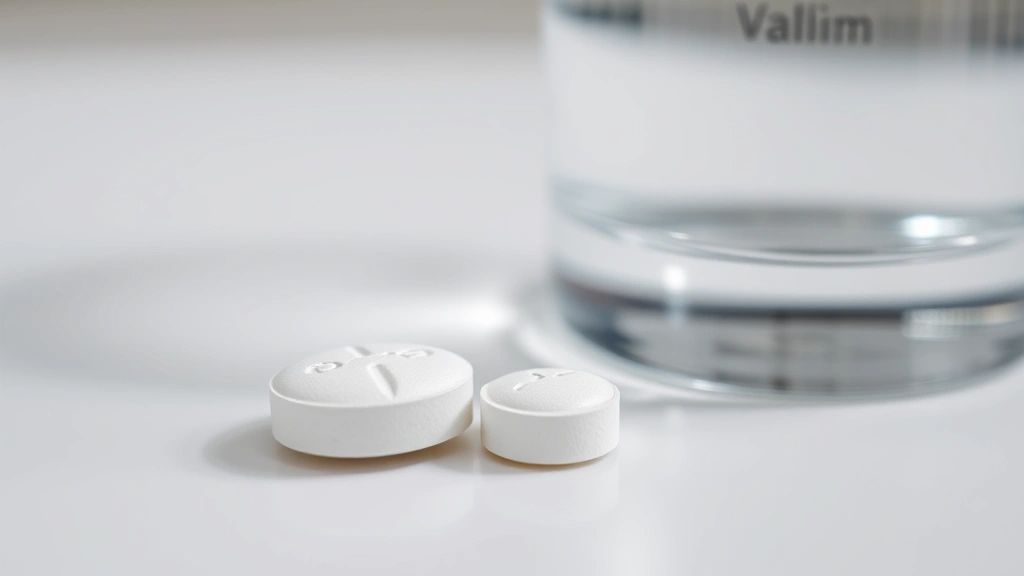
So you’re wondering how long does Valium take to kick in? Whether you’re dealing with anxiety, muscle tension, or preparing for a medical procedure, understanding the timeline of diazepam (Valium) is crucial for managing your expectations and health safely. This isn’t just about popping a pill and waiting—there’s real science behind how this benzodiazepine works in your body, and the answer depends on several factors that might surprise you.
Table of Contents
Onset Timeline Breakdown
Here’s the straight answer: Valium typically begins working within 15 to 60 minutes when taken orally, with most people feeling noticeable effects around the 30 to 45-minute mark. This isn’t instantaneous, and that’s important to understand. Your body needs time to absorb the medication through your digestive system, get it into your bloodstream, and transport it to your central nervous system where it does its work.
The drug reaches its peak concentration in your blood within 1 to 2 hours for standard oral tablets. But here’s the thing—you don’t need to wait for peak concentration to feel relief. Many people notice anxiety starting to ease within 30 minutes, which is why jumping to take another dose before the first one has time to work is a common mistake that leads to overdosing.
Factors Affecting How Fast It Works
Not everyone experiences the same timeline, and that’s where things get interesting. Your age, body weight, liver function, and overall metabolism play massive roles in how quickly Valium kicks in. Older adults typically experience effects faster and feel them more intensely because their bodies metabolize the drug differently. A 75-year-old and a 25-year-old taking the same dose will have completely different experiences.
Your stomach contents matter too. Taking Valium on an empty stomach speeds up absorption significantly—sometimes cutting the onset time in half compared to taking it with food. This is why timing your dose relative to meals can actually make a real difference in how quickly you feel relief. It’s similar to how timing affects cooking processes—the conditions around the action matter as much as the action itself.
Liver health is critical too. If you have any liver dysfunction or disease, Valium stays in your system longer and works differently. Your liver is responsible for breaking down diazepam, so compromised liver function means slower metabolism and prolonged effects.
Oral vs. Injectable Forms
If you’re getting Valium intravenously (IV) at a hospital or clinic, you’re looking at a completely different timeline. IV administration hits your system almost immediately—within seconds to a couple minutes. This is why hospitals use IV Valium for acute seizures or severe anxiety episodes where waiting 30 minutes isn’t an option.
Intramuscular injections fall somewhere in between, typically working within 15 to 30 minutes. But most people taking Valium at home are using oral tablets or liquid solutions, so you’re looking at that 15 to 60-minute window. The oral route is slower but more practical for ongoing anxiety management and home use.
Peak Effects and Duration Window
Understanding the difference between onset and peak is crucial. Onset is when you first start feeling it. Peak is when the effect is strongest. For oral Valium, that peak hits around 1 to 2 hours after you take it. The medication then stays in your system for quite a while—the half-life of diazepam is 30 to 56 hours, meaning your body takes that long to eliminate half of the dose.
This extended half-life is both a benefit and a consideration. On one hand, you get sustained relief. On the other hand, it accumulates in your system if you’re taking multiple doses daily, which is why consistent dosing schedules matter and why doctors are careful about long-term Valium use.
What You’ll Actually Feel
When Valium starts kicking in, the experience varies. Most people describe a gradual warming, relaxation sensation. Muscle tension eases first—that’s often noticeable within 20 to 30 minutes. Anxiety relief typically follows shortly after. Your mind gets quieter, racing thoughts slow down, and that constant background worry dims.
Some people feel drowsiness, though this isn’t universal. Concentration might get fuzzy. Your reflexes slow down. This is why you absolutely shouldn’t drive or operate machinery after taking Valium—even if you feel fine, your reaction time is compromised. It’s similar to how you need to account for drying time when cleaning materials—you can’t rush the process or ignore the timeline.
Metabolism and Individual Differences
Your genetics play a role here too. Some people are fast metabolizers of benzodiazepines, while others are slow metabolizers. This isn’t something you can control, but it’s why the same dose hits different people at different speeds and intensities. Genetic variations in liver enzymes mean your body might process Valium much faster or slower than the average person.
Weight matters as well. Valium is fat-soluble, meaning it stores in fatty tissue. Someone weighing 140 pounds will experience different kinetics than someone weighing 240 pounds taking the same dose. This is why doctors adjust dosing based on body weight and individual factors.
Previous benzodiazepine use also affects timing. If you’ve been taking Valium regularly, your body becomes more tolerant, and you might not feel effects as quickly or as intensely as someone taking it for the first time. This tolerance builds gradually, which is one reason why benzodiazepines aren’t ideal for long-term use—you need increasingly higher doses to achieve the same effect.
Safety Considerations and Timing
Here’s where I need to be direct: never take a second dose because you think the first one isn’t working. This is how overdoses happen. Give the medication at least 45 to 60 minutes to work before even considering additional doses. Your impatience could literally be dangerous.
Also understand that mixing Valium with alcohol, opioids, or other central nervous system depressants is extremely risky. These combinations can slow your breathing dangerously and cause overdose. The timing becomes irrelevant when you’re combining drugs—the interaction is what matters, and it’s serious.
If you’re taking Valium regularly, consistency matters. Taking it at the same time each day helps your body maintain steady levels. Skipping doses or taking them irregularly means you’re constantly fighting variable absorption and metabolism, which defeats the purpose of the medication.
Food and Drink Interactions
I mentioned earlier that food slows absorption, but let’s dig deeper. A heavy meal can delay onset by 15 to 30 minutes compared to taking Valium on an empty stomach. High-fat foods have the most impact because they slow gastric emptying—your stomach takes longer to move contents into the small intestine where absorption happens.
Grapefruit juice is another consideration. If you’re drinking grapefruit juice regularly, it can interfere with how your liver metabolizes Valium, potentially increasing the drug’s effects and duration. It’s a weird interaction, but it’s real and documented.
Caffeine won’t speed up Valium’s onset, but it might counteract some of the calming effects. If you’re taking Valium for anxiety, drinking coffee right before or after isn’t doing yourself any favors. You’re working against the medication’s purpose. This timing consideration applies to other lifestyle factors too—just like understanding proper timing for plant care, medication timing requires respecting natural processes.
Frequently Asked Questions
Can I speed up how fast Valium works?
You can optimize conditions by taking it on an empty stomach, staying hydrated, and avoiding other substances that interfere with absorption. But you can’t fundamentally speed up your body’s chemistry. Trying to force faster results through higher doses or combinations is dangerous. Work within your body’s natural timeline.
Why does Valium sometimes feel like it’s not working?
Several reasons: you might be a slow metabolizer, you took it with food, you’re tolerant from previous use, or your expectations don’t match reality. Valium isn’t a knockout drug—it’s a gradual relaxation. If you’re expecting dramatic effects, you’ll be disappointed. Also, anxiety can mask the effects; you might be so focused on waiting for relief that you don’t notice it happening.
How long does Valium stay in your system?
The half-life is 30 to 56 hours, but that doesn’t mean you’re back to baseline after that time. It means half the dose is eliminated. A full week or more might pass before Valium is completely out of your system, especially with regular dosing. This is why stopping Valium suddenly is dangerous—your body has adapted to its presence.
Is it safe to take Valium before bed?
Yes, many people take it in the evening because the drowsiness actually helps with sleep. Taking it 30 to 60 minutes before bed gives it time to kick in. Just make sure you have a full night’s sleep ahead—you don’t want to be groggy the next day because you didn’t account for the timing.
What if Valium doesn’t kick in after an hour?
Contact your prescribing doctor. Don’t take more. There could be absorption issues, medication interactions, or individual factors affecting how it works for you. Your doctor might adjust the dose, change the timing, or investigate other causes of your symptoms.
Can I take Valium on a full stomach?
Yes, but it will take longer to work—potentially 45 to 90 minutes instead of 30 to 45 minutes. If timing is critical, an empty stomach is better. But if you have stomach sensitivity, taking it with food is reasonable; just expect delayed onset.
Wrapping It Up
How long does Valium take to kick in? The answer is 15 to 60 minutes for most people, with peak effects around 1 to 2 hours. But this timeline is personal. Your age, weight, metabolism, liver function, stomach contents, and previous benzodiazepine use all influence when and how intensely you feel the effects.
The key is patience and understanding. Don’t rush the process by taking extra doses. Don’t mix it with alcohol or other depressants. Take it consistently at the same time if you’re on a regular schedule. And work with your doctor if the timeline or effects don’t match your expectations.
Valium is effective when used correctly, but effectiveness depends on respecting the biological timeline. Your body isn’t a machine you can command—it’s a system with its own pace. Work with that pace, not against it, and you’ll get better results and safer outcomes.
For more information about medication timing and safety, consult resources like the FDA’s official medication information, speak with your pharmacist about your specific situation, or check MedlinePlus for comprehensive drug information. Your healthcare provider is always your best resource for personalized timing and dosing questions.


