
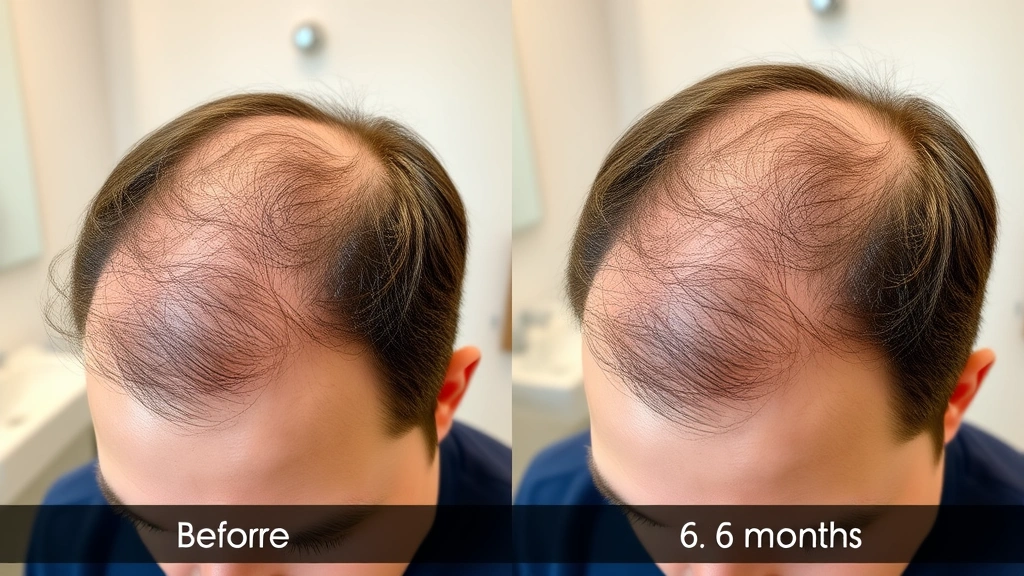
So you’re wondering how long does minoxidil take to work—and honestly, that’s the million-dollar question everyone asks when they start treatment. The short answer? It’s a waiting game, but not as long as you might think. Most people see initial results between 2-4 months, with significant improvements showing up around 4-6 months of consistent use. But here’s the thing: patience and proper application are everything. Let me walk you through exactly what to expect, when to expect it, and how to make sure you’re doing this right.
Table of Contents
Timeline: What to Expect
Let’s get real about minoxidil’s timeline. This isn’t a magic potion that works overnight—it’s a legitimate pharmaceutical treatment that requires commitment. The FDA-approved timeline shows that meaningful hair regrowth typically happens between months 4-12, but you’ll start noticing smaller changes much earlier if you know what to look for.
Think of minoxidil like tending a garden. You can’t see the roots growing underground for weeks, but that doesn’t mean nothing’s happening. The same applies here. Your hair follicles are waking up and shifting into growth mode even when you can’t visually confirm it yet.
First Month Reality Check
During month one, don’t expect dramatic changes. Seriously. Your hair follicles are just starting to respond to the minoxidil. What you might notice instead is some initial shedding—and this freaks people out, but it’s actually a good sign. This is called the “shedding phase,” and it means old, weak hairs are making room for newer, stronger ones to grow in.
Your scalp might feel slightly tingly or sensitive during the first week or two as your skin adjusts to the treatment. Some people experience mild itching or dryness. This usually settles down after a few days. Keep your scalp clean and avoid other harsh treatments during this adjustment period.
Months Two & Three Growth
Now things start getting interesting. By week 8-12, you should begin noticing some real changes. Hair that was shedding is being replaced by finer, lighter hairs—these are your new growth hairs. They’ll be shorter and thinner than your existing hair, but they’re coming in, and that’s what matters.
Many people report that their hair feels slightly thicker during this window. You might notice new baby hairs along your hairline or in areas where you had thinning. The hair you’re growing is still developing and strengthening, so don’t judge the final results yet. It’s like watching a young plant shoot up—it’s still got some growing to do before it reaches full maturity.
Months Four to Six Peak
This is when most people see their most noticeable improvements. Your new hairs have had time to grow longer and thicker. The density improvement becomes obvious, especially if you compare photos from month one to month four. Your hairline might look fuller, or your crown might show better coverage. This is the sweet spot where the effort really starts paying off visually.
The hair you’re growing is now reaching a thickness and length where it blends better with your existing hair. You’re not just seeing new growth anymore—you’re seeing actual restoration happening. Some people report that they can style their hair differently now because they have more to work with.
Six Months & Beyond
After six months of consistent use, you’ve hit the plateau where most of the visible improvement has occurred. Some people continue seeing gradual improvements up to month 12, but the biggest gains happen in that 4-6 month window. Beyond a year, the benefits typically plateau, and you’re mainly maintaining what you’ve gained.
This is important: minoxidil is a maintenance medication. Once you stop using it, you’ll gradually lose the benefits you’ve gained. Hair that regrew with minoxidil will eventually shed if you discontinue treatment. So you need to commit to ongoing use if you want to keep your results.
Application Consistency Matters
Here’s where most people stumble. The timeline I just gave you? That assumes you’re applying minoxidil exactly as directed—typically twice daily, every single day. Missing applications or being inconsistent dramatically extends your timeline or prevents results altogether.
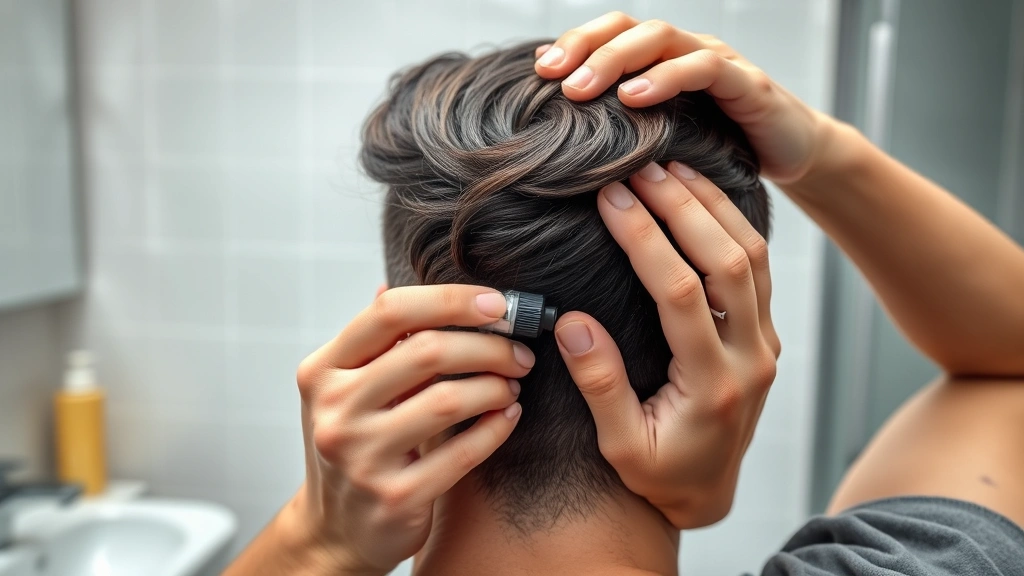
Apply it to a clean, dry scalp. Part your hair to expose the affected area, then apply the recommended dose (usually 1mL for the liquid version). Massage it gently into your scalp for about a minute. Don’t wash your hair for at least 4 hours after application—the minoxidil needs time to absorb and work. Many people apply it right before bed so they don’t have to worry about washing it out immediately.
Temperature matters too. Minoxidil works better when your scalp is at normal temperature. Avoid applying it right after a hot shower or intense exercise when your scalp is overheated. Wait 30 minutes for your scalp to return to normal temperature.
Individual Variation Factors
Not everyone’s timeline is identical. Several factors influence how quickly you’ll see results. Age plays a role—younger people often respond faster than older folks. The severity of your hair loss matters; if you’ve only been losing hair for a year or two, you’ll likely see better results than someone who’s been bald for a decade.
Your genetics influence your response too. If your family members responded well to minoxidil, you probably will too. The location of hair loss also matters—minoxidil tends to work better on the crown than on the hairline, though it can help with both.
Hormonal factors, stress levels, diet, and overall health all play supporting roles. Someone who’s sleeping well, eating properly, and managing stress might see results slightly faster than someone who’s running on fumes. This isn’t minoxidil’s fault—it’s just biology.
The Shedding Phase Explained
I mentioned this earlier, but it deserves its own deep dive because it scares people away from continuing treatment. The initial shedding phase (usually weeks 2-8) happens because minoxidil accelerates your hair growth cycle. Hairs that were in the resting phase get pushed into the shedding phase so new hairs can grow.
This is temporary. You’re not losing permanent hair—you’re losing hair that was going to fall out anyway, just on a faster timeline. The hairs falling out are typically thinner, shorter, and weaker than what’s coming in to replace them. If you see increased shedding in month one or two, that’s actually a positive sign that the minoxidil is working.
The shedding phase usually lasts 2-8 weeks. After that, your hair should stabilize, and you’ll start seeing the new growth phase. Don’t bail on treatment during this window—that’s when most people give up, thinking minoxidil isn’t working. Stick it out.
Maintenance & Long-Term Use
After you’ve hit your results plateau around month 6-12, you shift into maintenance mode. This means continuing your twice-daily applications indefinitely to keep your gains. It’s not glamorous, but it’s the reality of minoxidil treatment.
Many people find it easier to maintain than to start. You’re not waiting for results anymore—you’re just preserving them. Set phone reminders if you’re forgetful. Keep your minoxidil in a visible spot in your bathroom so you don’t forget. Some people use a pill organizer or weekly dispenser to track their applications.
Long-term minoxidil use is considered safe. Side effects are typically mild and localized to the scalp—itching, dryness, or irritation. Systemic side effects are rare when used as directed. However, you should still check in with your dermatologist annually to make sure everything’s going smoothly.
Frequently Asked Questions
Can minoxidil work faster if I use more than directed?
No. Using more minoxidil than recommended won’t speed up results—it’ll just increase your risk of side effects. Stick to the prescribed dose. More isn’t better; consistency is.
What if I don’t see results after 6 months?
Some people are non-responders to minoxidil—roughly 25-30% of users see minimal results. If you’ve been consistent for 6 months with no improvement, talk to your dermatologist about alternative treatments like finasteride (Propecia) or other options. You might also consider combining minoxidil with other treatments for better results.
Can I use minoxidil on my beard or eyebrows?
Minoxidil is FDA-approved for scalp use only, though some people use it off-label for beards and eyebrows. If you’re interested in that, talk to your dermatologist first. For eyelash growth, check out our guide on how long it takes for eyelashes to grow back—there are specific treatments designed for that purpose.
Does minoxidil work better for men or women?
Minoxidil works for both, but response rates vary. Men typically see slightly better results on the crown, while women often see good results across the scalp. Women should use the 2% concentration unless directed otherwise by their dermatologist.
What happens if I miss a few days of application?
Missing a day or two won’t derail your progress, but it’ll slow things down. Your hair growth cycle doesn’t pause—it keeps moving forward. Consistent, daily application is what drives results. If you miss applications regularly, expect your timeline to extend significantly.
Can I combine minoxidil with other hair loss treatments?
Yes, many dermatologists recommend combining minoxidil with finasteride (Propecia) for better results. Minoxidil works on hair growth, while finasteride addresses the hormonal component of hair loss. Together, they often produce better outcomes than either alone. Always consult your dermatologist before combining treatments.
Is minoxidil permanent?
The results are temporary. Once you stop using minoxidil, you’ll gradually lose the hair you regrew over a period of several months. The hair you grew back with minoxidil was dependent on the treatment to keep growing. Your original hair loss pattern will resume if you discontinue use.
The Bottom Line on Minoxidil Timeline
So, how long does minoxidil take to work? You’re looking at 2-4 months for initial signs, 4-6 months for noticeable improvement, and up to 12 months for maximum results. But here’s what really matters: consistency beats everything else. Apply it twice daily, every single day, and you’ll give yourself the best shot at success.
Don’t get discouraged by the initial shedding phase or the slow first month. That’s normal. The real magic happens between months 4-6 when everything clicks together and you start seeing actual hair restoration. After that, you’re in maintenance mode, keeping what you’ve gained by sticking with your routine.
If you’re considering minoxidil, start now. The sooner you begin, the sooner you’ll see results. And remember—this is a marathon, not a sprint. Your patience will pay off.


