
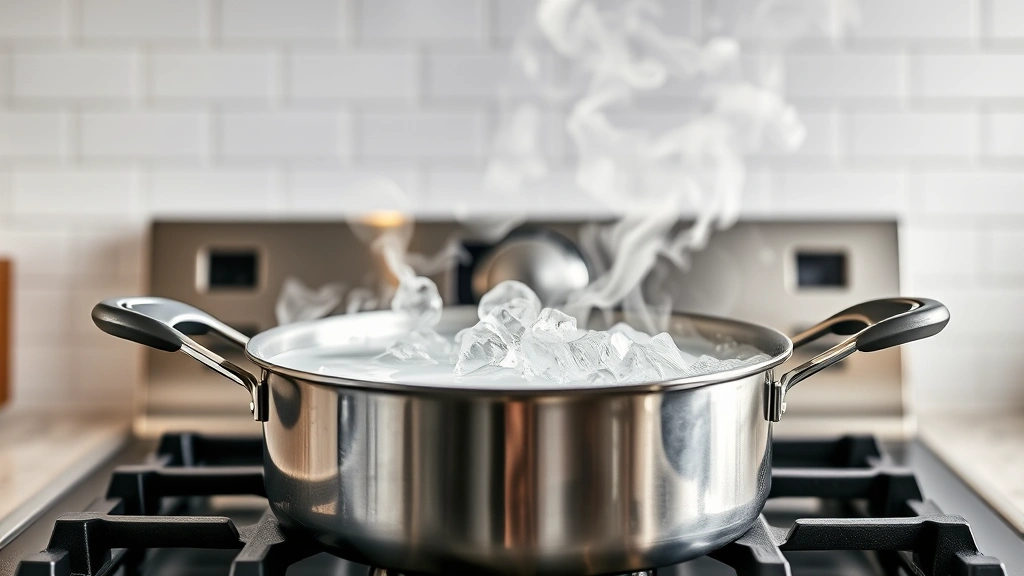
So you’re standing in your kitchen wondering how long does it take water to boil—and honestly, it’s one of those questions that seems simple until you realize the answer depends on about a dozen different factors. Let me break it down for you like we’re troubleshooting a project together, because boiling water might seem basic, but there’s real science and practical know-how that’ll save you time and frustration.
Table of Contents
The Quick Answer
Here’s the straight truth: a typical kettle of water (about 1-2 quarts) takes 5-10 minutes to boil on a standard stovetop. If you’re using an electric kettle, you’re looking at 3-5 minutes. But that’s the surface answer—the real time depends on what you’re actually working with.
The variables are real. We’re talking about water temperature when you start, how much water you’ve got, what vessel you’re using, your elevation, and whether your burner is cranked to max or sitting at medium. It’s like asking “how long does it take to paint a room?” The answer changes based on the room size, paint type, and whether you’re using a brush or roller.
Factors That Affect Boiling Time
Let me walk you through the variables that actually matter. First, starting water temperature makes a huge difference. Cold tap water takes longer than water that’s already been sitting at room temperature. Some people even start with hot tap water to shave off a couple minutes—not the most efficient, but it works.
The type of pot or kettle you’re using changes the game too. A thin-bottomed stainless steel pot heats faster than a heavy cast iron Dutch oven. Wide, shallow pans heat water faster than tall, narrow ones because you’ve got more surface area exposed to heat. It’s about heat transfer efficiency, same principle as why a wide skillet cooks faster than a deep saucepan.
Your stovetop matters. Gas burners deliver heat differently than electric coils, which differ from smooth-top electric ranges. And don’t get me started on induction cooktops—they’re in a league of their own for speed. If you’re using an electric kettle with a heating element submerged directly in the water, you’re getting maximum efficiency.
Elevation Changes Everything
Here’s where things get interesting from a physics standpoint. Water boils at different temperatures depending on your elevation. At sea level, water boils at 212°F (100°C). But if you’re living in Denver (the mile-high city), water boils at about 202°F (94°C). Up in the mountains? It gets even lower.
This matters because lower boiling points mean water takes longer to reach a rolling boil, even though the actual boiling temperature is lower. It’s counterintuitive, but the atmospheric pressure is doing less work pushing down on the water, so molecules escape more easily but at a lower temperature. If you’re cooking at elevation, you’ll notice pasta and vegetables take longer to cook too.
Water Volume Matters More Than You Think
Let’s talk volume because this is where most people underestimate time. A single cup of water? You’re looking at 1-3 minutes. A full kettle (about 1.5 quarts)? That’s 5-10 minutes on a stovetop. A large pot with 2 gallons of water for steaming broccoli or cooking pasta? You’re easily at 15-20 minutes.
The relationship isn’t linear either. Doubling the water doesn’t double the time because the heat is still being applied to the bottom. But it does add significant time. It’s like filling a bathtub versus a sink—more volume means more energy needed to reach temperature.
Pro tip: if you’re making tea or just need hot water for something quick, fill your kettle only as much as you need. Sounds obvious, but I see people boiling a full kettle when they only needed enough for one cup. That’s wasted time and energy.
Heat Source Comparison
Let me give you real-world timing based on different setups. These are ballpark figures for about 1 quart of room-temperature water:
Electric kettle: 3-5 minutes. These are the fastest because the heating element is surrounded by water. Maximum efficiency.
Stovetop on high heat: 5-10 minutes depending on pot material and burner type. Gas burners tend to be slightly faster than electric coils.
Induction cooktop: 3-7 minutes. Induction is incredibly efficient at transferring heat directly to the pot.
Microwave: 2-4 minutes for a cup of water. Not ideal for large quantities, and you need to be careful about superheating.
Slow cooker: 30-45 minutes on high. If you need boiling water from a slow cooker, you’ve got bigger problems.
Ways to Speed Up Boiling
Want to cut your boiling time? Here are legitimate tactics that actually work:
Start with hot tap water. Your tap water might already be 120-140°F. You’re starting closer to the finish line. This saves 1-3 minutes depending on your situation.
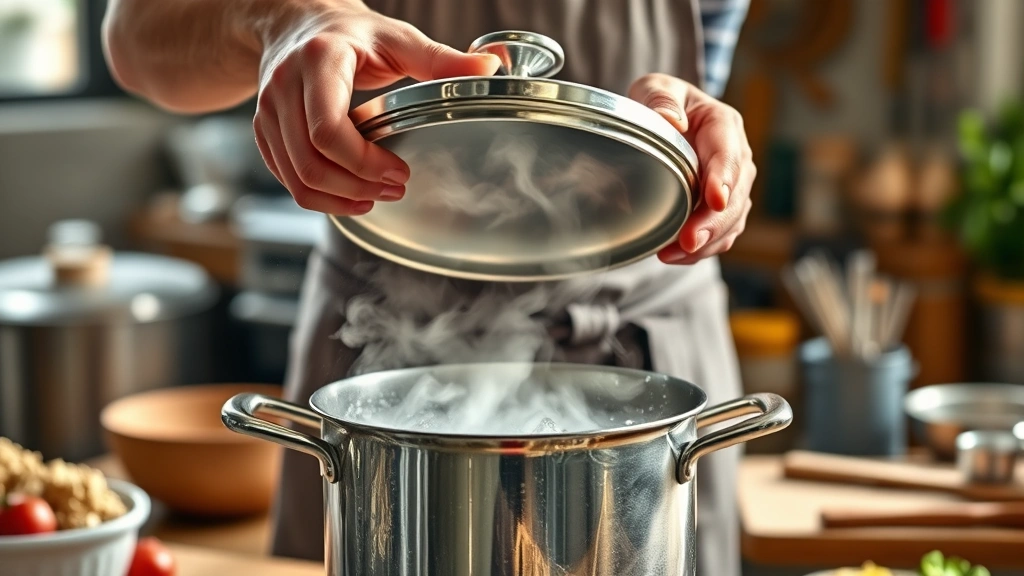
Use a lid. Covering your pot traps steam and heat, reducing boiling time by about 25-30%. Once it boils, you can remove the lid if needed.
Use the right vessel. A thin-bottomed stainless steel pot beats a thick cast iron pot every time for speed. Flat bottoms make better contact with your heat source than curved bottoms.
Maximize heat transfer. Make sure your burner matches your pot size. A small pot on a huge burner wastes heat around the edges. A large pot on a tiny burner means inefficient heating.
Add salt strategically. This is controversial, but salt raises the boiling point slightly (to about 213°F), so it actually makes water take slightly longer to boil. Add salt after boiling if you’re cooking pasta, not before.
When you’re working on projects like timing for cooking chicken legs, understanding water boiling helps you plan your prep work better.
Rolling Boil vs Gentle Boil
Here’s a distinction that matters: reaching boiling point (212°F at sea level) versus achieving a rolling boil. Water starts boiling at 212°F—you’ll see small bubbles forming. But a rolling boil is when you’ve got vigorous, continuous bubbling across the entire surface.
Getting to 212°F might take 5 minutes. Achieving a true rolling boil might take another 2-3 minutes of heating. For most cooking purposes, you don’t need a rolling boil. A gentle boil works fine for pasta, vegetables, and most recipes. The rolling boil is more dramatic and visible, which is why people often aim for it, but it’s not always necessary.
How to Test if Water’s Actually Boiling
Don’t just rely on what you think you see. Watch for these signs:
Large, vigorous bubbles. Small bubbles forming on the bottom of the pot aren’t boiling—that’s just heating. You need bubbles rising from the bottom to the surface continuously.
Steam rising noticeably. Once water’s boiling, you’ll see visible steam rising from the surface. That’s water vapor escaping.
The sound changes. Boiling water makes a distinct sound—a rolling rumble or hiss. If your pot is silent, it’s probably not boiling yet.
The lid rattles. If you’ve got a lid on and it’s vibrating or moving from the steam pressure, you’re definitely boiling.
Common Boiling Mistakes
I see people make the same boiling errors repeatedly. Let me call them out:
Not starting with a lid. If you’re not covering your pot, you’re adding 30% to your boiling time unnecessarily. It’s the simplest speed hack and people skip it.
Using a pot that’s too big. Boiling 2 cups of water in a 5-gallon pot takes forever because the heat spreads out. Match your vessel to your volume.
Leaving the burner on medium. If you want to boil water, crank it to high. Medium heat is for simmering, not boiling. You’re just wasting time.
Starting with cold water from the tap. If you’re in a hurry, at least use warm tap water. It’s a simple time-saver.
Not accounting for elevation. If you’re at elevation and wondering why water takes so long to boil, check your altitude. You might need to adjust your expectations and cooking times.
For projects involving heat and timing, like making apple cider, understanding boiling water is essential to getting the process right.
Frequently Asked Questions
Does salt really make water boil faster?
No, this is a persistent myth. Salt actually raises the boiling point slightly, making water take marginally longer to boil. The myth probably comes from the fact that salt water is used in cooking and people notice it boils differently, but it’s actually slower, not faster. Add salt after boiling if you’re cooking pasta.
Why does water take longer at high altitude?
At higher elevations, atmospheric pressure is lower, so water molecules escape into vapor form more easily but at a lower temperature. This means water boils at a lower temperature (around 202°F in Denver instead of 212°F at sea level), but it takes longer to reach that boiling point because the pressure difference is less dramatic.
Is it safe to microwave water to boiling?
Yes, but be careful. Microwaving can cause superheating—water gets hotter than boiling point without actually boiling. When you add something to it or disturb it, it can suddenly boil violently. To avoid this, place a wooden stick or microwave-safe object in the water while heating, and let it cool slightly before using.
How much does a lid actually help?
A covered pot boils about 25-30% faster than an uncovered one. It’s one of the easiest ways to save time. Just remember to remove the lid carefully once it starts boiling to avoid steam burns.
Can you boil water in a slow cooker?
Technically yes, but it takes 30-45 minutes on high, which defeats the purpose. Slow cookers are designed for gentle, prolonged heating, not rapid boiling. If you need boiled water, use literally any other method.
Does the type of water matter?
Distilled water boils at the same temperature as tap water (212°F at sea level), but tap water with minerals might take slightly longer due to the dissolved solids. The difference is minimal—we’re talking seconds, not minutes. Hard water and soft water boil at essentially the same rate.
The Bottom Line
So how long does it take water to boil? For most everyday situations, expect 5-10 minutes on a stovetop, 3-5 minutes in an electric kettle. But the real answer depends on your specific setup: how much water, what vessel, your heat source, starting temperature, and your elevation.
The practical takeaway? Use a lid, start with hot tap water if you’re in a hurry, and match your pot size to your water volume. These simple adjustments can cut your boiling time by a third. And if you’re at elevation, give yourself extra time and adjust your cooking expectations accordingly.
Whether you’re prepping for comfort food recipes or just trying to make a quick cup of tea, understanding the variables behind boiling water makes you a more efficient cook. It’s one of those foundational kitchen skills that seems simple on the surface but has real depth when you dig into it.


