

If you’re dealing with a headache, fever, or body aches, you’ve probably reached for Tylenol and wondered: how long does it take Tylenol to work? The short answer is that most people feel relief within 30 minutes to an hour, but the full story involves several factors that can speed up or slow down that timeline. Let me walk you through exactly what happens in your body when you take this common pain reliever, and how you can maximize its effectiveness.
Table of Contents
How Tylenol Works in Your Body
Tylenol contains acetaminophen (also called paracetamol outside the US), which works differently than other over-the-counter pain relievers. When you swallow a tablet, it travels down your esophagus to your stomach, where it begins breaking down. Your digestive system absorbs it, and it enters your bloodstream. From there, it travels to your brain and spinal cord, where it affects pain perception and temperature regulation. This is why Tylenol works well for both pain and fever—it targets the same pathways. The drug doesn’t reduce inflammation like ibuprofen does, which is an important distinction if you’re dealing with an injury.
Typical Onset Timeline
Here’s the real-world breakdown: most people taking a standard 500mg tablet of Tylenol will start noticing pain relief within 30 to 45 minutes. Full effects typically kick in around the 60-minute mark. However, this assumes you’ve taken it on an empty or relatively empty stomach. If you’ve just eaten a large meal, absorption slows down, and you might not feel relief until 90 minutes or even 2 hours later. Peak concentration in your bloodstream happens around 30-60 minutes after taking it, which is when you’ll feel maximum relief. The effect then gradually diminishes over the next 4-6 hours, which is why the standard recommendation is to wait at least 4 hours between doses.
Factors That Affect Speed
Several variables influence how quickly Tylenol works for you personally. Your stomach contents matter significantly—taking it with food slows absorption. Your age plays a role too; younger people typically process medications faster than older adults. Body weight affects dosing and effectiveness, which is why children’s formulations exist. Metabolism varies between individuals based on genetics and liver function. Dehydration can slow the process, while staying hydrated helps your body process the medication more efficiently. Even your stress level and pain intensity can influence perception of relief, though they don’t change the actual pharmacology. If you’re taking other medications, some can interact and affect how quickly Tylenol works. This is why reading the label and understanding your personal health situation matters.
Different Formulations Compared
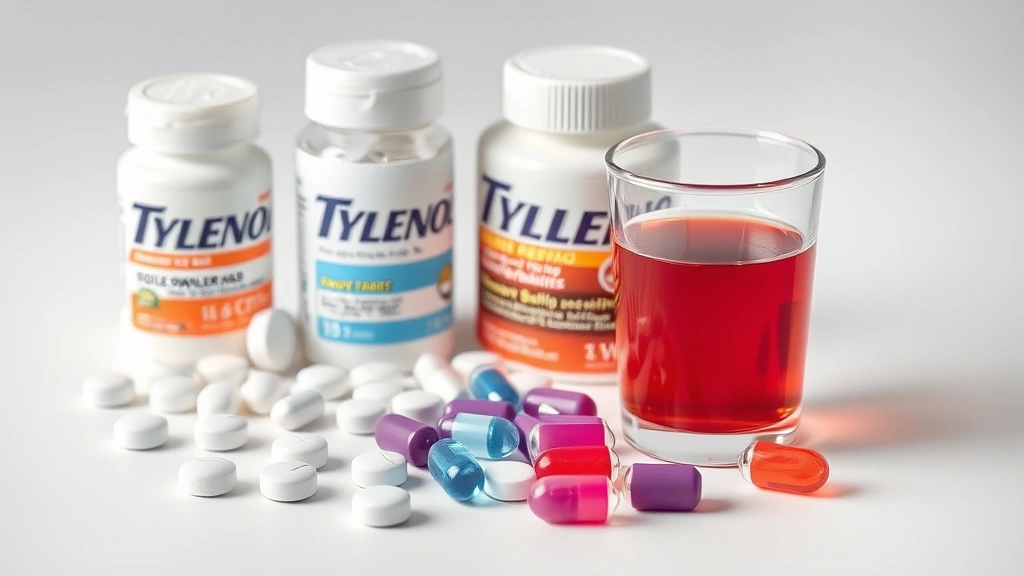
Not all Tylenol products work at the same speed. Regular tablets take the standard 30-60 minutes. Caplets are similar, though some people absorb them slightly faster due to the coating. Liquid formulations, like the cherry-flavored syrup, typically work faster—often within 15-30 minutes—because they’re already partially broken down and absorb more quickly through your digestive system. Extended-release tablets are designed to work slowly over 8 hours, so they’re not your choice when you need fast relief. Gel caps fall somewhere in the middle, usually working within 30-45 minutes. If you need the fastest relief, liquid formulations are your best bet, though they’re messier to carry around. For most people dealing with everyday headaches, regular tablets are perfectly adequate.
Maximizing Tylenol Effectiveness
Want faster relief? Take these practical steps. First, take Tylenol on an empty stomach or with just water—skip the food for at least an hour before or after. Second, drink plenty of water; dehydration slows everything down. Third, use the liquid formulation if you need the absolute fastest relief. Fourth, don’t wait until pain is severe; Tylenol works better when you take it early, before pain becomes intense. Fifth, avoid taking it with caffeine unless you specifically choose a formulation that includes it—some research suggests caffeine can enhance pain relief. Sixth, keep your environment calm and comfortable; stress and sensory overload can make you feel pain more acutely, even if the medication is working. If you’re dealing with a headache, try lying down in a dark room for 15-20 minutes after taking it. These aren’t magic tricks, but they optimize your body’s ability to process and benefit from the medication.
When Relief Isn’t Working
If you’re not feeling relief after 90 minutes to 2 hours, something’s off. First, check that you took the correct dose—the standard is 325-650mg per dose for adults, up to 3,000-4,000mg per day. If you took it with a large meal, that’s likely the culprit; try again on an empty stomach next time. If you’re dealing with severe pain and Tylenol isn’t cutting it, you might need a different approach. Consider whether you should be taking ibuprofen instead, which has anti-inflammatory properties that Tylenol lacks. For injuries like those described in our guide about how long a sprained wrist takes to heal, inflammation reduction is crucial. If pain persists for more than a few days or gets worse, that’s your signal to see a healthcare provider. Chronic headaches or persistent fevers need professional evaluation, not just over-the-counter medication.

Safety Considerations Matter
Here’s what people often get wrong about Tylenol: it’s safe when used correctly, but it’s also easy to overdose on because it’s in so many products. Acetaminophen appears in cold medicines, flu medicines, combination pain relievers, and more. If you’re taking multiple products without checking labels, you could accidentally exceed the daily maximum of 3,000-4,000mg, which damages your liver. Never exceed the recommended dose thinking it’ll work faster—it won’t, and you’ll just increase your risk of side effects. If you have liver disease, drink alcohol regularly, or are pregnant, talk to your doctor before using Tylenol. Some people are allergic to acetaminophen, though true allergies are rare. More common are side effects like mild nausea or dizziness in sensitive individuals. The key is respecting the medication and following label instructions, not treating it as harmless just because it’s available without a prescription.
Alternatives to Consider
Tylenol isn’t your only option for pain relief. Ibuprofen (Advil, Motrin) and naproxen (Aleve) are NSAIDs that work faster for some people and also reduce inflammation, making them better for injuries and conditions like bone bruises. Aspirin is another option, though it’s less commonly used now. The choice between Tylenol and NSAIDs depends on your specific situation—Tylenol is gentler on the stomach, while NSAIDs are better for inflammation. Some people find combining approaches works better; for example, taking Tylenol and ibuprofen together (at different times to avoid overdosing) can provide better pain control than either alone. Non-medication approaches matter too: ice packs, heat therapy, stretching, massage, and rest all contribute to pain management. For infections, antibiotics are necessary—if you’re curious about how those work, check out our guide on how long antibiotics take to work. The best approach often combines multiple strategies rather than relying on medication alone.
Frequently Asked Questions
Can I take Tylenol on an empty stomach?
Yes, absolutely. In fact, taking Tylenol on an empty stomach helps it work faster because there’s nothing slowing down absorption. Just make sure you’re not sensitive to stomach upset—if you are, take it with a small snack or glass of milk.
Is liquid Tylenol really faster than tablets?
Yes, liquid formulations typically work 15-30 minutes faster than tablets because they’re already partially broken down and don’t require your stomach to dissolve a solid form. If speed is critical, liquid is your best choice.
How long does Tylenol stay in your system?
Tylenol has a half-life of about 2-3 hours, meaning half the dose is eliminated from your body in that timeframe. Most people have cleared it within 6-8 hours, which is why pain relief typically lasts 4-6 hours.
Can I take Tylenol every day?
Short-term daily use is generally safe, but long-term daily use isn’t recommended without medical supervision. If you need pain relief every single day, that’s a sign you should see a doctor to address the underlying issue.
Does Tylenol work better with food or without?
Without food works faster for pain relief. However, if you have a sensitive stomach, a small amount of food can help prevent nausea without significantly delaying absorption.
What’s the difference between Tylenol and generic acetaminophen?
There’s no meaningful difference. Generic acetaminophen contains the exact same active ingredient and works identically. The brand name just costs more. Check the label to ensure dosage matches what you need.
Can children take Tylenol?
Yes, but dosing is based on weight, not age. Children’s formulations are specifically designed with appropriate doses. Never give a child adult-strength Tylenol without consulting a pediatrician first.
Why isn’t my Tylenol working?
Common reasons include: you took it with a large meal (slows absorption), you’re dehydrated, you have a condition Tylenol isn’t designed to treat, or you’re experiencing a placebo effect in reverse. Try taking it on an empty stomach with water next time, and if pain persists, consult a healthcare provider.
Final Thoughts
Understanding how long it takes Tylenol to work puts you in control of your pain management. Most people feel relief within 30-60 minutes when taken correctly on an empty stomach. The key variables are formulation type, stomach contents, hydration level, and individual metabolism. Liquid formulations work fastest, while food slows everything down. Remember that Tylenol works best when you take it early, before pain becomes severe, and that it’s safe only when you respect the dosing guidelines and avoid accidentally taking it in multiple products simultaneously. If Tylenol isn’t cutting it, consider whether an NSAID like ibuprofen might be more appropriate for your situation, especially if inflammation is involved. And if you’re dealing with pain that persists for days or gets progressively worse, that’s your cue to see a healthcare professional rather than self-medicating indefinitely. Pain is your body’s signal that something needs attention—medication helps manage it while you address the root cause.


