

So you’re wondering how long does it take to walk a 5K—and honestly, that’s the right question to ask before you lace up those sneakers. Whether you’re training for your first 5K event, planning a weekend adventure, or just curious about your fitness level, the answer depends on several factors that we’ll break down in detail.
Table of Contents
Average Walking Times Explained
Let’s cut straight to it: the average person walks a 5K (3.1 miles) in about 45 to 60 minutes. That breaks down to roughly a 15-minute mile, which is a comfortable, sustainable pace for most adults. But here’s the thing—that’s just the baseline. Your actual time could be anywhere from 30 minutes if you’re speed-walking like a champion, to 90 minutes or more if you’re taking your sweet time and enjoying the scenery.
For context, a leisurely stroll puts you at around 2.5 miles per hour, while a brisk walk hovers around 3.5 to 4 miles per hour. Race walkers—yeah, those folks in the Olympics—can hit 5 mph or faster, but that’s a specialized technique most of us won’t master without serious training.
Factors That Affect Your Pace
Your 5K walking time isn’t just about putting one foot in front of the other. Multiple variables come into play, and understanding them helps you set realistic expectations. Your current fitness level, body weight, muscle mass, and even your mood that day can shift your pace by 10-15 minutes either way.
Age matters more than people think. A 25-year-old and a 65-year-old might have completely different walking speeds, though plenty of older folks put younger people to shame on the trail. Your walking experience counts too—if you’ve been hitting the pavement regularly, your body knows the rhythm and can maintain speed more efficiently than someone just starting out.
Fitness Level Breakdown
Let’s talk specifics based on where you’re starting from. If you’re sedentary or just getting back into movement, expect 60-90 minutes for your first 5K. That’s not slow—that’s smart. You’re building a foundation and teaching your body what it’s capable of.
If you exercise regularly but haven’t focused on walking specifically, you’re probably looking at 45-60 minutes. Your cardiovascular system already knows what’s up, so you’ve got a head start. For folks who walk or run consistently, 35-45 minutes is realistic. And if you’re already training seriously—whether that’s running, cycling, or intense walking programs—you might crush it in 30-40 minutes or less.
The jump from beginner to intermediate isn’t just about speed; it’s about endurance and mental toughness. Your body adapts quickly to regular walking, usually within 4-6 weeks of consistent training.
Age and Gender Considerations
Research shows that men tend to walk slightly faster than women on average, but the difference is smaller than you’d think—usually just 5-10%. More important is consistency and training. A 50-year-old woman who trains three times a week will likely beat a 30-year-old guy who never exercises.
Age does play a role though. Peak walking speed typically occurs in your 30s and 40s. By your 60s and 70s, you might naturally slow down by 10-20% due to changes in muscle mass and joint flexibility. But here’s the encouraging part: regular training can minimize that decline significantly. Plenty of people in their 70s and 80s complete 5Ks in under an hour.
Terrain and Weather Impact
A flat, paved path is your friend. Walking a 5K on a smooth sidewalk or track is fundamentally different from tackling a trail with hills, roots, and uneven ground. That trail might add 10-20 minutes to your time, and it’s not because you’re slow—it’s because your body is working harder to maintain balance and navigate obstacles.
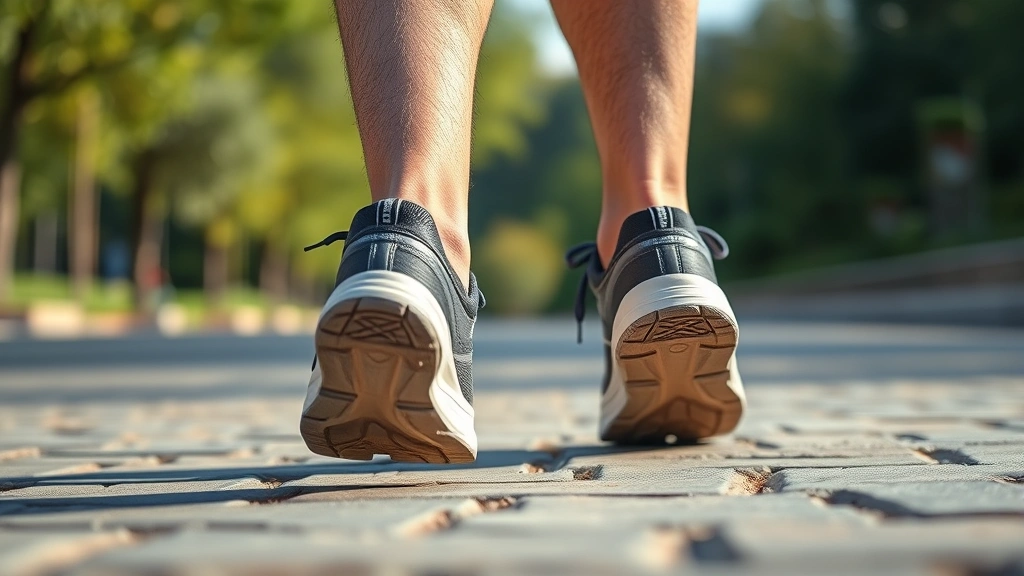
Weather throws another wrench in the works. Heat and humidity slow you down because your body diverts energy to cooling itself. Cold weather can actually help, though extreme cold causes muscle stiffness. Wind is a silent killer—a strong headwind can slow your pace by 5-10%. Rain on pavement? Slippery and slower. Rain on a trail? Significantly slower and more treacherous.
Elevation matters too. If your 5K includes hills, add 5-15 minutes depending on the grade and your fitness level. Walking uphill burns more calories and requires more effort, but the payoff is a stronger lower body and better cardiovascular adaptation.
Training to Improve Your Time
Want to shave time off your 5K? The good news is that walking speed responds well to training. Most people can improve by 10-20% over 8-12 weeks with consistent effort. Here’s what works: mix steady-paced walks with interval training. Spend one day doing a longer walk at a comfortable pace, another day doing shorter, faster intervals, and a third day doing tempo walking—sustained effort at a faster-than-normal pace.
Strength training matters more than people realize. Building stronger legs, glutes, and core muscles directly translates to faster, more efficient walking. Add 2-3 sessions per week of bodyweight exercises or light weights, and you’ll notice improvements within weeks.
Flexibility and mobility work prevents injuries and helps you maintain good form when you’re tired. Spend 10 minutes after each walk stretching your calves, hamstrings, hip flexors, and quads. Your knees and hips will thank you, and you’ll move more efficiently.
Pacing Strategies That Work
Start slower than you think you need to. Seriously. A common mistake is burning out in the first mile because you went out too fast. Aim for a pace you could theoretically sustain for twice the distance. If you’re targeting 50 minutes for your 5K, that’s roughly a 16-minute mile—comfortable enough to hold a conversation but challenging enough to feel like you’re working.
Break the distance into mental chunks. Instead of thinking about 3.1 miles, break it into mile markers. Hit the first mile, reassess how you feel, then focus on the next segment. This psychological trick keeps you from getting overwhelmed.
Use landmarks. If you’re walking on a familiar route, pick visual markers—the big oak tree, the mailbox, the corner store—and focus on reaching those rather than staring at your watch. Time moves faster when you’re engaged with your surroundings.
Race Day Tips for Success
Walk the course beforehand if possible. Knowing where the hills are, where the turns happen, and what the surface is like removes surprises on race day. You’ll pace yourself better and won’t waste energy being caught off-guard by terrain changes.
Get proper shoes—not running shoes necessarily, but good walking shoes with proper arch support. Blisters and foot pain will wreck your time faster than anything else. Break in your shoes with several training walks before race day.
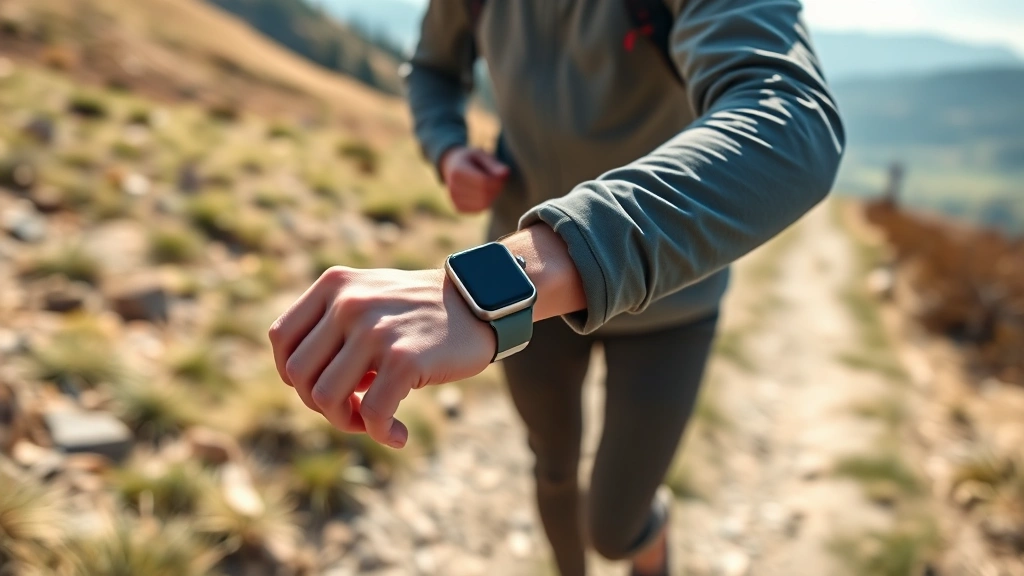
Fuel appropriately. For a 5K walk that takes 45-60 minutes, you probably don’t need to eat during the walk, but hydration matters. Have water at the halfway point if possible, or carry a small bottle. Start your walk well-hydrated, not chugging water right before you go.
Dress in layers. You’ll warm up as you get moving, so wear something you can shed if needed. Cotton holds sweat; go with moisture-wicking fabrics instead. And don’t forget sunscreen—you’ll be out there longer than a runner, so UV protection is legit important.
Frequently Asked Questions
Is walking a 5K in 60 minutes considered good?
Absolutely. A 60-minute 5K walk is right at the average for most adults, which means you’re doing just fine. If you’re over 50, under 40, have mobility issues, or are just getting started with fitness, that’s genuinely solid. Don’t compare yourself to Instagram fitness influencers—compare yourself to where you were last month.
Can I walk a 5K every day?
Yes, but ease into it. If you’re new to walking, start with 3-4 days per week and build up. Your feet, knees, and hips need recovery time, especially if you’re pushing the pace. Once you’re adapted, daily walks are great for cardiovascular health and mental wellbeing. Just listen to your body—pain (not to be confused with the good burn of exertion) is a sign to take a rest day.
What’s the difference between walking and speed walking a 5K?
Speed walking (or race walking) involves a specific technique: one foot must always be in contact with the ground, your arm swing is exaggerated and purposeful, and your pace is typically 4+ mph. Regular walking is more casual—you can let your arms hang naturally, your pace is slower (2.5-3.5 mph), and there’s no strict technique. Speed walking burns more calories and builds more muscle, but regular walking is easier to sustain and easier on your joints.
Does body weight affect 5K walking time?
Yes, it does. Carrying extra weight requires more energy to move the same distance, so heavier individuals typically walk slower. But here’s the encouraging part: training and consistency matter way more than starting weight. A 250-pound person who trains consistently will beat a 160-pound couch potato every time. Plus, regular walking helps with weight management, creating a positive feedback loop.
How do I know if I’m walking too fast?
Simple: the talk test. You should be able to speak in complete sentences without gasping for breath. If you can only manage a few words at a time, you’re pushing too hard. If you could recite the Gettysburg Address without breaking a sweat, you could probably go faster. That sweet spot—conversational pace—is where most people should spend their training time.
Will walking a 5K help me lose weight?
It contributes to it, yes. A 150-pound person burns roughly 240-300 calories walking a 5K at a moderate pace. That’s meaningful, especially if you do it regularly. Combined with decent nutrition, consistent walking is an effective weight management tool. You won’t see dramatic changes in weeks, but over months, regular walking absolutely helps.


