
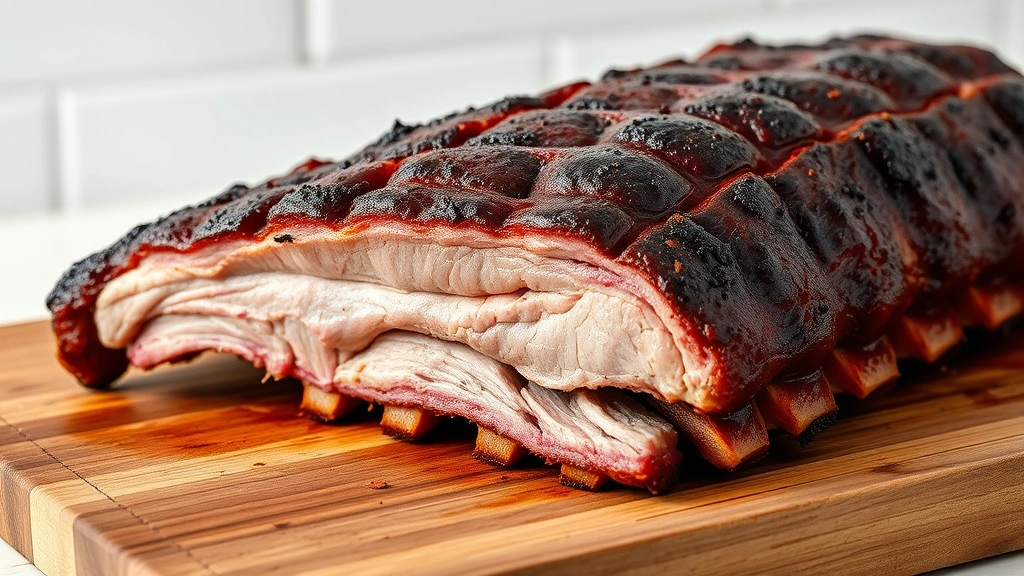
If you’re wondering how long does it take to smoke ribs, the answer depends on your method, rib type, and smoker setup—but most folks are looking at anywhere from 5 to 7 hours for fall-off-the-bone perfection. I’ve spent plenty of time tending a smoker, and I can tell you that timing is everything when you’re chasing that pink smoke ring and tender meat that slides right off the bone.
Table of Contents
Timing Basics for Smoked Ribs
The standard smoking time for ribs sits around 5 to 7 hours at 225°F to 250°F. Baby back ribs typically finish faster (around 5 hours), while beef short ribs or St. Louis cut ribs might push closer to 6 to 7 hours. The key variable is your smoker’s consistency—if you’re fighting temperature swings, add an extra 30 to 60 minutes to your estimate.
I always tell people: don’t watch the clock, watch the meat. Temperature and doneness matter far more than hitting some magic number. That said, having a ballpark timeframe helps you plan your day and manage expectations with hungry guests waiting around the patio.
Different Rib Types Matter
Baby back ribs are the smallest and most tender option, usually running 3 to 6 pounds per rack. They’re forgiving and cook faster than their bigger cousins. St. Louis cut ribs are trimmed from spare ribs and sit in the middle—meatier than baby backs but still manageable. Beef short ribs are the heavyweight champion; they’re thick, meaty, and can take 7 to 8 hours to reach that ideal tenderness.
Here’s the breakdown: baby backs need roughly 5 hours, St. Louis cuts need about 5.5 to 6 hours, and beef short ribs demand 7 to 8 hours. If you’re smoking a mixed rack, aim for the longest cook time and pull the faster-cooking ribs when they’re done. You can always keep them warm wrapped in foil while the others finish.
The 3-2-1 Method Explained
This is the gold standard for rib smoking, and it’s saved countless backyard cooks from guesswork. The method breaks down like this: 3 hours unwrapped in smoke, 2 hours wrapped in foil with butter and brown sugar, and 1 final hour unwrapped to set the bark and glaze.
The first 3 hours is where your smoke ring develops and the meat absorbs all that smoky flavor. During the 2-hour wrap phase, the ribs steam in their own juices and the meat gets incredibly tender—this is when most of the collagen breaks down. That final hour firms up the surface and lets any sauce caramelize beautifully. I’ve used this method hundreds of times, and it rarely disappoints.
Temperature Control is Key
Maintaining a steady 225°F to 250°F is non-negotiable if you want predictable timing. Every 25-degree swing can add or subtract 30 minutes from your cook. Cheaper smokers with poor insulation will test your patience here—invest in a quality thermometer (not the built-in dial) and consider a water pan to stabilize temps.
If your smoker runs hot, you’ll finish faster but risk drying out the meat. If it runs cold, you’re looking at a longer day, but you’ve got more margin for error. I prefer running at 240°F as a sweet spot—hot enough to keep things moving, cool enough to render fat slowly and build flavor.
When Your Ribs Are Done
The bend test is your best friend here. Pick up the rack with tongs—if it bends and the meat starts to crack and separate from the bones, you’re there. Alternatively, use the toothpick test: if a toothpick slides through the meat like butter between the bones, you’ve nailed it. The internal temp should hit around 195°F to 203°F, but honestly, texture matters more than numbers.
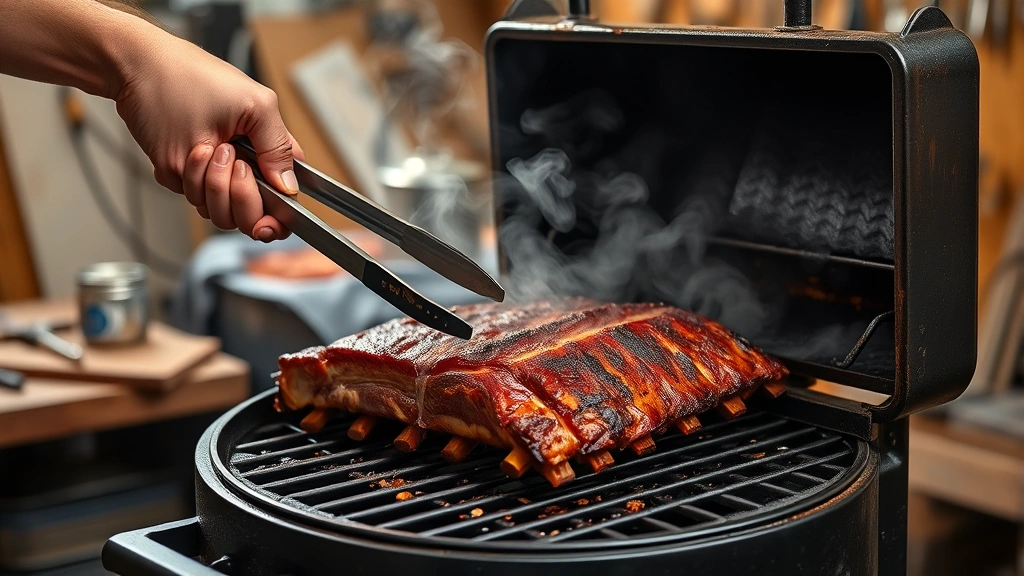
Some pitmasters swear by the “pull back” test—when the meat pulls back from the ends of the bones by about a quarter-inch, you’re golden. Don’t go for total fall-off-the-bone unless that’s your style; some folks prefer a slight chew that shows the meat’s still got some integrity.
Low and Slow Approach
If you’ve got all day and want maximum flavor development, drop your temp to 210°F and plan for 8 to 10 hours. This ultra-low-and-slow method is what competition pitmasters use when they’re chasing perfection. The meat develops incredible complexity, and you get a thicker bark with deeper smoke penetration.
The tradeoff is time and attention. You’ll need to monitor your smoker more closely at lower temps, and there’s a slightly higher risk of the meat stalling (hitting a temperature plateau where it seems stuck). But if you’re not in a rush and you want to impress serious barbecue enthusiasts, this is the path. Pair it with a quality charro beans recipe for sides that match the quality of your smoked ribs.
Rest and Serve Properly
Once your ribs hit that perfect tenderness, wrap them in foil and let them rest for 10 to 15 minutes. This isn’t wasted time—the carryover cooking continues, and the meat reabsorbs juices that got pushed to the surface during smoking. Cutting into ribs straight off the smoker is like opening a dam; resting lets everything settle.
After resting, slice between the bones and serve immediately. If you’re holding them for a crowd, keep them wrapped in foil in a warm cooler (around 140°F) for up to 2 hours without much quality loss. Pair your ribs with complementary sides like chipotle black beans or a refreshing beverage made from how to make apple cider for a complete meal.
Common Timing Mistakes
The biggest error I see is pulling ribs off too early because someone got impatient or the clock said it was time. Smoking ribs isn’t a microwave situation—you can’t rush tenderness. The second mistake is wrapping too tightly with foil, which traps steam and can overcook the surface. Use a loose wrap or butcher paper instead.
Another common trap is cranking the heat to speed things up. You’ll end up with tough, dried-out meat that no amount of sauce can salvage. Resist the urge. If you’re short on time, start earlier next weekend. Finally, don’t skip the rest period—it’s the difference between good ribs and restaurant-quality ribs that guests will still be talking about next month.
Frequently Asked Questions
Can I smoke ribs in 3 hours?
Not realistically at standard smoking temps. You might get baby backs to an acceptable texture in 4 to 5 hours, but you’d be pushing it and risking undercooked meat. Some folks use higher temps (275°F+) to speed things up, but you’ll sacrifice smoke flavor and tenderness. Patience is the real secret ingredient.
What’s the difference between 225°F and 250°F cook times?
At 225°F, expect about 6 to 7 hours for baby backs. At 250°F, you’re looking at 5 to 6 hours. That 25-degree difference typically saves you 30 to 60 minutes. The tradeoff is slightly less smoke ring at higher temps, but the difference is minimal if you’re using quality wood and maintaining good smoke production.
Should I wrap my ribs or leave them unwrapped?
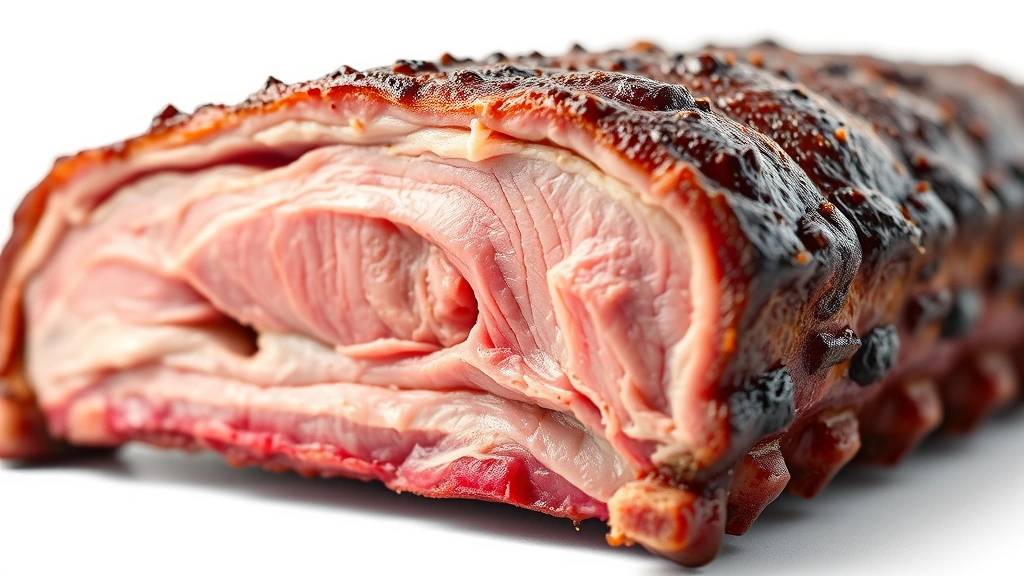
The 3-2-1 method (wrapping for the middle phase) is a solid compromise—you get smoke flavor from the unwrapped hours and tenderness from the steaming wrap phase. If you’re a purist, you can smoke unwrapped the entire time, but expect an extra 1 to 2 hours and a chewier final product. Wrapping definitely speeds things up.
How do I know if my ribs are done without a thermometer?
The bend test is your go-to. Grab the rack with tongs in the middle—if it bends and the meat cracks slightly at the surface, you’re done. The toothpick test works too: slide one between the bones, and if it glides through like butter, you’re there. After a few smokes, you’ll develop an instinct for it.
Can I smoke ribs overnight?
Absolutely. Set your smoker to 225°F before bed, load it up with fuel and wood, and let it run 8 to 10 hours overnight. You’ll wake up to perfectly smoked ribs. Just make sure your smoker is in a safe location away from your house, and use a reliable thermometer so you can monitor from inside if needed. Some folks use a how to disconnect a car battery setup to power a remote temperature monitoring system for peace of mind.
What wood should I use for smoking ribs?
Hickory, oak, and apple wood are classics for ribs. Hickory gives a strong, smoky flavor; oak is milder and more forgiving; apple adds a subtle sweetness. I like mixing hickory with apple for balance. Avoid softwoods like pine or cedar—they’ll make your ribs taste like a campfire. Use chunks or chips depending on your smoker type, and soak chips in water for about 30 minutes before adding them.
Should I mop or spritz my ribs while smoking?
It’s optional but helpful. Spritzing with apple juice or cider vinegar every 30 to 45 minutes keeps the surface moist and can prevent it from drying out. It also helps build a better bark. Some pitmasters skip it entirely and still get great results. If you do spritz, do it during the unwrapped phases—don’t open the smoker during the wrapped phase unless necessary.
Final Thoughts
So, how long does it take to smoke ribs? Plan for 5 to 7 hours at 225°F to 250°F using the 3-2-1 method, but stay flexible and cook to doneness rather than time. Baby backs move faster, beef ribs take longer, and your specific smoker will have its own quirks. Use a quality thermometer, nail your temperature control, and trust the bend test over the clock.
The beauty of smoking ribs is that there’s no rush—it’s a reason to slow down, tend the fire, and enjoy the process. Start early, invite friends over, and let the smoke work its magic. Once you’ve dialed in your timing on your particular smoker, you’ll be cranking out competition-level ribs every weekend. And if you want to round out the meal, a coffee syrup recipe makes an interesting glaze option for adventurous cooks.


