
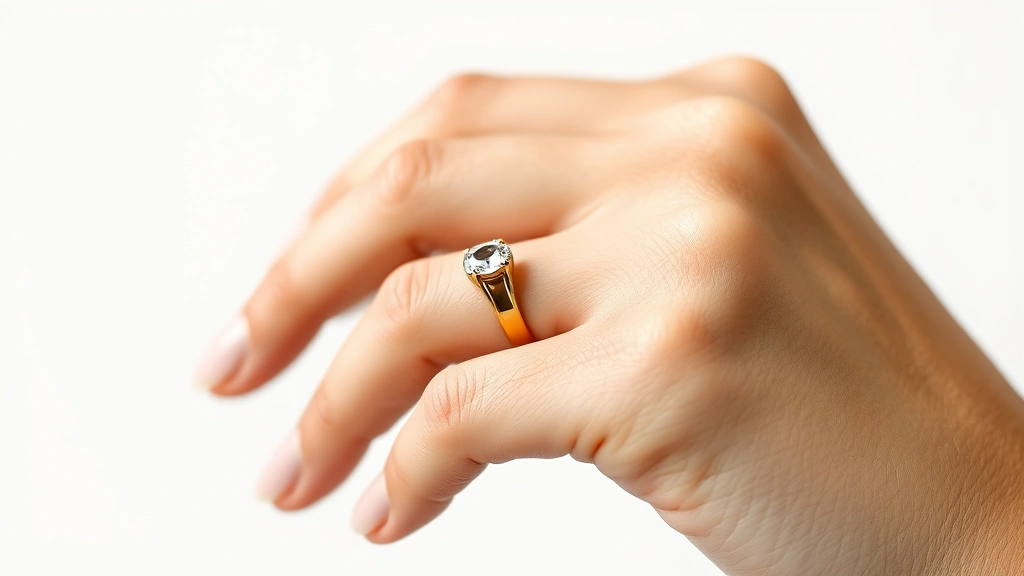
So how long does it take to resize a ring? The answer depends on whether you’re taking it to a jeweler or tackling it yourself in the workshop. Professional resizing typically takes anywhere from a few days to two weeks, while DIY methods can be completed in an afternoon if you’ve got the right tools and skills. Let me walk you through everything you need to know about getting that ring to fit just right.
Table of Contents
Professional Jeweler Timeline
When you hand your ring over to a jeweler, expect the turnaround time to range from 3 to 14 days, depending on their workload and the complexity of your ring. Most jewelers can knock out a straightforward resize in 2-3 days if they’re not swamped. However, if you’ve got an ornate vintage piece with intricate settings or gemstones that need careful handling, you’re looking at the longer end of that spectrum. Some high-end jewelers might take even longer because they’re meticulous about their craft.
The timeline also depends on whether the jeweler does the work in-house or sends it out. Many smaller jewelry shops contract with specialized ring-resizing artisans, which adds a few extra days to the process. Always ask upfront about their specific timeline—don’t assume. Some jewelers offer rush services for an extra fee if you need it faster.
DIY Resizing Methods
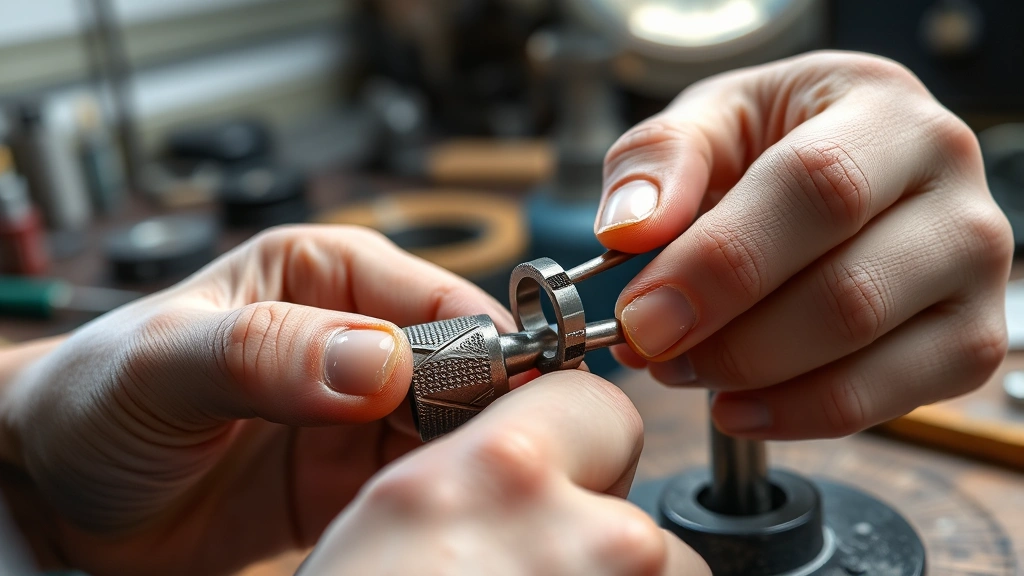
If you’re the hands-on type, you can resize a ring yourself using several methods. The most common DIY approach for making a ring smaller is using a ring mandrel and a jeweler’s file to gradually reduce the band size. This typically takes 1-3 hours depending on how much material you need to remove and your experience level. The key is patience—rushing this job leads to uneven sizing and a wonky-looking ring.
Another DIY method involves using a ring sizer insert, which is basically a plastic or metal band that goes inside the ring to make it fit tighter. This is the quickest solution and takes maybe 15 minutes to install. However, it’s temporary and won’t work for all ring styles, especially those with intricate inside details.
For enlarging a ring, DIY methods become trickier. You can carefully stretch the band using a jeweler’s hammer and mandrel, but this requires genuine skill to avoid damaging the ring or creating stress points that lead to cracking. Most folks should really leave enlargement to the professionals unless you’re working with a simple, solid band.
Tools and Materials Needed
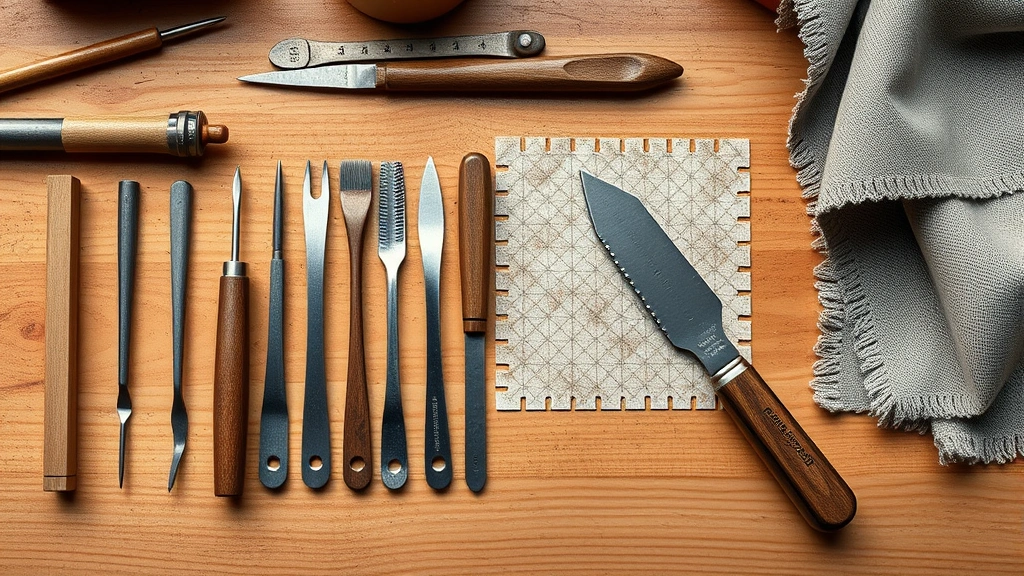
Before you start any DIY ring resizing project, gather your toolkit. You’ll need a jeweler’s mandrel (a tapered cone used for shaping rings), jeweler’s files in various grits, a jeweler’s saw with fine blades, sandpaper ranging from 220 to 2000 grit, and a small bench vise or clamp to hold the ring steady. A jeweler’s loupe helps you inspect your work as you go, and a polishing cloth keeps things clean between steps.
For finishing work, grab some jeweler’s rouge or polishing compound appropriate for your ring’s metal type. If you’re working with precious metals, you might want a jeweler’s pickle (an acidic solution) to clean the ring after heating. A small soldering torch and solder might be necessary if you’re cutting the band and need to rejoin it, though this is advanced work. Don’t skimp on quality tools—cheap files and saws will frustrate you and damage your ring.
Resizing Up vs Down
Making a ring smaller is generally the easier and faster DIY project. You’re simply removing material from the band, which is straightforward metalworking. The process involves marking where you need to cut, carefully sawing through the band, filing away material, and then either soldering the ends back together or using a sizing insert to close the gap. Most people can handle this in their home workshop.
Enlarging a ring is where things get complicated. You need to add material or stretch the existing band without compromising its structural integrity. Stretching works for some rings but can cause thinning and weakening of the metal. Adding material requires soldering new metal into the band, which demands real soldering skills and proper equipment. This is genuinely a job best left to professionals in most cases—the risk of ruining a cherished piece is just too high.
Ring Material Matters
The metal your ring is made from significantly impacts both the timeline and difficulty. Gold and silver are relatively forgiving metals for DIY resizing because they’re soft and workable. Platinum, while beautiful, is much harder and requires specialized tools and expertise—definitely a jeweler’s job. Stainless steel and tungsten are nearly impossible to resize without professional equipment.
If your ring contains gemstones, the timeline extends considerably because the jeweler needs to carefully protect those stones during the resizing process. Delicate stones like opals or emeralds require extra caution. A simple solitaire diamond setting might add just a day or two, while a vintage ring with multiple intricate settings could add a week. Always disclose all stone types and settings to your jeweler upfront.
Common Complications
Several issues can extend your ring resizing timeline. Soldering problems are common in DIY work—if your solder joint isn’t clean and strong, you might need to redo it. Uneven sizing happens when you remove material unevenly around the band, resulting in a ring that doesn’t sit properly on your finger. Stress cracks can develop if you’re too aggressive with stretching or filing.
Gemstone damage is perhaps the most serious complication. If you’re working on a ring with stones and accidentally apply too much heat or pressure, you could crack or discolor them. This is why most people choose professional resizing for anything with significant stones. If you encounter complications during DIY work, you’ll need to take it to a jeweler anyway, which defeats the purpose of doing it yourself.
When to Call a Pro
Know when to wave the white flag. If your ring contains valuable gemstones, especially heirloom pieces, take it to a professional. If you’re enlarging the ring by more than a half size, get professional help. If the ring is made from platinum, tungsten, or stainless steel, definitely go pro. Antique or vintage rings with intricate details deserve professional attention too.
Also consider your comfort level with precision work. If you’re someone who gets shaky with detailed tasks, or if you’ve never used jeweler’s tools before, starting with a valuable ring is a recipe for disaster. Practice on cheap costume jewelry first if you want to develop the skill. For rings that mean something to you—engagement rings, heirlooms, gifts—the peace of mind from professional work is worth the cost.
Cost Considerations
Professional ring resizing typically costs between $25 and $100 depending on the complexity and your location. Simple gold band resizing might be on the lower end, while complex work with multiple stones or precious metals costs more. Rush services add 25-50% to the price. Some jewelers charge by the amount of material they need to add or remove, while others charge a flat rate.
DIY resizing has upfront tool costs that can range from $50 to $200 if you’re starting from scratch, but those tools last for years and can be used on multiple projects. If you already have some jeweler’s tools, your material costs are minimal—just sandpaper and polishing compound, maybe $10-15. However, if something goes wrong and you need professional repair, you could end up spending far more than you would have initially.
Aftercare Tips
After your ring is resized, whether by you or a professional, treat it gently for the first week. If it was soldered, the joint needs time to fully set and harden. Avoid wearing it during activities where it might take impact or get wet. If you did the resizing yourself, inspect the work regularly for any signs of stress or movement.
Keep your resized ring clean and store it properly. Use a soft cloth to wipe it down regularly, and consider getting it professionally polished every year or two to maintain its shine. If you notice any looseness in the band or any cracks developing, get it checked by a jeweler immediately. A small problem caught early is much easier and cheaper to fix than waiting until the ring breaks.
Frequently Asked Questions
Can I resize a ring myself at home?
Yes, you can resize a ring yourself if you have the right tools and it’s a simple band without stones. However, it requires patience, precision, and some metalworking skill. For rings with gemstones or made from difficult metals like platinum, professional resizing is recommended to avoid damage.
How much does professional ring resizing cost?
Professional ring resizing typically costs $25 to $100, depending on the complexity of the work, the metal type, and whether stones are involved. Simple gold band resizing is usually cheaper than work on platinum or rings with multiple gemstones.
What’s the fastest way to resize a ring?
Using a ring sizer insert is the fastest method, taking about 15 minutes. For professional work, the fastest timeline is usually 2-3 days if the jeweler isn’t backed up. DIY resizing of a simple band typically takes 1-3 hours.
Can all rings be resized?
Most rings can be resized, but some are more difficult than others. Rings made from tungsten or stainless steel are nearly impossible to resize. Rings with certain stone settings might require special handling. Always consult with a jeweler about your specific ring.
Will resizing damage my ring?
Professional resizing shouldn’t damage your ring if done by a skilled jeweler. DIY resizing carries more risk, especially if you’re not experienced. Improper technique can cause stress cracks, uneven sizing, or damage to gemstones.
How long does a resized ring last?
A properly resized ring should last indefinitely. Professional resizing creates a permanent change to the ring’s size. DIY methods using inserts are temporary and may need replacement every few years depending on wear.
For more insights on how long various projects take, check out our guide on how long nail polish takes to dry, which follows similar patience-testing principles. If you’re interested in other body jewelry modifications, our article on how long a belly piercing takes to heal covers a different kind of personal jewelry work. You might also find our brake pad replacement guide useful if you’re the type who enjoys hands-on projects that require precision and patience. For additional DIY resources, visit our Fix How To section.
Final Thoughts
Ring resizing doesn’t have to be a mystery anymore. Whether you go the professional route or tackle it yourself, you now know what to expect in terms of timeline and complexity. For most people, especially those with valuable or sentimental rings, taking it to a trusted jeweler is the smart move. You’ll get professional results, peace of mind, and usually have your ring back within a week. If you’re the DIY type with simple gold bands and decent hand skills, you can absolutely handle it yourself and save some cash. Just remember: measure twice, cut once, and don’t rush the process. Your fingers—and your ring—will thank you.


