
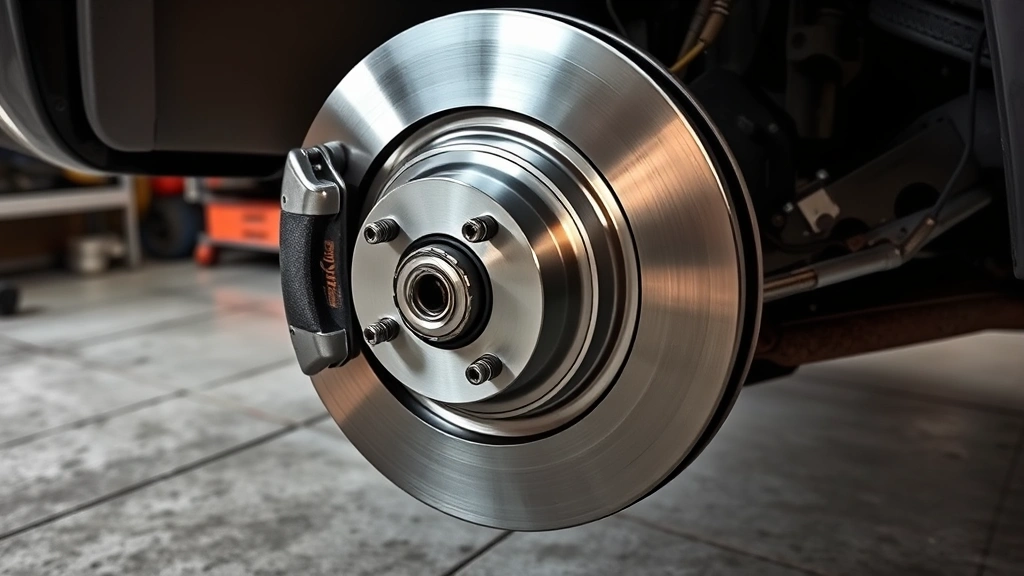
So you’ve got a brake pad replacement job ahead of you—maybe you heard that squealing noise, or your mechanic dropped the bad news. The big question: how long does it take to replace brake pads? The honest answer? Anywhere from 15 minutes to 2 hours, depending on your vehicle, your skill level, and whether you’re doing it yourself or taking it to a shop. Let’s break down what you’re actually looking at.
Table of Contents
Professional Shop Timeline
If you’re rolling into a dealership or independent mechanic, expect to be there for about 1 to 2 hours total. That’s not all hands-on work, though. You’re looking at maybe 30 to 45 minutes of actual labor time, with the rest eaten up by paperwork, waiting, and the shop’s workflow. Some quick-lube joints claim they can knock it out in 15 to 20 minutes if you’re lucky and they’re not swamped. Don’t believe all the marketing hype—rushed brake work isn’t something you want. A quality shop will take their time, inspect your rotors, and make sure everything’s right before you leave.
DIY Replacement Time
Here’s where it gets real. If you’re tackling this yourself in your driveway, plan on 45 minutes to 1.5 hours per axle (front or rear). Most people do the front first since that’s where 70% of your braking power comes from anyway. Front brake pads are usually easier to access than rear pads, especially on newer vehicles. Back pads might take longer because you’re contorted under the car or dealing with parking brake cables. Your first time? Budget extra time—maybe 2 to 3 hours total for all four wheels. Second time around, you’ll cut that in half.
Factors Affecting Duration
Not all brake pad jobs are created equal. Your vehicle’s make and model matters big time. A Honda Civic? Straightforward—you’re looking at the shorter end of the timeline. A luxury German sedan with complex brake systems? That’s a different beast. Brake pad type plays a role too. Organic pads are easier to install than ceramic or semi-metallic. Whether you’re replacing just the pads or also doing rotors and calipers changes everything. Rotor resurfacing or replacement can add 30 to 60 minutes per axle. Age and rust on your vehicle’s components slow things down. If you’re fighting corroded bolts or stuck calipers, you’re not leaving in 30 minutes.
Tools and Prep Required
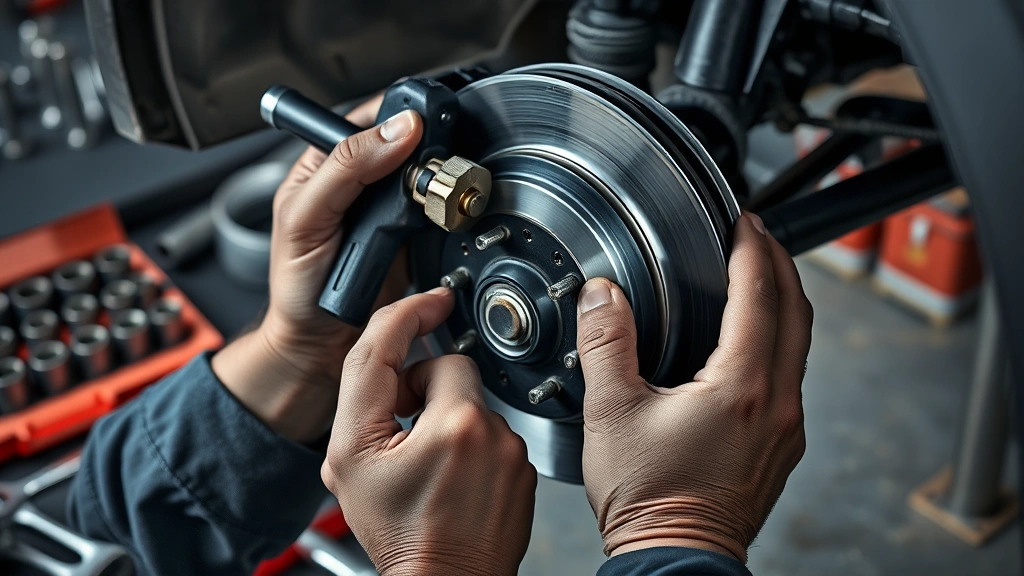
Before you even touch a wheel, gather your arsenal. You’ll need a jack and jack stands (non-negotiable for safety), a lug wrench, a socket set, a C-clamp or brake caliper tool, and possibly a screwdriver. Some vehicles need a special tool to compress the piston in the caliper—that’s extra time right there. Having everything laid out before you start saves 10 to 15 minutes of frustration hunting for that one socket. Clean your workspace, get good lighting, and have a clean rag nearby. Preparation isn’t wasted time; it’s invested time that keeps you moving smoothly.
Different Brake Pad Types
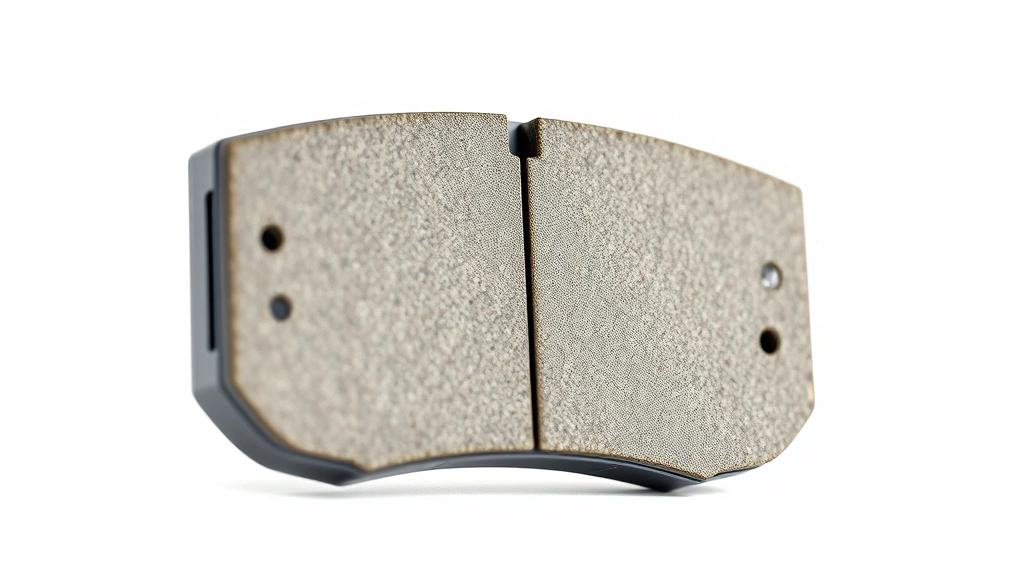
Organic pads are the easiest to install and the fastest. They’re softer, wear quicker, but they’re straightforward. Semi-metallic pads are tougher and last longer, but they’re a bit more involved. Ceramic pads? Premium stuff—they last the longest and run quieter, but installation is identical to organic. The pad type doesn’t really change your labor time; it’s more about longevity and performance. What does matter is whether you’re dealing with a single-piston caliper (older cars, easier) or a multi-piston setup (newer performance vehicles, slightly more complex). Understand your brake system before you start, and you won’t hit surprises mid-job.
Common Complications
Here’s where extra time sneaks in. Stuck caliper bolts? You’re soaking them with penetrating oil and waiting. Seized pistons? That’s a full caliper replacement, not just pads. Rotor damage you didn’t expect? Now you’re resurfacing or replacing. Brake fluid leaks discovered during the job? That’s a whole different project. Parking brake cables that need adjustment? Add 20 minutes. The moral: inspect everything as you go. If something looks wrong, stop and assess. Pushing through complications is how you end up with brake problems later.
Cost Versus Time Trade-off
DIY brake pad replacement costs you $30 to $100 in parts, plus your time and potential for mistakes. A professional shop charges $150 to $300 per axle, sometimes more at dealerships. That’s $300 to $600 for all four wheels. Your time is worth something—if you value your labor at even $20 an hour, a 2-hour DIY job costs you $40 in time plus parts. A shop costs triple that, but you get a warranty and peace of mind. For many people, especially first-timers, the shop route makes sense. For the DIY crowd who enjoys the work, you’re saving real money and learning your vehicle better. Just don’t rush it to save an hour.
When to Replace Pads
Don’t wait until your brakes are screaming or the warning light’s been on for months. Most pads last 25,000 to 70,000 miles depending on driving habits and pad quality. Listen for squealing—that’s your early warning. Feel for sponginess in the pedal—that’s a red flag. Check your pad thickness visually if you can. The moment you notice issues, schedule the work. Catching it early means you might only replace pads, not rotors too. Procrastinating turns a 1-hour job into a 3-hour job because now you’ve got rotor damage. Similar to how replacing an AirTag battery is simple when you do it proactively, brake maintenance is easier when you stay ahead of it.
Frequently Asked Questions
Can brake pads be replaced in 30 minutes?
Yes, if you’re a seasoned mechanic, the vehicle cooperates, and you’re only doing one axle. For most people, 30 minutes is optimistic. Budget at least 45 minutes per axle to do it right without rushing.
Is it cheaper to do brake pads yourself?
Absolutely. Parts cost $30 to $100 total. A shop charges $150 to $300 per axle. If you have basic mechanical skills and the right tools, DIY saves you $200 to $400. The trade-off is your time and the responsibility if something goes wrong.
Do I need special tools to replace brake pads?
Basic tools—jack, socket set, wrench, C-clamp—get you 90% there. Some vehicles need a caliper piston tool or brake bleeding equipment. Check your vehicle’s manual before starting. It’s not like waiting for super glue to dry; you need the right equipment to do it safely.
Should I replace all four brake pads at once?
Best practice? Yes. Even if only the fronts are worn, doing all four ensures balanced braking. It takes only slightly longer than doing two wheels, and you avoid a return trip in six months.
What if I find rotor damage during the job?
Stop and assess. Light scoring can be resurfaced (add 30 to 60 minutes). Heavy damage requires replacement (add another 30 to 45 minutes per axle). Budget time for inspection before you commit to a timeline.
Can I drive immediately after replacing brake pads?
Yes, but gently. New pads need a break-in period—avoid hard braking for the first 100 to 200 miles. This helps them seat properly on the rotor. It’s not like waiting for nail polish to dry; it’s a gradual process.
How long do brake pads last after installation?
Depends on the pad type and your driving. Organic pads: 25,000 to 50,000 miles. Semi-metallic: 40,000 to 70,000 miles. Ceramic: 50,000 to 80,000 miles. City driving with lots of braking wears them faster than highway cruising.
Final Thoughts
So, how long does it take to replace brake pads? The real answer depends on your situation. At a shop, expect 1 to 2 hours total time. DIY? 45 minutes to 1.5 hours per axle if you know what you’re doing, longer if you’re learning. The time investment is worth it—brakes are safety-critical, and doing it right matters more than doing it fast. Whether you’re tackling this yourself or handing it to a pro, don’t cut corners. Your brakes are literally what keep you and everyone else on the road safe. Take the time, do it right, and you’ll have confidence in your vehicle’s stopping power. For more on tackling projects with the right timeline expectations, check out how long it takes to build a house for perspective on bigger undertakings, or explore how long cement takes to dry if you’re planning a driveway project alongside your brake work.


