
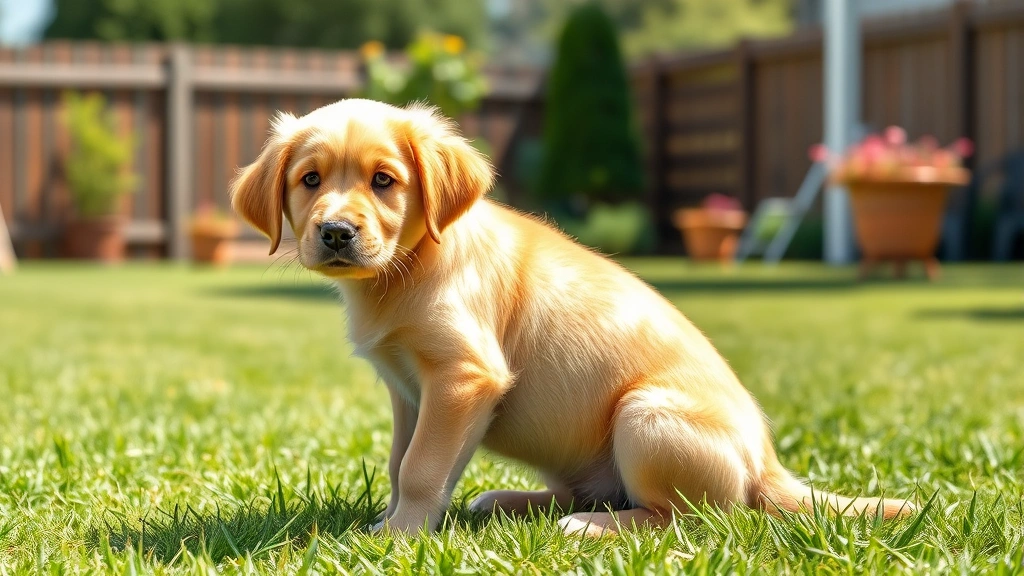
How long does it take to house train a puppy? Most puppies can be reliably house trained between 4 to 6 months old, though some take up to a year or longer. The timeline depends on breed, consistency, patience, and your pup’s individual development. Think of it like learning a new skill—some folks pick it up fast, others need more repetition. The good news? With the right approach, you’ll see real progress within weeks.
Table of Contents
Understanding the Puppy Timeline
Let’s be real—house training a puppy isn’t a sprint, it’s a marathon. Your new furry friend doesn’t wake up one day magically knowing where the bathroom is. Their brain is still developing, their bladder is tiny, and they’re learning an entirely new language (yours). The timeline for house training varies wildly depending on what you’re starting with. A 6-week-old pup has virtually zero bladder control. A 4-month-old has more, but still limited. By 6 months, most puppies are capable of holding it for reasonable periods. By a year, most are reliably trained—though some breeds and individual dogs take longer.
The National Association of Dog Obedience Instructors suggests that puppies under 12 weeks old simply cannot physically hold their bladder for extended periods. This isn’t stubbornness or lack of intelligence. It’s biology. So if you’re expecting your 8-week-old to go all night without an accident, you’re setting yourself up for frustration.
Age Matters Most
Your puppy’s age is the single biggest factor in house training timeline. Here’s the breakdown:
8-12 weeks old: Expect frequent accidents. Your pup can hold it for maybe 1-2 hours. Plan on taking them outside 8-10 times daily. Yes, that’s a lot, but it’s the reality. This is also when you start building the foundation—establishing routines and positive associations with outdoor bathroom breaks.
3-4 months old: Bladder control improves slightly. Most puppies can now hold it for 2-3 hours. You’re looking at 6-8 outdoor trips daily. Progress becomes visible. Accidents drop significantly if you’re consistent.
4-6 months old: This is the sweet spot for many puppies. Most can hold it 3-4 hours. You might reduce outdoor trips to 4-6 times daily. Many owners see dramatic improvement during this window. Some puppies are nearly reliably trained by month 5 or 6.
6-12 months old: Your puppy can now hold it 4-6+ hours. By this age, most puppies are reliably house trained during the day. Nighttime training often takes longer—sometimes until 6-12 months or beyond.
12+ months old: Most dogs are fully house trained. If your pup isn’t by now, you might be dealing with a specific issue (medical, anxiety, or inconsistent training).
Bladder Control Basics
Here’s the thing about puppy bladders—they’re not just small, they’re also underdeveloped. A puppy’s sphincter muscles (the ones that control bladder release) aren’t fully mature until around 12-16 weeks old. Before that, your pup literally can’t hold it for long, no matter how well-trained they are.
There’s an old rule of thumb: puppies can hold their bladder for one hour per month of age, plus one. So a 2-month-old can hold it roughly 3 hours. A 3-month-old, about 4 hours. A 4-month-old, about 5 hours. This isn’t a hard rule—some puppies are ahead, others behind—but it gives you a realistic baseline.
Sleep changes the equation. When puppies sleep, their bladder fills slowly and they have less control. Most puppies under 4 months old will have nighttime accidents. This doesn’t mean they’re failing at house training. It means their bodies aren’t ready yet. Many owners don’t achieve reliable nighttime training until 5-6 months or later.
Consistency Is Everything
You want to know the fastest way to house train a puppy? Be consistent. Boring answer, but it’s the truth. Puppies thrive on routine. They learn patterns. If you take them out at the same times every day, they’ll start anticipating those trips. Their bodies will actually adapt to the schedule.
This means:
Same times daily: Take your puppy outside first thing in the morning, after meals, after naps, before bedtime, and several times throughout the day. Same times. Every single day. Your puppy’s digestive system will sync to the schedule.
Same location: Use the same outdoor spot for bathroom breaks. Your puppy will recognize the smell and understand what’s expected. This is powerful stuff.
Same command: Use a consistent phrase like “go potty” or “do your business.” Puppies learn language. They’ll start associating the command with the action.
Same reward: Praise enthusiastically and offer a treat immediately after they go outside. This creates a positive association. Your puppy learns: outside bathroom = good things happen.
Inconsistency is the enemy. If sometimes you take them out after meals and sometimes you don’t, they won’t learn the pattern. If some family members praise accidents and others punish them, your puppy gets confused. Everyone in the household needs to follow the same protocol.
Crate Training Foundation
Crate training and house training go hand-in-hand. Dogs have a natural instinct not to soil their sleeping area. A properly sized crate (big enough to stand, turn around, and lie down—but not so big they can pee in one corner and sleep in another) becomes your puppy’s den. They’ll naturally avoid having accidents in there.
The crate serves multiple purposes. During the day, when you can’t supervise, the crate prevents accidents and reinforces bladder control. At night, it keeps accidents contained and signals to your puppy that sleep time means holding it. When you’re away, the crate keeps your pup from having free rein to have accidents all over the house.
Don’t use the crate as punishment. Make it a positive space. Leave the door open during the day. Toss treats in. Let your puppy nap there voluntarily. When the crate is positive, your puppy won’t mind spending time there, and the natural den instinct kicks in.
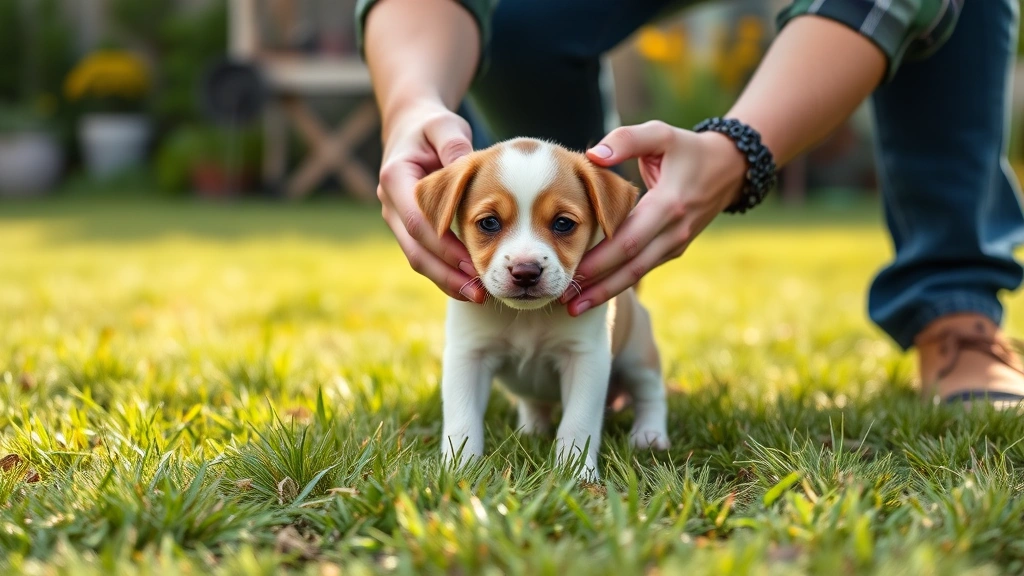
Outdoor Routine Schedule
Here’s a realistic daily schedule for a 3-month-old puppy:
6:00 AM: Wake up, immediate outdoor trip. Puppies almost always need to go first thing.
6:30 AM: Breakfast, then another outdoor trip 15-20 minutes later (puppies typically go 15-30 minutes after eating).
9:00 AM: Outdoor trip after morning playtime.
12:00 PM: Lunch, then outdoor trip.
2:00 PM: Outdoor trip after afternoon nap.
5:00 PM: Dinner, then outdoor trip.
7:00 PM: Outdoor trip after evening playtime.
10:00 PM: Final outdoor trip before bed.
That’s roughly 8 trips daily. Yes, it’s exhausting. But this consistency is why puppies trained this way often show progress within 2-3 weeks. As your puppy ages, you’ll gradually reduce the frequency.
Accidents Happen—Stay Calm
Your puppy will have accidents. Multiple accidents. This is not failure. This is puppyhood. How you respond to accidents matters enormously.
If you catch the accident in progress: Calmly interrupt with a gentle “uh-uh,” scoop them up, and take them outside immediately. Let them finish outside, then praise. Don’t yell or get angry. Fear doesn’t teach house training—it just teaches your puppy to hide their accidents.
If you find an accident after the fact: Do absolutely nothing. Your puppy won’t connect your anger to something that happened 10 minutes ago. Punishing after the fact only teaches fear and confusion. Clean it up thoroughly with enzymatic cleaner (regular cleaner won’t eliminate the scent, and lingering scent invites repeat accidents).
Never rub their nose in it. This is old advice that doesn’t work and damages your relationship. Your puppy isn’t being spiteful. They’re being a puppy.
The goal is to set up situations where your puppy succeeds (goes outside) and is praised, rather than situations where they fail and are punished. Success breeds success.
Signs of Progress
You’ll know house training is working when:
Your puppy starts signaling before they need to go. This might be sniffing, circling, whining, or going to the door. Any signal is gold. Respond immediately and praise like crazy when they go outside.
Accidents become less frequent. If you’re going from 5-6 daily accidents to 1-2, that’s real progress. The timeline isn’t linear—some days are better than others.
Your puppy wakes from naps and immediately wants to go outside. This shows they’re developing bladder awareness and control.
Nighttime stays dry. If you wake up and the crate is clean, your puppy’s bladder control is improving. This often happens later than daytime training—sometimes not until 5-6 months or beyond.
Your puppy shows stress or discomfort if they need to go. They’re learning to hold it and communicating the discomfort. This is actually good—it means they’re developing control.

Speeding Up Training
Want to accelerate house training? Here are proven tactics:
Increase outdoor frequency: More trips outside = more opportunities to succeed. Some trainers recommend taking puppies out after every meal, nap, playtime, and before bed. That’s a lot, but it works.
Use a bell system: Train your puppy to ring a bell when they need to go out. This gives them a clear way to signal you. Hang bells on the door and ring them yourself before taking the puppy out. They’ll learn to associate the bells with outdoor trips.
Reward heavily: Don’t just praise—offer high-value treats immediately after successful outdoor bathroom breaks. Some puppies respond better to specific rewards than others. Find what motivates your pup.
Feed on schedule: Feeding at the same times daily creates predictable bowel movements. This makes it easier to anticipate when your puppy will need to go.
Limit water intake: Don’t leave water out all day. Offer water after meals and after outdoor trips. This gives you more control over when your puppy needs to urinate. (Always ensure your puppy has access to water during hot weather or after exercise.)
Supervise constantly: During waking hours, your puppy should either be outside, in the crate, or directly supervised. Use a leash indoors if needed. Unsupervised puppies will have accidents you don’t catch.
Common Setbacks
Sometimes puppies seem to regress. They were doing great, then suddenly accidents increase. This happens for several reasons:
Medical issues: UTIs, parasites, or digestive issues can cause sudden regression. If accidents increase dramatically, see a vet. It’s often not a training issue.
Schedule changes: If someone’s home routine changes or family travel happens, your puppy’s training can slip. Get back to consistency as quickly as possible.
Fear or anxiety: Some puppies have accidents when scared or anxious. Fireworks, loud noises, or separation anxiety can trigger regression. Address the underlying anxiety, not just the accidents.
Developmental phases: Some puppies hit a plateau around 4-5 months where progress stalls. This is normal. Push through with consistency.
Teething and distraction: Around 3-4 months, puppies start teething. They’re uncomfortable and distracted. House training might take a backseat. Stay patient and consistent.
Frequently Asked Questions
Can I house train a puppy in 2 weeks?
Not reliably. While you might see dramatic improvement in two weeks with intense effort, true house training—where your puppy is consistently dry day and night—typically takes 4-6 months minimum. Some puppies need a full year. Two weeks is the start of the process, not the finish line.
What’s the difference between house training and potty training?
They’re essentially the same thing. House training, potty training, and housebreaking all refer to teaching your puppy to eliminate outside (or on designated pads) rather than in the house.
Is nighttime training different from daytime training?
Yes. Nighttime training typically takes longer because it depends on physical bladder development, not just learning. Many puppies can be reliably dry during the day by 4-5 months but won’t be dry at night until 6-12 months. Some breeds and individual dogs take even longer. This is normal and not a sign of failure.
Should I use puppy pads?
Puppy pads are controversial among trainers. The argument against: they can confuse puppies about where bathroom breaks are acceptable. The argument for: they’re better than constant accidents in the house, and some people use them as a transition tool. If you use pads, be consistent about location and gradually move them closer to the door as your puppy progresses. The goal is still outdoor training.
What if my puppy is older and still not house trained?
If your puppy is 6+ months and still having frequent accidents, get a vet check first to rule out medical issues. If it’s not medical, go back to basics: consistent schedule, crate training, and frequent outdoor trips. Some puppies need more time. Older puppies can also learn faster once they have the bladder control—it might just take a few weeks of intensive retraining with an older pup.
Do some breeds house train faster than others?
Yes. Smaller breeds often take longer than larger breeds—their bladders are smaller and they develop more slowly. Stubborn or independent breeds (like some terriers) can take longer than eager-to-please breeds (like Labs). Individual personality matters more than breed, though. Some Labs take forever, some terriers catch on fast.
Is crate training necessary?
Not absolutely, but it’s highly effective. The natural den instinct makes crate training a powerful tool. If you don’t use a crate, you’ll need to supervise even more closely and have a very consistent outdoor schedule. A crate makes the process easier, but it’s not the only way.


