
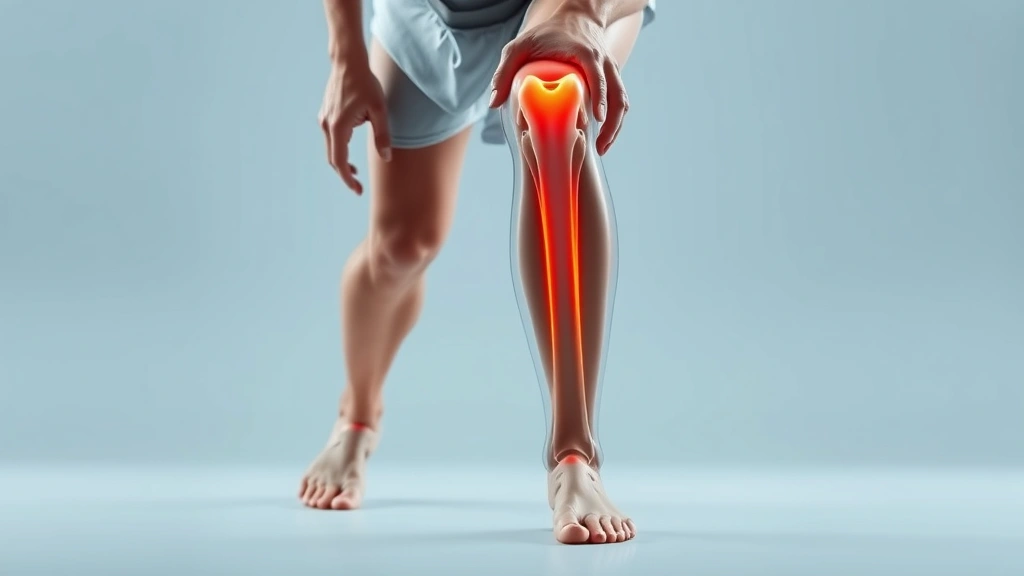
Wondering how long does it take to heal a meniscus injury? The answer isn’t one-size-fits-all, but most people see significant improvement within 2-6 weeks with proper care, while complete healing can take 2-3 months or longer depending on severity and treatment approach. Let me walk you through what actually happens during recovery and how to speed up the process.
Table of Contents
Meniscus Injury Basics
Your meniscus is basically the shock absorber in your knee—two C-shaped pieces of cartilage that cushion the space between your femur and tibia. Think of it like the rubber padding in a workshop vice; when it wears down or tears, things don’t move smoothly anymore. A meniscus injury happens when you twist your knee awkwardly, usually during sports or a sudden directional change. The tear can be small and manageable or serious enough to require surgical intervention.
The tricky part about meniscus injuries is that they don’t always hurt immediately. Sometimes you’ll feel a sharp pain and hear a pop, but other times the pain creeps in gradually over hours or days. Swelling typically appears within 24 hours, and you might notice your knee feeling unstable or catching during movement.
Recovery Timeline Overview
Here’s the real talk: how long does it take to heal a meniscus injury depends heavily on which type of tear you have. A minor tear in the outer region (the red zone where blood flow is good) might heal in 4-6 weeks with conservative treatment. A moderate tear could take 8-12 weeks. A severe tear requiring surgery? You’re looking at 3-6 months minimum, sometimes longer.
The meniscus has different zones based on blood supply. The outer edge gets excellent blood flow, so tears there heal faster. The inner portion has minimal blood supply, which means slower healing and sometimes permanent damage. Your doctor will determine which zone is affected and whether surgery is necessary.
Minor Tears Healing
If you’ve got a minor tear in the outer meniscus—what doctors call the “red zone”—you’re in luck. These typically heal beautifully without surgery because of good blood circulation. You’re looking at roughly 4-6 weeks of healing with proper RICE protocol (Rest, Ice, Compression, Elevation).
During this period, your body is actively laying down new collagen fibers and rebuilding the damaged tissue. The first two weeks are critical; this is when inflammation is highest and your knee is most vulnerable. You’ll need crutches for the first few days to keep weight off the injury. By week 3-4, you should notice significantly less swelling and pain, and you can start gentle range-of-motion exercises.
The key is not pushing too hard too fast. I’ve seen people try to “work through” a minor meniscus tear and end up with a worse injury. Be patient during this phase—your future knee will thank you.
Moderate Tears Recovery
Moderate tears—those in the middle or “white zone” of the meniscus—are the frustrating ones. They’re too significant to ignore but might not require immediate surgery. Recovery typically takes 8-12 weeks with conservative treatment, though some people need surgery if the tear is complex or unstable.
With a moderate tear, you’ll likely spend the first 3-4 weeks doing serious rest and rehabilitation. Physical therapy becomes essential around week 2-3, focusing on regaining range of motion and strengthening the quadriceps and hamstrings. These muscles are your knee’s best friends; strong muscles stabilize the joint and reduce stress on the meniscus.
Around week 6-8, if you’re progressing well, you might start light activity like stationary cycling or swimming. The key is listening to your body. If something causes sharp pain (not just discomfort), you’ve gone too far.
Severe Tears & Surgery
Severe tears—especially those that cause locking, catching, or significant instability—usually require arthroscopic surgery. The surgeon either repairs the tear with sutures or removes the damaged portion (meniscectomy). Recovery from surgery is longer than conservative treatment.
Post-surgery, how long does it take to heal a meniscus injury extends to 3-6 months for functional recovery, though full healing can take up to a year. The first 2 weeks are all about controlling swelling and regaining basic range of motion. You’ll be on crutches and doing gentle exercises at home. Weeks 3-6 involve progressive physical therapy, gradually increasing weight-bearing and strengthening exercises.

By 8-12 weeks post-surgery, most people can return to light activities. Return to sports or high-impact activities typically happens around 4-6 months, but this varies based on the surgery type and your rehab commitment. A repair surgery generally requires longer recovery than a meniscectomy because the tissue needs time to heal rather than just scar over.
Rest, Ice & Compression
The RICE protocol isn’t just old-school thinking—it’s still the foundation of meniscus injury recovery. Rest means actually resting, not just “taking it easy.” Use crutches for the first 1-2 weeks to eliminate weight-bearing stress. Your meniscus needs time to stabilize without constant pressure.
Ice is your inflammation fighter. Apply ice for 15-20 minutes every 2-3 hours during the first 48-72 hours. After that, use ice as needed when swelling increases. Compression with an elastic wrap or knee sleeve reduces swelling and provides stability. Wrap it snugly but not so tight that you cut off circulation. Elevation helps fluid drain away from the injury site, reducing swelling faster.
Many people make the mistake of stopping ice too early. Swelling can persist for weeks, and continued icing helps manage it. Some folks find that alternating between ice and heat after the first week (ice for acute swelling, heat for stiffness) works best.
Physical Therapy Exercises
Physical therapy is where the magic happens. Starting around week 2-3 (or immediately post-surgery), specific exercises rebuild strength and stability. Your PT will likely start with isometric exercises—contracting muscles without moving the joint. Quad sets (tightening your thigh muscle while lying down) and glute squeezes are perfect for this.
As healing progresses, you’ll move to range-of-motion exercises: straight leg raises, heel slides, and gentle knee bends. By week 4-6, you’re adding resistance with bands and light weights. Hamstring and calf strengthening is crucial because these muscles support knee stability.
Don’t skip PT even if you feel better. The exercises might seem simple, but they’re rebuilding the neuromuscular patterns your knee needs for stability. Skipping this phase is the #1 reason people re-injure their meniscus.
Returning to Activity
The timeline for returning to normal activities depends on your injury severity. For minor tears, you might return to light activities (walking, light cycling) by week 4-6. For moderate tears, expect 8-12 weeks. For surgical repairs, 4-6 months is standard.
Return gradually. Start with walking, then progress to stationary cycling, swimming, or elliptical machines. These low-impact activities rebuild endurance without stressing the meniscus. High-impact activities like running, jumping, or cutting sports come last, typically 3-4 months post-injury for minor cases, 6+ months for surgical cases.
The “return to sport” test involves doing single-leg balance, lateral movements, and sport-specific drills pain-free. If you can do these without compensation or pain, you’re probably ready. But rushing this phase is how people end up with chronic knee problems.
Speeding Up Healing
While you can’t magically accelerate tissue healing, certain strategies optimize the process. Nutrition matters—protein supports tissue repair, and anti-inflammatory foods (omega-3s, berries, turmeric) reduce excessive inflammation. Staying hydrated keeps tissue hydrated and promotes healing.
Sleep is when your body does most repair work, so get 7-9 hours nightly. Some athletes use compression sleeves or braces during recovery to provide stability and reduce swelling. Avoid NSAIDs for extended periods (they can actually slow healing), but short-term use in the first week is fine for pain management.
Platelet-rich plasma (PRP) and stem cell therapies are emerging treatments that show promise for meniscus injuries, though they’re expensive and not covered by most insurance. Talk to your doctor about whether these might be right for your situation. Most importantly, stick to your physical therapy program—consistency beats intensity every time.
Frequently Asked Questions
Can a meniscus tear heal without surgery?
Yes, many meniscus tears heal without surgery, especially those in the outer portions with good blood supply. Minor to moderate tears often respond well to conservative treatment with rest, ice, compression, and physical therapy. However, severe tears, complex tears, or those causing mechanical symptoms like locking usually require surgery.
How do I know if my meniscus tear is healing?
Signs of healing include decreasing swelling, reduced pain with activity, improved range of motion, and better stability. By week 3-4, you should notice significant improvement. If you’re not seeing progress by week 4-6, talk to your doctor—you might need imaging to reassess the injury.
Can I walk with a meniscus tear?
During the first 1-2 weeks, use crutches to avoid weight-bearing. After that, walking as tolerated is usually fine, but avoid activities that cause sharp pain or instability. By week 3-4, most people can walk without crutches if the tear is minor to moderate. Severe tears require longer non-weight-bearing periods.
What activities should I avoid during recovery?
Avoid high-impact activities (running, jumping, cutting sports), heavy lifting, and any activity that causes sharp pain or instability. Twisting or pivoting motions are particularly stressful on a healing meniscus. Stick to low-impact activities like walking, swimming, and cycling during recovery.
Will my meniscus tear come back?
Once properly healed, a meniscus tear typically won’t recur in the same location. However, you’re at increased risk for future meniscus injuries if you return to activity too aggressively or don’t maintain strength and stability. Proper rehabilitation and gradual return to activity significantly reduce re-injury risk.
How much does meniscus surgery cost?
Without insurance, meniscus surgery typically costs $15,000-$30,000. With insurance, you’ll pay your deductible and co-insurance. The exact cost depends on whether it’s a repair or meniscectomy and your location. Most insurance plans cover meniscus surgery when deemed medically necessary.
Can I drive with a meniscus injury?
During the acute phase (first 1-2 weeks), driving isn’t safe because you can’t react quickly if needed. Once you’re off crutches and have good range of motion and stability, you can usually resume driving. Check with your doctor—some recommend waiting until you can do a full squat pain-free.
Bottom Line: How long does it take to heal a meniscus injury ranges from 4-6 weeks for minor tears to 3-6 months or longer for severe tears requiring surgery. The key is early proper treatment, consistent physical therapy, and a gradual return to activity. Don’t rush the process—your knee’s long-term health depends on it. Most people recover fully with patience and proper rehabilitation, but skipping steps or pushing too hard too fast can lead to chronic problems. Work with your doctor and physical therapist, follow the protocol, and you’ll be back to normal activity sooner than you think.
For more information on recovery timelines, check out how long various healing processes take, or explore other recovery-related topics. You might also be interested in understanding medication timelines if you’re managing pain during recovery. Additionally, proper nutrition is crucial—learn about preparing healthy foods to support your healing process. For natural support, some explore natural supplements, though always consult your doctor first.


