

So you want to know how long does it take to get abs? Let’s cut through the fitness industry BS and talk real numbers. The honest answer? Anywhere from 6 weeks to 2 years, depending on where you’re starting and how serious you actually are. But before you panic or quit, let me break down exactly what determines your timeline and what you can realistically expect.
Table of Contents
Your Starting Point Matters Most
Here’s the real talk: if you’re already lean with decent muscle underneath, you could see visible abs in 4-8 weeks. If you’re starting with significant body fat to lose, you’re looking at several months minimum. The timeline isn’t about how hard you work—it’s about where you’re beginning. Think of it like painting a wall. If the wall’s already prepped and primed, you’re done in an afternoon. If you need to strip old paint, patch holes, and prime first, you’re looking at days of work.
Your current body composition is the foundation. Someone at 25% body fat has a completely different journey than someone at 15% body fat. The lower your starting body fat percentage, the faster you’ll see results. This is why fitness models and athletes can maintain visible abs year-round—they’ve already done the heavy lifting to get there initially.
Body Fat Percentage Is Everything
Forget the scale. Seriously. Body fat percentage is what actually determines whether your abs show. Most men need to get down to 10-12% body fat to see clear ab definition. Women typically need to reach 16-19% body fat. These aren’t magic numbers—they’re just the reality of human anatomy.
Here’s where it gets interesting: you can’t spot-reduce fat from your midsection. Your body loses fat systematically based on genetics. Some people lose belly fat first. Others lose it last. You have zero control over this, so stop doing 1,000 crunches hoping it’ll help. It won’t.
The good news? If you’re consistent with a caloric deficit, you will eventually reach that body fat percentage. It’s not about being perfect; it’s about being consistent. A 300-500 calorie daily deficit will get you there. It just takes time. And that’s where patience becomes your actual superpower.
Diet Is Non-Negotiable
You cannot out-train a bad diet. Period. I don’t care how hard you work in the gym. If you’re eating in a caloric surplus, you won’t see abs. This is the most common reason people fail. They train hard, stay consistent with workouts, but never adjust their eating habits.
You need adequate protein—aim for 0.8-1 gram per pound of body weight. This preserves muscle while you’re losing fat. Without enough protein, you’ll lose muscle along with fat, and that defeats the purpose. Your abs won’t look impressive if there’s no muscle underneath.
Beyond protein, focus on whole foods: lean meats, vegetables, fruits, whole grains, and healthy fats. You don’t need to eat “perfectly,” but you do need to track your calories. Use an app, write it down, whatever works. You need to know you’re in a deficit. Guessing doesn’t work.
Training for Visible Abs
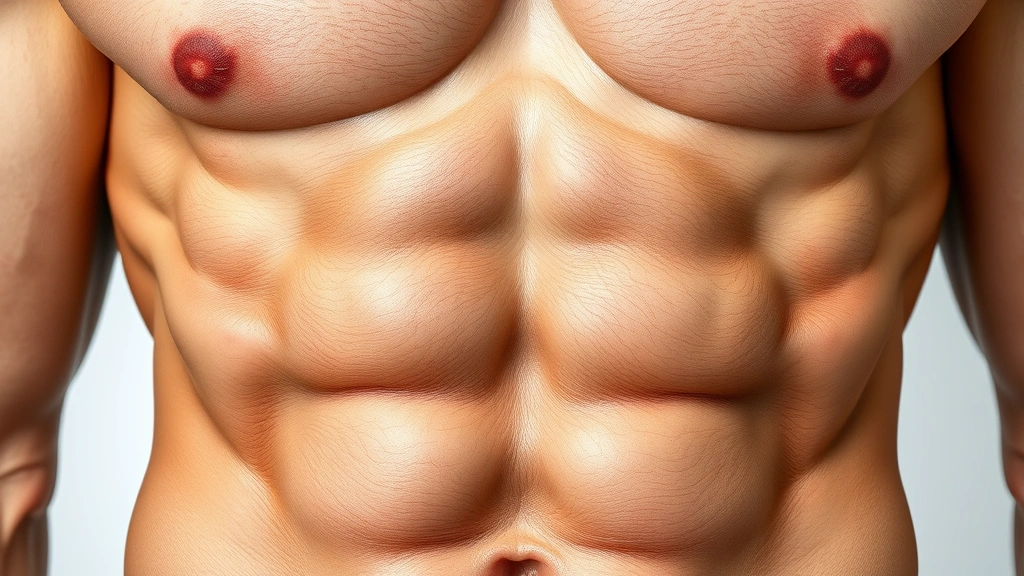
Here’s what surprises most people: you don’t need endless ab exercises to get abs. Your rectus abdominis (the six-pack muscle) gets trained during compound movements like squats, deadlifts, and overhead presses. These movements demand core stability, which means your abs are working hard.
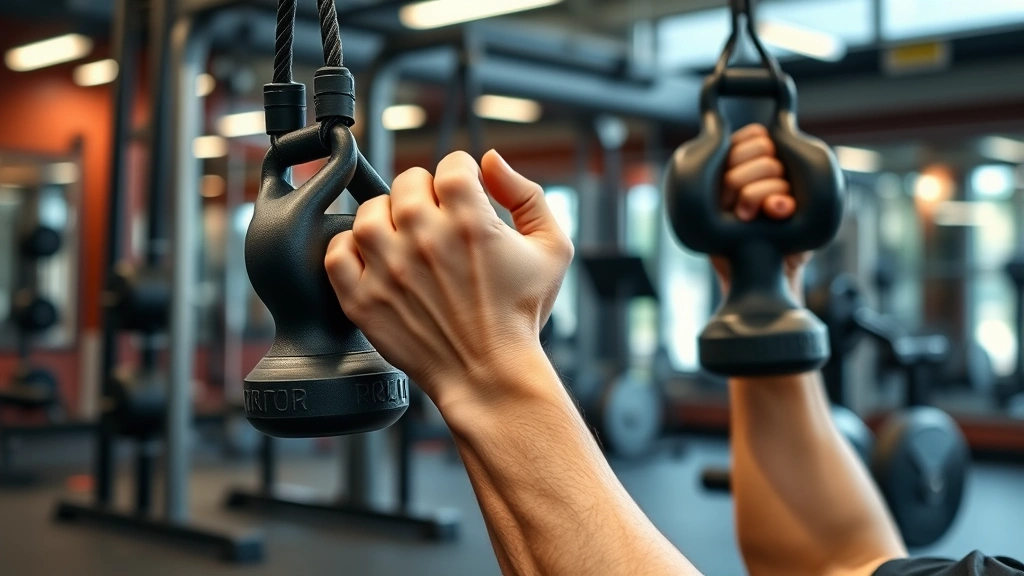
That said, direct ab work helps. Two to three times per week, do some dedicated ab training. Weighted cable crunches, hanging leg raises, ab wheel rollouts—these build the actual muscle so it looks impressive when it’s finally visible. Without this, your abs might be visible but flat and underwhelming.
Don’t neglect your obliques and transverse abdominis either. A complete core includes all these muscles. They don’t show as obviously as the six-pack, but they contribute to overall midsection aesthetics and, more importantly, functional strength. This is why physical therapists emphasize core training for injury prevention—it’s genuinely important.
Realistic Timeline Expectations
Starting at 20-25% body fat: 6-12 months to visible abs. You need to lose significant fat while building muscle. This is a marathon, not a sprint. Stay consistent with your deficit and training, and you’ll get there.
Starting at 15-20% body fat: 3-6 months. You’re closer to the finish line. The path is clearer, but you still need patience. This is where most people get frustrated because they expect faster results.
Starting at 10-15% body fat: 4-12 weeks. You’re already lean. At this point, it’s about fine-tuning your diet and maintaining your training. You might see significant changes in just a few weeks.
Starting already lean with poor muscle: 8-16 weeks. Your body fat is low, but your abs aren’t impressive because there’s not enough muscle underneath. You need to focus on building muscle while staying lean. This requires eating at maintenance or a slight surplus while training hard.
These timelines assume you’re actually consistent. One week on, one week off doesn’t count. You need months of consistency. That’s the real secret nobody wants to hear.
Metabolism and Genetics Play a Role
Your metabolism isn’t as different from other people’s as you think. Yes, genetics matter. Some people naturally carry less belly fat. Some people build muscle faster. But these differences are usually smaller than people assume—maybe 10-20% variation, not 100%.
What does matter more is your habits and consistency. Someone with an “average” metabolism who trains hard and eats right will beat someone with a “fast” metabolism who’s inconsistent every single time. Metabolism is real but it’s not your excuse.
Age does slow metabolism slightly, but the effect is smaller than most people think. A 40-year-old can get abs just as easily as a 25-year-old. It might take slightly longer, but we’re talking weeks difference, not months.
Common Mistakes People Make
The biggest mistake is doing too much cardio and not enough strength training. Cardio burns calories, which is good, but it doesn’t build the muscle that makes abs look impressive. You need resistance training as your foundation.
Second mistake: not eating enough protein. People cut calories aggressively and don’t prioritize protein, so they lose muscle along with fat. Your abs end up visible but small and flat. Build the muscle first, then cut the fat.
Third mistake: expecting results too fast. You didn’t gain the body fat overnight. You won’t lose it overnight either. Give yourself at least 8-12 weeks before deciding something isn’t working. Most people quit after 3-4 weeks when they haven’t seen dramatic changes.
Fourth mistake: doing endless crunches instead of compound movements. Crunches are fine for direct ab work, but they’re not the foundation. Squats, deadlifts, and presses build a stronger, more impressive core.
Fifth mistake: ignoring sleep and stress. These absolutely affect your progress. Poor sleep increases cortisol, which promotes belly fat storage. High stress does the same thing. You can’t out-train bad sleep and stress. Get 7-9 hours and manage your stress.
Consistency Wins Every Time
The people with the best abs aren’t necessarily the most talented or genetically gifted. They’re the ones who show up consistently, month after month, year after year. They don’t need motivation because they’ve built a system that works.
Here’s the practical system: eat in a deficit most days. Train hard 3-5 times per week. Include compound movements and direct ab work. Sleep well. Manage stress. Repeat for months. That’s it. It’s not complicated, but it is demanding because it requires consistency.
The timeline becomes shorter the more consistent you are. Someone who’s 95% consistent might get visible abs in 4 months. Someone who’s 70% consistent might take 8 months. The difference is discipline, not genetics or luck.
One more thing: just like any process that requires patience, building abs is about showing up even when you don’t feel like it. The motivation fades. The discipline remains. That’s what separates people who get abs from people who talk about getting abs.
Frequently Asked Questions
Can you get abs in 30 days?
If you’re already very lean, maybe. If you’re not, absolutely not. 30 days isn’t enough time to lose significant body fat. You might see minor improvements if you’re already close, but true visible abs take longer for most people. Don’t fall for the “30-day ab challenge” marketing. It’s designed to sell programs, not deliver results.
Do you need a gym to get abs?
No. You need a caloric deficit and some form of resistance training. Bodyweight exercises work fine. Push-ups, pull-ups, squats, planks, and hanging leg raises can build impressive abs without any equipment. The gym just makes it easier to progressively overload and track your work.
Will ab exercises give you visible abs?
Only if you’re already lean enough. Ab exercises build the muscle, but they don’t burn the fat covering it. You need diet to handle the fat loss. Training handles the muscle building. Both are required.
How often should you train abs?
2-4 times per week is optimal. Your abs are muscles, and like all muscles, they need recovery time. Training them every single day doesn’t speed up results. Three times per week is a solid sweet spot for most people.
Can women get abs as easily as men?
Yes, but women typically need to be slightly leaner (16-19% body fat vs. 10-12% for men) due to hormonal differences. The timeline is similar if caloric deficit and training are consistent. The main difference is that women might need to be more aggressive with their deficit to reach the necessary body fat percentage.
The Bottom Line: How long does it take to get abs depends entirely on where you’re starting and how consistent you are. For most people eating in a deficit and training consistently, expect 3-6 months for noticeable improvement and 6-12 months for truly impressive abs. It’s not quick, but it’s absolutely achievable if you commit to the process. Stop looking for shortcuts and start building the system that works. Your future abs will thank you.


