
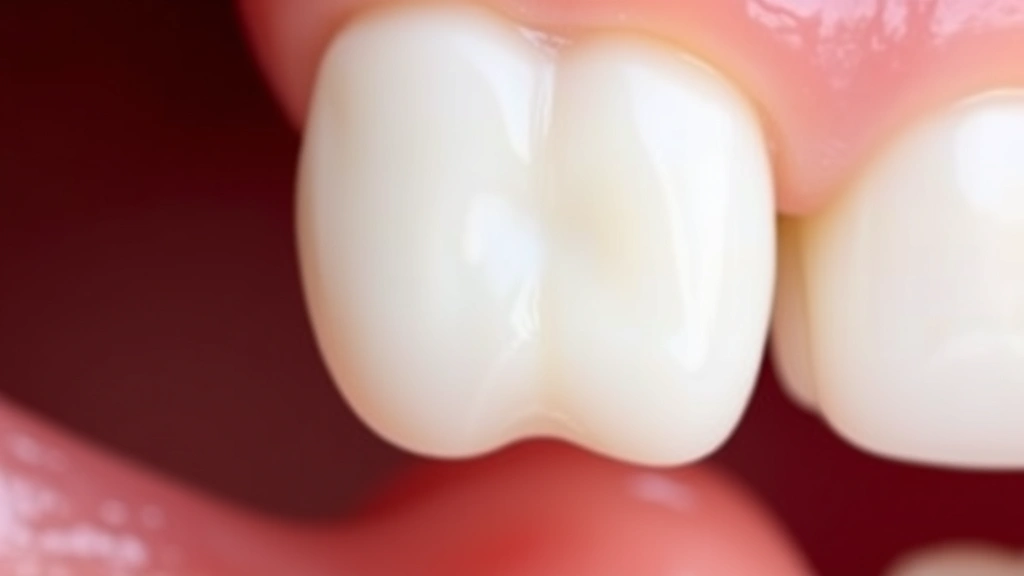
How long does it take to fill a cavity? Most dental fillings take between 20 to 30 minutes from start to finish, though some cases can stretch to 45 minutes depending on the cavity’s size, location, and complexity. If you’re sitting in that dentist’s chair wondering what to expect, you’re in the right place—let’s break down the actual timeline and what happens during the procedure.
Table of Contents
The Quick Answer
A standard cavity filling typically takes 20 to 30 minutes. That’s the real deal—not including the time you spend in the waiting room or checking in. This timeframe covers everything from numbing your tooth to polishing the final restoration. Simple fillings on front teeth might wrap up in 15 minutes, while larger or more complex cavities in back molars could take 45 minutes or longer.
Cavity Filling Timeline
Let’s walk through what actually happens during a cavity filling, minute by minute. When you sit down in that chair, the dentist starts with a visual inspection and maybe some X-rays if they need to assess the cavity’s depth. This takes about 5 minutes. Then comes the numbing—the dentist applies topical anesthetic to numb the area, then injects local anesthetic around the tooth. This injection stings for maybe 10 seconds, but then your mouth goes numb within 2-3 minutes.
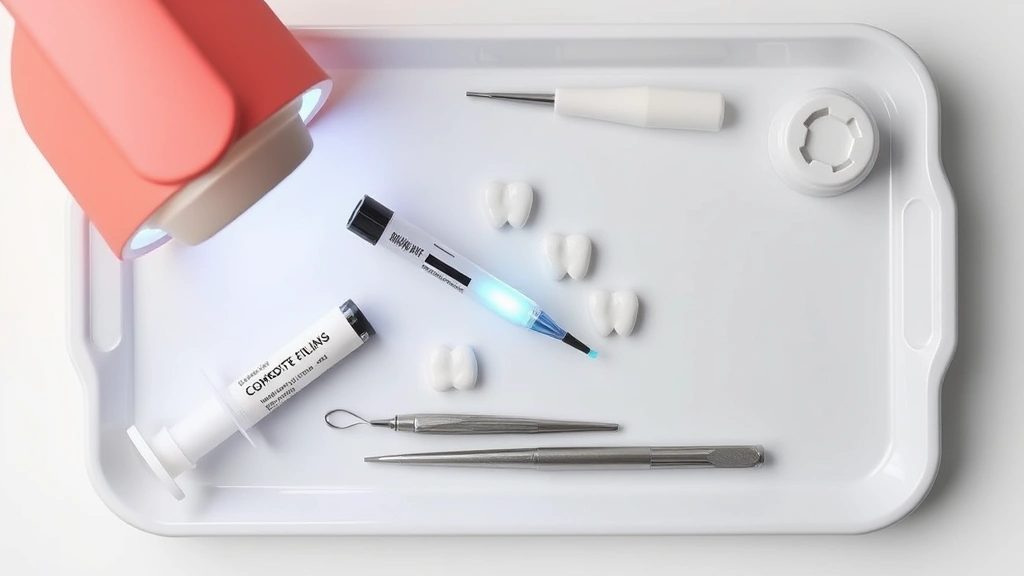
Once you’re numb, the dentist uses a high-speed drill (that scary whirring sound) to remove the decayed portion of the tooth. This typically takes 5-10 minutes depending on cavity size. After drilling out the decay, they clean and dry the area thoroughly—another 2-3 minutes. Then comes the actual filling material application, which takes 3-5 minutes. If it’s a composite (tooth-colored) filling, they cure it with a blue light after each layer. Finally, they polish and adjust your bite, which rounds out the remaining time.
Factors Affecting Duration
Not all cavities are created equal, and neither are their timelines. The size of the cavity is the biggest factor—a tiny pit on a front tooth takes way less time than a massive cavity that’s eaten through multiple surfaces of a molar. The location matters too. Front teeth are easier to access and fill quickly. Back molars? Those are trickier because your mouth is smaller back there and the dentist has less room to work.
Your tooth’s accessibility plays a role as well. If you have a small mouth, limited jaw opening, or a gag reflex that makes you tense up, the procedure takes longer. The dentist has to work more carefully and might need to take breaks. If you’ve had previous work on that tooth—like a filling that needs replacing—it might take longer because they need to remove the old material first.
Preparation Steps Matter
The prep work is crucial and often gets overlooked when people ask about filling time. Before the actual filling happens, your dentist needs to isolate the tooth and keep it dry. They might use a rubber dam—a small rubber sheet that keeps saliva away from the work area. Setting this up takes 2-3 minutes but saves time overall because the dentist doesn’t have to constantly stop and dry the tooth.
If there’s any existing filling that needs to be removed, that adds time. Removing an old amalgam (silver) filling takes longer than removing a composite filling. The dentist has to carefully drill it out without damaging the surrounding tooth structure. This can add 10-15 minutes to your appointment, depending on how well the old filling is bonded to the tooth.
Filling Material Types
The type of filling material you choose affects the timeline. Amalgam (silver) fillings are the fastest—they can be packed into the cavity and finished in about 20 minutes total. Composite (tooth-colored) fillings take longer because each layer needs to be cured with a UV light, and the dentist has to be more precise with shaping and polishing for a natural look. Expect 30-40 minutes for a composite filling.

Glass ionomer fillings (often used on baby teeth or below the gum line) are somewhere in between. They bond directly to the tooth and don’t require as much light curing, so they’re faster than composites but require careful moisture control. Ceramic or gold fillings take the longest—sometimes up to an hour—because they require more precision and often involve laboratory work or multiple appointments.
Location & Complexity
A cavity on the smooth surface of a front tooth (called a Class I cavity) is straightforward and quick. The dentist can see it easily, access it without contortion, and shape the filling to match your tooth’s natural contour. These typically take 15-20 minutes.
Cavities between teeth (Class II) are more complex because the dentist has to rebuild the contact point where your teeth touch. This requires more precision and usually takes 30-40 minutes. Cavities on the root surface (Class V) or below the gum line are even trickier and can take 45 minutes or longer because the dentist has to manage moisture and visibility challenges.
Anesthesia Considerations
The numbing process adds about 5 minutes to your appointment, but it’s essential for comfort. Some people are nervous about needles, so the dentist might spend extra time applying topical anesthetic first to numb the injection site. This reduces the pinch you feel. If you’re especially anxious, your dentist might offer nitrous oxide (laughing gas) to help you relax, which adds another 5-10 minutes to the appointment for setup and monitoring.
The anesthetic typically lasts 2-3 hours, so you’ll be numb well after you leave the office. This is why dentists recommend not eating or drinking anything hot until the numbness wears off—you could accidentally burn your cheek or tongue without realizing it.
Post-Filling Care Timeline
The filling itself is done in 20-30 minutes, but the care timeline extends beyond that. If you got a composite filling, avoid eating or drinking for at least 30 minutes while the material fully hardens. Amalgam fillings set faster—usually within 24 hours—but composites continue to harden over several hours.
Your bite might feel slightly off for a few days, which is normal. If it bothers you, call your dentist and they can adjust it in a quick 5-minute appointment. Avoid chewing on hard foods like ice, hard candy, or nuts for the first week to let the filling fully set. Some sensitivity to hot and cold is normal for a few days after filling, but it should subside. If it persists beyond a week, contact your dentist.
Frequently Asked Questions
Can a cavity filling be done in one appointment?
Yes, the vast majority of cavity fillings are completed in a single appointment. Simple to moderately complex cavities are finished in 20-45 minutes. Only in rare cases—like when a cavity is so deep it’s close to the nerve—might your dentist recommend a temporary filling and a follow-up appointment. This gives the tooth time to heal before placing a permanent filling.
Why does my filling appointment take longer than 30 minutes?
Several factors can extend your appointment: removing an old filling first, cavity location (back molars take longer), cavity complexity, your mouth’s accessibility, or if you’re getting multiple fillings at once. Some dentists also build in extra time for patient comfort and thorough work rather than rushing.
How long until I can eat after a filling?
Wait at least 30 minutes if you got a composite filling, longer if you’re still numb and might accidentally bite your cheek. Stick to soft foods for the first 24 hours. Amalgam fillings are harder and set faster, but it’s still smart to avoid hard, sticky, or very hot foods for a few hours.
Is the drilling part really that loud?
Yes, it’s loud, but you’re numbed so you don’t feel pain. The sound and vibration can be uncomfortable, which is why some dentists use quieter equipment or let patients wear headphones. The high-speed drill is necessary to remove decay efficiently—a slower drill would take much longer and generate more heat.
What if I’m nervous about the procedure?
Talk to your dentist beforehand. They can explain each step, use a signal (like raising your hand) if you need a break, or offer sedation options. Many dentists also use noise-canceling headphones or let you listen to music. The more relaxed you are, the smoother the procedure goes.
Can a cavity filling fall out?
Fillings can occasionally fail, especially if they’re old or if you chew on hard objects. A filling that falls out should be replaced within a few days to prevent further decay. If this happens, call your dentist to schedule a replacement appointment—usually a quick 20-30 minute fix like the original filling.
Final Thoughts
So, how long does it take to fill a cavity? Plan for 20 to 30 minutes of actual procedure time, plus 10-15 minutes for check-in and paperwork. The real timeline depends on cavity size, location, and complexity, but most people are in and out within an hour from arrival to departure. The best way to avoid lengthy dental visits is preventive care—brush twice daily, floss, and see your dentist every six months. But if you do end up with a cavity, at least now you know what to expect. It’s a quick, straightforward procedure that’ll save you from way bigger problems down the road.
For more information about timing in everyday tasks, check out our guide on how long to bake tilapia or learn about how long it takes to change brake pads for your car maintenance schedule. You might also find it helpful to understand how long to become a pharmacist if you’re considering healthcare careers.
For authoritative dental information, the Family Handyman website offers practical home health tips, while This Old House provides comprehensive guides on maintaining your health and home. Bob Vila also covers practical health and wellness topics that complement dental care routines.


