
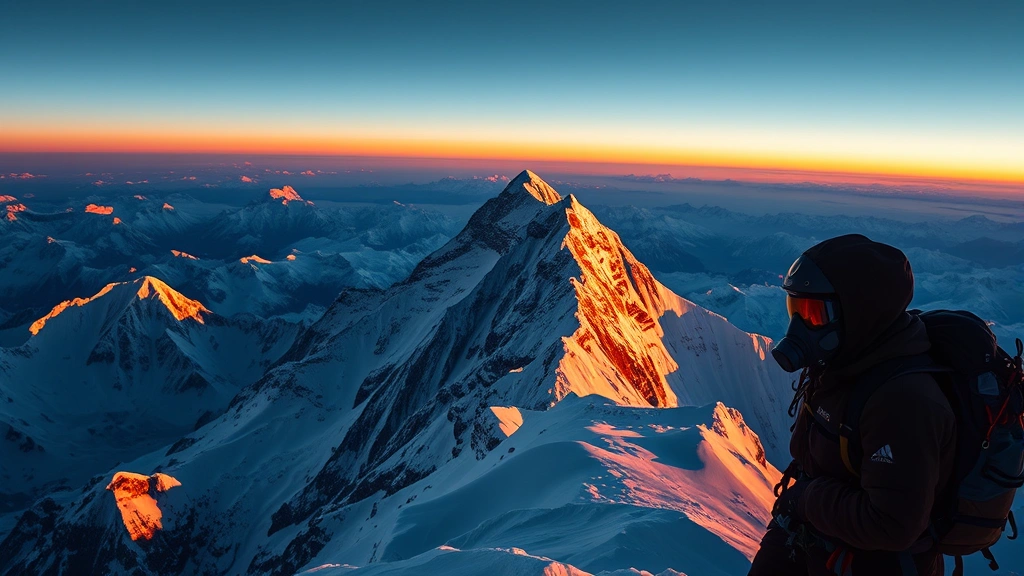
So you’re wondering how long does it take to climb mount everest? The short answer: most climbers spend 39-47 days on the mountain itself, but the total expedition typically runs 60-90 days when you factor in acclimatization time, weather delays, and getting to base camp. But here’s the thing—this isn’t like steaming vegetables where you can set a timer and walk away. Everest is a beast that doesn’t care about your schedule.
Table of Contents
Timeline Breakdown: Days by Day
Let me break down what a typical Everest expedition actually looks like in real time. You’re looking at roughly 60-90 days total, but that number swings wildly depending on conditions and your route choice.
The South Col route (most popular) typically takes 39-47 days of actual climbing and acclimatization once you’re at base camp. The North Col route from Tibet can be slightly faster at 35-40 days. But here’s where people get tripped up: you’ve got to get to base camp first. That’s usually 5-7 days of trekking through the Khumbu region, plus 2-3 days of travel to get to Nepal or Tibet in the first place.
Most commercial expeditions run 12-16 weeks total, which includes your prep time, travel, acclimatization, summit attempts, and descent. Think of it like how you’d need to plan timing for multiple tasks—except this one can literally kill you if you mess up the schedule.
Pre-Climb Preparation Phase
Before you even touch the mountain, you’re spending 4-8 weeks in serious physical training. This isn’t optional. You need to be doing cardio, strength training, and altitude simulation work. Many climbers also spend 2-3 weeks doing training climbs on other peaks to test their gear and fitness.
Then there’s the logistical prep: getting permits (2-4 weeks), arranging flights (2-3 weeks), and coordinating with your expedition company. All told, the preparation phase before you leave home usually takes 2-3 months of active work.
Base Camp and Acclimatization
Once you arrive at South Base Camp (5,364m), you’re not immediately heading up. Your body needs to adapt to the altitude, and this is non-negotiable. Most expeditions spend 3-5 days at base camp doing light acclimatization activities, eating, hydrating, and letting your body adjust to thin air.
Then comes the rotation system. You’ll climb to Camp 1 (6,065m) and Camp 2 (6,400m), then descend back to base camp. This cycle happens 2-3 times over 10-14 days. Each rotation takes about 3-4 days. You’re literally going up and down repeatedly to force your body to produce more red blood cells and adapt to the altitude. It’s exhausting, but it’s what keeps people alive.
The acclimatization phase alone eats up 15-20 days of your expedition. This is where patience separates the survivors from the statistics.
The Summit Push Window
Once you’re acclimatized, the actual summit push typically takes 3-4 days from Camp 2. You’ll climb to Camp 3 (7,165m), then Camp 4 (7,945m), then make your summit attempt the next morning. The summit day itself—from Camp 4 to the top and back—usually takes 12-16 hours of continuous climbing. That’s brutal, especially when you’re running on supplemental oxygen and your body is literally dying in slow motion from altitude.
But here’s the catch: you can’t just go whenever you want. The summit window is typically just 2-3 weeks per season (spring or autumn), and within that window, you’re looking at maybe 5-10 days of actual good weather. Climbers call this “weather windows,” and guides monitor forecasts obsessively. Miss your window, and you’re waiting another year or descending without the summit.
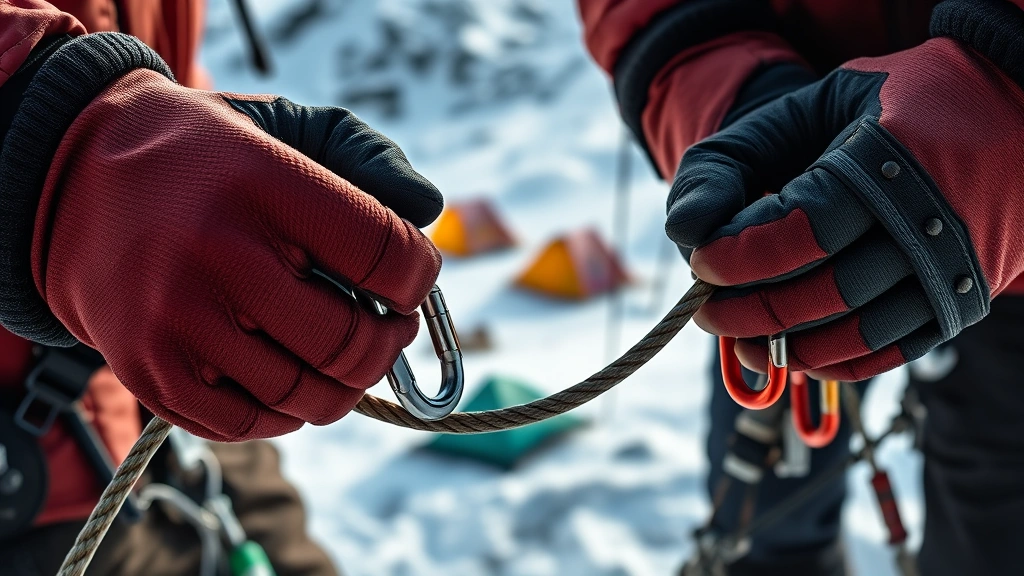
Weather and Unexpected Delays
This is the killer variable nobody talks about enough. The time estimates I’ve given assume relatively normal conditions. But Everest doesn’t do “normal.”
A storm can trap you at camp for 3-5 days. High winds can delay your summit push by a week. Avalanches close routes. Altitude sickness hits people differently—some climbers need an extra week of acclimatization, others might need to descend and start over. I’ve seen expeditions add 2-3 weeks just waiting for conditions.
Weather delays are why the total expedition time ranges from 60-90 days instead of being a fixed number. You could be on the mountain for 2 months and still not summit if conditions don’t cooperate.
Individual Fitness and Experience
Not everyone moves at the same pace. A climber who’s done Denali and Kilimanjaro might acclimatize faster and move more efficiently. Someone doing Everest as their first serious peak might need extra time at each camp, extra rotation cycles, and more days to recover between pushes.
Your age, fitness level, climbing experience, and how your body handles altitude all factor in. A 35-year-old experienced mountaineer might summit in 40 days. A 60-year-old doing their first serious climb might need 70+ days. Both are realistic timelines.
Descent and Recovery Time
Once you summit (or decide to turn back), you’ve still got to get down. The descent from Camp 4 to base camp typically takes 2-3 days of hard climbing, though exhausted climbers sometimes take longer. Then you’ve got 2-3 days of recovery at base camp before you’re ready for the trek out.
The trek from base camp back to Lukla (the starting point) usually takes 5-7 days. So even after you’ve “finished,” you’re still on the mountain for another week.
Spring vs. Autumn Climbing
Spring (April-May) is the most popular season, and most climbers take 60-90 days total. The weather is slightly more predictable, but you’re sharing the mountain with hundreds of other climbers, which can slow you down and create bottlenecks at critical points.
Autumn (September-October) is less crowded, and some climbers can move faster, potentially finishing in 55-75 days. However, the weather is less stable, which can add delays. Winter climbing (November-March) is possible but rare—it takes even longer because conditions are brutal.
Realistic Expectations for Success
Here’s the honest truth: plan for 75-90 days if you’re serious about summiting. Don’t book a flight back home for day 60 and expect everything to work out. The mountain doesn’t care about your return flight.
Most successful climbers I’ve talked to say they needed every bit of the time they allocated. The ones who tried to rush it either didn’t summit or got hurt. Everest isn’t something you power through like waiting for nail polish to dry—it demands respect and time.
Budget 2-3 months off work. Arrange your life so you can stay longer if needed. Have contingency funds for extra days at base camp. The climbers who summit are the ones who planned for the long game, not the short fix.
Frequently Asked Questions
Can you climb Everest in less than 30 days?
Theoretically, yes—speed climbers have done it in 16-21 days. But this requires extreme fitness, prior high-altitude experience, and accepting significant risks. For a standard expedition with proper acclimatization, anything under 40 days is pushing it dangerously.
What’s the fastest anyone has summited Everest?
The speed record is held by Pemba Dorje Sherpa, who climbed from base camp to summit in 8 hours 10 minutes in 2004. But he was an elite climber with years of experience. That’s not a realistic timeline for regular climbers.
How much time do you actually spend above 8,000 meters?
Most climbers spend 3-5 days in the “death zone” above 8,000m during their summit push. Your body is literally dying at that altitude—you can’t acclimatize to it, only briefly survive it. This is why the time spent there is minimized.
Do commercial expeditions ever finish early?
Rarely. Some expeditions summit in 38-40 days, but they still need the acclimatization time. What sometimes gets compressed is rest days and extra rotation cycles if conditions are perfect and the group is strong. But cutting corners on acclimatization is how people die.
What happens if you don’t summit—do you leave earlier?
Usually yes. If you turn back during the summit push or decide to descend, you’re typically off the mountain 3-5 days faster than successful summiteers. However, you’ve still got the acclimatization time and trek-out time, so you’re still looking at 50-70 days total.
Is there a best time of year for faster climbs?
Spring season is slightly faster on average because weather windows are more predictable. But autumn can be faster if you get lucky with weather. The difference is usually just a few days, not weeks.


