
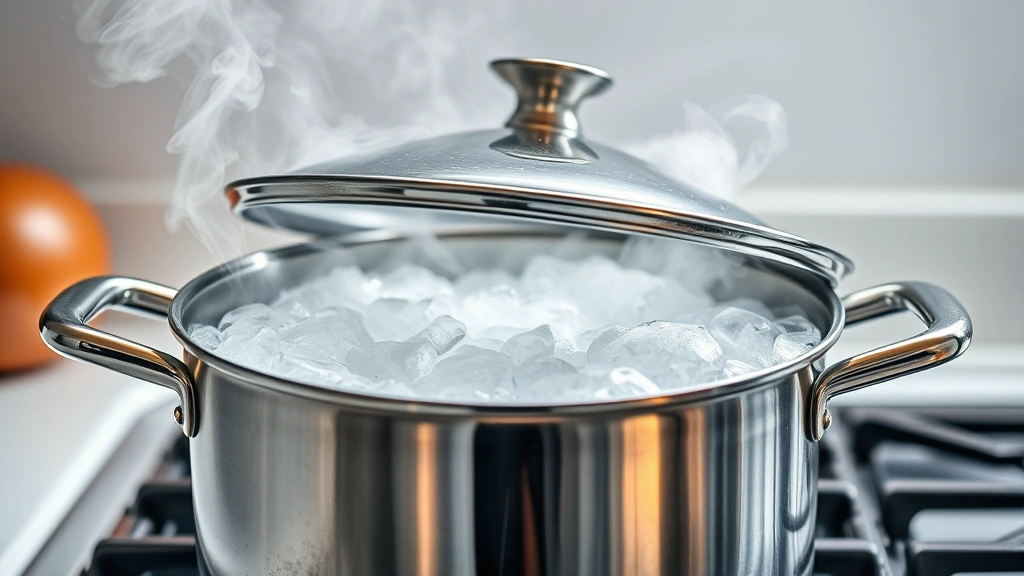
How long does it take to boil water? It’s one of those questions that seems simple until you actually need the answer. The truth is, boiling water timing depends on several factors—your equipment, water volume, altitude, and starting temperature all play a role. Whether you’re prepping for making ramen in the microwave or cooking pasta, understanding the mechanics behind water boiling saves time and frustration in the kitchen.
Table of Contents
Basic Boiling Times by Volume
Let’s start with the numbers. On a standard stovetop at sea level with cold tap water, you’re looking at roughly 5-10 minutes to boil a kettle of water. A single cup? About 2-3 minutes. A full pot for pasta? Expect 8-12 minutes. These aren’t hard rules—they’re ballpark figures that assume you’re using a standard pot on medium-high heat with a standard gas or electric range.
The relationship between volume and boiling time isn’t perfectly linear. Double the water doesn’t mean double the time. Heat distribution matters. A wide, shallow pot heats faster than a tall, narrow one, even with the same amount of water. That’s why your grandmother’s old stockpot might take longer than you’d expect.
Factors That Affect Boil Time
Water boiling isn’t just about turning up the heat and waiting. Several variables influence how quickly those bubbles appear. The type of pot you use—copper conducts heat better than stainless steel. The lid makes a massive difference; a covered pot boils 25-30% faster than an uncovered one because it traps steam and heat. Even the mineral content in your water plays a subtle role, though it’s barely noticeable for most home cooks.
When you’re steaming green beans or preparing other dishes, you’ll notice that water quality affects boiling speed slightly. Hard water with more minerals takes marginally longer than distilled water, but we’re talking seconds, not minutes.
Stovetop vs Electric Kettles
Electric kettles are game-changers for boiling speed. They typically boil water in 3-5 minutes, sometimes faster. Why? They heat water from all sides using an immersion element, whereas a stovetop pot only heats from the bottom. Electric kettles are also more energy-efficient, using about 80% less energy than a stovetop burner for the same job.
Stovetop kettles take longer but offer more control and are durable workhorses. Gas stoves generally boil water faster than electric coil burners, but modern smooth-top electric ranges have narrowed that gap significantly. Induction cooktops are somewhere in the middle—faster than traditional electric but not quite as quick as dedicated electric kettles.
How Altitude Changes Everything
Here’s where things get interesting. At sea level, water boils at 212°F (100°C). But climb to 5,000 feet elevation, and water boils at 202°F (94°C). At 10,000 feet, it’s 194°F (90°C). This means water boils faster at higher altitudes because there’s less atmospheric pressure pushing down on it. Counterintuitively, this is actually a problem for cooking because the water is cooler and cooks food more slowly.
If you live in Denver or another high-altitude city, you’ll need to adjust cooking times. Pasta takes longer. Eggs need more time to hard-boil. For boiling water itself, you’ll see it bubbling sooner, but that water isn’t as hot as sea-level boiling water, so it’s less effective for some applications.
Starting Temperature Matters More
This is the hack most people overlook. If you start with hot tap water instead of cold, you cut boiling time roughly in half. Some people fill their kettle with water that’s already warm from the tap, reducing wait time from 5 minutes to 2-3 minutes. It’s a small thing, but when you’re standing in the kitchen hungry, those minutes count.
Conversely, if you’re using water straight from the fridge or ice-cold well water, you’re adding significant time. Room-temperature water falls somewhere in the middle. For making a caramel macchiato or other hot beverages, starting with warm water is a legitimate time-saver.
Speed Up Your Boiling Water
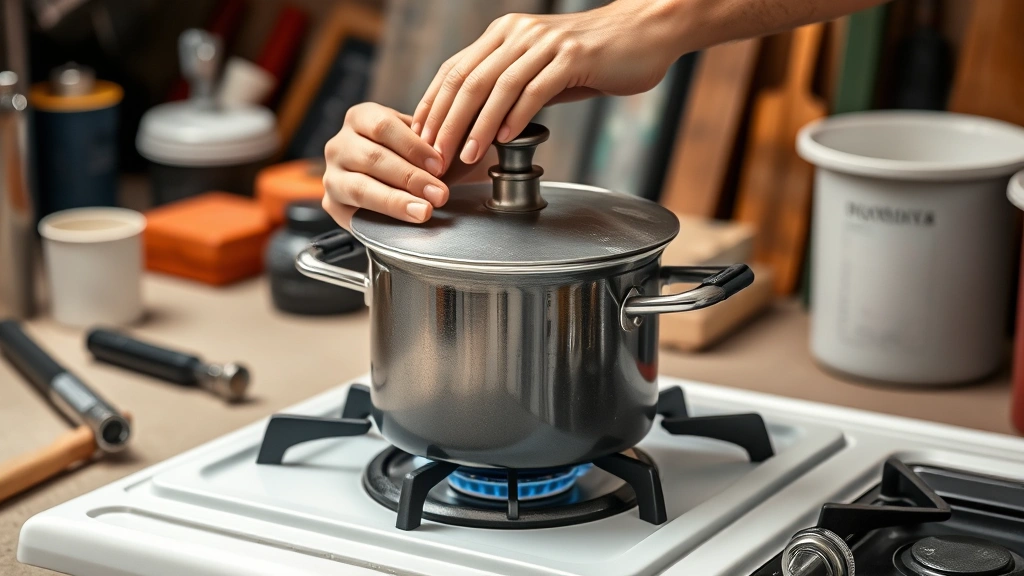
Want faster boiling? Here’s your toolkit. First, use a lid—this is non-negotiable if speed matters. Second, fill your pot only with the water you need; less volume means faster boiling. Third, use a smaller, shallower pot when possible; it heats more efficiently. Fourth, start with hot tap water. Fifth, increase the heat to maximum; more BTUs mean faster boiling.
Use a pot with a thick bottom and good heat conductivity. Copper-bottomed pots are ideal but pricey. Stainless steel with an aluminum or copper core works great too. Avoid thin, flimsy pots that have hot spots and heat unevenly. If you’re boiling water regularly, investing in a quality electric kettle pays for itself in time and energy savings within weeks.
Signs Your Water Is Boiling
You don’t need a thermometer to know water’s boiling. Large, vigorous bubbles rolling rapidly across the entire surface mean full boil. A gentle simmer with occasional small bubbles rising is a rolling boil’s quieter cousin—still 212°F at sea level but with less aggressive action. This distinction matters when recipes specify “bring to a boil” versus “simmer.”
Steam rising steadily from the water surface is another indicator, though steam can appear before water reaches full boiling point. The most reliable sign? Listen for the sound. A full boil has a distinct rumbling, rolling sound. A simmer is quieter, more gentle.
Common Boiling Mistakes
People often leave the lid off, adding 3-4 minutes to boiling time unnecessarily. Others use pots that are too large for the amount of water, spreading the heat over a wider surface. Some fill the pot too full, which actually increases boiling time slightly and creates overflow risks. And many folks use low heat, thinking they’re being efficient—they’re just being patient.
Another mistake: not checking if your burner is actually on high heat. A burner on medium looks similar to one on high, but the temperature difference is substantial. For keeping apples from turning brown or other cooking tasks requiring boiled water, using the right burner temperature from the start saves frustration.
Frequently Asked Questions
How long does it take to boil one cup of water?
On a standard stovetop with a covered pot, expect 2-3 minutes for one cup of cold tap water. With an electric kettle, you’re looking at 1-2 minutes. Starting with hot tap water cuts this to 1-2 minutes on the stovetop.
Does salt make water boil faster?
This is a common myth. Salt raises the boiling point of water slightly, making it take marginally longer to boil, not faster. The reason people add salt to pasta water isn’t to speed boiling—it’s to season the pasta. Add salt after water boils.
Can you boil water in the microwave?
Yes, but it’s not ideal. A microwave takes similar time to a stovetop (4-6 minutes for a mug), uses more energy, and creates a safety hazard because water can superheat without visible bubbles. Use a microwave-safe container and stir before removing.
Why does my electric kettle shut off before water boils?
Most electric kettles have automatic shutoff features that activate when they detect steam. If it’s shutting off too early, the sensor might be dirty. Clean the heating element and sensor contacts with white vinegar.
How long does boiled water stay hot?
In an insulated thermos, boiled water stays hot for 6-12 hours. In a regular cup, it cools to drinking temperature (around 140°F) in about 10-15 minutes. In a covered pot on the stove with heat off, it stays near boiling for 30-45 minutes.
Is it bad to reboil water?
Reboiling water is safe. The myth about harmful mineral concentration is unfounded. You can safely reboil water multiple times. The only concern is energy waste and slight mineral concentration increases, which are negligible for home cooking.
Does water boil faster with the lid on?
Absolutely. A lid traps steam and heat, reducing boiling time by about 25-30%. Always use a lid if speed is your priority.
The Bottom Line
So, how long does it take to boil water? The honest answer is: it depends. But now you know the variables. At sea level with cold tap water in a standard pot on high heat with a lid, expect 5-10 minutes for a full kettle. With an electric kettle, cut that to 3-5 minutes. Start with hot water, use a lid, and maximize heat, and you’ll cut time dramatically. Understanding these factors transforms you from someone who waits impatiently to someone who actually plans cooking time effectively. Whether you’re prepping for chayote squash recipes or simple pasta, boiling water efficiently is a foundational kitchen skill worth mastering.


