
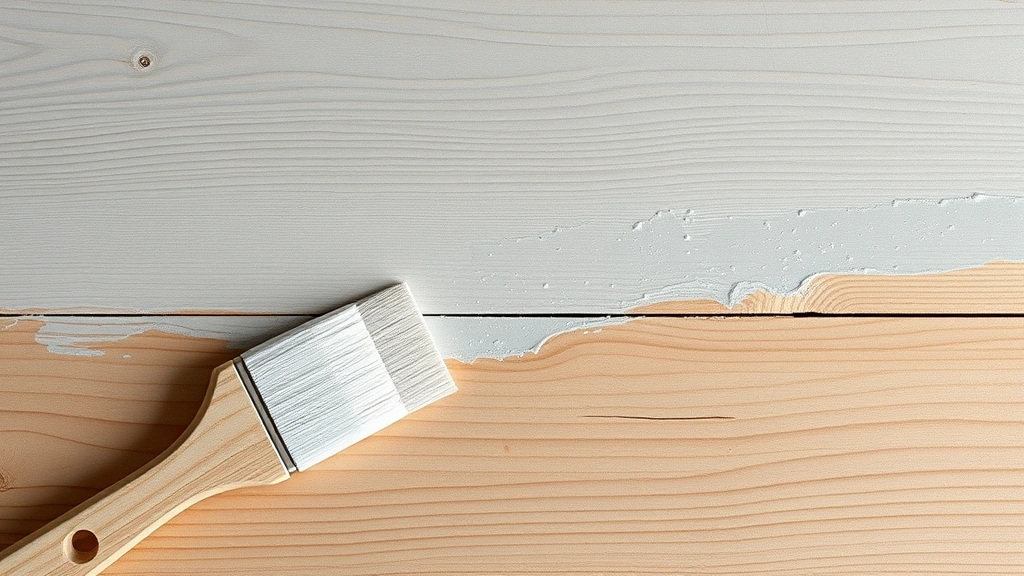
So you’re standing in your workshop wondering how long does it take primer to dry—and you need a straight answer, not marketing fluff. The truth? It depends on what you’re priming, what type of primer you’re using, and the conditions in your workspace. But here’s the deal: most primers dry to the touch in 1-3 hours, though full cure times can stretch to 24 hours or more. Let me break down exactly what you need to know before you move to the next step.
Table of Contents
- Primer Types & Drying Times
- Latex Primers Dry Fast
- Oil-Based Primers Need Patience
- Shellac Primers for Specialty Work
- Factors That Affect Drying
- Temperature & Humidity Matter
- Application Thickness Rules
- Recoating Timing is Critical
- Practical Tips to Speed Up Drying
- Common Drying Mistakes to Avoid
- Frequently Asked Questions
Primer Types & Drying Times
Not all primers are created equal, and neither are their drying times. The primer you choose for your project will make the biggest difference in how long you’re waiting around. Think of primer like the foundation of a house—get this right, and everything else goes smoother. There are three main categories you’ll encounter in most DIY situations, and each one has its own timeline.
Latex Primers Dry Fast
Water-based latex primers are the speed demons of the primer world. These are your go-to for most interior painting jobs, drywall repairs, and general surface prep. Latex primers typically dry to the touch in 1-2 hours, which means you can usually apply a second coat or topcoat within 3-4 hours. This is huge for DIYers because it keeps your project moving.
The reason latex primers dry so fast is simple: water evaporates quickly. You’re not waiting around for chemical reactions to happen—you’re just letting moisture escape into the air. In a well-ventilated workshop with decent temperature and humidity, you’ll be amazed how fast these work. Most manufacturers recommend waiting at least 1 hour before recoating, but honestly, 2 hours is safer if you’re in no rush. The full cure might take 24 hours, but you can usually paint over it much sooner.
Oil-Based Primers Need Patience
Oil-based primers are the patient craftsman’s choice. These are heavier-duty, better at blocking stains and odors, and absolutely essential for certain applications like priming wood before painting or covering up water damage. But here’s the catch: oil-based primers take 4-8 hours to dry to the touch, and you might need 16-24 hours before you can safely recoat.
Why the wait? Oil doesn’t evaporate like water does. Instead, it oxidizes—a chemical process that takes time. This is actually why oil-based primers are so durable and effective at sealing tough stains. If you’re priming over a water stain or smoke damage, this is your weapon of choice. Just plan your project accordingly. Apply it in the morning, and you’ll be ready to paint the next day. Rush it, and you’ll end up with a gummy mess that won’t accept topcoat properly.
Shellac Primers for Specialty Work
Shellac-based primers are the specialty players—fast-drying but with serious stain-blocking power. These dry incredibly fast, usually within 1 hour, making them perfect for quick turnarounds on tough jobs. They’re particularly good for blocking bleeding knots in wood, odors from pet damage, or permanent marker stains. The downside? They’re pricier and require mineral spirits for cleanup, which means more ventilation needed in your workshop.
Factors That Affect Drying
Here’s where most DIYers get frustrated: the manufacturer’s label says 1 hour, but your primer still feels tacky at hour three. The reason isn’t the primer—it’s your environment. Several factors work together to either speed up or slow down drying times, and understanding these is the key to not messing up your project.
Temperature & Humidity Matter
Temperature is your primer’s best friend or worst enemy. Most primers dry fastest between 50-85°F. Too cold, and the chemical reactions slow down dramatically. Too hot, and you might get uneven drying or surface issues. Humidity is equally important—high humidity keeps moisture in the air, which means water-based primers can’t evaporate as quickly. In a humid workshop or during a rainy day, add 50% more time to any drying estimate.
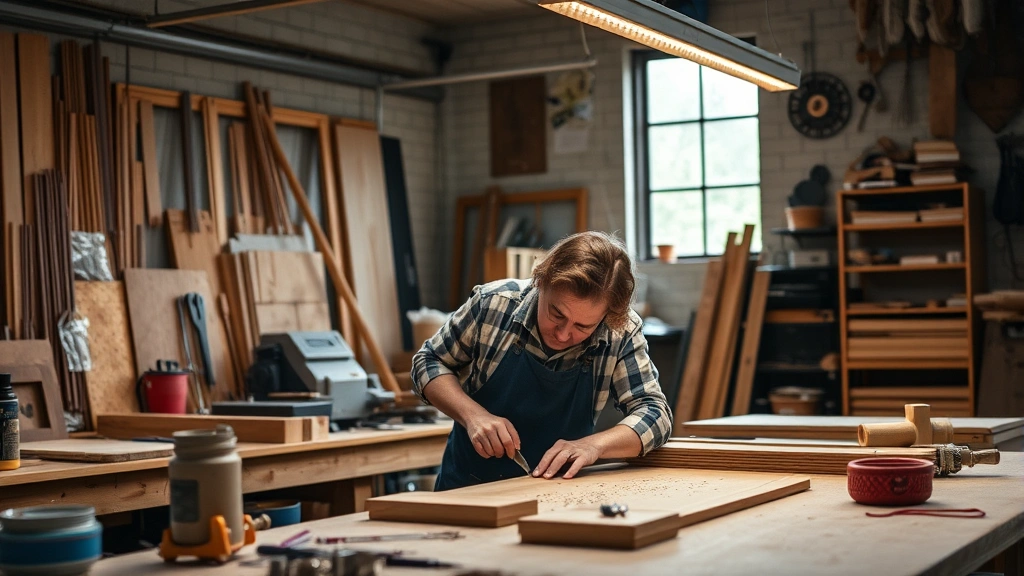
Here’s a practical example: that 1-hour dry time on the can? That’s under ideal conditions—around 70°F and 50% humidity. If you’re priming in your garage on a cool, damp morning, you’re looking at 2-3 hours minimum. Check your local conditions before you plan your project timeline. If it’s humid or cold, you’re better off starting early so you have plenty of daylight to work with.

Application Thickness Rules
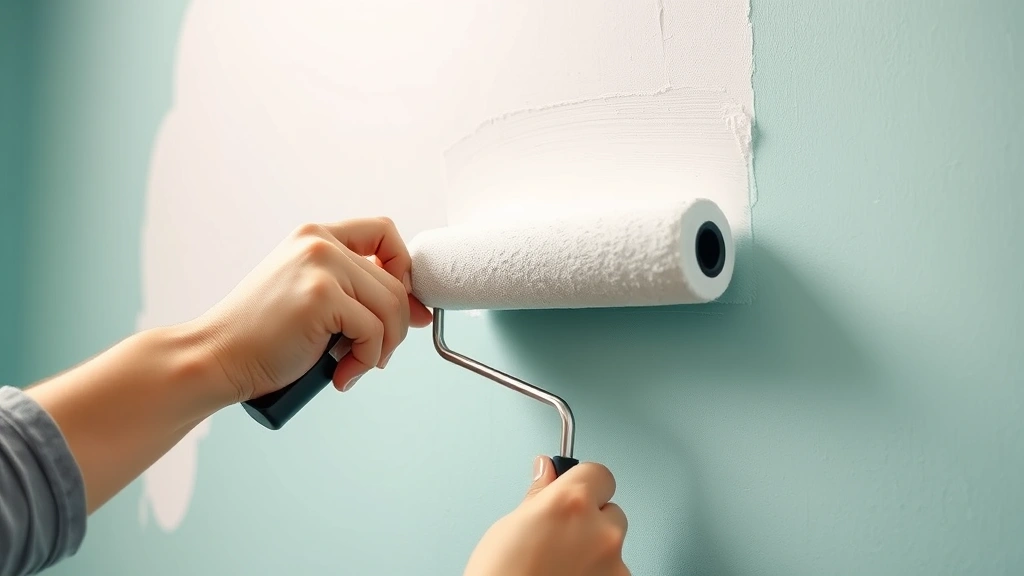
This is the mistake I see constantly: people think if one coat of primer is good, two thick coats are better. Wrong. Thick primer application takes exponentially longer to dry. A thin, even coat dries much faster than a heavy, gloopy application. You want to aim for a single coat that covers completely without drips or runs. This usually means using proper technique—not overloading your brush or roller.
Think about it logically: if moisture needs to evaporate from the surface, a thicker layer has more moisture to lose. Plus, thick primer can trap moisture underneath, creating bubbles or poor adhesion. Use a quality brush or roller, apply even pressure, and trust that one good coat is better than two mediocre ones. Your drying time will thank you, and your final finish will look better too.
Recoating Timing is Critical
This is where patience separates the pros from the rushed DIYers. Just because primer feels dry to the touch doesn’t mean it’s ready for topcoat. You need to understand the difference between surface-dry and fully cured. Surface-dry means you can touch it without leaving fingerprints. Fully cured means the primer has hardened throughout and can handle paint adhesion properly.
For latex primers, wait at least 2-3 hours before applying paint, even if it feels dry at 1 hour. For oil-based primers, don’t even think about painting until you’ve waited at least 16 hours—ideally overnight. Shellac primers can usually accept paint after 1-2 hours. If you rush this step, your topcoat might not adhere properly, leading to peeling, cracking, or poor coverage. It’s not worth the risk to save an hour.
Practical Tips to Speed Up Drying
If you’re working on a tight timeline, there are legitimate ways to speed up primer drying without compromising quality. First, improve air circulation in your workspace. Open windows, use fans, and keep air moving across the primed surface. This helps moisture evaporate faster and prevents humidity from settling on your work.
Second, check the temperature. If it’s cool, warm up your workspace a bit. Even raising the temperature from 60°F to 70°F can cut drying time significantly. Third, apply thinner coats. One properly applied coat dries faster than a thick, heavy application. Fourth, use a primer specifically formulated for fast drying if you’re in a hurry—some brands market quick-dry versions that cut drying time in half.
Finally, consider the time of day. Priming in the morning gives you the benefit of the whole day’s warmth and air circulation. Priming at night in a cool garage is asking for extended drying times. Plan your project around natural conditions, and you’ll work with the environment instead of against it.
Common Drying Mistakes to Avoid
I’ve seen DIYers make the same mistakes repeatedly, and they all cost time and money. First mistake: painting over wet primer. I get it—you’re eager to finish. But painting over primer that’s not fully dry leads to poor adhesion and wasted effort. Second mistake: closing windows and doors to trap heat. You think you’re helping, but you’re actually trapping humidity, which slows evaporation.
Third mistake: applying primer too thick to save time. Thick applications take longer to dry, not shorter. Fourth mistake: not reading the specific primer instructions. Different brands have different formulations, and what works for one might not work for another. Fifth mistake: ignoring humidity and temperature. These aren’t suggestions—they’re critical factors that determine success.
Sixth mistake: touching or testing the primer repeatedly. Every time you poke it, you’re potentially damaging the surface or leaving oils from your fingers. Let it sit and trust the process. Finally, don’t assume “dry to the touch” means “ready for paint.” These are different stages, and skipping the wait between them is a recipe for problems.
Frequently Asked Questions
Can I paint over primer that’s still slightly wet?
No. Painting over wet primer causes adhesion problems, poor coverage, and potential peeling down the line. Wait until it’s fully dry to the touch and ideally cured according to manufacturer recommendations. It’s a few hours of patience versus days of frustration.
Does primer dry faster in the sun?
Yes, but be careful. Direct sunlight can cause uneven drying, especially with water-based primers. The edges dry faster than the middle, potentially causing brush marks or lap marks. Indirect natural light and good air circulation is better than direct sun exposure.
What if I can’t wait for primer to dry?
Use a fast-drying primer like shellac-based options, or choose a primer specifically labeled as quick-dry. These can reduce drying time significantly. Alternatively, improve your workspace conditions—better ventilation, warmer temperature, lower humidity—all speed up drying naturally.
Is 24-hour cure time necessary before using the painted surface?
For light use, no. After 24 hours, most primers and paints are hard enough for normal handling. However, for heavy use or areas that will get wet or abraded, waiting a full week is safer. The longer cure time allows the paint and primer to harden completely.
Can I use a hair dryer to speed up primer drying?
Not recommended. Hair dryers can cause uneven drying, dust attraction, and potential surface issues. Better options are improving air circulation with fans, opening windows, and adjusting temperature naturally.
Why does primer sometimes stay tacky even after hours?
Usually it’s humidity or temperature. Cold, damp conditions slow evaporation dramatically. If your primer stays tacky beyond the recommended time, check your workspace conditions. You might need to improve ventilation, raise the temperature, or run a dehumidifier.
Bottom line: Most primer dries to the touch in 1-4 hours depending on type, but full cure takes much longer. Latex primers are fastest, oil-based primers need patience, and shellac primers split the difference. Temperature, humidity, and application thickness all matter. Don’t rush the drying process—it’s the foundation for a professional-looking finish. Plan your project timeline accordingly, create good working conditions, and trust the process. Your finished project will thank you.


