

So you’ve just started taking Zoloft, and naturally you’re wondering: how long does it take for Zoloft to work? The short answer is that most people begin noticing improvements within 2-4 weeks, but the full therapeutic effect can take 6-8 weeks or longer. But here’s the thing—everyone’s timeline is different, and understanding what to expect during those early weeks can make a huge difference in staying committed to your treatment.
Table of Contents
Initial Timeline: First Two Weeks
During the first 14 days of taking Zoloft (sertraline), your body is essentially getting acquainted with the medication. You probably won’t notice dramatic mood improvements yet—that’s completely normal. What you might experience instead are some physical sensations as your system adjusts to this SSRI (selective serotonin reuptake inhibitor).
Your doctor started you on a specific dose for a reason. Most people begin with 50mg daily, and your body needs time to build up the medication in your system. Think of it like filling a bathtub—you need consistent water flow before it gets deep enough to notice. During week one and two, you’re establishing that baseline. Some folks report feeling slightly different, while others notice nothing at all. Both experiences are completely valid.
Weeks 3-4: When Changes Appear
This is where things get interesting. Around week three, many people start noticing subtle shifts. Your sleep might improve first—you might find yourself sleeping more deeply or waking up less during the night. Energy levels often pick up around this timeframe too. You might catch yourself thinking about things differently or feeling less overwhelmed by situations that previously triggered anxiety.
By week four, the real benefits become more apparent for most users. Anxiety symptoms typically start loosening their grip. You might notice you’re not catastrophizing as much, or that social situations feel less suffocating. Depression symptoms often begin lifting during this window as well. However, and this is important, not everyone follows this exact timeline. Some people see improvements by week two, while others need to wait until week six or beyond.
Full Therapeutic Effect Timeline
Here’s what the research shows: the maximum therapeutic benefit of Zoloft typically arrives between 6-8 weeks of consistent use. This is when your brain chemistry has fully adapted to the medication, and you’re experiencing the full anti-anxiety and antidepressant effects it can provide. Some patients continue improving even beyond eight weeks—up to 12 weeks isn’t uncommon for maximum benefit.
This extended timeline exists because serotonin reuptake inhibition is just the beginning. Your brain needs time to create new neural pathways, adjust receptor sensitivity, and establish new baseline functioning. It’s a biochemical renovation project, not a light switch. Your doctor knows this, which is why they typically ask you to stick with your dose for at least 4-6 weeks before making any changes.
Factors Affecting Your Timeline
Your personal timeline depends on several variables working together. Age matters—younger bodies sometimes metabolize medications differently than older ones. Your genetics play a huge role too; if your parents responded quickly to SSRIs, you might as well. Body weight, metabolism, and liver function all influence how quickly Zoloft builds up in your system.
The condition you’re treating matters significantly. Anxiety disorders sometimes respond faster than depression. OCD typically requires longer treatment periods. Your baseline severity counts too—someone with mild anxiety might see changes in week two, while someone with severe depression might need the full 8-12 week timeline. Concurrent medications can speed things up or slow them down, which is why your doctor needs a complete medication list. Understanding your complete health picture helps your doctor optimize your treatment plan.
Side Effects vs. Benefits
Here’s what catches people off guard: you might experience side effects before you experience benefits. This feels backwards, but it’s completely normal. Common early side effects include nausea, headaches, jitteriness, or insomnia. These typically peak around day 3-7 and gradually diminish over the first 2-3 weeks as your body adjusts.
The tricky part is distinguishing between side effects (which usually fade) and genuine adverse reactions (which might require dosage adjustment or medication change). Most side effects resolve on their own. Taking Zoloft with food helps with nausea. Taking it in the morning instead of evening might help with sleep disruption. Your doctor has strategies for managing these temporary discomforts while you wait for the therapeutic benefits to kick in.
Dosage Adjustments Matter
If you’re not seeing adequate improvement by week 6, your doctor might increase your dose. Standard starting doses are 50mg, but therapeutic doses often range from 50-200mg daily. A dose increase typically resets the timeline slightly—you’ll need another 4-6 weeks at the new dose to assess full effectiveness.
This is why patience becomes your actual treatment tool. Rushing through dosage increases or switching medications too quickly prevents you from knowing what actually works. Your doctor’s conservative approach isn’t being cautious for caution’s sake—it’s based on decades of clinical evidence showing that steady, measured adjustments produce better long-term outcomes. Just like any significant change, rushing the process often backfires.
Managing Expectations
The biggest obstacle people face isn’t the medication—it’s unrealistic expectations about timing. You might think, “I’ll take this pill and feel better tomorrow.” That’s not how SSRIs work. Your brain isn’t broken; it’s just running low on serotonin or having trouble using the serotonin it has. Fixing that requires your neurochemistry to rebalance, which takes time.
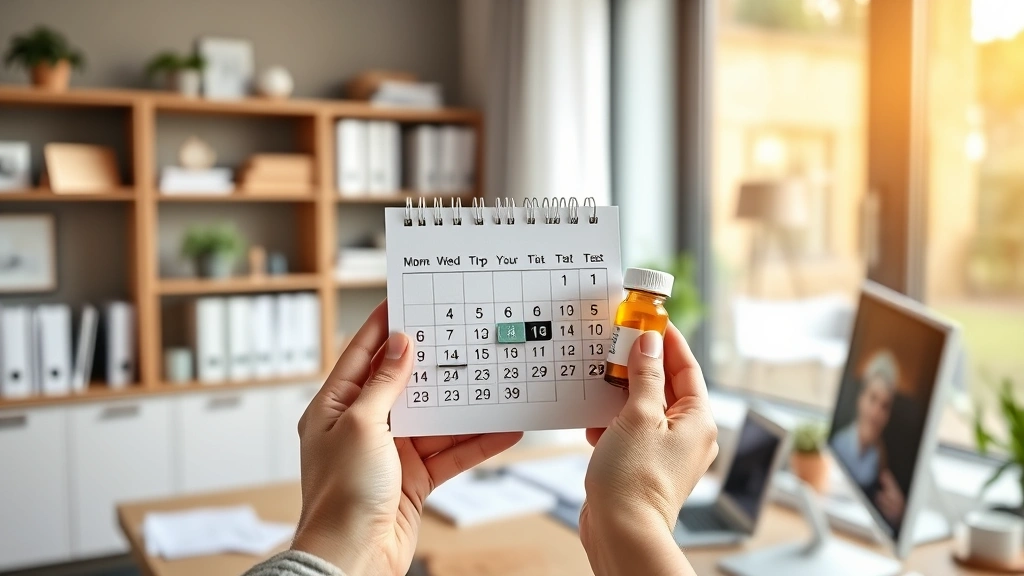
During those early weeks, keep a simple log. Note your sleep quality, anxiety levels on a scale of 1-10, energy, concentration, and mood. You’re looking for trends, not day-to-day perfection. Some days will feel worse than others—that’s noise in the signal. What matters is the overall direction over weeks, not hours. Many people realize weeks later that they’ve gradually improved without noticing it happening in real-time.
When to Contact Your Doctor
You should reach out to your prescriber immediately if you experience suicidal thoughts, severe allergic reactions, or dangerous behavioral changes. These require urgent attention. You should also contact them if you’re experiencing severe side effects that aren’t improving after a week, or if you’re having thoughts about stopping the medication.
Schedule a regular follow-up around week 4-6 to discuss your progress. Bring your notes. Be honest about what you’re experiencing—both the good and the frustrating. Your doctor can’t help if they don’t know what’s actually happening. If you’ve reached week 8 with no improvement whatsoever, that’s a conversation worth having. Sometimes Zoloft isn’t the right medication for someone, and that’s okay. Finding the right solution sometimes requires trying different approaches.
Frequently Asked Questions
Can Zoloft start working in one week?
While some people report feeling slightly different within a week, true therapeutic benefits typically don’t appear until week 2-4. One week is too early to assess effectiveness. Your body is still adjusting to the medication during this period.
What if I don’t feel better after 8 weeks?
If you’ve reached 8 weeks with minimal improvement, contact your doctor. They might increase your dose, switch you to a different SSRI, or try a completely different medication class. About 30% of people don’t respond adequately to their first SSRI, so this isn’t uncommon or a sign of failure.
Should I stop taking Zoloft if side effects are bad?
Don’t stop abruptly without talking to your doctor. Stopping suddenly can cause withdrawal symptoms. Your doctor can help manage side effects, adjust timing, or try different strategies. They might lower your dose temporarily or switch you to a different medication, but they need to guide that process.
Does Zoloft work faster if you take a higher dose?
Not really. Higher doses don’t make Zoloft work faster—they just increase the amount of medication in your system. You still need 4-6 weeks for your brain to fully adapt, regardless of dose. Starting too high often just means more side effects without faster benefits.
Can caffeine affect how quickly Zoloft works?
Caffeine doesn’t change Zoloft’s timeline, but it can intensify side effects like jitteriness or insomnia during early treatment. Reducing caffeine during the first few weeks might help you tolerate the medication better while you wait for benefits to appear.
Is it normal to feel worse before feeling better?
Yes. Some people experience temporary worsening of symptoms during the first 1-2 weeks. This usually resolves as your body adjusts. It’s one reason why consistent communication with your doctor matters during early treatment.
The Bottom Line
How long does it take for Zoloft to work? Most people see meaningful improvements between 4-8 weeks, with full effects arriving around 8-12 weeks. Your personal timeline depends on your body, your condition, your genetics, and your specific circumstances. The hardest part isn’t waiting—it’s staying patient and committed while you wait.
Keep detailed notes, maintain regular contact with your doctor, and resist the urge to make changes too quickly. Early side effects don’t mean the medication won’t work. Lack of improvement by week four doesn’t mean you should give up. Give yourself permission to trust the process. Your brain is rewiring itself, and that takes time. If you’re struggling with the timeline or experiencing concerning symptoms, reach out to your healthcare provider. They’ve guided thousands of people through this exact journey, and they can help guide you too.


