
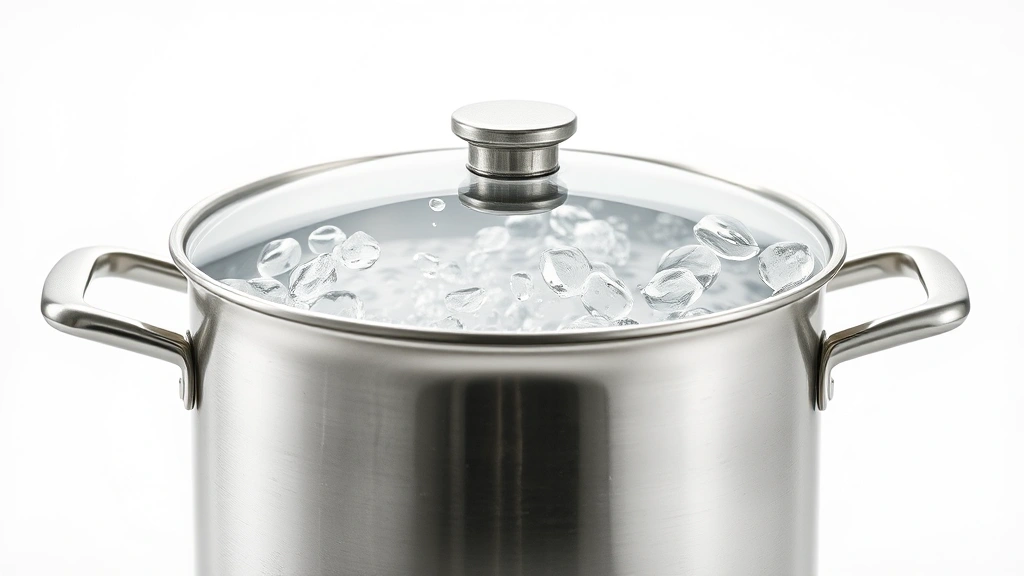
So you’re standing at the stove wondering how long does it take for water to boil, and honestly, it’s one of those questions that seems simple until you realize there’s actually a lot going on behind the scenes. The short answer? Anywhere from 5 to 15 minutes depending on several factors. But let’s dig deeper because understanding the variables will make you a smarter cook and save you time in the kitchen.
Table of Contents
Water Volume Matters Most
This is the heavyweight champion of boiling factors. A single cup of water will boil in roughly 2-3 minutes on a gas stove or electric burner. But fill up a 5-quart pot? You’re looking at 15-20 minutes. The reason is straightforward physics—more water means more molecules need to reach 212°F (100°C), and that takes energy and time. When you’re planning dinner, always account for this. A gallon of water takes significantly longer than a quart, so don’t underestimate your timeline if you’re cooking pasta for a crowd or making stock.
Heat Source Types
Your stove setup plays a massive role. Gas burners heat water faster than traditional coil electric burners because they deliver more immediate, concentrated heat. Smooth-top electric stoves fall somewhere in the middle, while induction cooktops are actually the speed demons of the kitchen—they heat water 25-30% faster than gas because the heat is transferred directly to the pot. If you’re someone who plans meals carefully, knowing your stove type helps with timing.
Altitude Temperature Impact
Here’s where things get interesting. If you live in Denver or any high-altitude location, water boils at a lower temperature. At sea level, water boils at 212°F, but at 5,000 feet elevation, it boils at around 202°F. This means water will actually start boiling faster, but it’s a weaker boil. For cooking purposes, this affects pasta, rice, and especially things like making specialty foods that depend on precise temperatures. High-altitude cooks often need to extend cooking times even though the water boils quicker.
Pot Material Efficiency
Not all pots are created equal when it comes to heat conductivity. Copper and aluminum pots conduct heat faster than stainless steel, which means water boils quicker. Stainless steel is popular because it’s durable and doesn’t react with acidic foods, but it’s slower at transferring heat. A thick-bottomed pot heats more evenly than a thin one, though it takes slightly longer to reach a boil. The lid is your secret weapon—a covered pot boils 25-30% faster because the steam stays trapped and heats the water more efficiently.
Starting Water Temperature
Common sense, but worth stating: hot tap water boils faster than cold water. If your tap water comes out warm, you’re already ahead. Some people use water that’s been sitting in the sun or even pre-heated water from a kettle. This can shave 2-3 minutes off your boiling time. However, for safety reasons in older plumbing systems, it’s generally recommended to use cold water for cooking because hot water lines can pick up sediment and minerals. The time saved isn’t worth potential contamination.
Speed Up Boiling Time
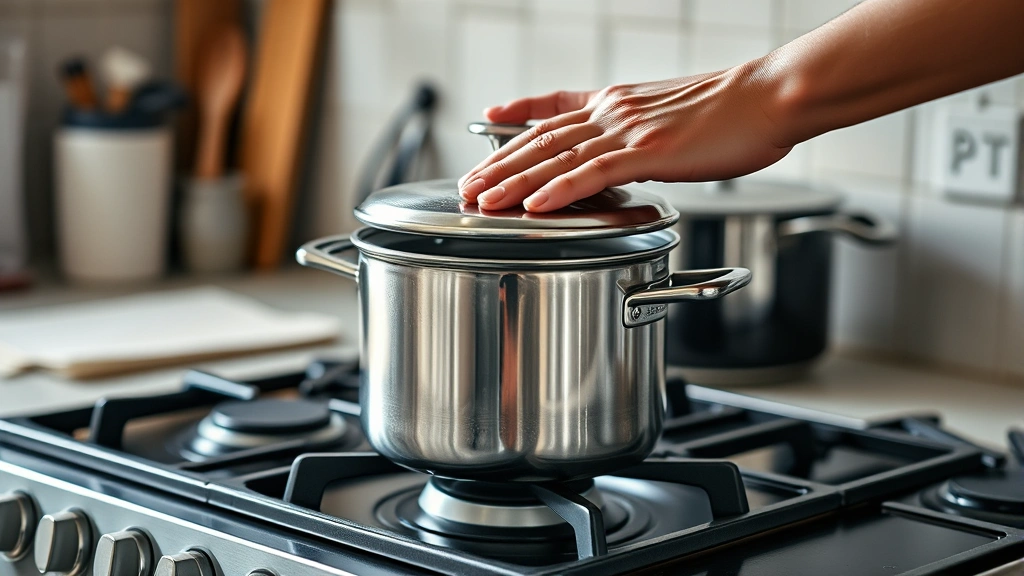
Want to be a kitchen efficiency expert? Here’s the pro move: use a lid. Seriously, this single action is the biggest game-changer. A covered pot boils water dramatically faster because you’re trapping heat. Second, start with the right amount of water—don’t overfill. Third, use an induction cooktop if you have the option, or max out your gas burner’s heat. You can also add a pinch of salt, which raises the boiling point slightly but also increases water density, making it feel like it boils faster (though scientifically, salt actually raises the boiling point by a tiny fraction). For recipes requiring boiling water, having your pot ready to go saves precious minutes.
Energy Efficiency Tips
Boiling water consumes energy, so why waste it? Use a kettle instead of a pot if you only need a cup or two—kettles are designed to boil water efficiently. Match your pot size to your burner size; a small pot on a large burner wastes heat around the sides. Keep your burner clean and your pot bottom flat so maximum contact happens. If you’re boiling multiple pots, stagger them rather than running them simultaneously, which can reduce overall burner efficiency. These small adjustments add up over time, especially if you’re someone who boils water daily.
Real World Scenarios
Let’s talk actual kitchen situations. You’re making pasta for two people—about 2 quarts of water on a gas stove with a lid: 5-7 minutes. You’re making soup stock with 8 quarts on an electric coil burner without a lid: 20-25 minutes. You’re brewing tea with 1 cup of water in a kettle on an induction cooktop: 2-3 minutes. You’re cooking in Denver at 5,280 feet elevation with 4 quarts on a smooth-top electric stove: 12-15 minutes. Understanding these variables helps you plan your cooking timeline realistically instead of staring at a pot wondering why it’s taking forever.
Frequently Asked Questions
Does salt really make water boil faster?
This is a kitchen myth that’s been debated for decades. Salt actually raises the boiling point of water slightly, which means it technically takes longer to boil. However, the effect is so minimal (we’re talking seconds) that it’s negligible. Add salt for flavor, not speed. The real benefit of salt comes after boiling—it seasons the water, which is important for pasta or vegetables.
Why does my water take so long to boil?
Check these factors: Are you using a lid? Is your burner on high heat? How much water are you boiling? Is your pot bottom making full contact with the burner? Are you using an older electric coil burner? Any combination of these could slow down boiling. The most common culprit is either too much water or no lid.
Can you boil water in the microwave?
Absolutely, and it’s actually faster for small quantities. A cup of water in the microwave takes 2-3 minutes depending on your microwave’s wattage. For larger quantities, stovetop boiling is more efficient. Be careful when removing microwaved water—it can superheat and splash.
What’s the difference between boiling and simmering?
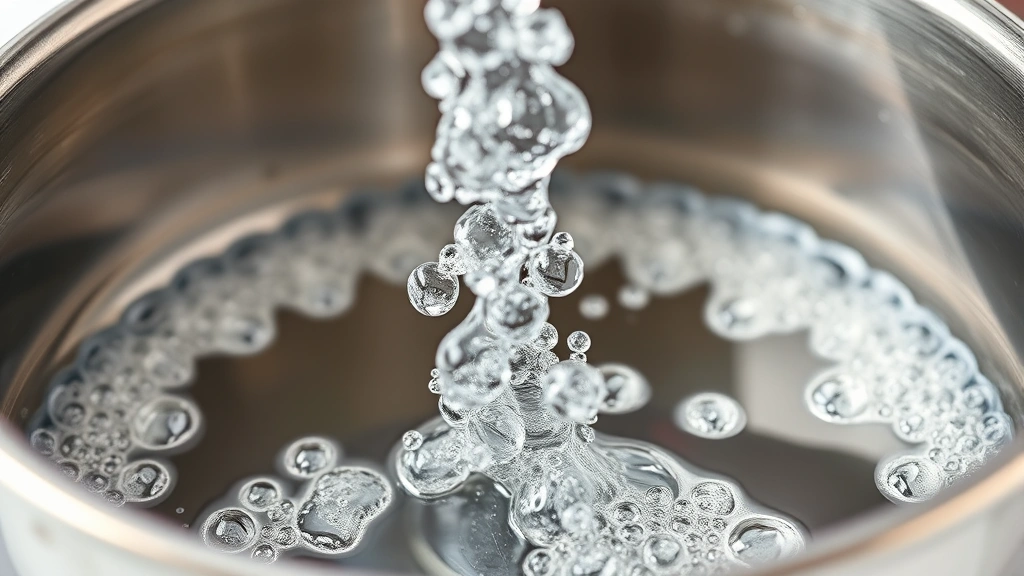
Boiling is when water reaches 212°F and has rolling bubbles throughout. Simmering is 180-205°F with gentle, occasional bubbles. Simmering is gentler for cooking delicate foods and uses less energy. Once water boils, reduce heat to achieve a simmer.
Does the shape of the pot affect boiling time?
Yes, wider pots with more surface area heat slightly faster than tall, narrow ones because more water surface is exposed to the heat source. However, the difference is minimal compared to other factors like volume and lid usage.
Wrap It Up
So how long does it take for water to boil? The honest answer depends on your specific situation, but now you know exactly what factors matter. Use a lid, match your pot size to your burner, account for altitude if you’re at elevation, and remember that water volume is the biggest variable. Most everyday cooking scenarios—boiling pasta, making tea, cooking vegetables—happen in the 5-15 minute window. Stop stressing about it, use these tips to optimize your process, and you’ll become way more efficient in the kitchen. The next time someone asks you this question, you’ll have the real answer, not just a guess.


