
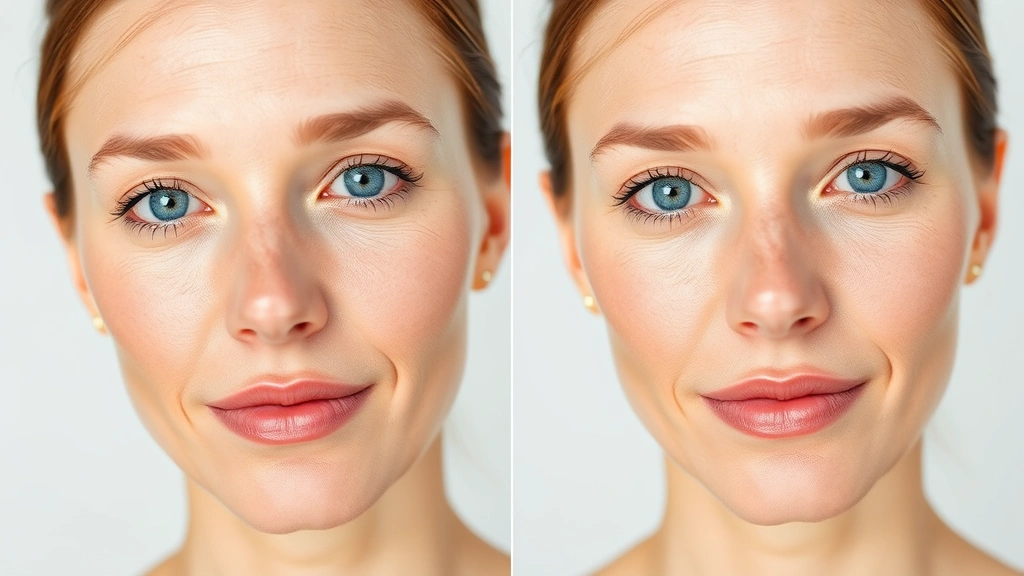
If you’re wondering how long does it take for tretinoin to work, you’re probably staring at that prescription bottle thinking you’ve made a huge mistake. You slathered it on your face last week and… nothing. No miracle. No glowing skin. Just some redness and maybe a little peeling. Welcome to the tretinoin journey—it’s a marathon, not a sprint, and understanding the real timeline will save you from ditching this powerful stuff too early.
Table of Contents
What is Tretinoin Anyway?
Tretinoin is the prescription-strength version of vitamin A—basically the heavy hitter in the retinoid family. Unlike over-the-counter retinol that your body has to convert, tretinoin goes straight to work telling your skin cells to shape up. It’s FDA-approved for treating acne and photoaging, and dermatologists have been prescribing it for decades because it actually works. But here’s the catch: it requires patience and commitment.
Think of tretinoin like learning a new skill. You wouldn’t expect to play guitar like a pro after one week of lessons, right? Your skin needs time to adapt to this powerful ingredient, and that adaptation period is exactly what trips people up.
The First Month: Adjustment Phase
The first month is rough. I’m not going to sugarcoat it. Most people experience what’s called “retinization”—your skin’s adjustment to tretinoin—and it’s not pleasant. You’ll likely see redness, dryness, flaking, and possibly some irritation that makes you question every life choice that led to this moment.
During week one, you might notice increased sensitivity and maybe some purging (breakouts as your skin sheds dead cells faster). By week two, the dryness typically intensifies. Week three and four? You’re in the thick of it. This is when most people quit, thinking tretinoin isn’t for them or that they’re having a bad reaction. Don’t bail now.
Expect zero visible improvements in month one. Actually, your skin might look worse. This is completely normal and doesn’t mean you’re doing anything wrong. Your skin barrier is adjusting, and your cells are being told to turn over faster than they’re used to.
Months 3-6: Real Changes Appear
Around the three-month mark, things shift. The redness starts calming down. Your skin texture begins improving. Fine lines that seemed permanent start softening. Acne starts clearing up more noticeably. This is when people typically say, “Oh, okay, I get it now.”
By month four or five, you’re seeing legitimate results. Hyperpigmentation fades. Pores appear smaller. Your skin tone evens out. The improvements are gradual enough that you might not notice day-to-day, but comparing photos from month one to month five? That’s when you see the real difference.
This is also the sweet spot where your skin has mostly adapted, so side effects are manageable. You know how to layer products, you’ve figured out your dosage, and you’re not constantly dealing with excessive peeling.
6-12 Months: The Payoff Period
This is where tretinoin earns its reputation. By six months, most people see dramatic improvements in acne, fine lines, and overall skin texture. Deeper wrinkles start filling in. Skin looks firmer and more radiant. Stubborn acne that didn’t respond to anything else is usually cleared up or significantly improved.
The twelve-month mark is when you’re seeing the full potential of your tretinoin routine. Collagen production has ramped up. Cell turnover is optimized. Your skin barrier is stronger than it was before you started (assuming you didn’t abuse it). This is the point where people realize why dermatologists have been recommending this stuff forever.
Keep in mind that results continue improving even after a year. Some benefits plateau, but tretinoin’s collagen-building effects keep working for years with consistent use. It’s basically an investment in your skin’s future.
Understanding Retinization
Retinization is the technical term for what happens when your skin adapts to tretinoin. Your skin cells are basically getting reprogrammed to work better. This process involves increased cell turnover, which is why you get the flaking and redness. It’s not damage—it’s transformation.
The timeline for retinization varies. Some people adapt in six weeks. Others need twelve weeks. A small percentage takes up to sixteen weeks. Factors like your starting dose, application frequency, and individual skin sensitivity all play a role. Starting low (like 0.025%) and going slow is why dermatologists recommend the “start low, go slow” approach.
Your skin isn’t actually getting worse during retinization—it’s just shedding the old stuff to make room for new, healthier cells. Once you push through this phase, the improvements come faster.
How Skin Type Affects Results
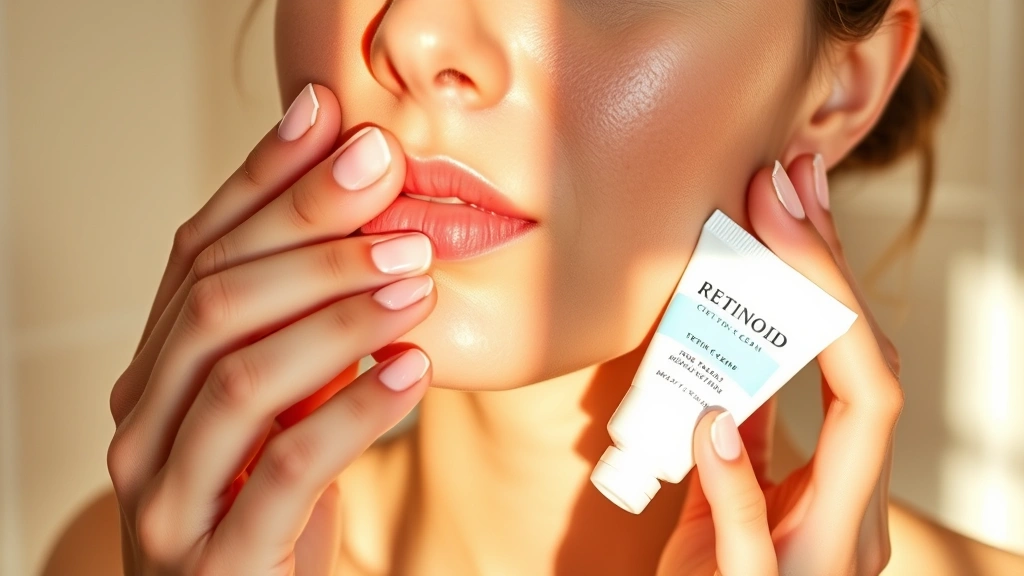
Not everyone follows the exact same timeline. Your skin type matters a lot. Oily skin tends to tolerate tretinoin better and often sees results faster because there’s less dryness to deal with. Dry or sensitive skin might take longer to adapt and might experience more intense side effects, meaning a slower start is necessary.
People with acne-prone skin often see improvements by month two or three because tretinoin directly addresses the mechanisms that cause breakouts. People using tretinoin primarily for anti-aging might not see dramatic changes until month four or five because fine line improvement is a slower process than acne clearing.
Darker skin tones need to be especially careful because tretinoin can sometimes cause post-inflammatory hyperpigmentation if irritation is too intense. This doesn’t mean darker skin can’t use tretinoin—it just means starting at lower concentrations and being more conservative with frequency is smart.
Mistakes That Slow Your Progress
Want to know why some people say tretinoin didn’t work for them? Usually it’s because they made one of these mistakes:
Starting too strong: Beginning at 0.1% when you should start at 0.025% is asking for trouble. You’ll experience intense side effects, your skin barrier gets compromised, and you might quit before seeing results.
Using it too frequently: Every night sounds good in theory, but most people need to start at two or three times per week. You can increase frequency as your skin adapts, but jumping straight to daily use causes unnecessary irritation.
Not moisturizing properly: Tretinoin dries out your skin. If you’re not using a good moisturizer, your skin barrier suffers, and you’ll experience more irritation and slower healing. This isn’t optional—it’s essential.
Mixing with incompatible products: Using tretinoin with vitamin C, AHAs, BHAs, or other actives at the same time is a recipe for a damaged skin barrier. Simplify your routine while you’re adjusting.
Quitting too early: The most common mistake. People see the initial redness and flaking, panic, and stop. They never make it to month three when the magic actually happens.
Managing Tretinoin Side Effects
Side effects are real, but they’re manageable. The key is knowing what to expect and having strategies ready.
Redness and irritation: This is normal. Use a gentle cleanser, avoid hot water, and apply tretinoin to completely dry skin (wait 20 minutes after cleansing). Use a good moisturizer immediately after. If irritation is severe, reduce frequency or concentration.
Dryness and peeling: Invest in a solid moisturizer—something with ceramides, hyaluronic acid, or peptides. Some people benefit from using a hydrating toner before moisturizer. Avoid physical exfoliants entirely while using tretinoin.
Purging: Your skin sheds dead cells faster, which can temporarily increase breakouts. This typically lasts two to four weeks and is a sign tretinoin is working, not failing. Don’t panic and stop using it.
Photosensitivity: Tretinoin makes your skin more sensitive to sun damage. SPF 30 minimum, every single day, no exceptions. This isn’t negotiable if you want results to stick around.
Long-Term Maintenance Strategy
Once you’ve reached your goal—clear skin, reduced wrinkles, improved texture—you don’t necessarily stop tretinoin. Most people maintain results by continuing use, though frequency might decrease. Some people use it three times per week instead of daily. Others stick with daily use because they’ve adapted and it’s become part of their routine.
The benefits of tretinoin aren’t permanent if you stop. Your skin will gradually revert to its pre-tretinoin state over several months. That doesn’t mean you have to use it forever, but consistent use is what keeps the results.
Think of it like maintaining a skill. You learned guitar and got good at it. If you stop playing for a year, you’ll get rusty. But if you keep playing regularly, you stay sharp. Same concept with tretinoin and your skin.
Frequently Asked Questions
Can I use tretinoin while pregnant?
No. Tretinoin is a Category X medication, meaning it’s contraindicated in pregnancy. If you’re planning to get pregnant, discuss timing with your dermatologist. Most recommend stopping tretinoin at least one month before attempting conception, though some suggest three months to be safe.
Will tretinoin make my skin worse before it gets better?
Yes, temporarily. The first month or two usually involve increased redness, dryness, and potentially more breakouts as your skin purges and adjusts. This is called retinization and is completely normal. It’s not your skin getting worse permanently—it’s the adjustment phase.
Can I use tretinoin with other actives like vitamin C or niacinamide?
Once your skin is fully adapted (usually after month two or three), you can layer some actives. But during the initial adjustment phase, keep your routine simple. Niacinamide is generally safe to use with tretinoin. Vitamin C, AHAs, and BHAs should be introduced slowly and carefully, if at all.
What’s the difference between tretinoin and retinol?
Tretinoin is prescription-strength and works directly on skin cells. Retinol is over-the-counter and your body has to convert it to retinoic acid first. Tretinoin is more potent and shows results faster, but also causes more initial irritation. Retinol is gentler but takes longer to work.
Is tretinoin safe for sensitive skin?
Yes, but you need to start very conservatively. Begin with 0.025% concentration, use it just two times per week, and gradually increase frequency. Use a robust moisturizer routine. Sensitive skin can absolutely use tretinoin—it just requires patience and a slower introduction.
How long can I safely use tretinoin?
Tretinoin is safe for long-term use. People have been using it for decades without issues. The key is consistent sun protection and proper moisturizing. Your skin doesn’t build tolerance to tretinoin the way it might with other ingredients, so you don’t need to cycle off it.
Will my results disappear if I stop tretinoin?
Gradually, yes. The improvements tretinoin makes—especially fine line reduction and collagen building—will slowly reverse if you stop using it. Most people see noticeable regression within three to six months of stopping. That’s why most dermatologists recommend continuing maintenance use.
The Bottom Line on Tretinoin Timeline
Here’s the real deal: how long does it take for tretinoin to work depends on what you’re treating and your individual skin, but expect the first visible improvements around month three, significant changes by month six, and full results by month twelve. The first month is rough, the second month is still challenging, and by month three you’ll understand why people are obsessed with this stuff.
The secret isn’t some magic formula—it’s consistency, patience, and not bailing during the adjustment phase when everyone else would quit. If you’re considering tretinoin, talk to a dermatologist about whether it’s right for you. If you’re already using it and currently in the “why am I doing this to myself” phase, hang in there. You’re closer to results than you think.
For more information on how long treatments take to work, check out how long it takes for semaglutide to suppress appetite or explore how long to become a pharmacist if you’re interested in the science behind medications.
For authoritative information on tretinoin and skin care, consult resources like the American Academy of Dermatology, Family Handyman’s health section, or Bob Vila’s wellness guides.


