
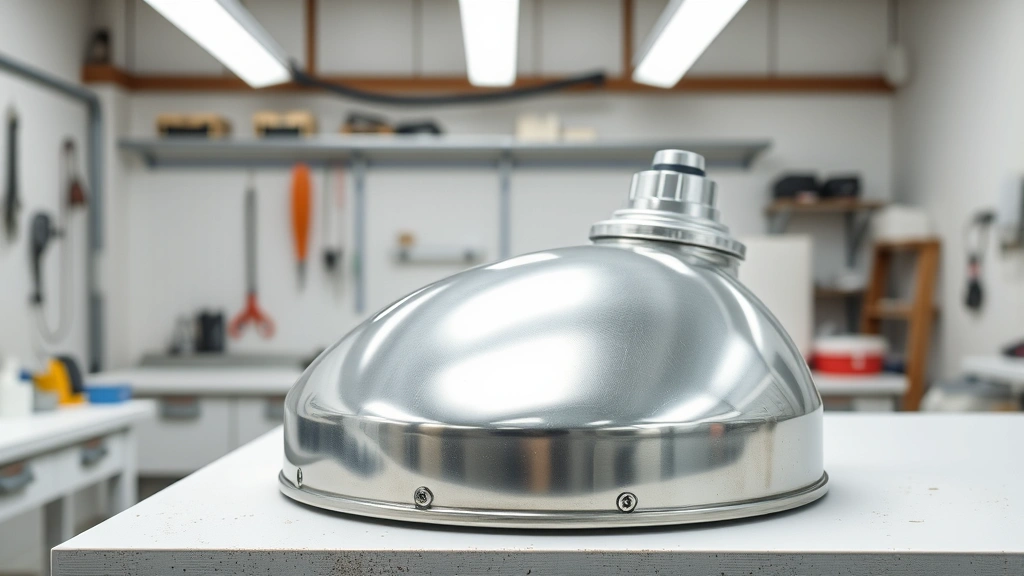
So you’re wondering how long does it take for spray paint to dry—and honestly, it’s one of the most common questions I get in the workshop. The short answer? It depends. Most spray paint reaches a tack-free state in 15-30 minutes, but full cure time can stretch to 24 hours or more. Stick around, because I’m about to break down everything that affects drying time, plus some pro tips that’ll save you from rookie mistakes.
Table of Contents
Spray Paint Drying Basics
Let me be straight with you: spray paint drying is not a simple on-off switch. There are actually multiple stages happening simultaneously. When you spray that first coat, the paint particles are suspended in a propellant that evaporates almost immediately upon contact with air. That’s why the surface feels dry to the touch within minutes.
But here’s where most people get confused—feeling dry and being ready for another coat are two totally different things. The paint is still curing chemically inside, even when the surface feels bone-dry. This is crucial information if you want a professional-looking finish without drips, runs, or adhesion problems down the road.
Factors That Affect Drying Time
About a dozen variables influence how fast spray paint dries, and I’m going to hit the big ones. Paint type is number one—acrylic spray dries faster than lacquer or enamel. The ambient temperature in your workspace matters enormously. Air circulation changes everything. Even the color of the paint affects drying speed (dark colors absorb heat and dry faster than light colors).
Humidity levels will either help or sabotage your project. The thickness of your coats matters too. And here’s something people overlook: the surface you’re painting on affects cure time. Porous materials like wood or paper absorb solvents differently than metal or plastic. I’ve learned this the hard way after too many botched projects.
Tack-Free vs. Full Cure Time
This distinction is absolutely critical. Tack-free means the paint surface won’t stick to your finger when you touch it lightly. For most spray paints, this happens in 15-30 minutes. You can handle the object, move it around, and apply a second coat at this stage.
Full cure is when the paint has hardened completely and reached its maximum durability. This is where the paint develops its final color, gloss, and protective properties. Full cure typically takes 24 hours, sometimes up to 72 hours for certain enamel formulations. If you put your project to heavy use before full cure, you risk scratches, dents, or finish damage that won’t show up until later.
Temperature and Humidity Matter
Cold air slows down spray paint drying dramatically. Below 50°F, you’re looking at significantly extended dry times—sometimes double or triple the manufacturer’s estimates. I learned this lesson during a fall garage project that turned into a nightmare. High humidity does the same thing because moisture in the air interferes with solvent evaporation.
The sweet spot? 65-75°F with 40-60% humidity. At these conditions, most spray paints dry at their advertised speed. Above 85°F, you might actually get faster drying, but you risk the paint drying too fast on the surface while the interior stays wet—this causes crackling and poor adhesion. Ideal workshop conditions are worth setting up properly.
Different Paint Types Dry Differently
Acrylic spray paint is the fastest drier—typically tack-free in 10-20 minutes. This is what you’ll grab for most household projects. Lacquer-based spray paints dry faster too, around 15-30 minutes, but they’re more toxic and require serious ventilation. Enamel spray paints are the slowest, needing 30-60 minutes to reach tack-free, with full cure taking several days.
Oil-based paints cure through oxidation rather than evaporation, which is why they take so long. Polyurethane spray paints are in the middle range, around 20-40 minutes. Always check your specific can’s label—manufacturers test their products and the numbers they provide are your baseline. I’ve seen huge variations even within the same brand depending on formulation changes.
How to Speed Up Drying
First, optimize your environment. Get your workshop to 70°F and use a fan to create air circulation without creating dust. Don’t point the fan directly at the wet paint—that can cause uneven drying and surface defects. Instead, position it to move air around the room.
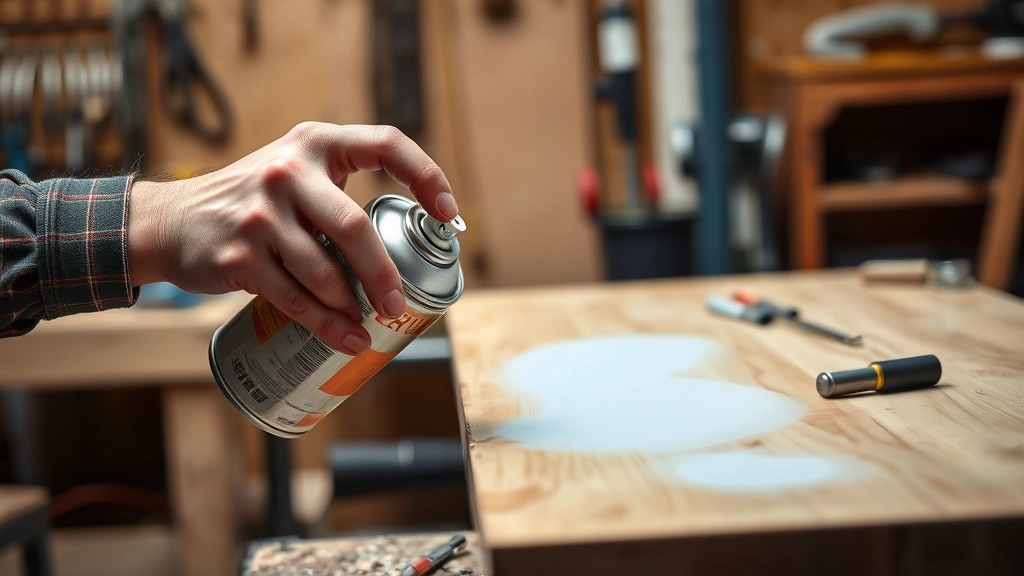
Use thin, even coats rather than one thick coat. Thin coats dry faster because there’s less solvent to evaporate. Multiple thin coats actually dry quicker overall than one heavy coat. Keep your spray can at the recommended distance (usually 6-8 inches) and use smooth, overlapping strokes. Heat lamps can help, but they’re risky—too much heat causes the same problems as overly warm air.
Some people use drying accelerators added to the paint, but I’m cautious about those. They can affect the paint’s final properties if not used correctly. Stick with environmental control as your primary strategy.
Common Drying Mistakes to Avoid
The biggest mistake? Applying a second coat too soon. I see this constantly—someone thinks the paint is dry, slaps another coat on, and ends up with wrinkled, uneven coverage. Wait for tack-free at minimum, but honestly, waiting 30-45 minutes between coats is safer than the bare minimum.
Don’t paint in direct sunlight if you can help it. The surface dries fast while the interior stays wet, creating adhesion problems. Never paint in a cold garage in winter without heating the space first. And for the love of your project, don’t try to speed things up with a heat gun—you’ll get crazing, bubbling, and finish failure.
Avoid painting in high humidity without addressing it. If your garage is damp, crack a window and run a dehumidifier. Thick, dripping coats are another classic error. You want smooth, even coverage, not paint so thick it runs. It takes practice to get the spray technique right, but it’s worth learning.
When to Apply Second Coats
Most spray paint manufacturers recommend waiting 15-30 minutes between coats for light coverage, or 30-60 minutes if you’re doing heavier coats. This is the sweet spot where the first coat is tack-free but the solvents haven’t fully evaporated. At this stage, the second coat bonds perfectly with the first coat.
If you wait too long—like several hours—the first coat’s surface hardens completely and the second coat doesn’t bond as well. You end up with a finish that can peel or crack more easily. If you wait overnight, you actually need to lightly sand the first coat with 220-grit sandpaper before applying the second coat to restore adhesion.
The number of coats depends on your project. Most spray paint projects need 2-3 coats for full, even coverage. Lighter colors often need more coats than dark colors. Always do a test spray on cardboard first to dial in your technique.
Troubleshooting Sticky Situations
If your paint stays tacky after the recommended time, you’ve got a problem. Cold temperature is usually the culprit—move your project to a warmer space and be patient. High humidity is the second suspect. If it’s a humid day, crack windows and use fans.
Sometimes the paint can itself is the issue. Old spray paint cans can have separated propellant and paint, causing inconsistent results. Shake the can for a full minute before use. If the paint comes out too wet and drippy, you’re holding the can too close or using too much product. Back up to 8-10 inches and use lighter pressure on the trigger.
Wrinkled or crazing paint means you applied too thick a coat or painted in direct heat. There’s no fix except sanding it back and respraying. If your paint won’t stick to a glossy surface, you need to sand it first with 150-220 grit sandpaper to give the paint something to grip.
Frequently Asked Questions
How long until spray paint is fully dry and hard?
Full hardness typically takes 24 hours for most spray paints, though some enamels need 48-72 hours. The paint might feel dry much sooner, but it’s still curing internally. Check your specific paint can for exact times.
Can I paint over spray paint the same day?
Yes, you can apply a second coat within 30-60 minutes for most spray paints. Just wait until the first coat is tack-free. If you wait longer than a few hours, lightly sand the first coat before recoating.
Does spray paint dry faster in the sun?
Direct sunlight can actually cause problems—the surface dries too fast while the interior stays wet, leading to adhesion issues and crazing. Shade or indirect light is better.
Why is my spray paint still sticky after 2 hours?
Cold temperature or high humidity are the main culprits. Move your project to a warmer, drier location. Ensure you’re using thin, even coats—thick paint takes much longer to cure.
Should I use a heat gun to dry spray paint faster?
No. Heat guns cause crazing, bubbling, and finish failure. Stick with environmental control: proper temperature, humidity, and air circulation.
What’s the difference between spray paint brands’ drying times?
Different formulations dry at different rates. Acrylic-based paints dry fastest, lacquers are medium-fast, and enamels are slowest. Always follow the specific can’s instructions rather than generalizing.
Final Thoughts on Spray Paint Drying
Getting spray paint drying right is honestly one of those skills that separates amateur-looking projects from professional-looking ones. It’s not complicated—it just requires patience and understanding the difference between tack-free and full cure. Control your environment, use thin coats, wait between applications, and you’ll get results that look like you paid someone to do it.
The best resource I’ve found for spray painting techniques is Family Handyman’s spray painting guide, which covers not just drying but application methods too. For more detailed finishing work, This Old House has excellent tutorials on paint preparation and finishing. And if you’re tackling automotive or specialty coatings, Bob Vila’s paint reviews and recommendations are solid references.
Remember: every project is different. Temperature, humidity, paint type, and surface material all play a role. When in doubt, wait longer rather than rushing. Your future self will thank you when that finish holds up beautifully for years. Now get out there and spray with confidence.


