

You’ve just gotten your first semaglutide injection, and you’re wondering: when does this stuff actually start working? The honest answer is more nuanced than “day three” or “week two.” Understanding how long it takes for semaglutide to suppress appetite means knowing your body’s timeline, the drug’s mechanics, and what “working” actually feels like in real life.
Most people notice initial appetite changes within 3–7 days, but meaningful, sustained appetite suppression typically kicks in around 2–4 weeks. That said, the experience varies wildly. Some folks feel dramatically different by week one; others need 6–8 weeks to feel the full effect. Your starting dose, body composition, metabolism, and individual physiology all play a role.
Let’s break down the science, the timeline, and what you should actually expect.
How Semaglutide Actually Works in Your Body
Semaglutide is a GLP-1 receptor agonist. In plain English: it mimics a hormone your gut naturally produces called glucagon-like peptide-1. This hormone tells your brain you’re full, slows stomach emptying, and regulates blood sugar. When you inject semaglutide, you’re basically turning up the volume on signals your body already sends.
Think of it like turning up the thermostat on your appetite control system. Your brain’s appetite center (the hypothalamus) receives stronger “I’m satisfied” messages. Your stomach empties more slowly, so food sits there longer, creating prolonged fullness. Your cravings—especially for high-calorie, high-sugar foods—often decrease because the reward pathways in your brain get less stimulation.
The drug doesn’t work instantly because it takes time for the medication to reach peak concentration in your bloodstream, bind to GLP-1 receptors throughout your body, and for your brain to adjust to these new signals. This isn’t like flipping a switch; it’s more like gradually dimming a light.
Pro Tip: Semaglutide has a half-life of about 7 days, meaning it takes roughly a week for your body to clear half of each dose. This is why you inject once weekly—the drug builds up in your system over time, and steady-state levels are reached around 4–5 weeks.
The Real Timeline: When Appetite Suppression Kicks In
Here’s the breakdown based on what most people actually experience:
- Days 1–3: Minimal appetite change. You might feel slightly different, but hunger is still there.
- Days 4–7: First noticeable shift. Food portions feel larger. You get full faster. Cravings start to ease.
- Weeks 2–3: Appetite suppression is obvious. You’re eating significantly less without trying. The novelty wears off, and you settle into a new normal.
- Weeks 4–5: Peak effect for most people. Appetite is well-controlled. You might need to actively remind yourself to eat enough.
- Weeks 6–8+: Steady state. The appetite suppression plateaus. This is your baseline on semaglutide.
The key phrase here is “for most people.” Clinical trials show that appetite suppression is noticeable in the majority of users by week 2, but individual variation is significant. Age, insulin sensitivity, previous diet history, and even genetics influence the timeline.
The First Week: Initial Signals
The first week is often underwhelming. You’ve injected a medication that’s supposed to change your life, and… you’re still hungry. That’s normal. Don’t panic.
What you might notice instead:
- Mild nausea (very common, usually passes)
- A subtle shift in food preferences—suddenly that donut doesn’t sound appealing
- Slightly faster fullness during meals, but hunger returns within a few hours
- Changes in taste or smell (less common, but reported)
- Slight energy shifts—some people feel more energized, others slightly fatigued
Many people make the mistake of expecting dramatic appetite loss immediately. Then, when it doesn’t happen, they assume the medication isn’t working. It is working; you’re just in the early phase of your body adjusting to new signaling.
Real Talk: If you’re on a low starting dose (like 0.25 mg), you might barely notice appetite changes in week one. That’s intentional—doctors start low to let your body adapt and minimize nausea. The appetite suppression effect is dose-dependent, so higher doses produce stronger effects, but they also come with more side effects.
Weeks 2–4: The Sweet Spot
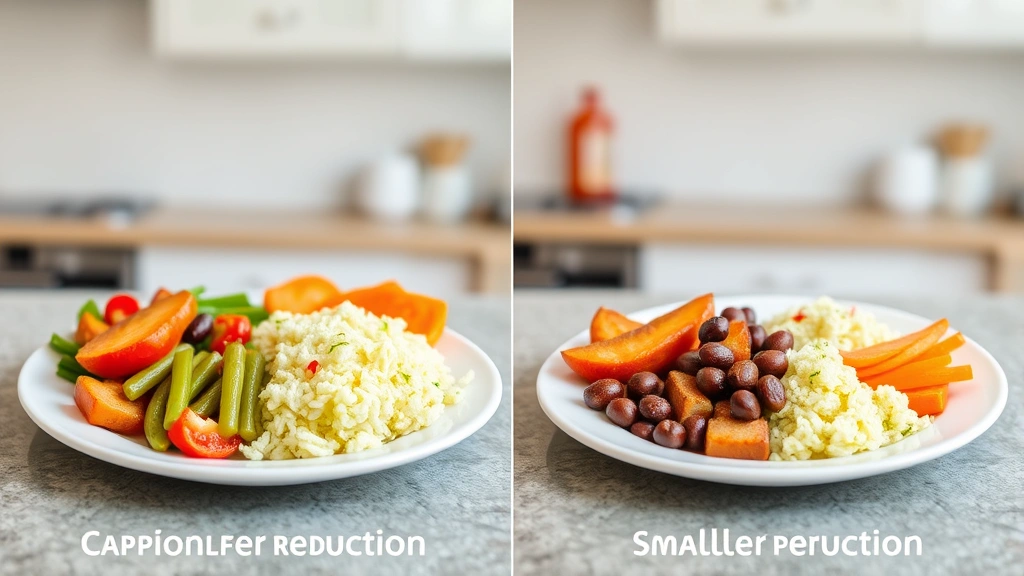
This is where most people start to feel like semaglutide is actually doing something. By week 2, the drug has accumulated in your system, and your receptors are fully occupied. Appetite suppression is now obvious.
What changes:
- You eat noticeably smaller portions without feeling deprived
- Hunger signals are quieter. You might go 6–8 hours without thinking about food
- Cravings for junk food drop significantly
- You feel fuller on less food—often 30–50% less than your baseline
- Meal timing becomes less rigid; you skip snacks naturally
This is also when side effects often peak. Nausea is most common around week 2–3, especially if you’ve increased your dose. Constipation, mild fatigue, and changes in taste are also frequent during this window.
Importantly, this is when your behavior starts to shift too. You’re eating less, which means you’re consuming fewer calories. The appetite suppression is real, but the weight loss is also coming from behavioral change—you’re simply not eating as much because you’re not as hungry.
Weeks 5–8 and Beyond: Full Effect
By week 5, most people have reached peak appetite suppression. Your body has fully adjusted, your dose is stable, and semaglutide is doing its job at maximum efficiency.
At this point:
- Appetite suppression feels normal, not novel
- You’ve adapted your eating patterns to match your new appetite
- Side effects often diminish as your body adjusts
- Weight loss becomes consistent and predictable
- You might need to actively monitor that you’re eating enough protein and calories to maintain muscle
Here’s something important: after week 8 or so, appetite suppression doesn’t get stronger. You’ve reached a plateau. The medication isn’t becoming more powerful; you’re just maintaining the effect. This is why dose escalation matters—if your doctor increases your dose (from 0.5 mg to 1 mg, for example), you might experience a temporary bump in appetite suppression, followed by another adaptation period.
One thing many people don’t anticipate: the appetite suppression can feel *too* strong sometimes. You might realize at 6 PM that you’ve only eaten 800 calories all day because you simply forgot to eat and didn’t feel hungry. This is where intentional eating becomes important—setting meal times and eating adequate protein to prevent muscle loss and nutrient deficiencies.
Safety Warning: Semaglutide should not be used for cosmetic weight loss or by people without diabetes or obesity. It’s a medication with real side effects and risks, including pancreatitis, gallbladder issues, and thyroid concerns. Always use it under medical supervision. If you’re experiencing severe abdominal pain, persistent vomiting, or signs of pancreatitis, seek immediate medical attention.
Factors That Speed Up or Slow Down Appetite Suppression
Your personal timeline depends on several variables:
Starting Dose: Lower doses (0.25 mg) produce gentler appetite suppression that takes longer to feel. Higher starting doses hit faster but with more nausea. Most people start low and titrate up.
Body Composition and Metabolism: People with higher baseline insulin resistance often feel appetite suppression sooner because semaglutide’s effects on glucose metabolism kick in quickly. Conversely, people with high insulin sensitivity might take longer to notice appetite changes.
Previous Diet History: If you’ve been eating large portions for years, your stomach is stretched and your satiety signals are blunted. Semaglutide helps reset these, but it takes time. Someone coming from a history of restrictive dieting might feel effects faster.
Age: Older adults sometimes experience slower onset of appetite suppression, though the effect is still significant. This isn’t a hard rule—individual variation matters more than age.
Medications: Other drugs you’re taking can interact with semaglutide or affect how quickly you feel its effects. Thyroid medication, antidepressants, and blood pressure meds are particularly relevant. Talk to your doctor about your full medication list.
Hydration and Nutrition: Dehydration can mask or delay appetite suppression signals. Eating adequate protein helps you feel fuller longer and can amplify the medication’s effect. Conversely, eating only carbs or fats might reduce how much appetite suppression you perceive.
Stress and Sleep: Chronic stress and poor sleep increase hunger hormones like ghrelin. If you’re sleep-deprived or under constant stress, semaglutide’s appetite suppression might feel weaker because you’re fighting against elevated hunger signals. Improving sleep and stress management can make the medication’s effects more noticeable.
Managing Expectations and Side Effects
Understanding the timeline isn’t just about knowing when you’ll feel less hungry—it’s also about managing the side effects and emotional experience.
Nausea is temporary. It peaks around week 2–3 and usually improves significantly by week 6–8. Eating smaller, more frequent meals, staying hydrated, and avoiding greasy foods helps. Some people find ginger tea or anti-nausea medication helpful during the adjustment phase.
Constipation is real. Semaglutide slows stomach and intestinal motility. Increase fiber gradually (not all at once—that makes it worse), drink more water, and consider a stool softener if needed. This usually improves as your body adapts, but it’s worth addressing early.
You might feel cold or fatigued initially. This is partly because you’re eating less, so your metabolism adjusts. Make sure you’re eating enough calories—aim for at least 1200–1500 daily, depending on your size and activity level. Include adequate protein (0.8–1g per pound of body weight) to preserve muscle.
The appetite suppression can feel weird. Eating becomes less automatic. You might need to set phone reminders to eat or plan meals ahead because you genuinely don’t feel hungry. This is actually the point—it’s breaking the cycle of constant hunger—but it requires intentional adjustment.
Cravings don’t always disappear. Some people report that semaglutide eliminates cravings completely. Others find cravings are reduced but still present, especially for foods tied to emotion or habit. The medication suppresses physical hunger, not psychological eating patterns. If you eat for comfort, stress, or boredom, you’ll still need to address those behaviors.
Pro Tip: Keep a simple food and symptom log for the first 8 weeks. Note your appetite level, side effects, energy, and mood. This helps you and your doctor identify patterns and adjust your approach. It also provides concrete evidence of the medication working, which is reassuring when you’re in the early, underwhelming phase.
For more detailed information on medication timelines and how your body processes drugs, you might find FDA guidance on medication approval and safety helpful. Additionally, Mayo Clinic’s medical resources provide peer-reviewed information on GLP-1 medications and their effects.
If you’re managing your diet alongside semaglutide, understanding nutrition becomes crucial. Resources like the Academy of Nutrition and Dietetics offer evidence-based guidance on protein intake, micronutrients, and sustainable eating patterns during weight loss.
Frequently Asked Questions
How long does it take for semaglutide to suppress appetite in most people?
– Most people notice initial appetite changes within 3–7 days, with obvious suppression by weeks 2–4. Peak effect is typically reached by week 5–8. However, this varies based on starting dose, body composition, and individual metabolism. Lower starting doses take longer to produce noticeable effects.
Will I feel appetite suppression immediately after my first injection?
– Probably not. The first injection starts the process, but meaningful appetite suppression usually takes 5–7 days to appear. Many people feel minimal change in the first few days and may experience nausea instead. This is normal and doesn’t mean the medication isn’t working.
What if I don’t feel appetite suppression by week 2?
– If you’re on a low starting dose (0.25 mg), you might not feel obvious changes until week 3–4. If you’re on a higher dose and still don’t feel appetite suppression by week 3, contact your doctor. It’s rare, but some people are non-responders or need dose adjustments. Your doctor might recommend increasing your dose or investigating other factors (like medication interactions or underlying conditions).
Does appetite suppression get stronger over time?
– No. Appetite suppression reaches a plateau around week 5–8 and stays at that level as long as you’re on the same dose. If your doctor increases your dose, you might experience a temporary increase in appetite suppression, followed by another adaptation period. The effect doesn’t continuously strengthen.
Can I do anything to make appetite suppression kick in faster?
– Not significantly, but a few things help: stay well-hydrated, eat adequate protein, sleep 7–9 hours nightly, and manage stress. These don’t speed up the medication’s action, but they reduce competing hunger signals, making the appetite suppression feel more pronounced. Avoid large, greasy meals early on, as they can trigger nausea and mask the appetite suppression effect.
Is nausea a sign that semaglutide is working?
– Not necessarily. Nausea is a side effect, not a marker of efficacy. Some people feel strong appetite suppression with minimal nausea; others experience significant nausea with moderate appetite suppression. Nausea and appetite suppression are separate effects, though they often occur together in the early weeks.
What if the appetite suppression wears off after a few weeks?
– True tolerance (where the effect significantly decreases) is rare with semaglutide. What often happens is that you adapt to the new appetite level—it becomes your new normal, so it feels less dramatic. If you genuinely feel your appetite returning to baseline, contact your doctor. They might adjust your dose, check for medication interactions, or investigate other causes.
Can I eat normally once appetite suppression kicks in?
– You can eat normally in terms of food types, but portions will be smaller because you’re genuinely less hungry. The key is eating *enough*—adequate protein, calories, and micronutrients. Some people on semaglutide accidentally under-eat, which can slow metabolism and cause muscle loss. Work with a dietitian to ensure you’re eating enough while benefiting from the appetite suppression.

Does appetite suppression work the same way for everyone?
– No. Some people feel dramatic appetite loss; others feel a subtle reduction in hunger. Some experience strong cravings suppression; others notice mainly that they feel fuller on less food. The mechanism is the same, but how it manifests depends on your baseline hunger patterns, metabolism, and psychology around food.
What happens if I skip a dose—will appetite come back immediately?
– No. Because semaglutide has a 7-day half-life, skipping one dose won’t immediately return your appetite to baseline. You’ll likely notice increased hunger over several days as the drug clears your system. If you miss a dose, take it as soon as you remember (unless it’s close to your next scheduled injection). Talk to your doctor about the best approach for your situation.


