
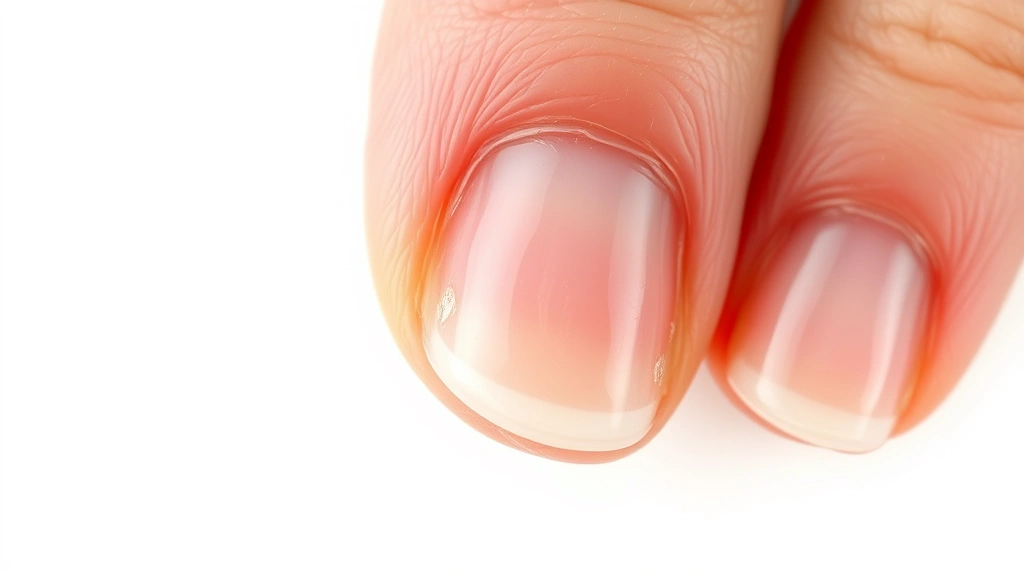
So you’re wondering how long does it take for nails to grow—maybe you broke one and you’re impatient, or you’re planning a big event and want healthy nails ready to go. Here’s the straight story: your fingernails grow about 3-4 millimeters per month on average, which means a full nail replacement takes roughly 4-6 months. Toenails? They’re slower, taking 12-18 months to fully regrow. But the real answer depends on your age, health, nutrition, and a bunch of other factors we’re about to dig into.
Table of Contents
Growth Rate Basics
Let’s start with the numbers. Your fingernails grow at a pretty consistent pace—about 3.5 millimeters per month, or roughly one-tenth of an inch. That means if you clip your nails short today, you’re looking at about 4-6 months before they’re completely replaced with fresh nail material grown from the nail matrix (that’s the tissue under your cuticle where nail growth happens). This isn’t just cosmetic either; understanding nail growth helps you spot health issues early, since your nails are like a window into your overall wellness.
Toenails move at a different speed entirely. They grow about 1-1.5 millimeters per month, making them roughly three times slower than fingernails. That’s why a toenail injury can feel like forever to heal. If you damage a big toenail, you might be waiting 12-18 months for complete regrowth. It’s not pleasant, but it’s normal.
Factors Affecting Growth Speed
Not everyone’s nails grow at the same rate, and that’s where it gets interesting. Your dominant hand typically has faster-growing nails than your non-dominant hand—we’re talking noticeable differences. Scientists think this is because of increased blood flow and activity in your dominant hand. Your thumb and index fingers usually grow faster than your pinky and ring finger too. If you’re right-handed, your right nails will outpace your left ones.
Temperature also plays a role. Warm weather and warm hands mean faster nail growth. Winter? Your nails slow down. This seasonal variation can be pretty dramatic—some people see their nails grow 20-30% faster in summer than winter. It’s tied to blood circulation; cold temperatures reduce blood flow to your extremities, which slows the nail-building process.
Age and Nail Growth
Here’s something most people don’t realize: your nails grow fastest when you’re young. Kids and teenagers typically see faster nail growth than adults. Once you hit your 30s and beyond, the growth rate gradually slows down. By the time you’re in your 60s or 70s, your nails might be growing 20-30% slower than they did in your 20s. This is tied to overall cellular metabolism and blood circulation changes as we age.
Pregnancy is an exception to this rule. Pregnant women often experience a temporary boost in nail growth, thanks to hormonal changes and increased blood volume. Some women see their nails grow noticeably faster during the second and third trimesters. After delivery, growth rates typically return to normal within a few months.
Nutrition’s Impact on Growth
You can’t out-supplement bad genetics, but nutrition absolutely matters for nail health and growth. Protein is critical—your nails are made primarily of keratin, a protein, so eating enough high-quality protein supports faster, stronger growth. Biotin (vitamin B7) gets a lot of hype for nails, and there’s solid research backing it up. Studies show that biotin supplementation can increase nail thickness and reduce brittleness, which indirectly supports better growth patterns.
Iron deficiency is a big culprit behind slow nail growth. If you’re not getting enough iron, your nails suffer. Zinc, magnesium, and B vitamins all play supporting roles in the nail-building process. The bottom line: eat a balanced diet with plenty of protein, leafy greens, nuts, and quality carbs. Your nails will thank you. If you suspect a deficiency, get bloodwork done before loading up on supplements.
Health Conditions Matter
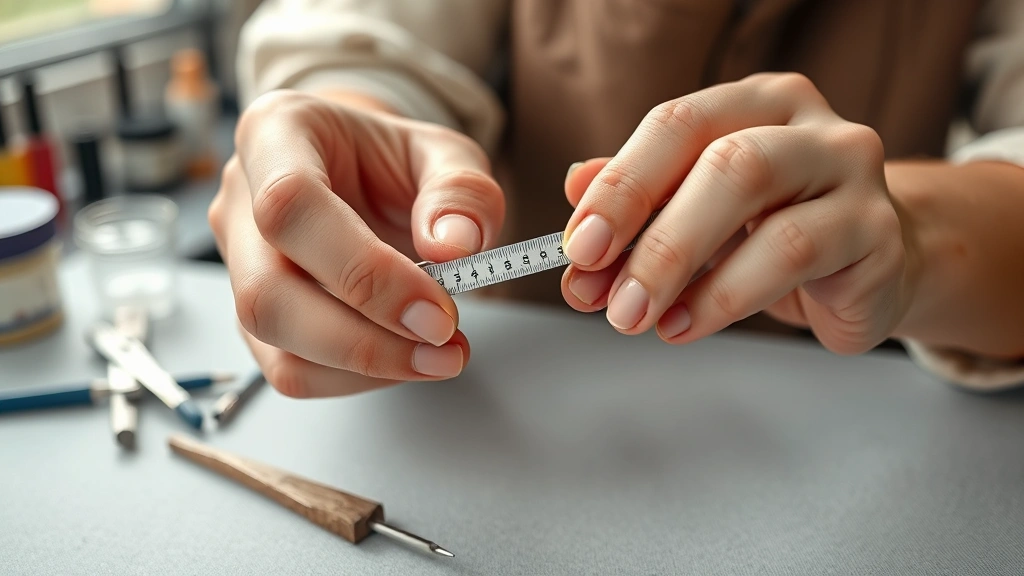
Certain health issues can dramatically slow nail growth or cause other problems. Thyroid disorders, anemia, kidney disease, and liver disease all impact how fast your nails grow. Psoriasis and eczema can cause pitting and discoloration. Fungal infections slow growth and make nails thick and brittle. If you notice sudden changes in nail growth rate, color, or texture, it’s worth checking with a doctor—your nails are often an early warning system for bigger health issues.
Chemotherapy and certain medications can temporarily halt nail growth or cause nail loss entirely. People undergoing cancer treatment often see their nails stop growing for weeks or months. The good news is that nail growth usually resumes once treatment ends. Chronic stress can also slow growth; your body prioritizes survival over cosmetic features when you’re stressed.
Seasonal Changes and Growth
We mentioned temperature earlier, but it’s worth diving deeper. Summer nails grow noticeably faster than winter nails. This isn’t just folklore—multiple studies confirm it. The theory is that increased sunlight triggers vitamin D production, which supports better circulation and faster cell turnover. Longer daylight hours also mean more activity and better overall blood flow.
Winter also brings dry air and cold temperatures, both of which stress your nails. They become more brittle and prone to breaking, which can make it feel like they’re not growing even if they are. The combination of slower growth and more breakage creates a double whammy during cold months. If you want to maintain nail length through winter, protect your hands from cold and keep them moisturized.
Speeding Up Nail Growth
Want to accelerate your nail growth? You can’t fight biology completely, but you can optimize conditions. Here’s what actually works: keep your hands warm (use gloves in winter), eat plenty of protein and biotin-rich foods, stay hydrated, and manage stress. Biotin supplementation (2.5mg daily) has shown real results in studies—nails grew stronger and slightly faster in participants taking it consistently for several months.
Moisturize your nails and cuticles daily. Dry, brittle nails break more easily, which sets back progress. Avoid harsh chemicals and excessive water exposure; wear gloves when cleaning. Keep nails trimmed regularly—counterintuitively, this prevents breakage and promotes healthier growth. Don’t use nails as tools. Avoid gel manicures and acrylics if you’re trying to grow healthy natural nails; these damage the nail bed and slow growth.
Common Nail Problems
Brittle nails are the most common complaint. They break easily and won’t grow long. Usually this is a moisture and nutrition issue. Increase protein intake, take biotin supplements, and moisturize religiously. Nail peeling (onychoschizia) happens when nails are exposed to too much water or harsh chemicals. Wear gloves when doing dishes or cleaning. Fungal infections are stubborn and slow growth significantly. They require antifungal treatment—topical creams work for mild cases, but severe infections need oral medication from a doctor.
White spots on nails (leukonychia) are usually harmless and caused by minor trauma. They grow out naturally as the nail extends. Vertical ridges are normal and increase with age. Horizontal ridges (Beau’s lines) indicate past trauma or illness and grow out over time. If you see dark streaks, discoloration that doesn’t grow out, or nails that separate from the nail bed, see a dermatologist.
Frequently Asked Questions
How long does it take to grow a broken nail back?
A completely broken fingernail takes 4-6 months to fully regrow. A toenail takes 12-18 months. The timeline depends on how close to the base the break occurred. If you broke it near the tip, visible regrowth happens in weeks, but complete replacement takes months.
Do nails grow faster in summer?
Yes, nails grow 20-30% faster in warm weather. Increased blood circulation from heat and more sunlight exposure both contribute to faster growth. Winter sees a noticeable slowdown.
Can you make nails grow faster?
You can optimize growth conditions but not dramatically accelerate it beyond your genetic potential. Biotin supplements, adequate protein, staying warm, and managing stress all help. Expect maybe a 10-15% improvement with optimal conditions, not doubling your growth rate.
Why do fingernails grow faster than toenails?
Fingernails grow about three times faster than toenails. Scientists believe this is because fingernails have more blood flow and higher metabolic activity. Toenails are also under more pressure and trauma, which may slow their growth.
What deficiency causes slow nail growth?
Iron deficiency is the most common culprit. Zinc, biotin, and protein deficiencies also slow growth. If you suspect a deficiency, get bloodwork done rather than guessing.
Do nails grow faster with age?
No, the opposite. Nails grow fastest in childhood and adolescence. Growth gradually slows starting in your 30s and continues declining with age. By your 70s, nails grow significantly slower than they did in your 20s.
The Bottom Line
So how long does it take for nails to grow? Fingernails take 4-6 months to fully regrow at an average rate of 3-4 millimeters per month. Toenails take 12-18 months. But your individual timeline depends on age, health, nutrition, temperature, and genetics. You can’t change your genes, but you can optimize everything else. Eat well, stay warm, keep your hands moisturized, and be patient. If you notice sudden changes in nail growth or appearance, check with a doctor—your nails are often telling you something important about your overall health. For more information about maintaining healthy hands and general wellness, check out resources on how to remove battery corrosion to understand proper hand care during maintenance tasks, or learn about how early should you get to the airport if you’re traveling for medical appointments. Understanding your body’s rhythms, like how to get the mode of your health data, helps you track patterns over time. Even something as simple as how to convert pounds to kilograms matters when tracking nutritional intake for nail health.


