
So you’re wondering how long does it take for hemorrhoids to go away—and honestly, you want answers fast. The timeline varies wildly depending on severity, but most hemorrhoids resolve within 1-2 weeks with proper care. Some stubborn cases might linger 3-4 weeks, while severe internal hemorrhoids occasionally need professional intervention. The good news? You’ve got real options to speed up recovery and get back to normal.
Table of Contents
Timeline & What to Expect
Let’s cut to it: most external hemorrhoids start improving within 3-7 days once you start treating them properly. Internal hemorrhoids often take a bit longer—usually 1-2 weeks before you notice significant relief. The swelling doesn’t vanish overnight, but you’ll see steady progress if you’re consistent with treatment.
The typical progression looks like this: Days 1-3 are the worst. Pain peaks, itching is intense, and you’re probably uncomfortable sitting. By day 4-5, swelling starts reducing. Days 7-10, most people notice real improvement. By week 2-3, symptoms usually disappear completely, though the tissue might still be slightly tender.
This timeline assumes you’re actually treating the problem, though. If you ignore it and keep straining on the toilet or sitting for hours without breaks, recovery stretches out to 4-6 weeks or longer. Your habits matter more than you’d think.
Mild vs Severe Hemorrhoids
Not all hemorrhoids are created equal, and severity dramatically affects recovery time. Mild external hemorrhoids—the small, itchy kind—often clear up in 3-5 days with basic care. You’ll barely need anything beyond good bathroom habits and maybe some witch hazel.
Moderate hemorrhoids take 1-2 weeks. You’ll need consistent topical treatment, dietary changes, and patience. The itching and discomfort are real, but manageable with the right approach.
Severe hemorrhoids are different animals. Thrombosed external hemorrhoids (blood clots inside the hemorrhoid) can take 2-4 weeks to resolve, and they hurt significantly. Internal hemorrhoids that bleed heavily might need professional treatment like rubber band ligation or sclerotherapy. These procedures can provide relief within days, but the healing process still takes 1-2 weeks afterward.
Grade 1 and 2 internal hemorrhoids usually resolve with conservative treatment in 1-3 weeks. Grade 3 and 4 typically need medical intervention and take longer.
Do Home Remedies Actually Work
Yes, but with realistic expectations. Home remedies aren’t miracle cures—they’re tools that speed up your body’s natural healing process. Witch hazel, for instance, reduces inflammation and provides temporary relief within minutes. Sitz baths (sitting in warm water for 10-15 minutes) genuinely reduce pain and swelling. Aloe vera has anti-inflammatory properties that help.
The thing is, these remedies work best when combined. One sitz bath won’t solve it. One application of witch hazel won’t cure it. But consistent use over days? That’s when you see results. Most people report 30-50% pain reduction within the first week using home remedies properly.
You can also make your own essential oils for hemorrhoid treatment—tea tree oil and lavender have anti-inflammatory and soothing properties. Mix a few drops with coconut oil and apply topically. It’s cheap, effective, and you control the quality.
The real game-changer? Consistency beats intensity. Daily sitz baths, regular witch hazel application, and dietary changes outperform sporadic expensive treatments every single time.
Water & Fiber Fix Everything
Here’s what most people miss: hemorrhoids don’t heal if you keep creating the conditions that caused them. Hard, dry stools mean straining. Straining means hemorrhoid aggravation. Aggravated hemorrhoids take forever to heal.
Drinking more water is non-negotiable. Aim for 8-10 glasses daily, more if you exercise. Hydration softens stool naturally without medication. You’ll notice easier bowel movements within 2-3 days.
Fiber is equally critical. Soluble fiber (oats, beans, apples) absorbs water and creates softer stools. Insoluble fiber (vegetables, whole grains, nuts) adds bulk and promotes movement. Most people need 25-35 grams daily. If you’re currently getting 5 grams, jump to 25 gradually over a week—sudden increases cause bloating.
The fiber + water combo reduces hemorrhoid healing time by roughly 50% compared to people who ignore diet. You’re not just treating symptoms; you’re eliminating the root cause. This is why hemorrhoid sufferers who change their diet see 2-3 week recovery instead of 4-6 weeks.
Topical Treatments That Help
Over-the-counter creams and ointments provide real relief, though they vary in effectiveness. Hydrocortisone cream reduces inflammation quickly—you’ll notice less itching within hours. It’s not a cure, but it makes life bearable during recovery.
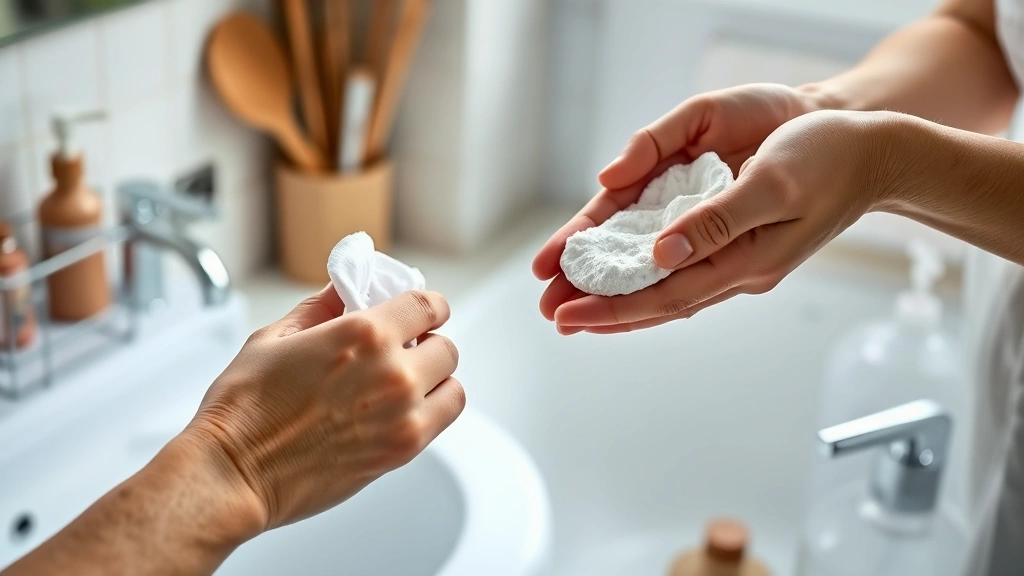
Witch hazel is a classic for good reason. It’s an astringent that tightens tissue and reduces swelling. Apply it with a pad after bowel movements and before bed. Cost is minimal, and results are noticeable within days.
Petroleum jelly or coconut oil provides lubrication and protects the area from further irritation. This prevents the hemorrhoid from getting worse while healing happens underneath.
Suppositories work well for internal hemorrhoids because they deliver medication directly where needed. Preparation H suppositories contain phenylephrine, which constricts blood vessels and reduces swelling. Use them nightly for best results.
Prescription treatments like Anusol-HC provide stronger anti-inflammatory action for stubborn cases. If over-the-counter options aren’t cutting it after 5-7 days, ask your doctor about prescription alternatives.
When to Call Your Doctor
Most hemorrhoids don’t need medical attention. You can handle them at home. But certain situations require professional evaluation:
Bleeding that won’t stop: If you’re seeing blood in the toilet consistently after each bowel movement for more than a week, get checked. Bleeding can indicate other issues besides hemorrhoids.
Severe pain: If pain is 8-10 out of 10 and home remedies aren’t helping after 3-4 days, professional treatment might be necessary. Thrombosed hemorrhoids sometimes need drainage.
No improvement after 2 weeks: If you’re doing everything right and still suffering after two weeks, your hemorrhoid might need medical intervention like rubber band ligation or sclerotherapy.
Symptoms spreading: If itching or pain is spreading beyond the immediate area, or if you develop fever, see a doctor. This could indicate infection.
Your doctor can determine whether you have hemorrhoids, anal fissures, or something else entirely. This matters because treatment differs. Don’t self-diagnose based on internet symptoms alone.
Prevention for Long-Term Relief
Once you’ve suffered through hemorrhoids, you’ll want to prevent recurrence. The prevention approach mirrors treatment: fiber, water, and smart bathroom habits.
Maintain 25-35 grams of daily fiber permanently. Don’t drop back to your old diet once symptoms disappear. Keep drinking 8-10 glasses of water daily. These aren’t temporary fixes; they’re lifestyle changes.
Never ignore the urge to have a bowel movement. Delaying creates harder stools and more straining later. Go when your body signals you need to.
Limit toilet time. Don’t sit there reading or scrolling for 20 minutes. Do your business and move on. Extended sitting increases pressure on hemorrhoidal veins.
Exercise regularly. Even 30 minutes of walking daily improves digestive health and prevents constipation. You don’t need intense workouts—consistency beats intensity here too.
Avoid excessive straining during bowel movements. If nothing’s happening after 30 seconds, stop and try again later. Straining is the primary hemorrhoid creator.

Lifestyle Changes That Matter
Beyond diet and bathroom habits, several lifestyle factors accelerate healing. Stress management is surprisingly important—stress triggers digestive issues and constipation. Daily meditation, exercise, or even simple breathing exercises help.
Sitting less helps hemorrhoids heal faster. If your job requires sitting all day, stand up every hour and walk for 5 minutes. This reduces pressure on the area and improves circulation.
Avoid heavy lifting temporarily. Straining during weightlifting creates the same pressure problems as straining on the toilet. Wait until you’re symptom-free before hitting the gym hard.
Don’t use harsh toilet paper. Switch to soft, fragrance-free varieties or consider wet wipes (flushable ones specifically). Some people use a bidet or water bottle for cleaning. Aggressive wiping irritates hemorrhoids and slows healing.
Wear loose, breathable underwear. Tight clothing increases pressure and reduces air circulation, which slows healing. Cotton is better than synthetic materials.
You can also reference methods like natural healing approaches for other health issues to understand how consistency with home remedies beats sporadic treatment—the principle applies to hemorrhoids too.
Frequently Asked Questions
Can hemorrhoids go away on their own without treatment?
Yes, mild hemorrhoids often resolve independently in 1-2 weeks. Your body heals itself naturally if you stop doing the things that caused them. However, without dietary changes and better bathroom habits, they’ll likely return. Active treatment speeds healing significantly—instead of 2 weeks, you’re looking at 3-7 days with proper care.
What’s the fastest way to get relief?
Combination approach works fastest: sitz bath immediately (10-15 minutes in warm water), followed by witch hazel application, then topical cream. Repeat 2-3 times daily. Start dietary changes immediately—increase water and fiber. This combo typically shows improvement within 24-48 hours. By day 3-4, most people notice significant relief.
Do I need antibiotics for hemorrhoids?
No, hemorrhoids aren’t infections so antibiotics won’t help. Unless your hemorrhoid becomes infected (rare, but possible), antibiotics aren’t necessary. If infection develops, you’ll see fever, spreading redness, and pus—that’s when antibiotics become relevant.
Are internal and external hemorrhoids treated differently?
Somewhat. External hemorrhoids respond well to topical treatments and home remedies. Internal hemorrhoids benefit from suppositories and dietary changes. Both improve with the same fiber and water approach. Severe internal hemorrhoids might need medical procedures like banding, while external ones rarely do unless thrombosed.
Can I exercise while I have hemorrhoids?
Light exercise is fine—walking, gentle yoga, swimming. Avoid heavy lifting, intense cardio, and activities that increase abdominal pressure. Most people can resume normal exercise within 1-2 weeks once symptoms improve significantly.
How do I know if my hemorrhoid is getting worse?
Watch for increased bleeding, spreading pain, fever, or inability to control bowel movements. If symptoms worsen after 3-4 days of treatment, or if you develop new symptoms, contact your doctor. Most hemorrhoids improve steadily—no improvement suggests you need professional evaluation.
Will hemorrhoids come back after they heal?
Only if you return to the habits that caused them. Maintain the fiber, water, and bathroom habit changes permanently, and recurrence drops dramatically. Many people have one bad episode, make lifestyle changes, and never experience hemorrhoids again.
Bottom line: Most hemorrhoids resolve within 1-2 weeks with proper treatment and lifestyle changes. Mild cases clear up in 3-7 days. Severe cases might need 3-4 weeks or professional intervention. The timeline depends entirely on your actions—consistent treatment and dietary changes cut recovery time roughly in half compared to ignoring the problem. Start today, be patient, and you’ll be back to normal sooner than you think.


