

So you’ve scattered grass seed across your lawn and now you’re wondering: how long does it take for grass seed to grow? The short answer is 7-30 days for germination, but the real story is way more interesting—and depends on several factors you can actually control.
Table of Contents
Germination Timeline Explained
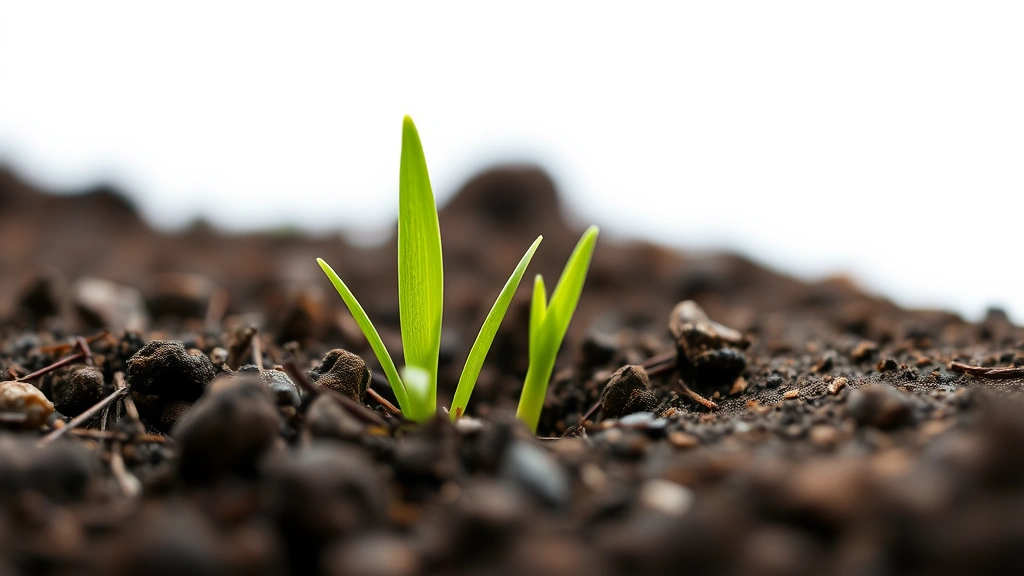
Here’s the real deal: grass seed germination isn’t a one-size-fits-all timeline. Most cool-season grasses (the kind most folks plant) germinate between 7-21 days under ideal conditions. Warm-season varieties can take 14-30 days. But that’s just when the tiny shoots break through the soil—not when you’ve got a thick, mowable lawn.
Think of it in stages. Week one to three is germination. Weeks four through six, you’re looking at root development and shoot growth. By week eight to ten, you’ve got something that actually looks like grass. Full establishment? That takes 60-90 days of consistent care. This is where most people get impatient and mess things up.
Factors Affecting Growth Speed
Not all grass seed grows at the same rate, and neither does your lawn. I’ve seen lawns green up in two weeks and others take a full month. The difference comes down to five major variables you can influence.
Soil temperature is the kingpin here. Grass seed won’t even think about germinating if the soil is too cold. Soil moisture needs to stay consistent—not waterlogged, but never dry. Sunlight, soil quality, and seed type all play supporting roles. Get these right, and you’re looking at the faster end of that timeline. Mess them up, and you’re waiting longer while watching neighbors’ lawns thicken up.
Seed Variety Matters
Different grass types have different germination windows. Perennial ryegrass is a speed demon—it’ll sprout in 5-10 days under good conditions. Kentucky bluegrass takes longer, usually 14-21 days, but it’s tougher and fills in bare spots better over time. Tall fescue sits somewhere in the middle at 10-14 days.
If you’re in the North, you’re probably working with cool-season blends. Southern folks dealing with warm-season grasses like Bermuda or Zoysia need to wait longer—these can take 14-30 days. The blend matters too. Most quality seed mixes combine several varieties to hedge your bets. Check your seed bag for the breakdown and germination rates listed on the label.
Temperature Requirements
Soil temperature is where most people go wrong. You can’t just look at the air temperature and assume you’re good. Soil temperature is what matters, and it’s usually 5-10 degrees cooler than the air.
Cool-season grasses need soil temps between 50-65°F to germinate reliably. Below 50°F and they’re basically dormant. Above 75°F and some varieties get stressed. Warm-season grasses want 60-70°F minimum, with 70-85°F being ideal. Invest in a cheap soil thermometer—seriously, they’re like five bucks and worth every penny. Stick it in the ground where you’re planting and check it for a few days to get an average.
Timing matters here. Fall seeding in northern climates works great because temperatures are in that sweet spot. Spring seeding works too, but you need to wait until soil temps are stable. Plant too early in spring and your seed just sits there.
Moisture Management
This is the daily battle. Your seed needs consistent moisture for 2-3 weeks straight. Not puddles, not dust—moist like a wrung-out sponge.
Water lightly twice a day if you can manage it, especially in the first two weeks. Morning and late afternoon are best. Avoid heavy watering that creates runoff or puddles. Once you see green shoots poking through (usually week 2-3), you can back off to once daily. By week four, you’re transitioning to deeper, less frequent watering to encourage root growth.

This is where people usually fail. They water heavy for three days, then forget about it for five days. That inconsistency kills germination. Set a phone reminder if you have to. Invest in a basic timer on your hose—they’re cheap and foolproof. If you’re dealing with clay soil that holds water too long, you might need less frequent watering. Sandy soil dries faster, so you’ll water more often. Know your soil type.
Sunlight Needs
Most grass varieties want at least 4-6 hours of direct sun daily. Some shade-tolerant varieties can handle less, but they still need light to thrive. If you’re planting under trees or in a shaded area, choose a shade-blend seed mix specifically formulated for those conditions.
Sunlight helps with germination and growth speed. Shaded areas germinate slower and grass grows thinner. That’s just physics. If your yard is mostly shade, you’ve got options: choose shade-tolerant seed, accept thinner grass, or consider removing some tree branches to let more light through.
Soil Preparation
Here’s what separates fast-growing lawns from slow ones: soil prep. I can’t stress this enough. Loose, nutrient-rich soil with good drainage means faster germination and healthier growth.
Before seeding, rough up the top inch of soil with a rake. Remove debris, rocks, and dead thatch. If your soil is compacted (water pools on it), aerate first. Test your soil pH—grass likes 6.0-7.0. If you’re way off, amend it. Add compost or a balanced starter fertilizer. These aren’t optional extras; they’re foundational. Seed sitting on hard, poor soil will take twice as long to germinate and grow half as thick.
This prep work takes a few hours but saves weeks of frustration. When you’re wondering why your neighbor’s grass is thick and green while yours is sparse and slow, it’s usually because they prepped the soil and you didn’t.
When to Mow New Grass
This is where patience really matters. Don’t mow until your grass reaches 3-4 inches tall. For most seed, that’s around week 4-5. Mowing too early stresses young plants and can kill them.
When you do mow, set your blade high—at least 2.5-3 inches. Use a sharp blade. Dull blades tear young grass and slow recovery. Keep mowing at that higher setting for the first few weeks. You’re not trying to get a golf course look; you’re trying to let the grass establish.
Some people get excited and mow at week two because they see green. Don’t be that person. Those plants are barely rooted. One mowing and you’ve set yourself back a month.
Common Mistakes to Avoid
I’ve seen people sabotage their own grass seed success with these classic blunders. First: planting too heavy. More seed doesn’t mean faster growth—it means overcrowding and competition. Follow the bag’s recommendations.
Second: inconsistent watering. We covered this, but it bears repeating. Set a timer or you’ll forget.
Third: planting at the wrong time or temperature. Check that soil thermometer. Patience now saves weeks later.
Fourth: poor soil prep. You can’t plant quality seed in garbage soil and expect great results. Prep matters.
Fifth: walking on new seeded areas. Keep foot traffic off until grass is established. It’s tempting to check on progress daily, but every footstep compacts soil and stresses seedlings.
Sixth: using old or cheap seed. Quality matters. Buy from reputable sources. Check germination rates on the label. Old seed has lower germination rates, so it takes longer to fill in.
Frequently Asked Questions
How long before grass seed shows green?
Most grass seed shows visible green growth between 7-21 days, depending on variety and conditions. Cool-season grasses typically show green around day 10-14. Warm-season varieties take 14-21 days. If nothing’s showing by day 21, check your moisture and soil temperature—something’s off.
Can I speed up grass seed germination?
You can optimize conditions but not truly speed up biology. Warm soil, consistent moisture, quality seed, and good soil prep get you to the faster end of the timeline. Using a starter fertilizer with mycorrhizal fungi can help root development. Beyond that, you’re fighting nature.
How long until grass is thick and full?
Full coverage typically takes 60-90 days from planting. The first month is germination and root development. Months two and three are when you see real density and thickness. Proper maintenance during this period—consistent watering, no foot traffic, high mowing—determines whether you get a thick lawn or a thin one.
Does grass seed grow faster in spring or fall?
Fall is usually faster for cool-season grasses because soil temps drop into that ideal 50-65°F range and stay stable. Spring seeding works but requires waiting for soil temps to warm up consistently. Spring also means competing with weeds and heat stress sooner. For northern climates, fall seeding (late August through September) is the move.
What if grass seed doesn’t germinate?
Check these: soil temperature (use a thermometer), soil moisture (consistent, not waterlogged), seed quality (buy fresh from reputable sources), and soil prep (remove debris, loosen compacted soil). If soil temps are below 50°F, wait. If soil’s bone dry or soggy, adjust watering. If seed’s old or cheap, replant with quality seed. Most failures trace back to one of these factors.
Should I cover grass seed?
Light coverage with compost or straw helps retain moisture and protects seed from birds. Use thin coverage—you should still see soil. Thick mulch blocks light and prevents good seed-to-soil contact. A quarter-inch of compost is ideal. Straw works too, but make sure it’s weed-free straw, not hay.


