

So you’re wondering how long does it take for creatine to work—and you want the straight answer, not marketing fluff. Here’s the deal: creatine isn’t a magic pill that kicks in overnight, but it’s also not some slow-burn supplement you’ll be waiting months to notice. Most lifters see real, measurable performance gains within 5-7 days of consistent use, with peak benefits showing up around 3-4 weeks. But there’s a lot more happening under the hood, and understanding the timeline helps you use this stuff effectively.
Table of Contents
The Loading Phase Explained
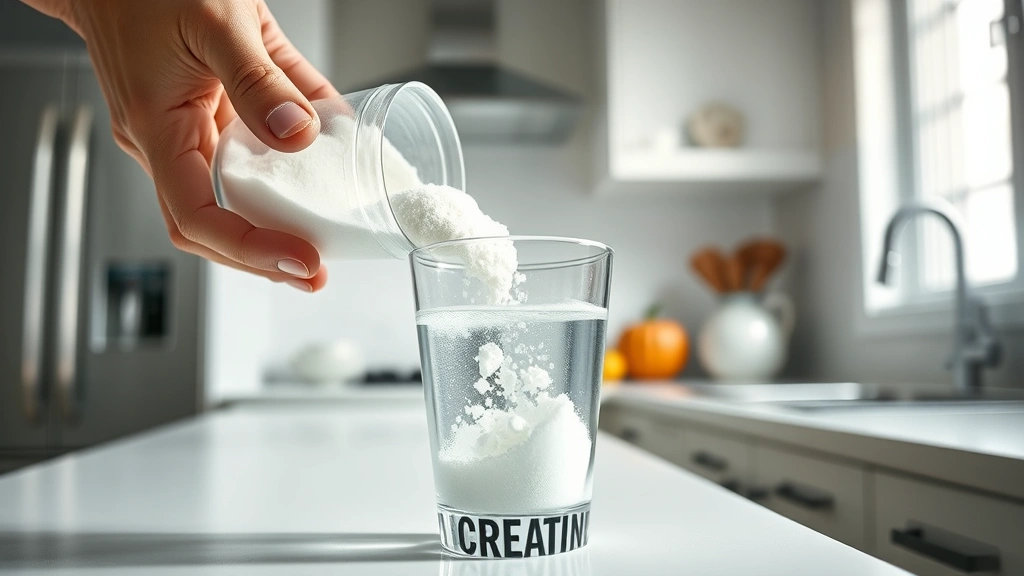
If you want to see creatine results fast, the loading phase is your shortcut. This is where you take 20 grams per day (split into 4 doses of 5 grams) for 5-7 days straight. Think of it like priming a pump—you’re flooding your muscles with creatine all at once to saturate them faster.
During this loading window, your muscle creatine levels jump from baseline to near-maximum in just days instead of weeks. Most lifters report noticeable strength bumps and slightly better endurance by day 3 or 4 of loading. Your muscles feel fuller, your lifts feel snappier, and you’re hitting rep ranges you couldn’t quite manage before.
The catch? Loading isn’t mandatory. You can skip it and still get the same end result—it just takes longer. Without loading, you’re looking at 3-4 weeks to hit those same saturation levels by taking a steady 5-gram daily dose. So loading is really about compression—you’re just speeding up the inevitable timeline.
What Happens First Week
Week one is where the magic starts, especially if you’re loading. By day 3-5, you’ll notice your muscles feel more pumped during and after workouts. This isn’t just a placebo—your muscle cells are actually holding more water, and your phosphocreatine stores are building up. This directly translates to more ATP (your muscle’s energy currency), which means more reps, heavier weights, and better performance.
If you’re not loading and just taking 5 grams daily, week one is more subtle. You might feel a slight uptick in pump or endurance, but nothing dramatic. The real changes are happening at the cellular level—creatine is accumulating in your muscle tissue, but you’re not at saturation yet.
One thing to expect: water retention. Creatine pulls water into muscle cells, so you might gain 1-2 pounds in the first week. This is entirely intramuscular (inside the muscle), not fat. Your muscles look fuller and more vascular, which is a nice side effect. Some people mistake this for bloating, but it’s actually a sign the creatine is working.
Peak Results Timeline
The real payoff lands around week 3-4, whether you loaded or not. By this point, your muscles are fully saturated with creatine, and you’re getting the maximum benefit. This is where lifters typically report 5-15% increases in strength on compound lifts, better work capacity in the gym, and noticeable improvements in recovery between sets.
You’ll be able to squeeze out extra reps on your main lifts. Your bench press, squat, and deadlift all get a bump. Your conditioning improves—you can do more volume before fatigue catches up. And you recover faster between sets, which means more total work done per session.
This peak window is also when you’ll see the most dramatic body composition changes if you’re training hard and eating right. More strength + more volume = more muscle stimulus. Combined with proper nutrition (like the foundational habits covered in our guide on how long it takes to get abs), creatine becomes a legitimate accelerator for muscle growth.
How Creatine Actually Works
Understanding the mechanism helps you appreciate why the timeline matters. Creatine isn’t a stimulant—it doesn’t give you energy in the traditional sense. Instead, it works as a phosphate donor. Your muscles use ATP (adenosine triphosphate) for every contraction. When you lift, ATP gets burned fast, especially in high-intensity efforts like heavy squats or sprints.
Phosphocreatine (the form creatine takes in your muscles) regenerates ATP faster than your body can make it naturally. This means you can maintain peak power output for longer before fatigue sets in. More ATP available = more strength, more reps, more work capacity.
The saturation timeline exists because your muscles can only hold so much creatine. Once you hit that ceiling, you’re at maximum benefit. Adding more creatine beyond saturation doesn’t help—your body just excretes the excess. This is why the 5-gram daily maintenance dose is standard; it’s enough to replace what you’re losing through normal metabolism and urine.
Factors That Speed or Slow Results
Not everyone follows the exact same timeline. Several factors can shift when you see creatine working:
Muscle mass: Bigger athletes saturate faster because they have more muscle tissue to fill. A 200-pound lifter might hit peak creatine levels in 2.5 weeks; a 150-pound person might need 3.5 weeks.
Diet and hydration: Creatine works better when you’re eating enough carbs and protein, and staying hydrated. Dehydration slows uptake. Eating carbs with your creatine dose boosts absorption thanks to the insulin spike.
Training intensity: Creatine works best in high-intensity, short-duration efforts (heavy lifting, sprints). If you’re doing mostly steady-state cardio, you won’t notice as much. The harder you train, the more obvious the benefits.
Genetics: Some people are “responders” and others are “non-responders.” About 20-30% of lifters don’t see dramatic results from creatine, usually due to genetic variations in how their muscles handle it. But even non-responders typically get small gains.
Baseline creatine levels: Vegetarians and vegans often start with lower muscle creatine (since creatine is mainly in meat), so they see faster, more dramatic results when they start supplementing. Meat-eaters already have decent baseline levels.
When You’ll Stop Seeing Gains
Here’s the reality: creatine doesn’t keep delivering bigger and bigger gains forever. By week 4-6, you’ve hit the ceiling. The strength bump you got in weeks 2-4 is the actual benefit—after that, creatine just maintains that level. It’s not like progressive overload where you keep adding weight and getting stronger; creatine gives you a one-time boost to your baseline performance.
Think of it like this: creatine raises your floor. Your muscles can now produce more ATP, so your baseline strength is higher. But continued progress depends on training smart, eating enough, and progressive overload—the same fundamentals that matter whether you’re on creatine or not.
Some lifters notice a slight dip if they cycle off creatine, dropping 2-3% in strength as their muscle creatine levels normalize. This is why most people just stay on it year-round; the cost is minimal and the benefit is consistent.
Dosing Strategies for Faster Results
If you want results as fast as possible, here’s the blueprint:
Loading approach (fastest): 20 grams per day for 5-7 days (split into 4 doses), then 5 grams daily. You’ll see real performance gains by day 5-7. Peak benefits by week 2-3.
No-load approach (simpler): Just take 5 grams daily from day one. Takes longer (3-4 weeks to peak), but it’s easier to stick with and avoids any loading-phase side effects like cramping or GI upset.
Timing hack: Take your creatine dose with a meal containing carbs and protein. The carbs spike insulin, which improves creatine absorption into muscle cells. Post-workout is ideal, but any meal works.
Hydration matters: Drink more water when taking creatine. Aim for at least 3-4 liters daily. Creatine pulls water into muscles, so you need extra fluid to maintain proper hydration. Dehydration kills creatine effectiveness and increases cramping risk.
Frequently Asked Questions
How long before I feel creatine working?
With loading, you’ll feel it within 3-5 days—stronger lifts, better pumps, more reps. Without loading, expect 2-3 weeks before it’s obvious. Peak benefits hit around week 3-4 either way.
Does creatine work for everyone?
About 70-80% of people see noticeable strength gains. The remaining 20-30% are non-responders due to genetics, but even they usually get small benefits. Vegetarians and vegans tend to respond better since they start with lower baseline creatine.
Can I skip the loading phase?
Absolutely. Loading just compresses the timeline. You’ll get the same end result in 3-4 weeks without loading versus 2-3 weeks with loading. Choose based on convenience and whether you want to deal with loading-phase side effects.
What if I miss doses?
Creatine builds up in your system, so missing a day or two won’t wreck your progress. Just get back on schedule. If you miss several days in a row, you’re just delaying saturation—you’ll still get there, just slower.
Does creatine cause cramping?
Not inherently, but dehydration does. If you take creatine and don’t drink enough water, cramping risk goes up. Stay hydrated and you’re fine. Loading phase sometimes causes mild cramping in some people, but it’s avoidable with proper hydration.
Is creatine safe long-term?
Yes. Decades of research show creatine is safe for healthy people at standard doses (5 grams daily). It doesn’t damage your kidneys or liver in people with normal kidney function. It’s one of the most studied supplements out there.
Can I take creatine if I’m not a serious lifter?
Sure. Creatine helps with any high-intensity activity—CrossFit, sports, even sprinting. If your training involves heavy lifting or explosive power, you’ll benefit. Steady-state cardio folks won’t notice much.
Will I lose gains if I stop taking creatine?
You won’t lose muscle, but you’ll lose the performance boost. Your strength will dip 2-3% as muscle creatine normalizes. The muscle itself stays—it’s just a temporary strength reduction. Start creatine again and you’re back to baseline in a week or two.
The Bottom Line
So how long does it take for creatine to work? Real gains show up in 5-7 days with loading, or 2-3 weeks without. Peak benefits land around week 3-4, and that’s your new baseline. It’s not a miracle supplement, but it’s one of the few that actually delivers measurable, consistent results backed by solid science.
The key is consistency—take your dose daily, stay hydrated, train hard, and eat right. Creatine amplifies what you’re already doing. It won’t build muscle on its own, but it’ll give you the strength and work capacity to build more muscle faster. Combined with solid training fundamentals (like the progressive approach to building abs we covered earlier), creatine becomes a legitimate part of your toolkit.
Start loading or go steady-dose, pick your approach, and commit for at least 4 weeks. You’ll know if it’s working for you by then. Most people find it’s worth the cost and the minimal effort.


