
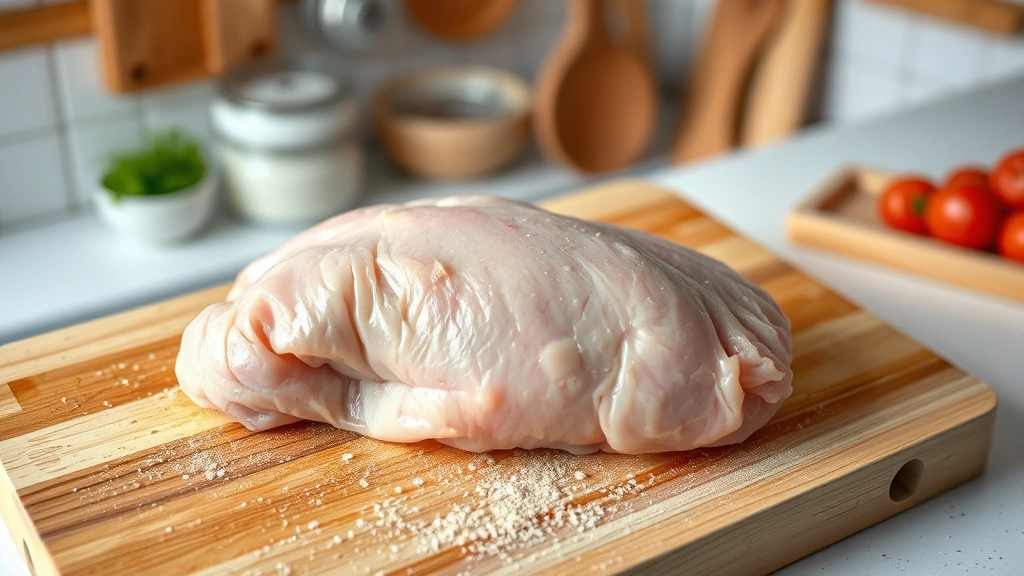
Knowing how long does it take for chicken to thaw is essential for safe meal prep and avoiding foodborne illness. Whether you’re planning dinner or batch-cooking for the week, understanding the three main thawing methods—refrigerator, cold water, and counter—will help you thaw chicken safely and efficiently every single time.
Table of Contents
Refrigerator Method Timeline
The safest way to thaw chicken is in your refrigerator, and it’s the method I recommend to everyone in my workshop. This slow, steady approach keeps chicken at safe temperatures throughout the entire process. A whole chicken typically takes 24 hours to thaw completely. Chicken breasts, being thinner, need about 12-24 hours depending on size. Chicken thighs fall somewhere in between at 18-20 hours.
The beauty of refrigerator thawing is that you can leave it overnight and wake up ready to cook. Just place your frozen chicken on the lowest shelf in a container to catch any drips—this prevents cross-contamination with other foods. Plan ahead: if you want chicken for dinner tomorrow, pull it from the freezer this morning.
Cold Water Thawing Speed
When you’re short on time and need chicken thawed faster, the cold water method works like a charm. Submerge your chicken in a sealed bag in a bowl of cold water. Change the water every 30 minutes to maintain the cold temperature. A whole chicken thaws in 2-3 hours using this method, while individual breasts need only 30-60 minutes.
This is my go-to technique when I’ve forgotten to plan ahead. The key is keeping that water cold—don’t use warm water, as it creates a danger zone for bacterial growth. A sealed bag is crucial; you don’t want raw chicken juice contaminating your water. I keep a timer nearby so I remember to swap out the water regularly. It’s faster than the refrigerator but requires active attention.
Counter Thawing: Why Not
Leaving chicken on your kitchen counter to thaw might seem convenient, but it’s genuinely dangerous. Room temperature creates the perfect breeding ground for bacteria like Salmonella and Campylobacter. The outer surface of the chicken reaches unsafe temperatures long before the interior thaws completely.
Food safety experts at the USDA are clear on this: never thaw chicken at room temperature. The risk isn’t worth the 2-3 hours you might save. I’ve seen too many people get sick from this shortcut. Stick with refrigerator or cold water methods—your stomach will thank you.
Thickness Affects Thaw Time
Not all chicken pieces are created equal, and thickness dramatically impacts thawing speed. A thin-cut chicken breast (under 1 inch) thaws in 12-18 hours in the fridge. A thick breast or bone-in chicken piece takes 24-30 hours. Boneless, skinless breasts are fastest; bone-in, skin-on pieces are slowest.
This is why I always recommend pounding chicken to an even thickness before freezing. It ensures uniform thawing and more even cooking. If you’ve got a thick breast, butterfly it or pound it flat—you’ll cut thaw time significantly. For cold water thawing, thickness matters even more: thin pieces thaw in 15-20 minutes, while thick cuts need 45-60 minutes.
Emergency Thawing Techniques
Sometimes you need chicken thawed in minutes, not hours. The microwave defrost function works in a pinch—place chicken on a plate and use the defrost setting, checking every few minutes. This typically takes 5-10 minutes for breasts. The downside? Uneven thawing and potential partial cooking on edges. Cook immediately after microwave thawing.
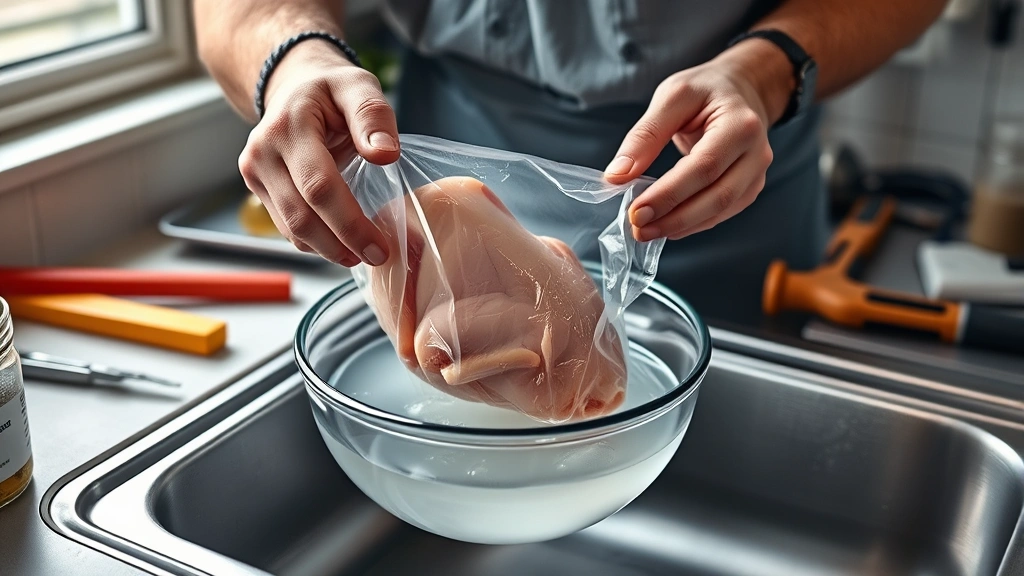
Another emergency hack: seal your chicken in a bag and run it under cold running water while gently massaging it. This accelerates the cold water method to 15-20 minutes for breasts. Not ideal for food safety purists, but better than counter thawing. You can also cook chicken directly from frozen—it just takes 50% longer and requires careful temperature monitoring.
Bacteria Growth Prevention
The danger zone for bacterial growth is 40°F to 140°F. Your refrigerator stays at 40°F or below, making it safe for slow thawing. Cold water stays cold if you change it regularly. These methods keep chicken out of the danger zone. Once thawed in the refrigerator, chicken stays safe for 1-2 days before cooking.
Never refreeze thawed chicken unless you’ve cooked it first. If you thaw chicken and change your dinner plans, cook it anyway, then freeze the cooked chicken. This prevents bacterial multiplication. I label everything with dates—frozen chicken is good for 9-12 months, but I use it within 6 months for best quality.
Cooking From Frozen
You can absolutely cook chicken straight from frozen, though it takes longer. Add 50% to your normal cooking time. A frozen breast on the stovetop takes 30-35 minutes instead of 20. In the oven at 375°F, frozen chicken takes 45-50 minutes versus 30-35 for thawed. Use a meat thermometer—chicken is safe at 165°F internal temperature, whether thawed or frozen.
Slow cooker cooking works beautifully with frozen chicken. Toss frozen breasts in with your sauce and vegetables, cook on low for 6-8 hours. The gentle heat ensures even cooking without drying out the meat. This method is perfect for busy days when you forgot to thaw. Check out our Best Dutch Oven Recipes for similar slow-cooking inspiration.
Smart Storage Solutions
Proper freezing starts with proper storage. Wrap chicken tightly in freezer paper or vacuum-seal it to prevent freezer burn. Freezer burn doesn’t make chicken unsafe, but it affects texture and flavor. Remove as much air as possible—I use a vacuum sealer religiously. Store chicken on the lowest shelf to prevent drips onto other foods.
Organize your freezer by date. Use a permanent marker to note the freeze date on packages. Whole chickens last 12 months frozen; pieces last 9 months; ground chicken lasts 3-4 months. When you’re ready to cook, pull from the back of the freezer first—first in, first out. This rotation system prevents forgotten packages from languishing in the back. For more meal prep inspiration, check our Aroma Rice Cooker Recipes for batch-cooking ideas.
Frequently Asked Questions
Can I thaw chicken in hot water?
Absolutely not. Hot water brings chicken into the danger zone (40°F-140°F) where bacteria multiply rapidly. Always use cold water and change it every 30 minutes. The USDA is explicit about this safety requirement.
How do I know when chicken is fully thawed?
Thawed chicken should be completely soft with no ice crystals inside. Press it gently—it should yield to pressure. For bone-in pieces, check that meat separates easily from the bone. If it still feels icy, it needs more time.
Is it safe to thaw chicken overnight on the counter?
No. Counter thawing is unsafe regardless of duration. Bacteria begin multiplying within 2 hours at room temperature. Always use refrigerator or cold water methods for food safety.
Can I thaw multiple chickens at once?
Yes, but allow extra time. Each additional chicken adds several hours to refrigerator thawing. For cold water method, use a larger container and change water more frequently to maintain cold temperature throughout.
What if my chicken smells off after thawing?
Trust your nose. If thawed chicken smells sour, sulfurous, or off in any way, discard it immediately. Fresh thawed chicken should smell mild and clean. Don’t cook it if you’re suspicious.
Can I thaw chicken in vinegar or salt water?
Plain cold water is safest and most reliable. While some people claim vinegar or salt speeds thawing, plain water is proven effective and requires no special ingredients. Stick with what works.
How long does thawed chicken last in the fridge?
Thawed chicken stays safe for 1-2 days in the refrigerator at 40°F or below. Cook it within this window or refreeze it (after cooking). Don’t refreeze raw thawed chicken.
Final Thoughts on Thawing Chicken
Thawing chicken properly is one of those fundamental kitchen skills that prevents foodborne illness and ensures better cooking results. You’ve got three solid options: refrigerator thawing for planning ahead, cold water thawing for moderate time constraints, and frozen cooking for true emergencies. Skip the counter entirely—it’s simply not worth the food safety risk.
The refrigerator method is my default because it requires zero active effort once the chicken is in the fridge. Cold water thawing is my backup when I’ve forgotten to plan. And cooking from frozen? That’s my secret weapon for genuinely unexpected dinner changes. Pick your method based on your timeline, follow the guidelines, and you’ll have safely thawed chicken every single time. For more cooking guidance, explore our Campfire Recipes for outdoor cooking techniques.


