
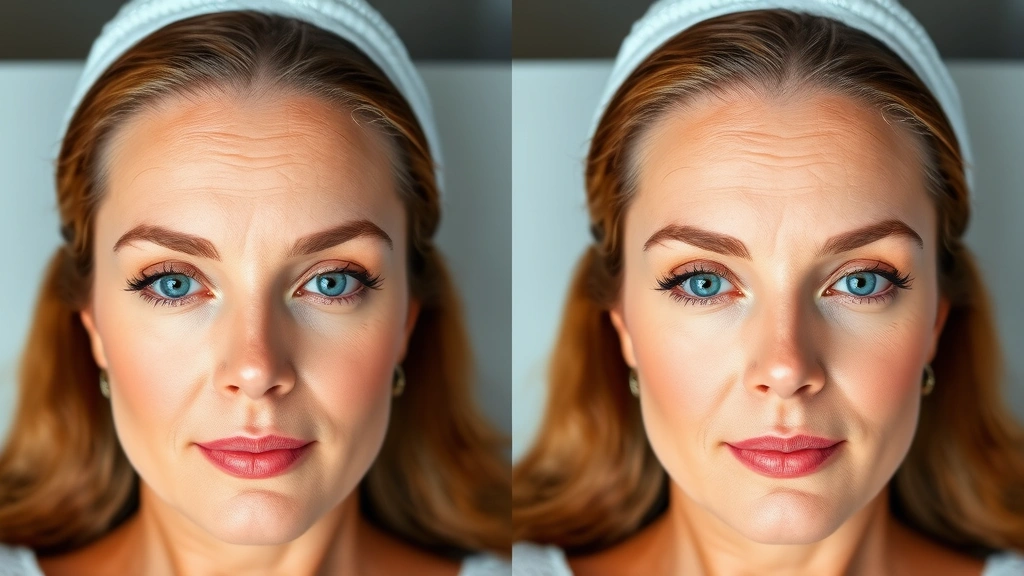
So you’ve decided to take the plunge and get Botox—but how long does it take for Botox to work? That’s the million-dollar question, and honestly, the answer isn’t as simple as “24 hours” or “overnight.” If you’re expecting to walk out of your dermatologist’s office looking like a refreshed version of yourself immediately, we need to talk about what actually happens in those first days and weeks after your injections.
Table of Contents
Initial Results Timeline
Let’s cut right to it: you won’t see dramatic changes on day one. Most people start noticing subtle softening of their wrinkles within 24 to 48 hours after their Botox appointment. It’s not the full transformation yet—think of it as the opening act before the main show. Your skin might look slightly smoother, and that tension in your forehead might feel a touch less tight, but you’re not going to fool anyone into thinking you just got back from a spa weekend.
This early response happens because the botulinum toxin begins interacting with nerve endings almost immediately. However, the real magic—the noticeable relaxation of those dynamic wrinkles—takes longer to develop fully.
When You See Full Effects
Here’s what you need to know: maximum results from Botox typically appear between 7 to 14 days after your injection. Most dermatologists and cosmetic surgeons agree that day 10 to day 14 is when you’ll see the most impressive transformation. By this point, the botulinum toxin has fully bonded to the neuromuscular junction, and you’ll notice significant smoothing of expression lines, especially on your forehead, between your eyebrows (the “11s”), and around your eyes (crow’s feet).
If you’re planning a major event—wedding, reunion, important presentation—you’ll want to schedule your Botox at least two weeks in advance. This gives you a comfortable buffer to see your results and, if needed, get a touch-up appointment.
Why Does It Take Time?
The reason Botox doesn’t work instantly comes down to basic biology. When you get injected, the botulinum toxin molecules need to travel through the tissue, find their target nerve endings, and then bond to specific proteins called SNARE complexes. This isn’t a flip-the-switch situation—it’s a gradual process of molecular attachment and cellular change.
Think of it like this: you’re not just applying a topical cream that sits on your skin. You’re introducing a substance that needs to work at the neuromuscular level. That takes time. The toxin has to cleave those SNARE proteins, which prevents the release of acetylcholine (the chemical that tells your muscles to contract). Once that happens, your muscles can’t squeeze as forcefully, and boom—fewer wrinkles.
The First Week After Treatment
During days 1 through 7, you’re in what we call the “watching and waiting” phase. Here’s what typically happens:
Days 1-3: You might see minimal change. Some people report their skin looks slightly fresher, but it’s subtle. You may notice the injection sites are slightly red or tender—totally normal. Avoid touching the area, and definitely don’t massage it. Seriously, resist the urge.
Days 4-7: Around mid-week, you’ll start noticing more obvious softening. Your forehead might feel smoother when you raise your eyebrows. Those “11s” between your brows should be noticeably less pronounced. You’re getting there, but you’re still not at peak results.
During this first week, avoid strenuous exercise, hot environments (saunas, hot yoga), and alcohol consumption. These activities can increase blood flow and potentially spread the toxin beyond your intended treatment areas, which isn’t ideal.
Weeks Two Through Four
By week two, you should be seeing genuinely impressive results. This is when most people feel confident saying, “Yeah, Botox was worth it.” Your wrinkles are significantly softened, and if you got the dosage right, you still look like yourself—just a fresher, more relaxed version.
Weeks three and four are when results continue to solidify and potentially improve slightly as any residual swelling from the injections completely resolves. By the end of week four, you’ve reached your baseline result—this is what your Botox outcome will look like until it starts wearing off (typically around three to four months).
If you’re not happy with your results by week two, this is when you can contact your injector about a touch-up. Most reputable clinics offer complimentary adjustments within two weeks if you feel the results are too subtle or uneven.
Individual Variation Matters
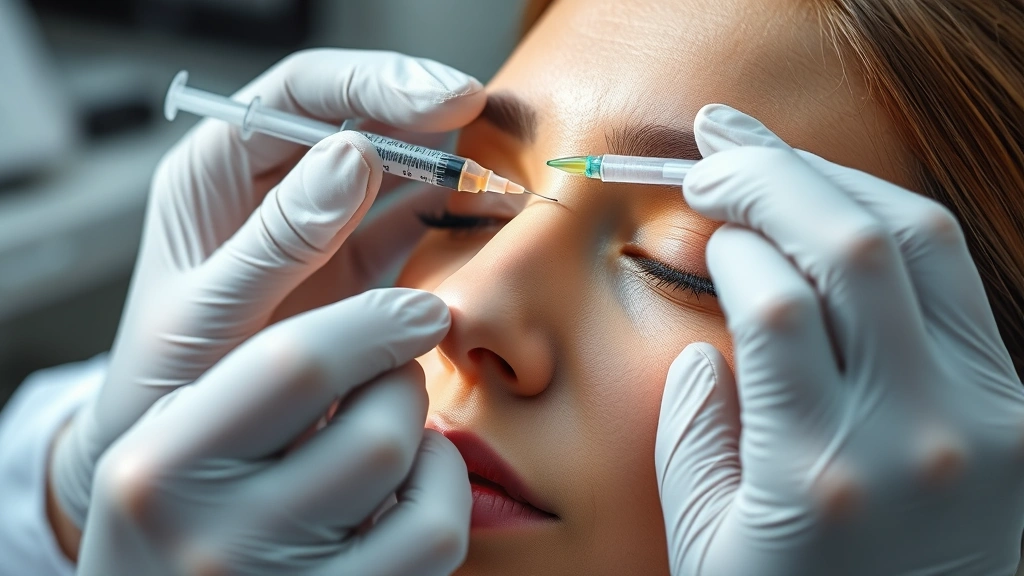
Here’s the thing nobody likes to admit: not everyone’s timeline is identical. Some people see noticeable changes by day three. Others don’t see significant results until day 12. This variation comes down to several factors: your metabolism, your muscle mass, the specific injection technique your provider used, and even your genetics.
Your body’s natural metabolism of the botulinum toxin varies. If you have a faster metabolism, the toxin might take effect more quickly. Conversely, if your metabolism is slower, you might need to wait a bit longer. This doesn’t mean the results will be worse—just that the timeline shifts slightly.
Muscle mass also plays a role. People with naturally larger or more developed facial muscles might need slightly higher doses and might see results develop over a longer timeline. It’s not a problem; it’s just how individual physiology works.
Factors That Speed or Slow Results
Several controllable and uncontrollable factors influence how quickly Botox works:
Metabolism: Higher metabolism = faster results. If you exercise regularly and have good cardiovascular health, your body processes the toxin more efficiently.
Dosage: Higher doses don’t necessarily mean faster results, but they can affect the timeline. Your injector should customize the dose based on your muscle strength and goals.
Previous Botox experience: If you’ve had Botox before, your body might respond slightly faster on subsequent treatments because your muscles are already somewhat conditioned to the effect.
Injection technique: The skill and experience of your injector matters tremendously. Proper placement and depth of injection can affect how quickly the toxin reaches its target.
Activity level: Immediately after treatment, staying relatively inactive helps the toxin stay localized. Strenuous exercise in the first 24 hours can potentially speed up the spread beyond your intended areas (which you generally don’t want).
Hydration and diet: Staying well-hydrated and maintaining good nutrition supports your body’s natural processes, which might help the toxin work more efficiently.
Maintenance and Touch-Ups
Once you reach your full results around week two, you’re golden for about three to four months. That’s the typical duration before the botulinum toxin breaks down and your muscles gradually regain their ability to contract. Most people schedule maintenance appointments every three to four months to maintain their results.
Some people find that with repeated treatments over time, their results last slightly longer—sometimes up to four and a half months. This is because your muscles become trained to contract less forcefully, even as the toxin wears off.
Pro tip: Don’t wait until your results are completely gone to schedule your next appointment. Many people book their follow-up when they’re about 75 percent back to baseline (around the three-month mark). This keeps your results looking consistent and prevents that “all or nothing” appearance.
Setting Realistic Expectations
The biggest mistake people make with Botox is expecting instant, dramatic results. When you understand the actual timeline—subtle changes by day two or three, noticeable improvement by day 7, full results by day 10 to 14—you can set your expectations appropriately and avoid disappointment.
Also, understand what Botox does and doesn’t do. It’s fantastic for dynamic wrinkles (lines that form when you move your face). It’s less effective for static wrinkles (lines that are visible even when your face is at rest). For static wrinkles, you might need dermal fillers or other treatments in combination with Botox.
And here’s something important: good Botox results should look natural. If you or anyone else can tell you’ve had work done by looking at your face, either too much was injected or it was placed incorrectly. The goal is for people to say, “You look refreshed!” not “Wow, you got Botox.”
Frequently Asked Questions
How much does Botox typically cost?
Botox is usually priced per unit, ranging from $10 to $20 per unit depending on your location and provider. A typical treatment uses 20 to 60 units, putting the cost between $200 and $1,200 per appointment. Premium clinics in major cities charge more; smaller markets charge less.
Can you speed up Botox results?
Not really. The biological process can’t be rushed. However, staying hydrated, maintaining good nutrition, avoiding strenuous exercise for 24 hours post-treatment, and keeping your head elevated while sleeping might support the process. Some people report that staying active (but not intensely exercising) helps circulation, though there’s limited scientific evidence for this.
What if Botox doesn’t work for me?
About 5 to 10 percent of people don’t respond to Botox—a condition called “non-responder status.” This is usually genetic and relates to how their body processes the toxin. If you’re not seeing results by week three, talk to your injector about alternative treatments like dermal fillers or other options.
Can you get Botox touch-ups before two weeks?
Technically yes, but most reputable injectors won’t do it. Getting additional injections before the first dose has fully settled can lead to overfilling and unnatural results. Wait at least two weeks before considering a touch-up.
Does Botox hurt?
Most people describe the injections as mildly uncomfortable rather than painful. The needles are very fine, and the procedure takes just a few minutes. Some providers apply numbing cream beforehand to minimize discomfort.
Are there side effects I should know about?
Common temporary side effects include mild redness, swelling, and bruising at injection sites. These typically resolve within 24 to 48 hours. Rare side effects include temporary eyelid drooping (if injected too close to the eye) or headache. Serious complications are extremely rare when administered by qualified professionals.
How long do results last?
Results typically last three to four months. Some people’s results last up to five months, while others might see them fade after eight weeks. Factors like metabolism, muscle mass, and dosage influence duration.
Can you combine Botox with other treatments?
Absolutely. Many people combine Botox with dermal fillers to address both dynamic and static wrinkles. You can also combine it with laser treatments, chemical peels, or microneedling. Just space out treatments appropriately and consult with your provider about the best sequence.
The Bottom Line
So, how long does it take for Botox to work? You’ll see initial subtle changes within 24 to 48 hours, noticeable improvement by day 7, and full maximum results between day 10 and day 14. The process can’t be rushed because it requires time for the botulinum toxin to bond with nerve endings and prevent muscle contractions. Individual timelines vary based on metabolism, muscle mass, dosage, and injection technique, but most people experience similar overall progression.
The key is patience and realistic expectations. Book your appointment at least two weeks before any major event, understand that Botox is a gradual process, and work with an experienced, qualified injector who prioritizes natural-looking results. Once you hit that two-week mark, you’ll understand why Botox remains one of the most popular cosmetic treatments—the results speak for themselves.


