
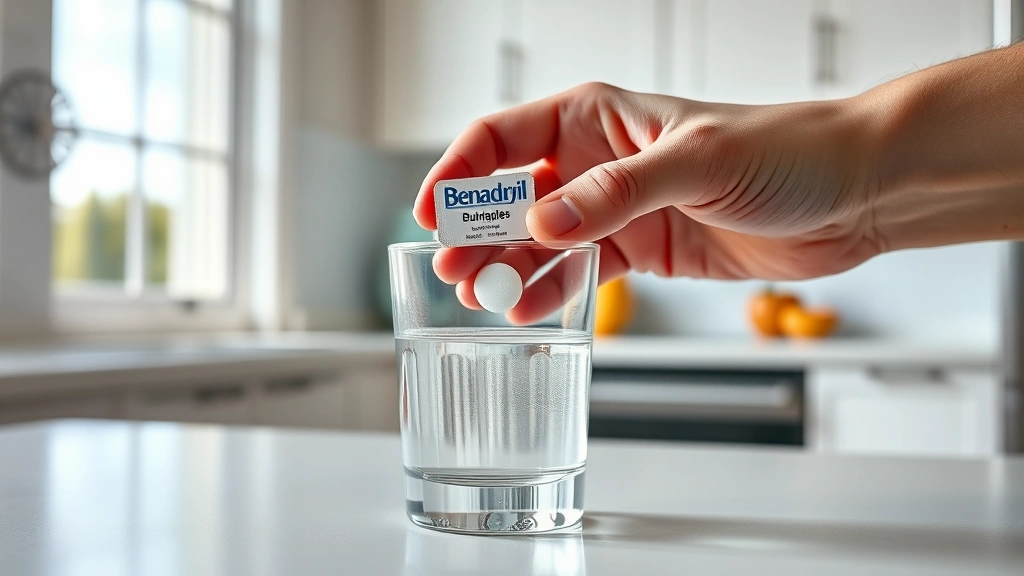
So you’re dealing with allergies, itching, or maybe you can’t sleep because your mind won’t quit—and you’re wondering how long does it take for Benadryl to work? Let’s cut through the noise and get real about what you’re actually looking at timeline-wise.
Table of Contents
Benadryl Basics First
Benadryl is diphenhydramine hydrochloride—a first-generation antihistamine that’s been around since the 1940s. It works by blocking histamine receptors in your body, which is what causes itching, swelling, and allergic reactions. The stuff is available in multiple forms: tablets, capsules, liquid gels, chewables, and topical creams. Each format hits your system differently, which matters when you’re waiting for relief.
The reason people reach for Benadryl is straightforward. It’s accessible without a prescription, it’s been tested for decades, and it actually works. But here’s the thing—knowing how long it takes for Benadryl to work depends on which version you’re using and what your body is doing at that moment.
Typical Timeframe Explained
For standard oral Benadryl tablets or capsules, you’re looking at 15 to 30 minutes for initial effects to kick in. Most people notice real relief between 20 to 45 minutes. Peak effectiveness—where you get maximum antihistamine action—usually lands around 1 to 2 hours after you take it.
That’s the sweet spot. You take a dose, wait roughly 30 minutes, and you should feel noticeably better. If you’re taking it for sleep, you might feel drowsy within 20 minutes. If it’s for hives or itching, the relief typically follows that same timeline.
The duration is another story. Benadryl’s effects typically last 4 to 6 hours, though some people report feeling the effects for up to 8 hours depending on their metabolism and the dose.
Factors Affecting Speed
Not everyone’s body works the same way, and that’s where things get interesting. Several variables change how fast Benadryl actually starts working:
Food in your stomach: Taking Benadryl on an empty stomach means faster absorption. Eat a big meal first, and you’re adding 30 to 60 minutes to the timeline. Your digestive system has to work through food before it can properly absorb the medication.
Your metabolism: If you’ve got a fast metabolism, Benadryl hits quicker. Slower metabolism? Expect to wait longer. Age plays a role here—younger people typically metabolize it faster than older adults.
Body weight: Heavier individuals sometimes need longer for the same dose to reach effective concentration levels in their bloodstream.
Hydration status: Dehydration can slow absorption. Drinking water helps your body process the medication more efficiently.
Other medications: If you’re taking other drugs that affect liver metabolism, the timeline changes. Certain medications speed up or slow down how your body processes Benadryl.
Oral vs Topical Forms
This is crucial because the form you choose dramatically affects timing. Oral tablets and capsules go through your digestive system, get absorbed into your bloodstream, and then distribute throughout your body. That’s why you wait 15 to 30 minutes.
Liquid gels are absorbed faster than regular tablets—sometimes within 10 to 15 minutes—because they dissolve more quickly in your stomach. Chewable tablets sit somewhere in the middle, usually 15 to 25 minutes.
Topical Benadryl cream is a different beast entirely. You apply it directly to affected skin, and it works locally without going through your whole digestive system. You’ll feel relief in 5 to 10 minutes for localized itching or rashes, but it won’t help with systemic allergic reactions or sleep.
If you’re comparing to alternatives like how long does Claritin take to work, remember that Claritin is a second-generation antihistamine that takes 30 to 60 minutes but causes less drowsiness.
Peak Effectiveness Window
Here’s what matters most: understanding when Benadryl reaches its peak. You’ll get initial relief in 20 to 30 minutes, but maximum effectiveness hits around 1 to 2 hours. This is when the drug concentration in your blood is highest.
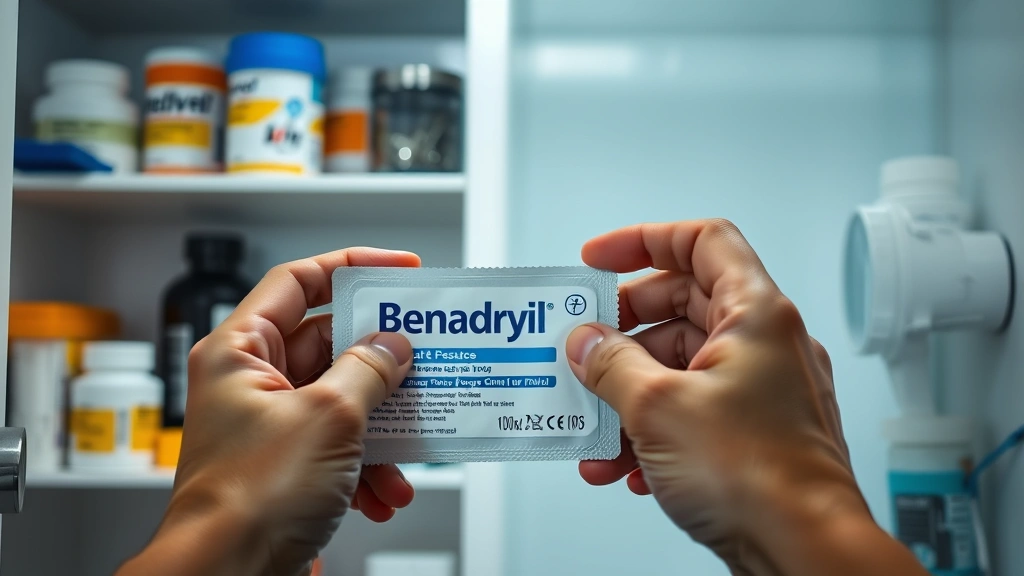
If you’re taking it for sleep, you might fall asleep before peak effectiveness arrives. If you’re treating allergies or hives, waiting those full 1 to 2 hours gives you the best results. Don’t redose thinking it’s not working if only 20 minutes have passed—give it time to reach peak levels.
After that 1 to 2 hour peak, effectiveness gradually declines. By hour 4, you’re getting noticeably less relief. By hour 6, most people need another dose if they want continued effects.
Individual Variations Matter
This is where things get personal. Some people feel Benadryl working within 10 minutes. Others don’t notice anything until 45 minutes have passed. Both are normal.
Age changes the game significantly. Older adults (65+) often experience slower absorption and longer effects—sometimes feeling drowsy for 8+ hours from a single dose. Children metabolize it differently too, and dosing for kids follows different guidelines entirely.
Genetic factors play a role as well. Some people are “fast metabolizers” and some are “slow metabolizers” based on their liver enzyme activity. If your family members report Benadryl works quickly on them, you might experience the same. If they say it barely touches them, you might too.
Tolerance builds with regular use. If you take Benadryl every day for a week, it might not work as well by day seven as it did on day one.
When to Expect Relief
Let’s get practical. You take a Benadryl tablet right now. Here’s what to actually expect:
Minutes 0-15: Nothing obvious yet. Your stomach is starting to break down the tablet, but you won’t feel it.
Minutes 15-30: You might start noticing something—slight drowsiness, maybe less itching. This is when most people report initial effects.
Minutes 30-60: Relief is becoming noticeable. If you took it for sleep, you’re probably getting drowsy. If it’s for allergies, the itching is decreasing.
Minutes 60-120: Peak effectiveness. This is as good as it gets with this dose. Maximum antihistamine action is happening.
Hours 2-4: Still working well, but gradually declining.
Hours 4-6: Effects are wearing off noticeably. If you need continued relief, this is roughly when you’d take another dose.
Safety Considerations
Don’t get impatient and double-dose thinking it’s not working. Taking extra Benadryl too soon won’t speed things up—it just increases side effects like extreme drowsiness, dry mouth, and potential dizziness. The maximum recommended dose for adults is typically 300mg per day, spread across multiple doses.
Benadryl is sedating, which is great if you want sleep but dangerous if you need to drive or operate machinery. Don’t take it and then get behind the wheel expecting to be fine in 15 minutes. Wait at least an hour, and honestly, if you’re taking it for sleep, you shouldn’t be driving at all.
Certain conditions make Benadryl risky. If you have glaucoma, urinary retention, heart conditions, or high blood pressure, talk to a doctor before using it. Mixing Benadryl with alcohol intensifies drowsiness and impairs judgment—don’t do it.

Pregnant or breastfeeding? Check with your doctor. While Benadryl is generally considered safe in pregnancy, it’s not automatic. Better to ask than guess.
Alternatives and Comparisons
If Benadryl isn’t cutting it or you don’t want the drowsiness, other options exist. Second-generation antihistamines like Claritin, Allegra, or Zyrtec take longer to work (30 to 60 minutes) but cause minimal drowsiness. They’re better for daytime use.
Hydrocortisone cream works faster than Benadryl cream for localized itching—sometimes within minutes—because it’s addressing inflammation directly rather than blocking histamine.
For sleep specifically, other options include melatonin (which works differently and takes 30 to 60 minutes) or prescription sleep aids that your doctor might recommend if Benadryl stops working or causes problems.
Decongestants like pseudoephedrine work on different mechanisms entirely and won’t help with allergic itching or hives—they’re for nasal congestion.
Frequently Asked Questions
How quickly does Benadryl work for allergies?
For allergic reactions like itching or hives, Benadryl typically starts working within 15 to 30 minutes, with peak effectiveness around 1 to 2 hours. For severe allergic reactions, this timeline might feel slow—that’s when you need epinephrine (EpiPen) instead, not just Benadryl.
Does Benadryl work faster on an empty stomach?
Yes, absolutely. An empty stomach means faster absorption. Taking it with food can delay effects by 30 to 60 minutes because your digestive system has to process the food first.
Why does Benadryl make you drowsy?
Because it crosses the blood-brain barrier and blocks histamine receptors in your brain, not just in your body. Histamine helps regulate wakefulness, so blocking it causes drowsiness. Newer antihistamines don’t cross the blood-brain barrier as easily, which is why they’re less sedating.
Can you take Benadryl every day?
Technically yes, but it’s not ideal long-term. Regular use builds tolerance, meaning it becomes less effective over time. Also, daily use increases side effects like dry mouth and cognitive issues. For chronic allergies, talk to your doctor about better long-term options.
Does liquid Benadryl work faster than tablets?
Yes, liquid gels and liquid formulations are absorbed faster—usually within 10 to 15 minutes compared to 15 to 30 minutes for regular tablets. The trade-off is that liquid versions cost more.
What if Benadryl doesn’t work after an hour?
First, make sure an hour has actually passed and you’re at peak effectiveness. If it’s genuinely not helping, you might be a slow responder, or the dose might be too low for your body weight. Don’t redose immediately—wait at least 4 to 6 hours. If Benadryl consistently doesn’t help, try a different antihistamine or see a doctor about underlying issues.
Is Benadryl safe for kids?
Dosing for children is different and based on age and weight. For kids under 2, don’t use Benadryl without doctor approval. For older kids, pediatric formulations exist with different dosing. Always check with your pediatrician first.
Bottom Line
So, how long does it take for Benadryl to work? For most people taking a standard oral dose, expect initial relief in 15 to 30 minutes, with peak effectiveness around 1 to 2 hours. The exact timeline depends on your metabolism, whether you’ve eaten, your body weight, and which formulation you’re using.
Liquid gels work fastest. Tablets take a bit longer. Topical cream works locally and quickly. Don’t expect miracles in 5 minutes, and don’t redose too soon thinking it’s not working. Give it the full 1 to 2 hours to reach peak effectiveness before deciding whether it’s helping.
If you need faster relief for severe allergic reactions, Benadryl might not be your answer—that’s an epinephrine situation. For regular allergies, itching, or sleep, Benadryl works reliably on that 15-to-30-minute timeline for most people. Just be smart about drowsiness, don’t mix it with alcohol, and check with your doctor if you’re on other medications or have health conditions.


