
So how long does it take for a hemorrhoid to shrink? The honest answer depends on what you’re dealing with—internal, external, thrombosed—and how aggressively you treat it. Most people see noticeable improvement within 7-10 days with proper care, but complete healing can take 2-4 weeks. Some stubborn cases need 6-8 weeks or professional intervention. Let’s walk through the real timeline so you know what to expect and how to speed things along.
Table of Contents
Timeline Breakdown by Type
Not all hemorrhoids are created equal, and neither are their timelines. Internal hemorrhoids—the ones inside your rectum that you usually can’t see—typically shrink faster than external ones. Why? They have better blood supply and less friction. You’re looking at 1-2 weeks for internal hemorrhoids to noticeably reduce in size with basic treatment.
External hemorrhoids are the painful ones you can feel and see. These take longer because they’re exposed to friction, air, and constant irritation. Plan on 2-4 weeks for external hemorrhoids to shrink significantly. The itching and discomfort often improve faster than the actual swelling disappears.
Thrombosed hemorrhoids—where a blood clot forms inside—are the worst-case scenario. These are genuinely painful and can take 4-8 weeks to fully resolve. The good news? The acute pain usually peaks around day 3-4, then starts improving. Many people need professional treatment for these, which can speed recovery to 1-2 weeks.
First Week Action Plan
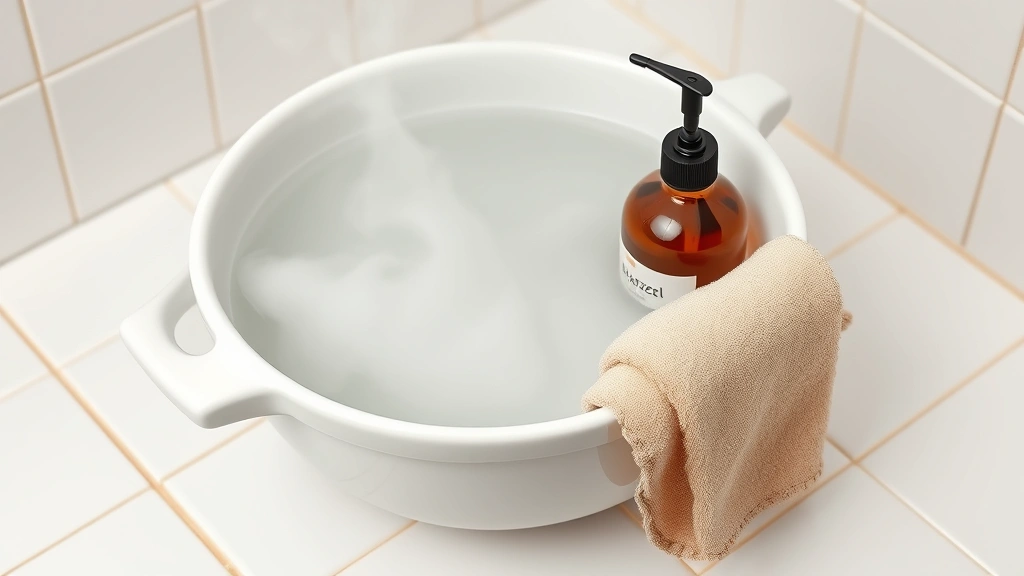
Your first week sets the tone for everything that follows. The goal isn’t to cure it overnight—it’s to stop making it worse and start the healing process. On day 1-2, focus on pain management and preventing constipation. Sit in a warm sitz bath for 10-15 minutes, 2-3 times daily. The warm water reduces inflammation and relaxes the muscles around the hemorrhoid.
Start hydrating like your life depends on it. Drink at least 8-10 glasses of water daily. Dehydration makes stool hard, which means straining, which makes hemorrhoids worse. It’s a vicious cycle, and water breaks it.
By day 3-4, you should notice the pain easing up. This is when you can add topical treatments. Over-the-counter creams with hydrocortisone or witch hazel provide real relief. Apply after each bowel movement and before bed. Don’t skip the sitz baths—they’re doing more heavy lifting than you realize.
Days 5-7, you’re in maintenance mode. The acute phase is passing. Keep up the water intake, maintain soft stools with fiber, and continue the sitz baths if you’re still uncomfortable. Most people see 30-50% improvement by the end of week one.
Do Home Remedies Actually Work?
Yes, but with realistic expectations. Sitz baths are legitimate—warm water genuinely reduces inflammation and improves blood flow. Witch hazel has mild astringent properties that can help with itching. Aloe vera soothes irritation. These aren’t miracle cures, but they’re not placebo either.
Coconut oil gets hyped a lot, and while it’s soothing, it doesn’t shrink hemorrhoids faster than basic treatment. The same goes for apple cider vinegar—people swear by it, but the evidence is thin. What actually matters is consistency and time.
The real hero of home treatment is fiber and water. These aren’t glamorous, but they address the root cause—straining from hard stools. Add 25-35 grams of fiber daily through food or supplements. This alone can cut your recovery time in half because you’re preventing the constant irritation that keeps hemorrhoids inflamed.
Stool softeners like docusate work faster than fiber if you need immediate relief. They soften stool within 24-48 hours, making bowel movements painless, which stops the hemorrhoid from getting re-injured every time you go.
Diet and Hydration Matter
This isn’t optional—diet directly controls your recovery timeline. Hard, dry stools mean straining, which means inflammation that resets your healing clock. Every time you strain, you’re essentially re-injuring the hemorrhoid.
Load up on fiber-rich foods: whole grains, beans, leafy greens, berries, pears. Prunes and psyllium husk work fast. If food fiber isn’t cutting it, a psyllium supplement like Metamucil adds bulk without the cramping you get from some fiber sources.
Hydration is non-negotiable. Your stool needs water to stay soft. Aim for pale urine as your hydration marker—that means you’re drinking enough. Coffee and alcohol are dehydrating, so cut back temporarily. Same with dairy if it’s constipating you.

Spicy food, processed foods, and low-fiber diets are hemorrhoid fuel. During recovery, eat boring but effective: oatmeal, brown rice, steamed vegetables, lean proteins. Yes, it’s bland, but it works.
When to Seek Professional Help
Most hemorrhoids resolve on their own, but some need a doctor. If you’re not seeing improvement after 2 weeks of aggressive home treatment, schedule an appointment. If you’re bleeding heavily, having severe pain that doesn’t improve with treatment, or passing blood clots, don’t wait—call your doctor.
Professional treatments can dramatically speed recovery. Rubber band ligation takes 1-2 weeks instead of 3-4. Infrared coagulation or sclerotherapy works in similar timeframes. For thrombosed hemorrhoids, a simple in-office drainage procedure can turn 8 weeks of pain into 1-2 weeks.
Your doctor can also rule out other conditions—anal fissures, infections, or more serious issues—that mimic hemorrhoid symptoms but need different treatment. Don’t assume it’s a hemorrhoid without confirmation.
Speed Up the Healing Process
You can’t eliminate the timeline entirely, but you can compress it. The fastest healing comes from combining multiple strategies: sitz baths, fiber, hydration, topical treatment, and stool softeners working together.
Witch hazel wipes instead of toilet paper reduce irritation. Soft, damp toilet paper is better than dry. Pat, don’t wipe. This sounds minor, but repeated friction from wiping keeps the area inflamed.
Avoid sitting for long periods, especially on hard surfaces. Pressure aggravates hemorrhoids. If your job requires sitting, take breaks every hour and stand or walk for 5 minutes.
Exercise helps—not intense workouts, but walking and light activity improve blood flow and digestion. This speeds healing and prevents constipation.
If home treatment isn’t working after 10-14 days, don’t tough it out. Professional treatments have faster timelines and better success rates. The longer you wait, the more likely you’ll develop complications that extend recovery.
Prevention Strategies That Work
Once you’ve dealt with a hemorrhoid, you’ll do anything to avoid it again. Prevention is simpler than treatment: maintain fiber intake (25-35g daily), drink water consistently, don’t strain, and respond to the urge to go immediately.
Squatting instead of sitting on the toilet reduces straining. If you can’t install a squat toilet, a footstool that elevates your knees helps. This position naturally aligns your colon for easier passage.
Limit time on the toilet. If you’re sitting there reading for 15 minutes, you’re straining unnecessarily. Get in, go, and get out. Straining while constipated is the number-one hemorrhoid trigger.
Manage stress and anxiety—they trigger digestive issues and constipation. Regular movement, adequate sleep, and stress management indirectly prevent hemorrhoids.
Common Mistakes People Make
The biggest mistake is ignoring the problem and hoping it goes away. Hemorrhoids don’t resolve faster with neglect. They need active treatment and lifestyle changes.
Second mistake: using harsh laxatives instead of gentle fiber. Strong laxatives cause cramping and urgency, which aggravates hemorrhoids. Fiber and stool softeners are gentler and more effective long-term.
Third: continuing activities that caused the hemorrhoid. If you’re still straining, still dehydrated, still eating low-fiber foods, your hemorrhoid will persist or return. You have to address the cause, not just treat the symptom.
Fourth: using numbing creams for too long. They feel great, but they can thin the skin with overuse. Limit them to a few days, then switch to hydrocortisone cream or witch hazel.
Fifth: assuming all rectal bleeding is hemorrhoids. It usually is, but sometimes it’s not. Bleeding could indicate fissures, infections, or worse. Get it checked if you’re uncertain.
Frequently Asked Questions
How long until hemorrhoid pain goes away?
Most people experience significant pain relief within 3-7 days with proper treatment. The acute pain usually peaks on day 2-3, then improves rapidly. Complete pain resolution takes 1-2 weeks for mild cases, 2-4 weeks for moderate ones.
Can a hemorrhoid shrink in a few days?
The swelling can reduce noticeably within 3-5 days with aggressive treatment, but complete shrinkage takes longer. You’ll see 30-40% improvement in days, but the remaining 60% takes weeks.
What’s the fastest way to heal a hemorrhoid?
Combine sitz baths, hydration, fiber, stool softeners, and topical treatment simultaneously. If home treatment doesn’t work in 10-14 days, professional procedures like rubber band ligation are fastest—1-2 weeks total recovery.
Do hemorrhoids ever go away completely?
Yes, with proper treatment and prevention. The tissue heals, and the hemorrhoid resolves. However, without addressing the underlying cause (straining, constipation, low fiber), they often return.
Is bleeding normal with hemorrhoids?
Bright red blood on toilet paper or stool is common with hemorrhoids. Heavy bleeding, dark blood, or bleeding that doesn’t stop needs medical evaluation to rule out other conditions.
Can I exercise while recovering?
Light activity like walking helps. Avoid intense exercise, heavy lifting, or activities that increase abdominal pressure for the first 1-2 weeks. Once pain subsides, normal exercise is fine.
External Resources
For comprehensive guidance on hemorrhoid treatment and prevention, consult Family Handyman’s health section, the This Old House wellness resources, or Bob Vila’s practical health tips. Your doctor remains the best source for personalized medical advice.
For evidence-based medical information, the National Institutes of Health provides peer-reviewed research on hemorrhoid treatment timelines and efficacy.
You can also reference our related article on how to become a chiropractor if you’re interested in healthcare careers, or check out how long does it take for semaglutide to suppress appetite for other health timeline information.


