
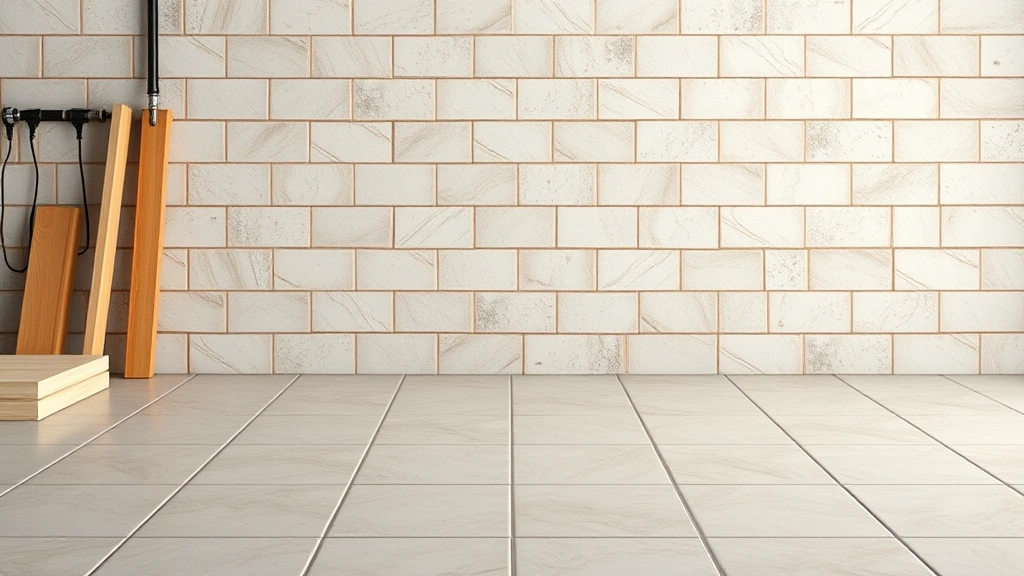
Wondering how long does grout take to dry? The answer isn’t as simple as “24 hours and you’re done.” Grout drying time depends on several factors—the type of grout you’re using, humidity levels, temperature, ventilation, and tile thickness all play a role in the curing process. As someone who’s spent countless hours grouting bathroom tiles and kitchen backsplashes, I can tell you that rushing this step is one of the fastest ways to ruin a perfectly good tile job. Let me walk you through exactly what to expect and how to avoid common mistakes.
Table of Contents
Grout Types & Drying Times
Not all grout is created equal, and neither are their drying times. Understanding what you’re working with makes a huge difference in planning your project timeline.
Unsanded grout typically dries in 24-48 hours for light foot traffic and 3-7 days for full cure. This is the stuff you’ll use for grout lines narrower than 1/8 inch—think delicate subway tiles or mosaic work. It’s easier to work with and creates a smoother finish, but it’s also more prone to shrinking and cracking if you don’t give it proper time.
Sanded grout takes longer—usually 48-72 hours before you can walk on it, with full curing at 7-14 days. The sand particles in the mix actually slow down the drying process, but they give you better strength and less shrinkage. Use this for grout lines wider than 1/8 inch. When I’m doing larger format tiles, I always reach for sanded grout because it just holds up better over time.
Epoxy grout is the wild card. It dries much faster—sometimes in just 24-48 hours—but it’s trickier to install and more expensive. It’s also virtually stain-proof, which makes it worth considering for high-traffic areas or kitchens where spills happen.
Factors Affecting Drying Speed
Here’s where things get real. The manufacturer’s timeline on the bag is a baseline, not a guarantee. I’ve seen grout take twice as long in humid conditions and I’ve watched it cure in half the time on a hot, dry day.
Tile material matters. Porous tiles like natural stone absorb moisture from the grout, which can actually speed up drying. Non-porous tiles like porcelain or glass don’t absorb anything, so the grout dries slower because all that moisture has nowhere to go except straight up into the air.
Grout joint thickness is critical. Thick grout lines—say 3/8 inch or wider—take significantly longer to dry than thin lines. The moisture has to travel further to escape. A thick joint might take 2-3 times longer than a thin one, even with the same grout type.
Substrate preparation affects drying too. If your tile base isn’t properly prepared—if it’s dusty, oily, or not sealed where it should be—grout won’t cure properly and might take longer or never fully harden. Always clean your substrate thoroughly before grouting.
Curing vs. Drying Explained
This is where a lot of people get confused, and it costs them real problems. Drying and curing are not the same thing.
Drying is when the grout stops being wet—when you can walk on it without leaving footprints. Curing is when the grout reaches its full strength and hardness. You might be able to walk on grout after 24 hours, but it’s still soft and vulnerable. If you apply grout sealer too early, install a shower door, or put heavy weight on it before it’s fully cured, you’ll compromise the entire job.
Think of it like concrete. You can walk on concrete after a few days, but it keeps getting harder for weeks. Grout is similar. Even after it feels dry to the touch, it’s still gaining strength internally. The chemical reaction that hardens grout takes time—rushing it is a recipe for failure.
Epoxy Grout Special Cases
Epoxy grout deserves its own section because the timeline is different and the stakes are higher. Epoxy cures through a chemical reaction, not evaporation, so humidity and temperature affect it differently than traditional grout.
Most epoxy grout sets in 24-48 hours, but you need to be careful during that window. You can’t apply a sealer right away like you can with cement-based grout. Epoxy grout is already stain-resistant, so sealing isn’t necessary, but if you do seal it, you have to wait the full curing time.
The tricky part? Epoxy is temperature-sensitive. In cold conditions (below 50°F), epoxy grout cures much slower and may not reach full strength at all. In hot conditions (above 85°F), it can cure so fast that it becomes difficult to work with. I’ve had epoxy grout set up on my float before I could finish grouting a section on a hot summer day.
Humidity & Temperature Impact
If there’s one thing I wish every DIYer understood about grout, it’s that humidity and temperature are not minor factors—they’re game-changers.
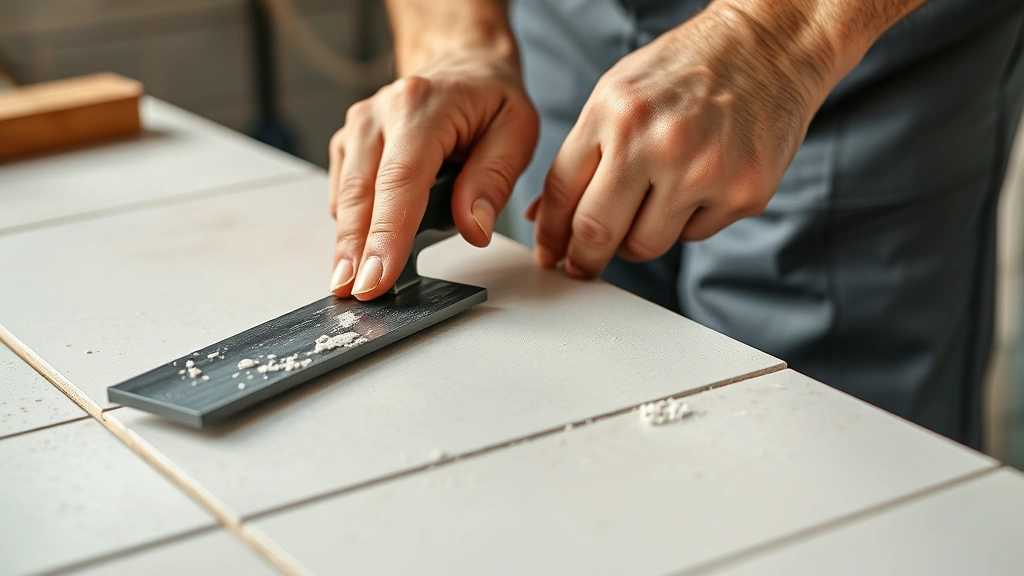
High humidity slows everything down. In a bathroom or basement where humidity is 80% or higher, expect grout to take 50-100% longer to dry. The air is already saturated with moisture, so the grout has nowhere to release its water. I’ve grouted bathrooms where it took 14 days for full cure instead of the typical 7.
Low humidity speeds it up. In dry climates or during a hot, dry spell, grout can cure in half the normal time. This sounds great until you realize that fast drying can cause cracking. When grout dries too quickly, the surface hardens while the interior is still soft, creating stress that leads to cracks.
Temperature matters too. Grout cures best between 50-85°F. Below 50°F, the chemical reaction slows dramatically. Above 85°F, it can cure too fast. In winter, you might need to wait 2-3 weeks for full cure. In summer heat, you might be done in 5-7 days, but with more cracking risk.
My rule: Check the weather forecast before you grout. If humidity is high or temperature is extreme, adjust your timeline expectations and plan accordingly.
When to Seal Grout Lines
This is where timing is critical and mistakes are expensive. You can’t seal grout too early or you’ll trap moisture inside and cause mold and deterioration. But wait too long and you might miss the window.
For cement-based grout, wait at least 48-72 hours before sealing, but I recommend waiting a full week. The grout should be completely dry to the touch and, ideally, you should have waited through at least one full humidity cycle (a day and night). Some sealers work better on grout that’s been cured for 2-3 weeks, so check your sealer’s instructions.
For epoxy grout, don’t seal it at all unless the manufacturer specifically recommends it. Epoxy is already stain-resistant and sealing can actually reduce its performance.
When you do seal, use a penetrating sealer that allows the grout to breathe. Avoid film-forming sealers that sit on top—they trap moisture and cause problems. I prefer penetrating sealers that soak in and protect from within.
Common Drying Mistakes
I’ve made these mistakes so you don’t have to. Learn from my failures.
Walking on grout too soon is the #1 mistake. Just because grout feels dry doesn’t mean it’s ready for foot traffic. I once grouted a kitchen floor and walked on it after 24 hours—looked fine, but within a week, the grout started cracking. The internal stress from my weight before it was fully cured created micro-fractures.
Applying water too soon is another killer. You can’t shower in a newly grouted bathroom or splash water on a grouted backsplash for at least 48-72 hours. Water interferes with the curing process and can cause efflorescence (white powdery deposits) or weak grout.
Ventilation failure stops grout from drying properly. If you grout a bathroom and then seal it up tight, the humidity will spike and grout will take forever to cure. Open windows, run exhaust fans, and get air moving. This is non-negotiable in humid climates.
Grouting in wrong conditions sets you up for failure. Don’t grout when it’s freezing, don’t grout in direct sunlight (it dries too fast), and don’t grout when humidity is above 90%. Pick a moderate day with decent ventilation.
Speed Up Drying Safely
Sometimes you need grout to cure faster without sacrificing quality. Here’s how to do it responsibly.
Improve ventilation. Use fans to move air across the grouted area. A box fan pointed at the wall creates air movement that helps moisture escape. In bathrooms, run the exhaust fan continuously for the first 48 hours. This is the single most effective thing you can do.
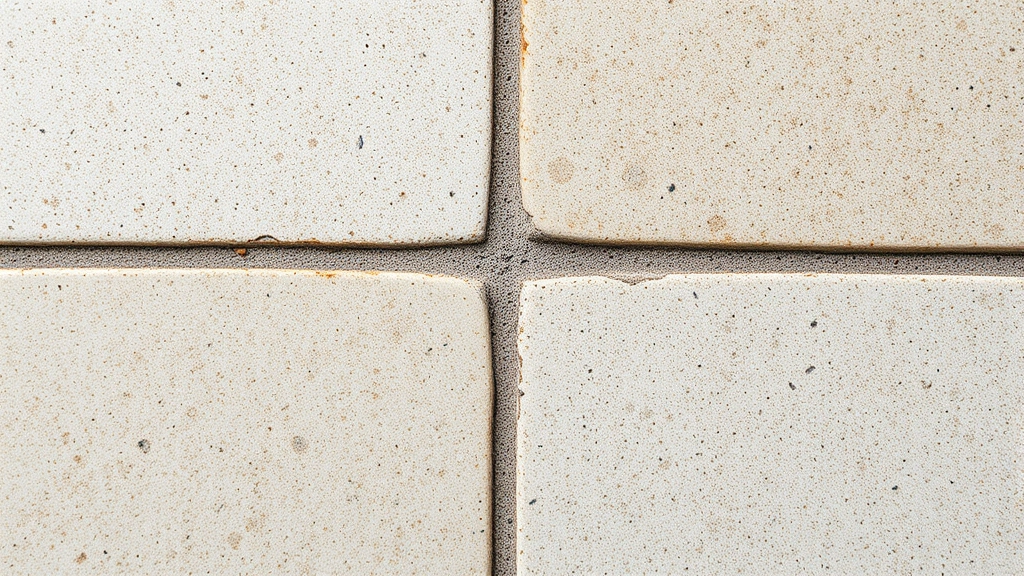
Control humidity. Use a dehumidifier in bathrooms or basements. If humidity is above 70%, a dehumidifier can reduce it to 50-60%, which speeds up drying significantly. This is especially useful in rainy climates or during humid seasons.
Optimize temperature. Keep the space between 65-75°F if possible. Too cold and grout cures slowly; too hot and it cures unevenly. If you’re grouting in winter, use a space heater to maintain temperature. In summer, avoid grouting during the hottest part of the day.
Use fast-set grout. Some manufacturers make grout that cures faster than standard mixes. These are more expensive but can cut drying time in half. Read the package carefully—fast-set grout can be harder to work with because it sets quickly.
Don’t use heat directly. Never use a hair dryer, heat gun, or heater pointed directly at grout. This causes surface-only drying and creates cracks. Let it dry naturally with environmental support.
Frequently Asked Questions
Can I shower in a newly grouted bathroom after 48 hours?
Not safely. Most grout needs 72 hours minimum before water exposure, and I recommend waiting a full week. Water interferes with the curing process and can weaken the grout or cause discoloration. If you absolutely must use the shower, wait at least 72 hours and then use it briefly. Full exposure should wait 7 days.
What happens if grout doesn’t dry properly?
Improperly cured grout stays soft, cracks easily, absorbs stains, and allows water infiltration. In a bathroom or kitchen, this leads to mold, mildew, and water damage behind the tiles. You might have to remove and re-grout the entire area, which is expensive and time-consuming. Always give grout the time it needs.
Is it normal for grout to crack while drying?
Minor hairline cracks are normal and usually not a problem, especially with sanded grout. These typically fill in with grout sealer or can be touched up. However, large cracks or cracks that appear after the grout should be fully cured indicate a problem—usually too-fast drying, incorrect mixing, or substrate issues. If you see significant cracking, investigate the cause.
How do I know when grout is fully cured?
Grout is fully cured when it’s hard to the touch, doesn’t leave marks when you press your fingernail into it, and has reached its final color. For most grout, this takes 7-14 days. The best test? Wait the full time recommended by the manufacturer, then wait a few extra days. You can’t go wrong with patience.
Does tile type affect grout drying time?
Yes, significantly. Porous tiles like natural stone absorb moisture from grout, speeding up drying. Non-porous tiles like porcelain or glass don’t absorb anything, so grout dries slower. Large format tiles with thick grout lines also take longer than small tiles with thin lines. Always account for your specific tile type when planning your timeline.
Can I use a dehumidifier to speed up grout drying?
Absolutely. A dehumidifier is one of the safest ways to speed up grout drying. By reducing humidity from 80% to 50-60%, you can cut drying time in half. This is especially useful in bathrooms and basements where humidity is naturally high. Just don’t rely on it as your only ventilation strategy—combine it with good air circulation.
Final Thoughts
Here’s the honest truth: how long does grout take to dry depends on more factors than you’d think, but the core principle is simple—patience wins. Rushing grout is one of the most common mistakes in tile work, and it’s completely avoidable if you plan ahead and respect the timeline.
Check the manufacturer’s recommendations, account for your climate and conditions, ensure proper ventilation, and resist the urge to use your space before grout is fully cured. You can keep your new tile clean later, but you can’t fix grout that’s been compromised by rushing the cure. The extra week of waiting is worth the years of durability you’ll get in return.
For more detailed tile installation guidance, check out resources from Family Handyman and This Old House. And if you’re dealing with grout stains or maintenance issues after installation, Bob Vila’s site has solid troubleshooting advice. When you’re ready to move beyond grout, you might need to tackle other bathroom projects or learn about preventing moisture damage in your home. And if your grout job is in the kitchen, remember that keeping surfaces clean—including nearby areas like upholstered surfaces that collect kitchen dust—helps maintain the overall condition of your space.


