
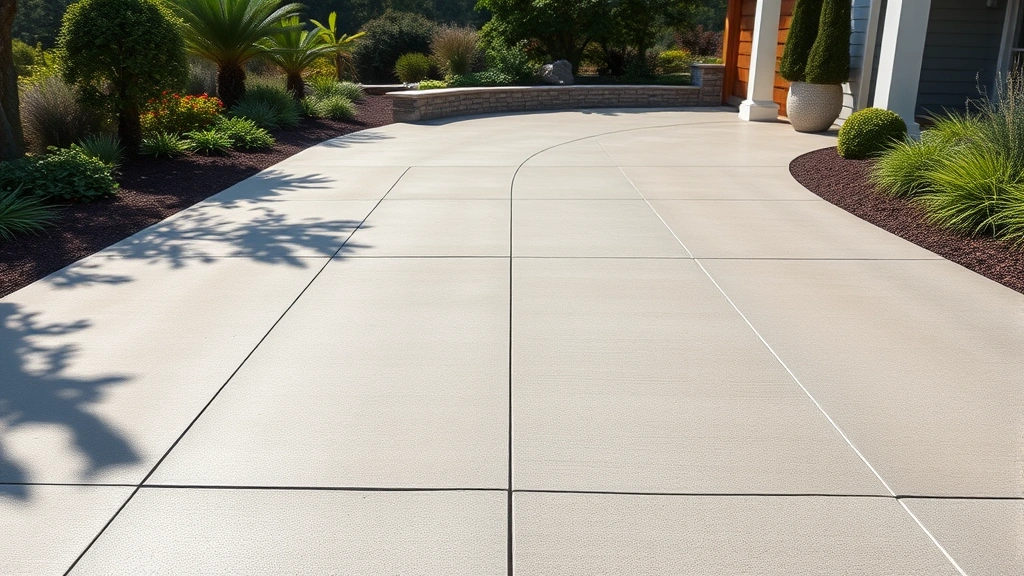
Figuring out how long does concrete take to dry is one of the most common questions I get in the workshop, and honestly, the answer isn’t as straightforward as you’d think. Whether you’re pouring a new driveway, fixing a cracked patio, or setting fence posts, understanding concrete curing times can mean the difference between a rock-solid job and a crumbly disappointment. Let me walk you through everything you need to know about concrete drying, from the science behind it to the practical timeline for your next project.
Table of Contents
Initial Set Time Explained
Here’s where most folks get confused: concrete doesn’t “dry” the way paint does. It actually cures through a chemical process called hydration. Within the first 24-48 hours, your concrete reaches what we call “initial set,” meaning it’s hard enough to walk on without leaving footprints. But this is just the beginning of the journey.
During those first few hours, concrete is incredibly vulnerable. The surface might feel firm, but the interior is still soft and weak. I’ve seen too many DIYers think their concrete is ready for action after a day, only to end up with pitted surfaces and soft spots. The concrete is setting, sure, but it’s not truly cured yet.
Most standard concrete mixes reach initial set in 4-8 hours under normal conditions. You’ll see the surface change from wet and shiny to dull and dry-looking. That’s your signal that foot traffic is becoming safer, but you’re still weeks away from full strength.
Full Cure Timeline Breakdown
Let’s talk real numbers here. Standard concrete typically reaches about 70% of its full strength after 7 days. That’s the magic number you’ll see on most bags of concrete mix. After 28 days, you’re looking at roughly 99% of its ultimate strength—which is why concrete contractors often cite “28-day strength” as the industry standard.
But here’s the kicker: concrete actually continues to gain strength for years. I’ve got concrete in my workshop that’s over a decade old and it’s still marginally stronger than it was at 28 days. For practical purposes though, once you hit that 28-day mark, you can treat it like fully cured concrete.
The timeline looks roughly like this:
- 4-8 hours: Surface set, safe for foot traffic
- 24-48 hours: Can handle light loads
- 7 days: 70% strength, safe for normal use
- 28 days: Full strength for most applications
Factors That Affect Drying Speed
Not all concrete dries at the same rate, and that’s where things get tricky. The thickness of your pour matters enormously. A thin 2-inch patio slab will cure much faster than a 6-inch driveway foundation. Thicker concrete requires more time for the hydration process to work its way through the entire mass.
The mix design itself plays a huge role too. Some concrete mixes are specifically formulated for faster setting—these are great for emergency repairs or when you’re on a tight timeline. Others are designed for slower setting, giving you more time to work and finish the surface properly. If you’re using a standard all-purpose concrete mix from the hardware store, you’re probably looking at average drying times.
Additives and accelerators can speed things up significantly. I’ve used accelerated concrete mixes that set in half the normal time. These are lifesavers when weather’s turning bad or you need quick results. Just remember that faster setting doesn’t always mean better concrete—there are tradeoffs in durability and finish quality.
Temperature and Humidity Impact
This is where most DIYers miss the mark. Temperature and humidity are absolutely critical to concrete curing. Cold weather slows everything down dramatically. If it’s below 50°F when you pour, your concrete might take two or three times longer to cure. Below 40°F, and you’re looking at potential problems with the hydration process itself.
Hot, dry weather speeds things up, but it can actually cause problems. Concrete that dries too fast can crack and develop surface issues. When I’m pouring in summer heat, I actually slow down the drying process by keeping the surface moist and covered during the first few days. Counterintuitive, right?
Humidity is the silent player here. High humidity slows curing because moisture can’t escape as quickly. Low humidity speeds it up. In my experience, spring and fall with moderate temperatures and decent humidity are ideal concrete-pouring seasons. You get steady, predictable curing without the extremes.
Concrete Type Matters Most
Standard Portland cement concrete is what most of us use, and it follows that 7-day/28-day timeline I mentioned. But there are other options worth knowing about. Fast-setting concrete (sometimes called rapid-set or quick-set) can be ready for light use in just 24 hours. I use this stuff for small repairs, fence post setting, and situations where I can’t wait around.
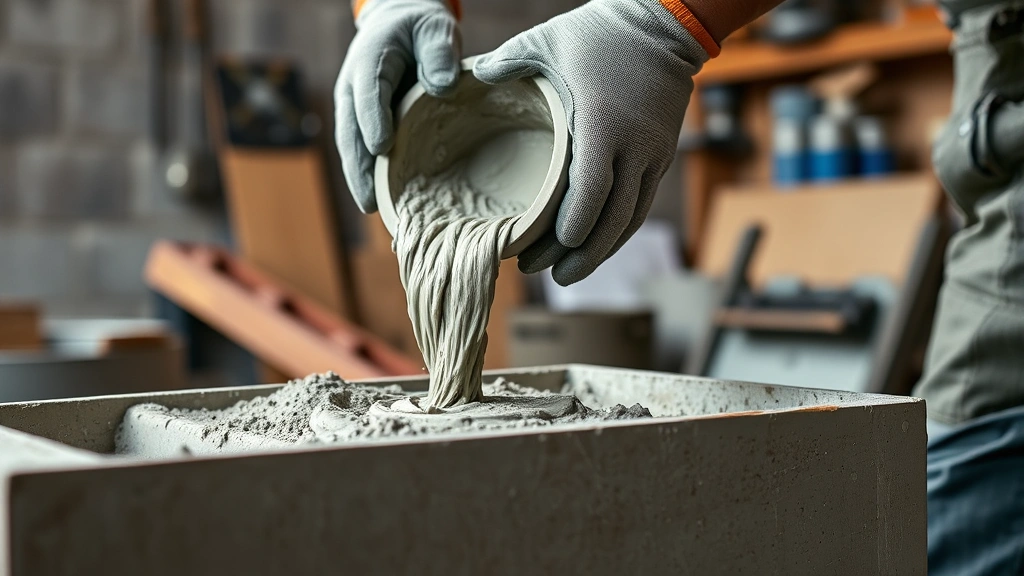
Self-consolidating concrete (SCC) flows better and doesn’t need vibrating, but it follows similar curing timelines. Fiber-reinforced concrete adds strength earlier in the process, which is handy for certain applications. And if you’re working with specialty mixes like high-strength concrete or colored concrete, you might see different curing characteristics.
For most home projects, standard concrete mix is your best bet. It’s affordable, predictable, and well-understood. Just follow the manufacturer’s recommendations on the bag, and you’ll be fine.
When to Walk on Concrete
I tell folks they can safely walk on concrete after 24-48 hours in normal conditions. By “safely,” I mean you won’t sink in or leave deep footprints. Light foot traffic is totally fine at this point. Kids running around? No problem. But I wouldn’t recommend heavy activity or putting significant weight on it yet.
After 7 days, you can pretty much treat it like normal concrete for everyday use. Foot traffic, light furniture, that sort of thing. This is when most people feel comfortable with their patio or basement floor. If you’re planning a big backyard party or family gathering, wait until at least day 7 to be safe.
The key thing is to avoid concentrated loads early on. Don’t drag heavy equipment across it on day 2. Don’t park a car on it on day 3. Give it time to build strength gradually, and you’ll have concrete that lasts decades instead of years.
When to Drive on Concrete
Here’s where patience really pays off. I never recommend driving on concrete before 7 days, and honestly, I prefer to wait a full 28 days for driveways. The weight of a vehicle is significant, and concrete that’s only a week old might handle it, but you’re taking a risk.
At 7 days, concrete has reached about 70% of its strength. That sounds decent, but it’s still vulnerable to stress damage. The remaining 30% matters more than you’d think, especially when you’re talking about concentrated loads like a car tire. After 28 days, you’re essentially at full strength and there’s no reason to worry.
If you absolutely must drive on it before 28 days, wait at least 14 days and drive slowly. No jackrabbit starts, no hard braking, no parking in the same spot repeatedly. And if you’re in cold weather, extend that timeline significantly. Cold slows curing, so what would normally be safe at 14 days might not be safe until day 21 or later.
Curing Best Practices
The first week is critical for concrete curing, and there are several things you can do to optimize the process. First, keep it moist. I know this sounds weird when we’re talking about “drying,” but concrete actually cures better when it stays damp during the first 7 days. The moisture allows the hydration process to continue evenly throughout the slab.
Cover your concrete with plastic sheeting or burlap for the first few days. This keeps moisture in and prevents too-rapid surface drying. In hot weather, I’ll actually mist the surface lightly a couple times a day during that first week. It makes a real difference in the final quality.
Protect it from traffic and weather. Don’t let water pool on it, but don’t let it dry out too fast either. Keep vehicles and heavy equipment off it. If rain is forecast within the first 24 hours, cover it. Rain won’t ruin concrete, but it can create surface issues if the concrete hasn’t set yet.
Temperature control matters too. If it’s going to be very cold or very hot, take steps to moderate that. In cold weather, you might need to add insulation. In hot weather, shade helps. The goal is steady, moderate conditions that allow even curing.
Common Drying Mistakes
The biggest mistake I see is rushing the timeline. People pour concrete on a Saturday morning and want to use it by Sunday afternoon. That’s not going to work. Concrete needs time, and there’s no way around it. You can’t force it to cure faster through willpower or wishful thinking.
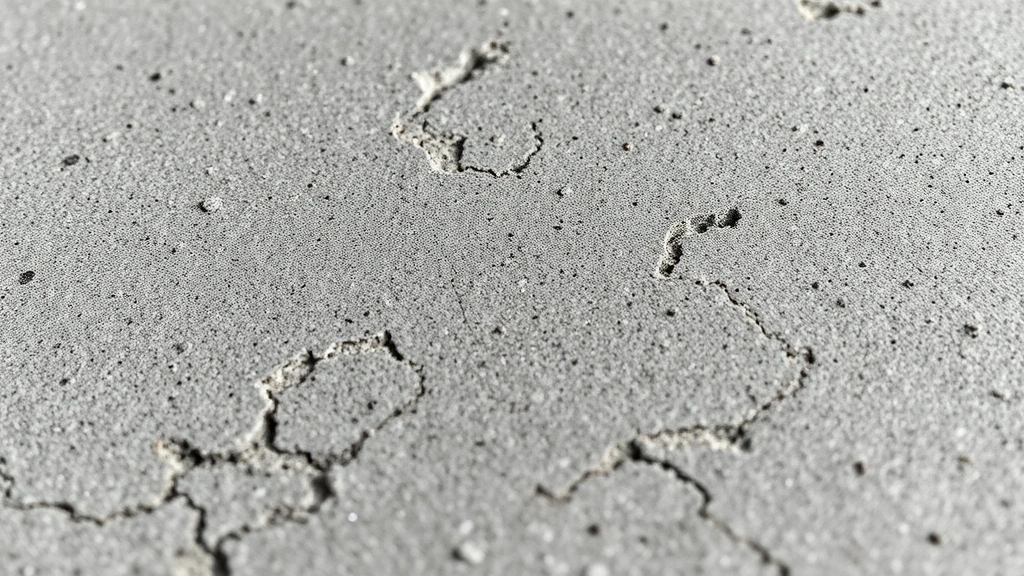
The second big mistake is improper curing practices. Letting concrete dry out too fast, especially in hot or windy conditions, causes cracking and surface deterioration. I’ve seen beautiful concrete pours ruined because someone didn’t keep it moist during that critical first week.
Another common error is pouring in bad weather without accounting for it. Cold weather slows curing dramatically, but people often don’t adjust their timeline expectations. You pour concrete at 35°F and expect it to be ready in a week? Not happening. Plan for 2-3 weeks minimum in cold conditions.
Lastly, people often don’t account for the difference between “set” and “cured.” Just because concrete feels hard doesn’t mean it’s ready for heavy use. This is the source of more premature failure than almost anything else. Set is just the beginning; curing is the whole process.
Frequently Asked Questions
Can I walk on concrete after 24 hours?
Yes, you can walk on concrete after 24 hours in normal conditions. The surface will be hard enough that you won’t sink in or leave footprints. However, avoid heavy activity or concentrated loads at this point. Light foot traffic is fine, but treat it gently.
How long before I can drive on concrete?
I recommend waiting at least 7 days before driving on concrete, and preferably 28 days for a driveway. At 7 days, concrete has reached about 70% of its strength. While it might handle a vehicle, you’re taking a risk. After 28 days, it’s at full strength and completely safe.
Does concrete continue to get harder after 28 days?
Yes, concrete continues to gain strength for years, but the rate of gain slows dramatically after 28 days. For practical purposes, 28-day strength is considered “full strength” for most applications. The additional strength gained after that is minimal.
What temperature is too cold for concrete?
Concrete should not be poured when temperatures are below 50°F, and ideally not below 55°F. Below 40°F, the hydration process slows dramatically and the concrete may not cure properly. If temperatures drop below freezing within 24 hours of pouring, you could have serious problems.
Can I speed up concrete drying?
You can use fast-setting concrete mixes that cure in 24 hours, but standard concrete can’t really be rushed. Attempting to dry it too fast (like with heat or forced air) can cause cracking and other issues. The best approach is to plan ahead and use the right mix for your timeline.
What happens if it rains on fresh concrete?
Rain within the first 24 hours can create surface issues and washout problems. If rain is forecast, cover your concrete with plastic sheeting. After 24-48 hours, rain won’t damage the concrete, though you should avoid standing water pooling on the surface.
Should I seal concrete right after it cures?
Wait at least 28 days before sealing concrete. The concrete needs to be fully cured and completely dry before you apply a sealer. Sealing too early can trap moisture inside and cause problems. After 28 days and a week of dry weather, you’re good to go.
The Bottom Line: How long concrete takes to dry depends on multiple factors, but the general timeline is 24-48 hours for initial set, 7 days for 70% strength, and 28 days for full strength. Temperature, humidity, concrete type, and thickness all play crucial roles. For most DIY projects, following that 7-day rule for foot traffic and 28-day rule for vehicles will keep you safe. Don’t rush it—concrete rewards patience with decades of reliable service. Treat it right during those first few weeks, and you’ll have concrete that outlasts your expectations.


