

If you’re dealing with allergies and wondering how long does Claritin take to work, you’re not alone—millions of people reach for this antihistamine every day hoping for quick relief. The short answer: it depends on your body, but most people feel results within 20-60 minutes when taken orally, with peak effectiveness around 1-3 hours. Let’s dig into what actually happens inside your body and how to get the most out of this common allergy medication.
Table of Contents
- Understanding Claritin Basics
- Timeline: When You’ll Feel Relief
- Factors That Speed Up or Slow Down Results
- Tablet vs. Liquid: Which Works Faster
- Food and Drink Effects
- Peak Effectiveness Window
- Does Your Body Build Tolerance
- When to Expect Better Results
- Alternatives for Faster Relief
- Frequently Asked Questions
Understanding Claritin Basics
Claritin (loratadine) is a second-generation antihistamine that blocks histamine receptors in your body. Unlike older antihistamines, it doesn’t cross the blood-brain barrier as easily, which means less drowsiness but also a slightly delayed onset. When you take a Claritin tablet, it travels through your digestive system, gets absorbed into your bloodstream, and eventually reaches the histamine receptors causing your allergic symptoms.
The medication works by preventing histamine from attaching to receptors on cells, which stops the cascade of symptoms like itching, sneezing, and watery eyes. It’s not a cure—it’s a symptom manager. This distinction matters because understanding the mechanism helps you set realistic expectations about timing.

Timeline: When You’ll Feel Relief
Here’s the real-world breakdown of what to expect after taking Claritin:
First 15-20 minutes: Nothing noticeable yet. The tablet is dissolving in your stomach and beginning absorption. Some people report a slight placebo effect, but pharmacologically, you’re still waiting.

20-60 minutes: Most people start noticing symptom improvement. Itching might decrease by 30-50%, sneezing episodes become less frequent, and nasal congestion may start clearing. This is the window where you’ll feel the medication “kicking in.”
1-3 hours: Peak effectiveness. This is when Claritin reaches maximum concentration in your bloodstream. You’ll experience the strongest relief from your allergy symptoms during this window. Many people report feeling nearly symptom-free during peak hours.

4-24 hours: Sustained relief. Claritin has a long half-life (around 12-15 hours), meaning it stays in your system and continues working even as concentrations gradually decline. This is why you only need one dose daily.
Factors That Speed Up or Slow Down Results
Your body isn’t a standardized machine, so Claritin timing varies. Several personal factors influence how quickly you’ll feel relief:

Metabolism: If you have a faster metabolism, you’ll likely feel effects sooner. People with slower metabolic rates might wait closer to the 60-minute mark. Age, weight, and overall fitness level all play roles here.
Stomach contents: Taking Claritin on an empty stomach generally speeds absorption. A full stomach, especially high-fat meals, can delay onset by 15-30 minutes. This connects to why timing matters—take it when your stomach is relatively clear for faster results.
Individual sensitivity: Some people are naturally more sensitive to antihistamines. They might feel effects in 15 minutes while their friend waits 45. Genetics influence histamine receptor distribution and sensitivity.
Severity of allergies: Mild allergy days might show improvement faster because there’s less histamine flooding your system. Severe allergy days might require the full 1-3 hours for adequate receptor blocking.
Hydration status: Dehydration slows medication absorption. Drinking water when you take Claritin can actually speed up the process slightly. This is a small factor, but it matters.
Tablet vs. Liquid: Which Works Faster
Claritin comes in tablets, orally disintegrating tablets, and liquid suspension. The differences in onset time are real:

Regular tablets: 20-60 minutes typical onset. They need to dissolve in your stomach before absorption begins.
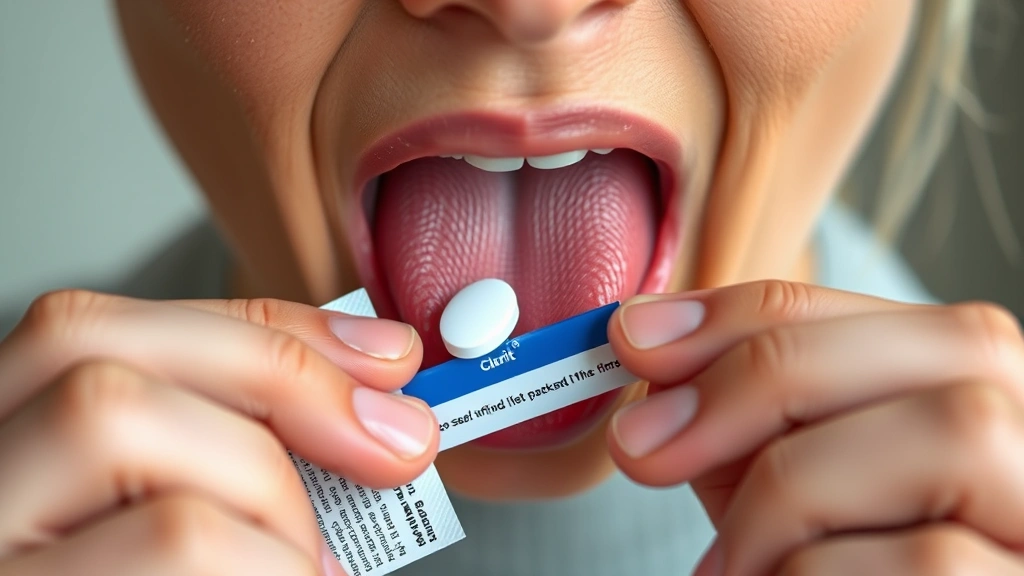
Orally disintegrating tablets (RediTabs): Slightly faster, often 15-45 minutes. They start dissolving immediately on your tongue, so absorption begins earlier in the process. Some people report feeling effects 10-15 minutes faster with these.

Liquid suspension: Often the fastest option, sometimes 15-40 minutes. The medication is already in liquid form, so your digestive system doesn’t need to break down a tablet first. This is particularly useful for kids and people who have trouble swallowing pills. If you’re in a rush and want faster relief, the liquid formulation is your best choice among standard Claritin products.
The difference between formulations is modest—we’re talking 10-15 minutes in most cases—but when you’re miserable from allergies, every minute counts.

Food and Drink Effects
What you consume alongside Claritin genuinely affects how quickly it works. This isn’t just pharmacist talk—it’s real biology:
High-fat meals: Slow absorption significantly. If you take Claritin after a cheeseburger and fries, expect closer to the 60-minute mark for onset. The fat content slows gastric emptying.

Grapefruit juice: Can interfere with metabolism, though this matters more with some medications than Claritin specifically. It’s worth avoiding just to be safe.
Alcohol: Increases drowsiness risk and might slightly delay absorption. Not a major factor, but worth noting if you’re trying to optimize timing.

Water: Helps. Drinking a full glass of water with your Claritin aids absorption and can shave 5-10 minutes off onset time.
The practical takeaway: if you need fast relief, take Claritin on an empty stomach with water. If you’re taking it as maintenance (which many allergy sufferers do), timing around meals matters less because you’re not chasing immediate symptom relief.

Peak Effectiveness Window
Understanding peak effectiveness helps you plan your day around allergy triggers. Claritin reaches maximum blood concentration around 1-3 hours after ingestion, and this is when you’ll get your best symptom control. The medication then maintains reasonable effectiveness for 12-24 hours, with a gradual decline.
If you know you’re heading into a high-pollen environment or have a specific event where allergies might flare, take Claritin 1-2 hours before exposure. This timing ensures you’re in the peak effectiveness window when you need it most. Many allergy sufferers develop a routine—taking it first thing in the morning so peak effectiveness hits during their commute or morning activities.

The long half-life means missing a dose by a few hours usually doesn’t cause major symptom breakthrough, but consistency matters. Taking it at the same time daily maintains steadier symptom control than sporadic dosing.
Does Your Body Build Tolerance
Here’s a concern many long-term users have: does Claritin stop working as well over time? The short answer is: rarely, but it happens to some people.

Most users report consistent effectiveness year after year. However, some people notice that after weeks or months of daily use, symptoms seem to break through more. This might be tolerance, or it might be that allergy season intensified. The distinction matters for your treatment strategy.
If you suspect tolerance developing, talk to your doctor about rotating to a different antihistamine class for a few weeks, then returning to Claritin. This “drug rotation” approach helps many people maintain effectiveness. It’s similar to how your body adapts to other medications—sometimes strategic breaks help.

The good news: true tolerance to Claritin is uncommon. Most people who think they’ve developed tolerance actually have either worsening allergies, environmental changes, or are simply expecting faster results than the medication delivers.
When to Expect Better Results
If Claritin isn’t working well for you, timing adjustments might help. Consider these optimization strategies:

Start 1-2 hours early: If you know you’ll be in an allergenic environment, take Claritin during peak effectiveness rather than waiting until symptoms hit.
Take daily, not as-needed: Many people get better results with consistent daily dosing rather than sporadic use. Your body maintains steadier histamine receptor blocking with regular dosing. This requires patience—it might take 3-5 days of daily dosing to notice improvement, but it often works better than waiting until symptoms appear.

Switch formulations: If tablets aren’t cutting it, try the liquid or dissolving tablets. The 10-15 minute difference in onset might be meaningful for your situation.
Combine with other strategies: Claritin works better when combined with environmental controls. Using air purifiers, keeping windows closed during high pollen days, and rinsing nasal passages helps reduce the histamine load your medication needs to manage. This is where you might want to check out how to manage health conditions holistically for complementary approaches.
Alternatives for Faster Relief
If Claritin’s 20-60 minute onset is too slow for your needs, other options exist:
Nasal antihistamine sprays: Work faster than oral medications, sometimes in 10-15 minutes, because they’re applied directly to affected tissues. Azelastine is a popular option.
Decongestants: Pseudoephedrine works faster (15-30 minutes) but causes different effects. It treats congestion specifically, not itching or sneezing. Combining with Claritin works for some people.
Topical nasal corticosteroids: Fluticasone or mometasone work slower initially (hours to days) but provide stronger sustained relief. Better for chronic use than emergency relief.
First-generation antihistamines: Diphenhydramine (Benadryl) works faster (15-30 minutes) but causes drowsiness. It’s a trade-off between speed and side effects.
For most people, Claritin’s timing is acceptable. But if you need faster relief, nasal antihistamine sprays are genuinely your fastest option. Some people even use both—a nasal spray for immediate relief and Claritin for sustained control.
Frequently Asked Questions
Can you take Claritin on an empty stomach?
Yes, absolutely. In fact, an empty stomach is ideal for faster absorption. Taking it with water on an empty stomach typically speeds onset by 10-15 minutes compared to taking it with food. Just avoid high-fat meals if speed matters.
Does Claritin work better if you take it at night?
Timing by day versus night doesn’t change how fast it works, but it can affect your experience. Taking it at night means peak effectiveness hits during sleep, which is fine for nighttime symptoms but might not help daytime allergies. Most people take it in the morning to hit peak effectiveness during active hours. Some take it both morning and evening if allergies are severe, though this requires checking dosing guidelines.
Why isn’t Claritin working for me?
Common reasons include: wrong dosage, not taking it consistently enough, taking it with food that slows absorption, or your allergies being too severe for a single antihistamine. Sometimes a different medication works better for your specific allergy profile. Talk to a pharmacist or doctor—they might recommend trying a different antihistamine or combining approaches.
Is 24-hour Claritin different from regular Claritin?
No, they’re the same active ingredient (loratadine) and dosage. The marketing term “24-hour” just means it’s designed for once-daily dosing due to the long half-life. Both regular and 24-hour formulations have the same onset time—20-60 minutes.
Can you take Claritin with other medications?
Generally yes, but check with your pharmacist. Claritin is relatively safe to combine with most medications, but some interactions exist. Antifungal medications and certain antibiotics can increase Claritin levels. Your pharmacist can review your specific medications and flag any concerns.
Does Claritin cause drowsiness?
Much less than older antihistamines. Most people don’t experience drowsiness with Claritin, though some individuals are sensitive. If drowsiness is a concern, take it at night. The onset time isn’t affected by drowsiness risk—that’s a separate side effect profile.
Final Thoughts on Claritin Timing
How long does Claritin take to work? For most people, 20-60 minutes for noticeable relief, with peak effectiveness at 1-3 hours. Your personal timeline depends on metabolism, stomach contents, formulation choice, and individual sensitivity. Taking it on an empty stomach with water, choosing liquid formulations when possible, and using it consistently rather than sporadically all help optimize results.
The medication is designed for sustained symptom management rather than emergency relief. If you need faster results, nasal antihistamine sprays work quicker. For long-term allergy management, consistency matters more than timing—taking Claritin daily at the same time provides steadier control than waiting for symptoms to hit.
If you’re not getting adequate relief after a week of consistent use, talk to your healthcare provider about adjusting dosage, switching medications, or combining approaches. Everyone’s allergy profile is different, and what works perfectly for your neighbor might need tweaking for your situation. The key is understanding how the medication works, optimizing your personal timing, and being patient enough to give it a fair trial.


