
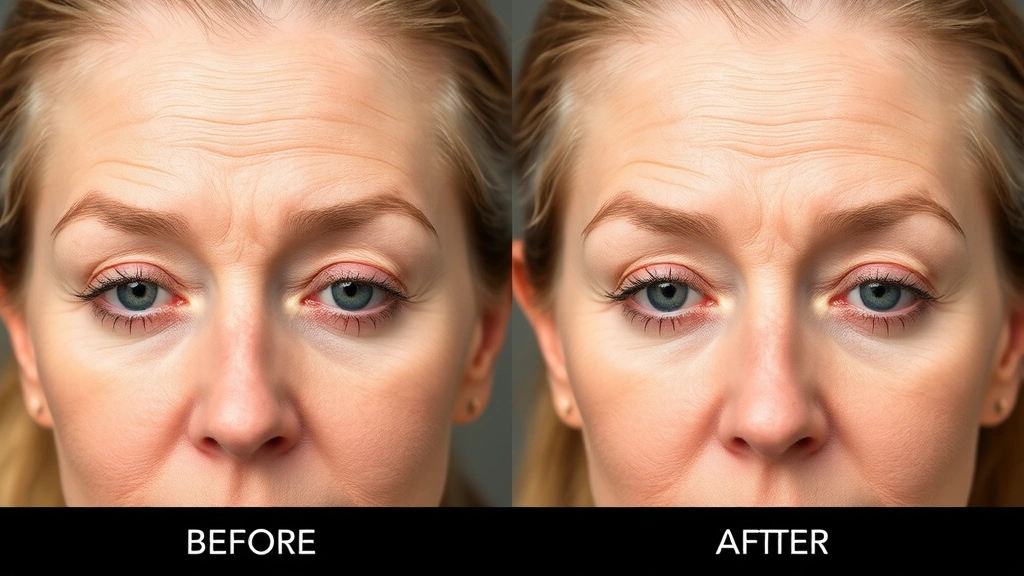
So you’re wondering how long does botox take to work? You’re not alone—this is the question everyone asks before getting their first injection. The short answer: you’ll start seeing results in 3-7 days, but full effects take about two weeks. But there’s way more to understand about the timeline, what to expect during those early days, and how to maximize your results. Let’s break down the complete journey from needle to noticeable smoothness.
Table of Contents
Initial Timeline After Injection
Here’s what happens in those first crucial hours. The botulinum toxin starts working immediately at the cellular level, but you won’t see visible changes right away. This is where patience becomes your best friend. The toxin needs time to bind to nerve endings and block acetylcholine release—the chemical messenger that tells your muscles to contract.
During the first 24 hours, you might notice absolutely nothing different. That’s completely normal. Some people report a slight tightness or awareness of the injection sites, but visible wrinkle reduction? Not yet. Your body is just beginning the process of accepting and processing the treatment.

What Happens First Week
By day 3 to 5, many people start catching glimpses of improvement. You might notice that frown lines between your eyebrows aren’t as deep, or your forehead doesn’t crease as much when you raise your eyebrows. This is the exciting phase where you start thinking, “Hey, this is actually working!”
However, results at this stage are subtle. Your coworkers probably won’t notice. Your family might not mention anything. But you’ll see it—especially when you compare photos or look closely in the mirror. The improvement continues building throughout the first week, with each day bringing slightly more visible smoothing.

This is also when you should be extra careful with aftercare. Avoid rubbing or massaging the injection sites, and keep your head upright for at least 4 hours post-treatment. Understanding your facial anatomy helps you appreciate why these precautions matter—you want the toxin staying exactly where it was injected.
The Two-Week Sweet Spot
Day 14 is typically when most people achieve their full results. At this point, the botulinum toxin has completely bound to the nerve receptors, and you’re seeing the maximum smoothing effect. This is the benchmark timeline that most dermatologists and injectors reference when they say “two weeks.”

By two weeks, you’ll notice:
- Significantly reduced depth of expression lines
- Smoother forehead with minimal creasing
- Softened crow’s feet around the eyes
- Less prominent frown lines between eyebrows
- Overall more relaxed facial appearance
The transformation isn’t dramatic or overdone if done correctly—it’s a natural-looking softening that makes you look refreshed rather than frozen. This is the ideal result that keeps people coming back.

When Peak Results Arrive
Here’s something most people don’t realize: the results actually continue improving slightly up to day 21. While day 14 is when you’ve hit major improvement, those final days bring even more refinement. The muscle relaxation deepens, and any remaining fine lines continue to smooth out.
Peak results typically last from week 3 through week 8. During this golden window, you’re getting maximum value from your treatment. The smoothing is complete, the results look natural (assuming proper injection technique), and you’re enjoying the full benefit of your investment.

For anyone considering this treatment, understanding this timeline helps set realistic expectations. You’re not getting instant results, but you’re also not waiting months. It’s a sweet spot that works for most people’s schedules and patience levels.
How Long Results Actually Last
Most botox results last 3-4 months, though this varies significantly between individuals. Some people see results fade by 10-12 weeks, while others enjoy smoothness for 4-5 months. Your metabolism, muscle mass, and how often you use the treated muscles all affect longevity.

After about 3 months, the botulinum toxin is metabolized by your body, and your muscles gradually regain their ability to contract. You won’t suddenly look worse—the lines return gradually over 2-4 weeks. This is why most people schedule maintenance treatments every 12 weeks.
Interestingly, some research suggests that repeated botox treatments might actually extend results over time. Your muscles may become “trained” to move less aggressively, potentially extending the duration of each treatment. This is one reason why regular users often need less frequent touch-ups after a year or two.
Factors That Speed or Slow Results
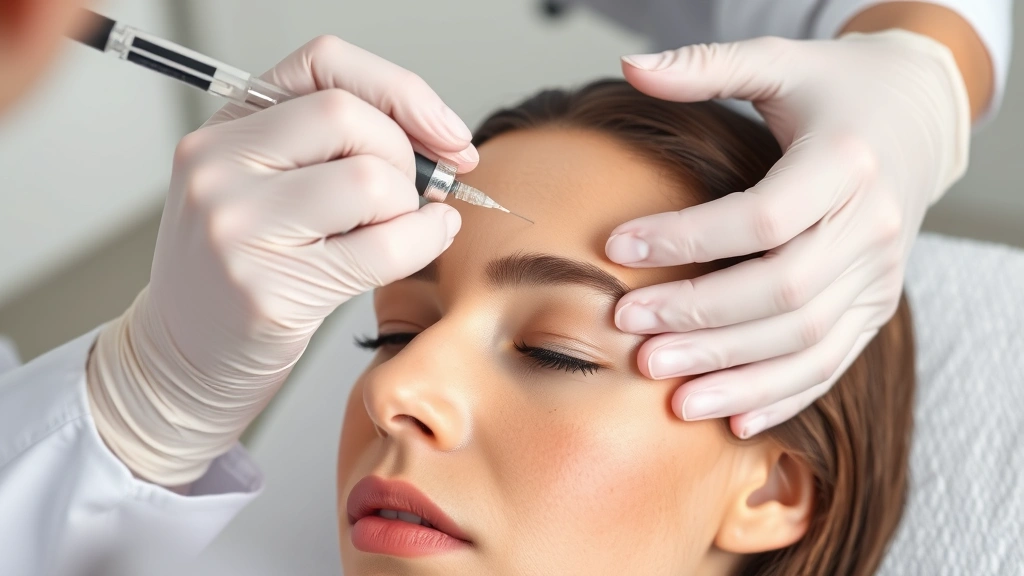
Not everyone follows the standard 2-week timeline. Several factors influence how quickly you’ll see results:
Metabolism: Faster metabolism = faster results and faster fade. If you’re very active or have a high metabolic rate, you might see results by day 5 and need touch-ups sooner.

Muscle Mass: People with larger, stronger facial muscles might need slightly longer for the toxin to take full effect. This is why some people see results in 5 days and others need the full 14.
Dosage and Placement: Proper injection technique and appropriate dosing matter enormously. An experienced injector knows exactly where and how much to inject for optimal results. Underdosing means slower, less impressive results.

Age and Skin Elasticity: Younger skin with better elasticity might show results faster. Mature skin with loss of elasticity might need the full two weeks to show maximum improvement.
Previous Treatments: If you’ve had botox before, your results might come faster because your muscles are already somewhat conditioned to relaxation.

Setting Realistic Expectations
This is crucial: botox doesn’t erase deep wrinkles or dramatically change your appearance. It softens expression lines and prevents new ones from forming. If you’re expecting a complete transformation, you’ll be disappointed. If you’re expecting subtle, natural-looking improvement, you’ll be thrilled.
The best results come from:
- Choosing an experienced, board-certified injector
- Having realistic goals about what botox can achieve
- Understanding the timeline and not expecting instant results
- Committing to maintenance treatments to keep results
- Combining botox with other treatments (dermal fillers, skincare) for comprehensive results
Think of botox as a preventative and maintenance tool rather than a miracle cure. It works best when you start before lines become deeply etched, and when you maintain regular treatments. Planning ahead for appointments helps you stay on schedule and maintain consistent results.
Aftercare That Actually Matters
What you do after your injection significantly impacts how quickly you see results and how good they look. Here’s the real deal on aftercare:

First 4 Hours: Keep your head upright and avoid bending over. Don’t massage or rub the injection sites. This prevents the botox from migrating to unintended areas.
First 24 Hours: Skip the gym, hot yoga, saunas, and intense exercise. Heat increases blood flow and can cause the toxin to disperse unevenly. Avoid alcohol, which thins blood and increases bruising.

First Week: Don’t get facials, microdermabrasion, or other facial treatments. Avoid excessive sun exposure. Don’t sleep on your face if possible (side sleepers might want a special pillow).
Throughout: Stay hydrated and keep your skin well-moisturized. Use sunscreen daily. Avoid touching your face unnecessarily.

These aren’t just suggestions—they genuinely impact how quickly you see results and how natural they look. People who follow aftercare instructions typically see results faster and experience better outcomes.
Frequently Asked Questions
Can I speed up botox results?
Not really, but you can optimize them. Proper aftercare, staying hydrated, and getting injected by an experienced professional all help. Some people claim that facial exercises help, but this is unproven and might actually work against the botox. Your best bet is patience and proper aftercare.

What if I don’t see results after two weeks?
Contact your injector. You might need a touch-up or adjustment. Some people are resistant to botox (about 1-2% of the population), which means they don’t respond to standard doses. Your injector can assess and potentially increase the dose at your next appointment.
Is it normal to see results then have them fade slightly?
Yes. Some people notice slight variation in results during the first month as the toxin fully settles. This stabilizes by week 4-5 and remains consistent until fade-out around week 12.

Can I get botox more frequently than every 12 weeks?
Technically yes, but it’s not recommended. Getting injections more frequently than every 12 weeks increases the risk of developing antibodies to the toxin, which reduces effectiveness over time. Stick to the standard 12-week interval.
Does the brand of botox affect timeline?
Slightly. Botox (onabotulinumtoxinA), Dysport (abobotulinumtoxinA), and Xeomin (incobotulinumtoxinA) are all slightly different formulations. Dysport sometimes shows results slightly faster (by 2-3 days), while Xeomin might take a day or two longer. The difference is minimal.
What’s the difference between botox and fillers in terms of timeline?
Fillers show results immediately because they physically fill space. Botox takes 2 weeks because it works at the neurological level. Some people combine both for comprehensive results—fillers for static lines and botox for dynamic expression lines.
The Bottom Line
So, how long does botox take to work? You’ll notice initial improvement by day 3-5, see significant results by day 7, and achieve full results by day 14. Peak results last until about week 8, and the effects gradually fade over the next 4 weeks, with complete fade by week 12-16.

The timeline is consistent and predictable for most people, but individual variation is normal. Choose an experienced injector, follow aftercare instructions religiously, and set realistic expectations about what botox can achieve. It’s not magic, but it’s a proven, effective way to soften expression lines and maintain a refreshed appearance.
If you’re considering botox, don’t let the 2-week wait discourage you. The results are worth it, and understanding the timeline helps you plan accordingly. Schedule your appointment with confidence, knowing exactly what to expect and when to expect it.


