
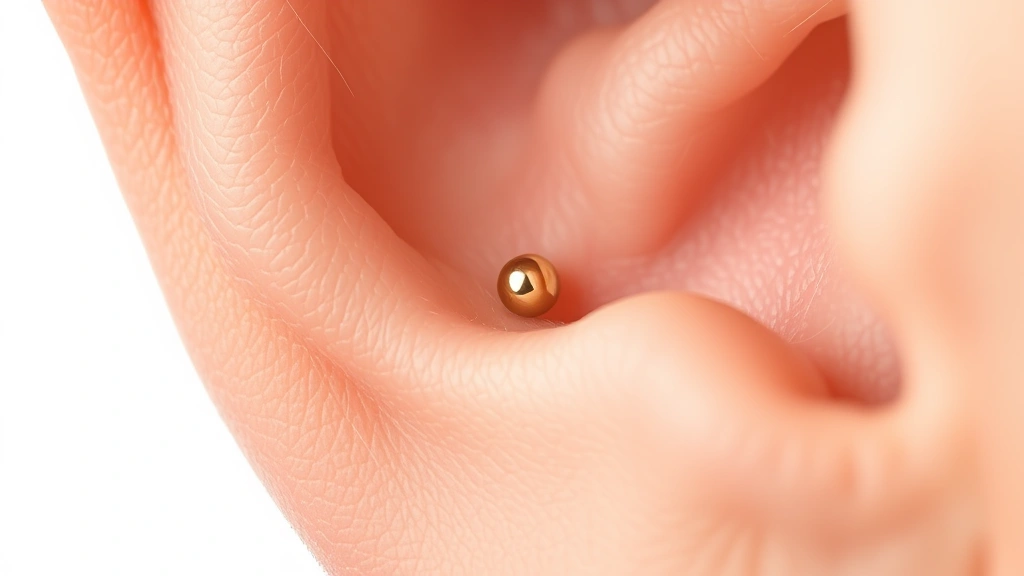
So you’ve just gotten your ears pierced, and now you’re wondering: how long does an ear piercing take to heal? The short answer? It depends on the type of piercing, but most standard earlobe piercings take about 6-8 weeks to fully heal. But here’s the thing—there’s way more to the story than just waiting around. The healing timeline varies based on aftercare, piercing location, your body’s natural healing ability, and whether you’re dealing with a professional piercer or a gun. Let’s break down everything you need to know to keep your fresh piercing healthy and infection-free.
Table of Contents
Earlobe Healing Timeline Breakdown
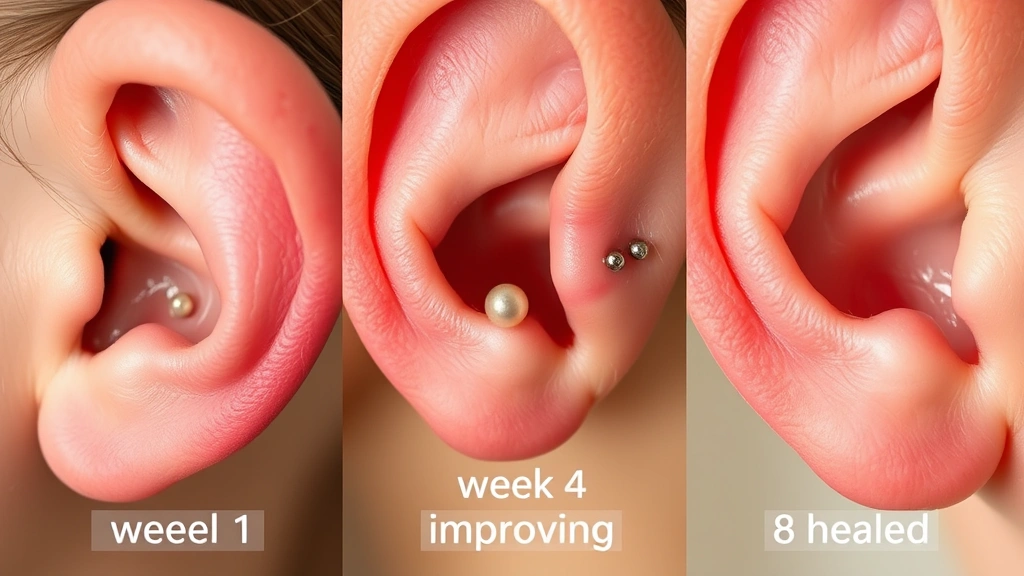
Standard earlobe piercings are the easiest to heal because you’re piercing soft tissue with excellent blood flow. Most people see complete healing in 6-8 weeks, though some sources say 4-6 weeks if you’re lucky and diligent with aftercare. Here’s what’s actually happening during that timeframe:
Weeks 1-2: The piercing channel is raw and inflamed. You’ll notice swelling, redness, and maybe some clear discharge. This is totally normal—your body is doing its job.
Weeks 3-4: The swelling should start dropping off. The piercing channel is beginning to form a protective lining. You might notice less tenderness when you touch it.
Weeks 5-8: The channel continues to strengthen. By week 8, most people can change their jewelry without major risk, though the piercing is still technically fragile.
The key here is that even if it looks and feels healed, the inside of the piercing channel is still delicate. That’s why piercers recommend waiting the full timeline before switching jewelry.
Cartilage Piercings Take Longer
If you got your helix, tragus, or any other cartilage piercing, buckle up—you’re looking at 3-6 months minimum, and sometimes up to a year for complete healing. Cartilage has less blood flow than earlobe tissue, which means slower healing. This is where patience becomes your best friend.
Cartilage piercings are also more prone to complications like keloids and infections because of the tissue type. You’ll want to be extra careful with aftercare and avoid sleeping on the pierced side. Consider getting a travel pillow or donut pillow to protect it while you sleep.
The timeline for cartilage looks like this:
Months 1-2: Heavy inflammation and tenderness. Don’t even think about changing jewelry yet.
Months 3-4: Swelling decreases, but the channel is still forming. Some people experience keloids during this phase.
Months 5-6: Most of the healing is done, but cartilage piercings can still be finicky. Full maturity takes even longer.
The Three Healing Stages
Every piercing goes through three distinct healing phases, and understanding them helps you know what to expect:
Inflammatory Phase (Days 1-5): Your body treats the piercing like a wound—because it is one. Blood rushes to the area, white blood cells show up to prevent infection, and you get swelling and redness. This is when you’re most vulnerable to infection, so keep it clean and don’t mess with it.
Proliferative Phase (Days 6-21): Your body starts building new tissue to line the piercing channel. This is when you might see some crusty discharge (that’s dead skin cells and plasma, not pus). Keep cleaning it gently, and resist the urge to pick at the crusts.
Remodeling Phase (Week 3 onward): The piercing channel continues to strengthen and mature. This phase can last weeks or months depending on the piercing location. The tissue becomes more stable, but it’s still not fully mature.
Aftercare That Actually Works
Aftercare is the difference between a smooth healing process and a nightmare. Here’s what actually matters:
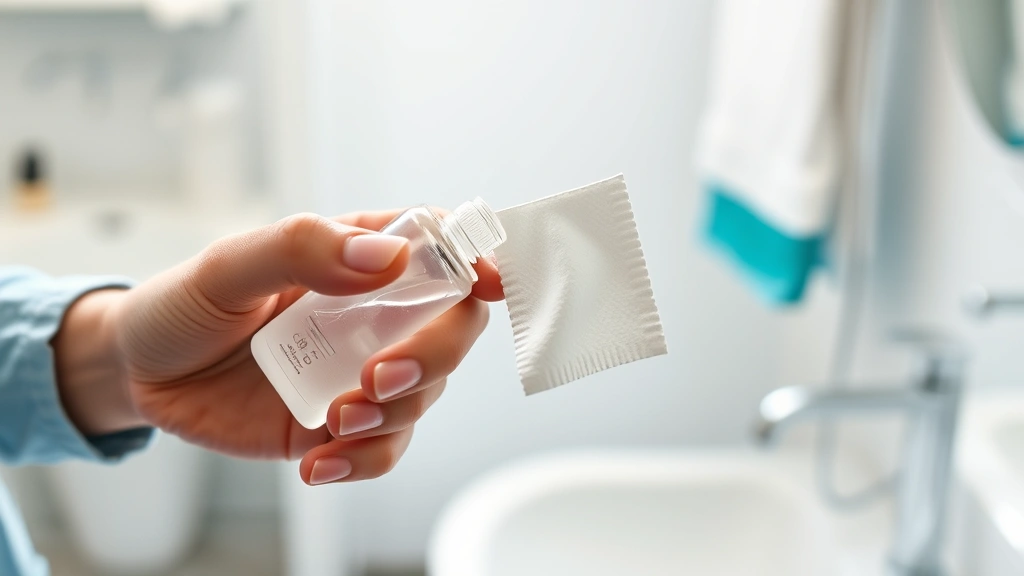
Saline Solution Rinses: Use a sterile saline solution (like the kind for contact lenses) twice daily. Soak a clean paper towel and hold it against the piercing for 5 minutes. This keeps it clean without introducing bacteria from tap water.
Don’t Touch It: I know it’s tempting, but every time you touch your piercing with dirty hands, you’re introducing bacteria. Wash your hands before any contact, and try to avoid touching it altogether during the day.
Sleep Position Matters: Sleeping on a fresh piercing puts pressure on it and can cause complications. If you got both ears pierced, you’re in trouble—consider a donut pillow or a travel pillow positioned to keep pressure off.
Keep Jewelry In: Don’t remove your jewelry during the healing phase, even “just for a few hours.” The piercing can close up faster than you’d think, and reinserting jewelry can cause trauma to the delicate channel.
Avoid These Things: Stay away from swimming pools, hot tubs, and ocean water until the piercing is fully healed. Also skip alcohol-based products, hydrogen peroxide, and antibiotic ointments—they can actually slow healing.
Spotting Infection Red Flags
Most piercings heal without issues if you follow aftercare, but infections do happen. Know what to look for:
Warning Signs: Yellow or green discharge (not clear), increasing pain after the first few days, excessive swelling that doesn’t improve, warmth radiating from the piercing, red streaks extending from the piercing, or fever.
If you notice any of these, see a doctor or your piercer immediately. Infected piercings can lead to serious complications if left untreated. Don’t try to tough it out.
Keloids vs. Infection: Keloids are raised, scar-like bumps that form around the piercing. They’re not infections, but they’re annoying. They’re more common in cartilage piercings and in people with darker skin tones. If you develop a keloid, see a dermatologist—there are treatments available.
When Can You Change Jewelry?
This is the question everyone asks too early. Here’s the real timeline:
Earlobe Piercings: Wait at least 6-8 weeks before changing jewelry. If you’re eager, 8 weeks is the safer bet. After that, you can change it, but be gentle—the channel is still delicate.
Cartilage Piercings: Wait 3-6 months minimum, and honestly, many piercers recommend waiting even longer. The longer you wait, the lower your risk of complications.
When you do change jewelry, make sure your hands are clean, the new jewelry is sterile, and you’re not forcing anything. If there’s resistance, stop—the channel might not be ready yet.
Factors That Slow Healing Down
Everyone’s healing timeline is slightly different. These factors can speed things up or slow them down:
Age: Younger people generally heal faster than older adults. If you’re over 40, expect healing to take a bit longer.
Overall Health: Diabetes, autoimmune conditions, and other health issues can slow healing. If you have any chronic conditions, talk to your piercer about realistic timelines.
Nutrition: Your body needs protein, vitamin C, and zinc to heal properly. If your diet is lacking, healing takes longer. Consider boosting your protein intake during the healing phase.
Smoking: Smoking constricts blood vessels and reduces oxygen flow to the piercing. If you smoke, healing will take significantly longer.
Stress and Sleep: Your body heals during sleep, so if you’re stressed and sleep-deprived, healing slows down. Prioritize rest during the first few weeks.
Alcohol Consumption: Alcohol thins your blood and can increase inflammation. Cut back during the healing phase.
Professional Piercing vs. Gun Piercing
Where you get pierced matters more than you might think. Professional piercers use hollow needles, while piercing guns use a blunt stud. Here’s why it matters:
Professional Needle Piercings: Create a clean hole with minimal tissue damage. The hollow needle removes a small cylinder of tissue, creating a smooth channel. Healing is typically faster and cleaner. Professional piercers also use sterile equipment and follow proper protocols.
Piercing Gun Piercings: Crush tissue rather than cutting it cleanly. This creates more trauma, more inflammation, and slower healing. Guns also can’t be fully sterilized between uses, increasing infection risk. Plus, they’re harder to control, so placement can be off.
If you got pierced with a gun at a mall or retail store, you might experience slower healing and higher infection risk. If you’re planning future piercings, skip the gun and go to a professional piercer.
Frequently Asked Questions
How long does an ear piercing take to heal completely?
Earlobe piercings typically heal in 6-8 weeks, but cartilage piercings take 3-6 months or longer. “Complete” healing means the channel is mature enough that you can change jewelry without major risk, though some sources consider piercings fully mature after a year.
Can I shower with a new ear piercing?
Yes, but keep water exposure minimal during the first week. Tap water contains bacteria, so try to keep the piercing dry. After the first week, normal showering is fine—just avoid soaking it in pools or hot tubs until it’s fully healed.
What should I clean my piercing with?
Use sterile saline solution (0.9% sodium chloride), the same kind used for contact lenses. Soak it twice daily for 5 minutes. Avoid hydrogen peroxide, alcohol, and antibiotic ointments—they can actually slow healing.
Is it normal for my piercing to hurt after two weeks?
Some tenderness is normal, but sharp pain isn’t. If it hurts significantly after two weeks, check for signs of infection. Also make sure your jewelry isn’t too tight—sometimes swelling causes the backing to squeeze too hard.
Can I sleep on my piercing?
Not during healing. Sleeping on a fresh piercing puts pressure on it and can cause complications. Use a donut pillow or travel pillow to keep pressure off for at least the first 2-3 weeks.
What if my piercing closes up?
If you remove your jewelry before the channel is mature, it can close within hours. If this happens, see your piercer as soon as possible—they might be able to reopen it. If you wait more than a few hours, you’ll likely need to get re-pierced.
Why is my piercing still swollen after a month?
Some swelling is normal for weeks, but excessive swelling suggests an issue. Check for signs of infection. Also consider whether your jewelry is too tight—sometimes the backing or post needs adjusting. See your piercer if swelling doesn’t improve.
The Bottom Line
Here’s what you need to remember: how long does an ear piercing take to heal depends on the location and your aftercare, but most earlobe piercings heal in 6-8 weeks. Cartilage piercings take 3-6 months or longer. The key to smooth healing is consistent, proper aftercare—saline soaks twice daily, keeping your hands off it, and resisting the urge to change jewelry too early.
Don’t rush the process. I know you want to show off your new jewelry, but waiting those extra weeks saves you from complications. Follow your piercer’s aftercare instructions, watch for signs of infection, and be patient. Your ears will thank you.
If you’re dealing with other tech around your ears, you might want to check out our guides on how to reset AirPods Pro or how to connect Beats headphones to avoid putting pressure on healing piercings. For more health and wellness tips, check out our article on how much to tip a massage therapist—self-care matters during recovery.
Want more detailed aftercare info? The Association of Professional Piercers has excellent resources. For medical concerns, the American Academy of Dermatology offers infection guidance, and Mayo Clinic has reliable health information about piercing complications.


