
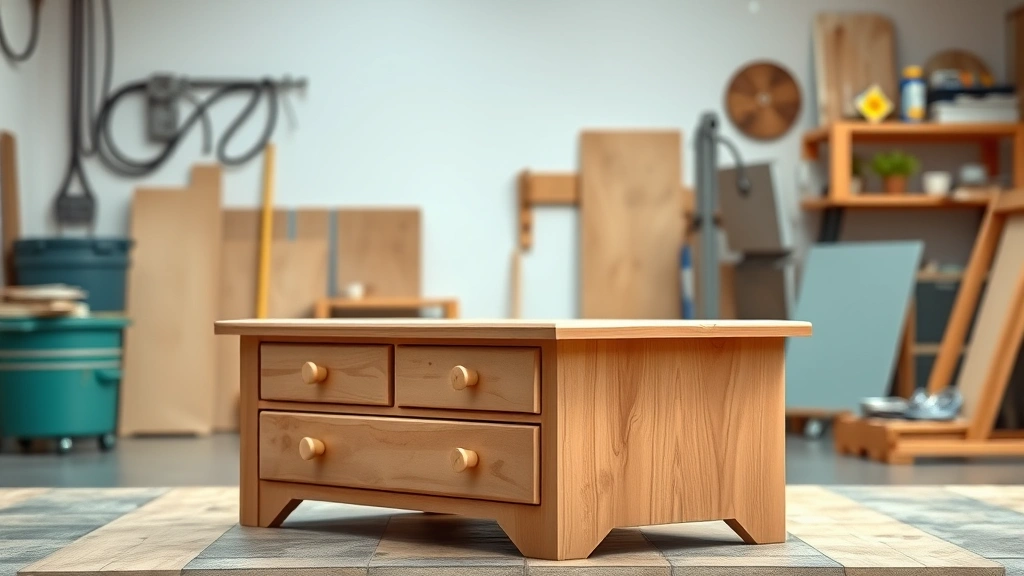
Understanding how long does acrylic paint take to dry is essential whether you’re tackling a canvas masterpiece, refreshing a bedroom wall, or restoring furniture. The answer isn’t as straightforward as “30 minutes,” though—it depends on multiple factors that can dramatically shift your timeline. Let me walk you through what actually happens when that wet paint hits your surface and what you need to know to plan your projects right.
Table of Contents
Basic Drying Times Explained
Here’s the real deal: acrylic paint typically reaches a “touch-dry” state in 15 to 30 minutes under normal conditions. That means you can touch it without leaving fingerprints or smudging. However, full cure time—where the paint reaches maximum hardness and durability—takes 24 hours or longer. Most manufacturers recommend waiting at least 24 hours between coats, and that’s solid advice you shouldn’t rush.
The confusion happens because people use “dry” and “cured” interchangeably. Think of it like concrete: it might feel firm after a few hours, but it’s not truly set for days. Acrylic paint works similarly. The surface water evaporates quickly, but the polymers inside need time to fully cross-link and harden. This is crucial information when you’re planning multi-coat projects or deciding when it’s safe to handle your work.
Factors Affecting Dry Time
You can’t just assume every paint job will dry on the same schedule. Several variables play into the equation. Paint brand matters—some premium acrylics dry faster than budget options because of their formulation. The specific type of acrylic (student-grade versus professional) changes things too. Even the pigments used can affect drying speed slightly.
Beyond the paint itself, your application technique impacts everything. A thin, even coat dries faster than a thick glob. The way you apply it—brush, roller, or spray—changes surface area exposure and evaporation rates. And here’s something people overlook: the surface you’re painting onto absorbs water at different rates. Porous surfaces pull moisture away faster, while non-porous surfaces let water evaporate from the top down more slowly.
Temperature & Humidity Impact
Temperature is your biggest controllable factor. Acrylic paint dries faster in warmer conditions—this is basic chemistry. For every 10-degree increase in temperature, you can shave off roughly 20-30% of drying time. At 70°F (21°C) with moderate humidity, you’re in the sweet spot. Drop to 50°F and you’re looking at significantly longer wait times. Push above 85°F and you might see faster drying, but you risk uneven drying that causes cracking.
Humidity is the sneaky culprit that catches people off guard. High humidity (above 70%) slows water evaporation dramatically. If you’re painting in a damp basement or during humid summer months, expect drying times to stretch 50% longer or more. Conversely, dry conditions accelerate the process. This is why professionals pay attention to weather forecasts—painting outdoors in 90°F heat with 30% humidity? Your paint might be touch-dry in 10 minutes. Same paint in a cool, humid garage? Plan for 45 minutes minimum.
Surface Material Matters
The surface you’re painting is just as important as the paint itself. Porous surfaces like raw wood, canvas, or unsealed drywall absorb water quickly, pulling it away from the paint film. This actually speeds up surface drying but can sometimes cause uneven color because pigments settle differently when water gets pulled away fast. That’s why priming porous surfaces first is smart—it creates a more predictable drying environment.
Non-porous surfaces like glass, plastic, or sealed wood slow drying because water has nowhere to go except up and away through evaporation. Metal surfaces are interesting—they conduct heat, which can actually speed drying if the metal is warm, or slow it if the metal is cold and humid air condenses on it. If you’re working with anything slick, consider roughing up the surface slightly or using an acrylic primer to help the paint adhere and dry evenly.
Paint Thickness & Application
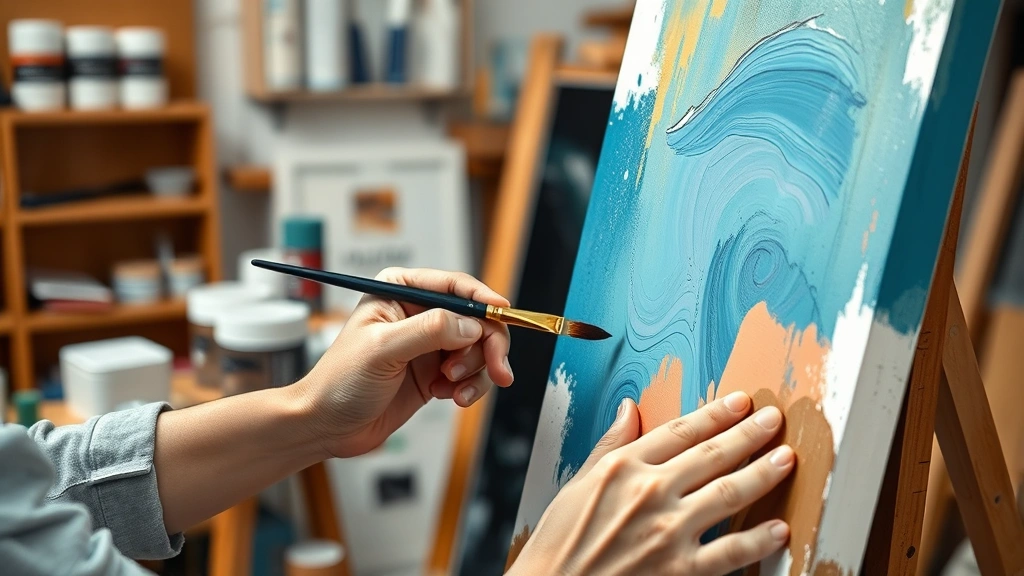
This is where patience pays off. A single thin coat of acrylic might be touch-dry in 15 minutes. But if you glob it on thick trying to get full coverage in one shot, you’re looking at 45 minutes to an hour, and the inner layers might not be fully cured for 48 hours. The water has to escape from deeper within the paint film, and that takes time.
Smart painters apply multiple thin coats rather than one thick coat. It’s counterintuitive because it feels slower, but it actually gets you to a fully cured finish faster. A thin coat dries and cures more completely before you apply the next layer. Plus, thin coats look better—no brush marks, better color, more professional appearance. If you’re working on something like furniture restoration or fine art, this approach is non-negotiable. The extra 30 minutes spent applying thin coats saves you from problems down the road.
Speeding Up Drying Process
Sometimes you need paint to dry faster, and there are legitimate ways to encourage it without compromising quality. Air circulation is your friend—use a fan to keep air moving across the painted surface. Not directly blasting the paint (that can cause uneven drying and cracking), but positioned to create gentle air movement. This helps water vapor escape more efficiently.
Warmth helps too. Raising the temperature to 75-80°F is ideal. You can use a space heater in a closed room, but don’t overdo it—too much heat causes rapid surface drying while inner layers lag behind, leading to bubbling and cracking. Lower the humidity if possible. If you’re painting indoors, crack a window slightly and use a dehumidifier. In workshops, many pros keep a small dehumidifier running during paint projects.
Some people add drying mediums to their paint—these are additives specifically formulated to speed up acrylic drying. They work, but use them sparingly because they can affect paint consistency and finish quality. A better approach is often just planning ahead and working in optimal conditions rather than fighting against them with additives.
Touch Dry vs Fully Cured
Here’s the distinction that matters for your projects: touch-dry means you can touch the surface without leaving a fingerprint or transferring paint. Fully cured means the paint has reached maximum hardness, water resistance, and durability. For most acrylic projects, you need 24 hours between coats to ensure proper adhesion of the next layer. But for something that’ll take heavy wear—like a painted floor or furniture—you should wait 48-72 hours for full cure before using it.
The reason matters. If you apply a second coat before the first is fully cured, you risk the layers not bonding properly. The new coat’s solvents can reactivate the lower layer if it’s not set enough, causing adhesion issues. You might not see problems immediately, but months later the paint could peel or chip. That’s why the manufacturer’s recommendations exist—they’re based on testing, not guesswork.
Common Drying Mistakes
The biggest mistake is assuming “looks dry” means “ready for the next coat.” I’ve seen countless projects ruined because someone got impatient and applied a second coat too soon. The paint looked fine but wasn’t fully set, leading to poor adhesion and eventual peeling.
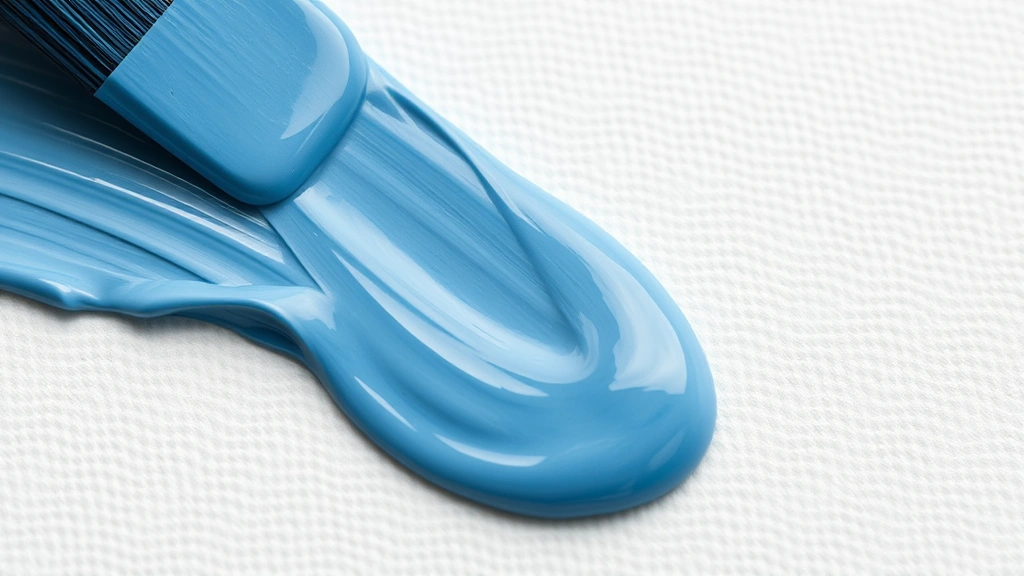
Another common error is painting in the wrong conditions. Working in a cold garage in winter? You’re fighting drying time and adhesion problems simultaneously. Painting on a humid summer afternoon? The moisture in the air slows evaporation. Many people don’t check humidity or temperature before starting—they just start painting and wonder why results are disappointing.
Sealing too soon is another trap. If you varnish or seal acrylic paint before it’s fully cured, you can trap moisture underneath. Wait the full recommended time before applying protective coatings. And don’t move or handle painted items before they’re set. I’ve seen people flip over painted wood pieces after 30 minutes, leaving marks that require starting over.
Frequently Asked Questions
Can I speed up acrylic paint drying with a hair dryer?
You can, but be careful. Use low heat and keep it moving—don’t concentrate heat in one spot. High heat causes rapid surface drying while inner layers stay wet, creating bubbles and cracks. It’s better to use a fan for gentle air circulation than to risk heat damage.
Does acrylic paint dry faster on canvas or wood?
Canvas is more porous than sealed wood, so acrylic dries faster on raw canvas. Wood’s drying time depends on whether it’s sealed. Unsealed wood dries faster than sealed wood because the wood absorbs water. For consistent results, prime both surfaces first.
Why is my acrylic paint still tacky after 24 hours?
This usually means humidity was high during drying, or you applied the paint too thick. It could also indicate a low-quality paint that takes longer to cure. If it’s still tacky after 48 hours in normal conditions, there might be an issue with the paint itself. Try improving air circulation and reducing humidity.
Is acrylic paint waterproof once dry?
Acrylic is water-resistant once cured but not truly waterproof without a protective sealant. The paint itself repels water reasonably well, but prolonged exposure or submersion can cause problems. For outdoor projects or items that’ll get wet regularly, seal the paint with a waterproof topcoat.
Can I paint over acrylic with acrylic the same day?
Technically you can apply a second coat after 15-30 minutes of touch-drying, but the first coat isn’t fully cured. For best results and maximum durability, wait 24 hours between coats. If you must paint the same day, use thin coats and accept that the final finish might not be as durable.


