
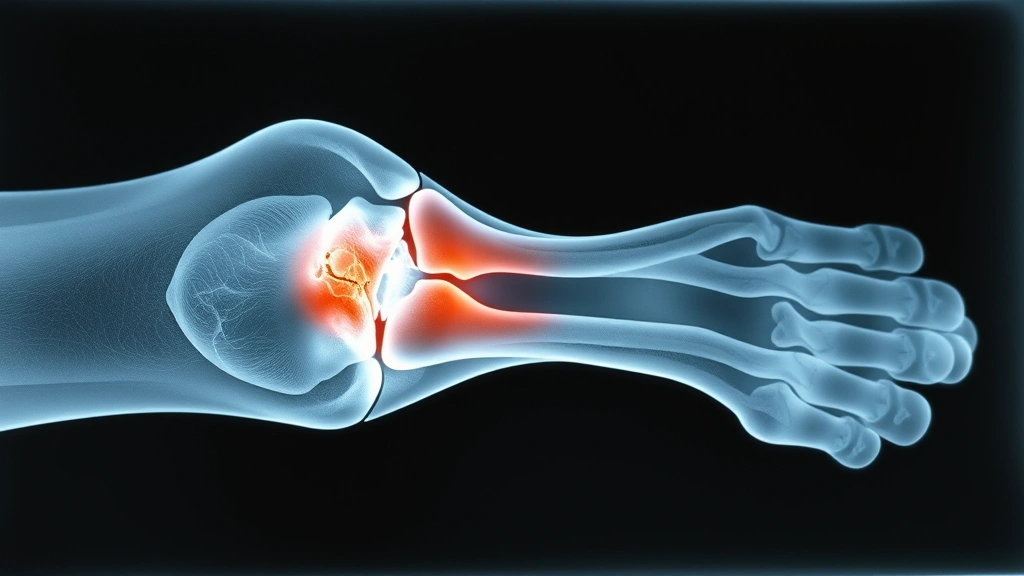
Wondering how long does a fracture take to heal? The answer isn’t one-size-fits-all, but I’ll break down the real timeline you’re looking at based on bone type, age, and care. Whether you’ve got a hairline crack or a full break, understanding the healing process helps you set realistic expectations and avoid re-injury while your body does its thing.
Table of Contents
Fracture Healing Phases
Your body’s healing process happens in distinct phases, and knowing them helps you understand what’s happening under the surface. Right after the break, your body immediately launches into damage control mode. Within the first few hours, swelling increases as blood rushes to the injury site. This inflammatory phase lasts about a week and is your body’s way of protecting the fracture and clearing away damaged tissue.
Next comes the soft callus phase, which runs roughly from week one through week three. During this time, your body forms a temporary bridge of cartilage and bone around the fracture. It’s not strong yet—think of it as scaffolding holding things in place while the real construction happens. This phase is critical because the fracture is still vulnerable, and you need to keep the bone immobilized to prevent movement that could disrupt the healing process.
The hard callus phase follows, typically lasting from week three through about week twelve. Here’s where the real magic happens: the soft callus gradually transforms into actual bone as minerals deposit and harden. This is when you’ll start noticing improvement in pain levels and stability. Finally, the remodeling phase can last months or even years as your body fine-tunes the bone structure and removes excess material, eventually making the healed bone nearly as strong as it was before the break.
Typical Healing Timelines
Most simple fractures take about 6 to 8 weeks to heal enough for basic weight-bearing or use. That’s the general benchmark doctors use, but it’s important to understand that “healed” doesn’t mean “back to normal activities.” At the 6-8 week mark, X-rays typically show solid bone formation, and you can start gradually increasing activity under professional guidance.
However, complete healing—where the bone regains full strength and flexibility—often takes 3 to 6 months or longer. Compound fractures (where bone breaks through skin) or severely displaced fractures take considerably longer, sometimes 6 months to a year. The difference between “clinically healed” and “fully functional” is crucial. You might get cleared to remove your cast at 8 weeks, but that doesn’t mean you’re ready to return to contact sports or heavy lifting.
Children typically heal faster than adults—sometimes in half the time—because their bones are still actively growing and have better blood supply. A child’s arm fracture might heal in 4-6 weeks, while an adult needs 6-8 weeks for the same break. Elderly individuals often need longer healing times, sometimes 12+ weeks, due to slower metabolic processes and potentially weaker bone density.
Factors Affecting Recovery
The healing timeline isn’t fixed—several variables significantly impact how quickly your fracture mends. Proper immobilization is non-negotiable; movement at the fracture site delays healing and can cause complications. If you don’t keep the bone stable, the healing process restarts, essentially setting you back to day one. That’s why following your doctor’s immobilization instructions isn’t optional—it’s foundational to the timeline.
Blood supply to the fractured area makes a huge difference. Bones in areas with rich blood flow (like your femur or humerus) heal faster than those with limited circulation (like your scaphoid wrist bone). Some fractures have notoriously slow healing times simply because of anatomy. The location of your fracture—whether it’s at the end of the bone, in the middle, or near a joint—affects healing speed.
Smoking significantly slows fracture healing, sometimes doubling recovery time. Nicotine restricts blood vessels and impairs bone formation. If you’re a smoker dealing with a fracture, quitting during recovery is one of the most impactful things you can do. Similarly, excessive alcohol consumption interferes with bone metabolism and mineral absorption, slowing the process.
Bone Type Matters
Different bones have different healing timelines based on their size, blood supply, and function. Your femur (thighbone) typically heals in 12-16 weeks because it’s large and weight-bearing, requiring complete strength before resuming normal activity. Your humerus (upper arm bone) usually heals in 8-12 weeks. Smaller bones like those in your hand or foot might heal in 4-6 weeks.
The scaphoid bone in your wrist is notorious for slow healing—sometimes 12-16 weeks or longer—because it has limited blood supply. Vertebral compression fractures can take 8-12 weeks, but recovery depends heavily on whether there’s neurological involvement. Rib fractures are tricky because you can’t really immobilize them; they typically take 6-8 weeks, but pain management is the main challenge since movement is necessary for breathing.
Pelvic fractures are serious and often require 12-16 weeks of healing, with weight-bearing restrictions for extended periods. Ankle fractures vary wildly depending on whether they’re simple or complex, but generally expect 8-12 weeks minimum. The bone type and fracture complexity are why your doctor’s specific timeline for your injury matters more than general guidelines.

Age Plays a Role
Your age dramatically influences healing speed. Children’s bones heal remarkably fast—their bodies are optimized for growth, and they have better circulation and metabolic rates. A 10-year-old with a simple arm fracture might be healed in 4-5 weeks. Young adults (20s-40s) typically experience standard healing timelines. This is your body’s peak efficiency for bone repair.
Starting around age 50, healing gradually slows. Bone density decreases, blood flow diminishes, and metabolic processes aren’t as efficient. A 65-year-old might need 12-16 weeks for a fracture that took a 25-year-old 8 weeks. Elderly individuals (75+) often experience significantly prolonged healing, sometimes 6+ months, especially if they have osteoporosis or other health conditions.
Age also correlates with other healing factors. Older adults are more likely to be on medications that affect bone metabolism, have nutritional deficiencies, or deal with chronic conditions that slow healing. If you’re older and dealing with a fracture, don’t be discouraged by longer timelines—your body will heal, it just needs more time and potentially more support.
Nutrition and Healing
Your diet directly impacts how quickly your bones mend. Protein is essential—your body uses it to build new bone matrix. Aim for adequate protein intake throughout your recovery. Calcium and vitamin D are non-negotiable; without sufficient calcium, your body can’t mineralize new bone, and vitamin D helps your intestines absorb that calcium. If you’re deficient in either, healing slows dramatically.
Vitamin C supports collagen formation, which is the framework for new bone. Zinc, magnesium, and phosphorus all play supporting roles in bone formation. Rather than obsessing over supplements, focus on eating whole foods: dairy products, leafy greens, nuts, seeds, fish, and lean meats. If you have dietary restrictions, talk to your doctor about whether supplementation makes sense for your situation.
Staying hydrated matters too—your body needs adequate fluid to maintain blood volume and deliver nutrients to the fracture site. Avoid excessive caffeine and alcohol, as both interfere with nutrient absorption and bone metabolism. Some people see noticeable improvements in healing speed when they dial in nutrition, though it’s hard to quantify exactly how much faster.
Immobilization Importance
I can’t stress this enough: proper immobilization is the foundation of healing timelines. Whether you’re in a cast, splint, brace, or sling, keeping the fractured bone completely still allows the healing process to progress without interruption. Movement at the fracture site—even small movements—disrupts the forming callus and essentially restarts the healing clock.
Your doctor prescribes specific immobilization duration based on your fracture type and location. Following those instructions isn’t about being cautious; it’s about respecting the biological reality of bone healing. If you remove your cast early or start bearing weight before you’re cleared, you’re not “toughing it out”—you’re actively slowing your recovery and risking complications like malunion (bones healing in the wrong position) or nonunion (bones failing to heal).
As healing progresses, your doctor will gradually reduce immobilization and introduce controlled movement. Physical therapy often begins while you’re still partially immobilized. This careful progression prevents stiffness while maintaining stability. Don’t rush this process or try to accelerate it on your own—the timeline exists for biological reasons, not arbitrary caution.
Signs of Progress
Around week 2-3, you’ll notice decreased swelling and reduced pain with immobilization. This doesn’t mean you’re healed; it means the acute inflammatory phase is resolving. By week 4-6, you might feel significant pain reduction and notice the fracture feels more stable. Some people experience a “click” or “pop” sensation as the soft callus hardens—that’s actually a good sign.
At the 6-8 week mark, X-rays typically show visible callus formation and bone bridging. You’ll likely get permission to gradually increase activity. Pain during controlled movement is normal; sharp, severe pain during physical therapy suggests you’re pushing too hard. Follow the “no pain, minimal discomfort” rule—mild aching is fine, but sharp pain is your signal to ease back.
By 3-4 months, most people notice significant functional improvement. Swelling is minimal, strength is returning, and range of motion improves with therapy. However, residual stiffness or mild discomfort might persist for months. This doesn’t mean healing is incomplete; it means your body is still remodeling and adapting. Complete return to pre-injury function sometimes takes 6+ months, especially for lower extremity fractures.
When to Seek Help
Contact your doctor immediately if you experience increased swelling, severe pain that doesn’t improve with rest and elevation, skin changes (redness, warmth, or discoloration), or signs of infection like fever or drainage. These could indicate complications like compartment syndrome or infection. If your fracture was from significant trauma and you develop chest pain, difficulty breathing, or neurological symptoms, seek emergency care.
During recovery, call your doctor if you notice the immobilization is too tight (causing numbness or tingling), if you develop signs of blood clots (calf swelling, warmth, or pain), or if pain suddenly worsens after improving. If you accidentally bear weight or move the fracture before clearance and experience immediate sharp pain, notify your doctor—you might need re-imaging to ensure the fracture wasn’t disrupted.
Don’t hesitate to ask your physical therapist questions about exercises or activities. If something doesn’t feel right during therapy, speak up. Your healthcare team wants you to heal properly, and communication ensures you’re following a timeline that’s realistic for your specific situation. Some fractures are straightforward and heal predictably; others have complications that require adjusted timelines and additional interventions.
Frequently Asked Questions
How long does a simple arm fracture take to heal?
A simple arm fracture typically takes 6-8 weeks for bone union and 3-4 months for full functional recovery. Children often heal in 4-6 weeks. The specific timeline depends on whether it’s a hairline fracture or a complete break, the bone involved (radius, ulna, or humerus), and your age. You’ll likely get clearance to remove your cast around 6-8 weeks, but you’ll need physical therapy to regain strength and range of motion.
Can fractures heal faster with special treatments?
Bone stimulation devices (ultrasound or electrical stimulation) show modest benefits in some studies, potentially reducing healing time by 10-20% for certain fractures. However, they’re not magic—proper immobilization, nutrition, and avoiding smoking matter far more. Some newer biologics and growth factors are being researched, but standard care (immobilization, proper nutrition, physical therapy) remains the most reliable approach.
Is it normal to have pain months after a fracture?
Mild discomfort months after a fracture is common, especially during weather changes or when you overuse the healing bone. However, severe or worsening pain months later warrants medical evaluation—it could indicate malunion, arthritis, or other complications. Most people experience gradual improvement in pain over 6+ months as remodeling completes and strength returns.
When can I return to sports or exercise?
This depends entirely on your fracture and your sport. You might get cleared for walking or swimming at 8-12 weeks, but contact sports or high-impact activities usually require 4-6 months or longer. Your doctor and physical therapist will give you specific clearance based on imaging, strength testing, and range of motion. Returning too early risks re-injury and complications.
Does age significantly slow fracture healing?
Yes, age is a major factor. Children heal in roughly half the time of adults. Adults over 50 experience gradual slowing, and those over 75 often need significantly longer healing times. However, age alone doesn’t determine outcome—nutrition, overall health, smoking status, and adherence to immobilization matter equally. Many older adults heal well with proper care; it just takes longer.
What’s the difference between a hairline fracture and a complete break?
A hairline fracture is a thin crack that doesn’t separate the bone completely; a complete break severs the bone into distinct pieces. Hairline fractures often heal faster (4-6 weeks) because there’s minimal displacement, while complete fractures take longer (8-16 weeks) and require more careful alignment. Both need immobilization, but complete fractures sometimes require surgery to realign the pieces.
Final Thoughts on Fracture Healing
Understanding how long does a fracture take to heal means recognizing that healing isn’t linear and timelines vary significantly based on your specific situation. The 6-8 week benchmark for bone union is real, but full recovery often takes months longer. Your age, nutrition, smoking status, the bone involved, and your adherence to immobilization all play crucial roles.
The most important thing you can do is follow your doctor’s immobilization instructions religiously, maintain proper nutrition, avoid smoking, and progress through physical therapy as prescribed. Don’t rush the process or compare your timeline to someone else’s—their fracture might be completely different from yours. Be patient with your body; it’s working hard to rebuild itself. If you have concerns about your healing progress, talk to your doctor rather than trying to self-diagnose. Most fractures heal beautifully with proper care; it just requires time and discipline. For more insights on recovery and wellness, check out how to get rid of crunching sound in neck for information on post-injury joint health.


