
If you’re wondering how long does a bone bruise take to heal, you’re probably dealing with some real pain right now. A bone bruise—also called a bone contusion—is that annoying injury that sits somewhere between a regular bruise and a fracture. It’s the kind of thing that makes you wince every time you move, and honestly, it can stick around longer than you’d expect. Let me walk you through what’s actually happening inside your body and what you can realistically do about it.
Table of Contents
What Is a Bone Bruise?
A bone bruise happens when you take a hard impact to a bone, but the bone doesn’t actually crack or break. Think of it like this: the trauma damages the blood vessels and tissues inside and around the bone, causing bleeding and swelling. It’s basically a deep tissue injury that affects the bone itself rather than just the skin and muscle on top.
When you get a bone bruise, you’re dealing with microfractures and damage to the bone marrow. The body responds by flooding the area with inflammatory fluid, which is why you get that significant swelling and tenderness. It’s painful because you’ve got damaged tissue, inflammation, and pressure building up in a confined space. Unlike a regular bruise on your skin, a bone bruise is happening in a place where there’s limited room for swelling.
Healing Timeline Breakdown
Here’s the straight answer: most bone bruises take between 1 to 2 months to heal, though some stubborn cases can take up to 3 months or longer. This is significantly longer than a regular skin bruise, which typically fades in 2-3 weeks.
Week 1-2: Peak inflammation phase. Swelling is at its worst, and pain is usually most intense. You might notice the bruising is becoming more visible as blood spreads through the tissues. This is when you need to be most careful with rest and ice.
Week 3-4: Swelling starts to decrease, but pain can still be significant. You might feel tempted to start using the injured area more—resist that urge. This is when re-injury happens most often because people think they’re healing faster than they actually are.
Week 5-8: Gradual improvement. The bruising starts to fade, and you can usually resume light activities. However, the bone is still repairing itself internally, even though it feels better.
Week 9-12+: Final healing stages. Most of the pain is gone, but the bone is still completing its repair process. You might still feel tenderness with direct pressure.
Factors That Affect Healing
Not every bone bruise heals at the same speed. Several things influence how quickly your body repairs the damage:
Age matters: Younger people typically heal faster. If you’re over 50, expect healing to take longer because your body’s repair mechanisms work more slowly. Blood flow decreases with age, which means less oxygen and nutrients reaching the injured area.
Location of the injury: A bone bruise on your foot or ankle heals differently than one on your arm. Weight-bearing areas take longer because you’re constantly putting stress on them. If you injured your knee or hip, healing will be slower than a bruise on your shoulder.
Severity of impact: A mild bone bruise might heal in 6-8 weeks, but a severe one from a major impact could take 3-4 months. The more extensive the internal bleeding and tissue damage, the longer your body needs to repair it.
Your overall health: If you have diabetes, poor circulation, or nutritional deficiencies, healing slows down significantly. Smoking also impairs bone healing because it reduces blood flow. Stress and poor sleep quality can extend recovery time.
Whether you follow proper treatment: This is the one thing you can actually control. People who rest properly, ice appropriately, and follow medical advice heal faster than those who try to push through it.
Immediate Care Steps
The first 48 hours after a bone bruise are critical. This is when you can actually make a real difference in your recovery timeline.
Ice it: Apply ice for 15-20 minutes every 2-3 hours for the first 48-72 hours. Use a cloth between the ice and your skin to avoid ice burn. Ice reduces inflammation and numbs pain. This is one of the most effective things you can do in the immediate aftermath.
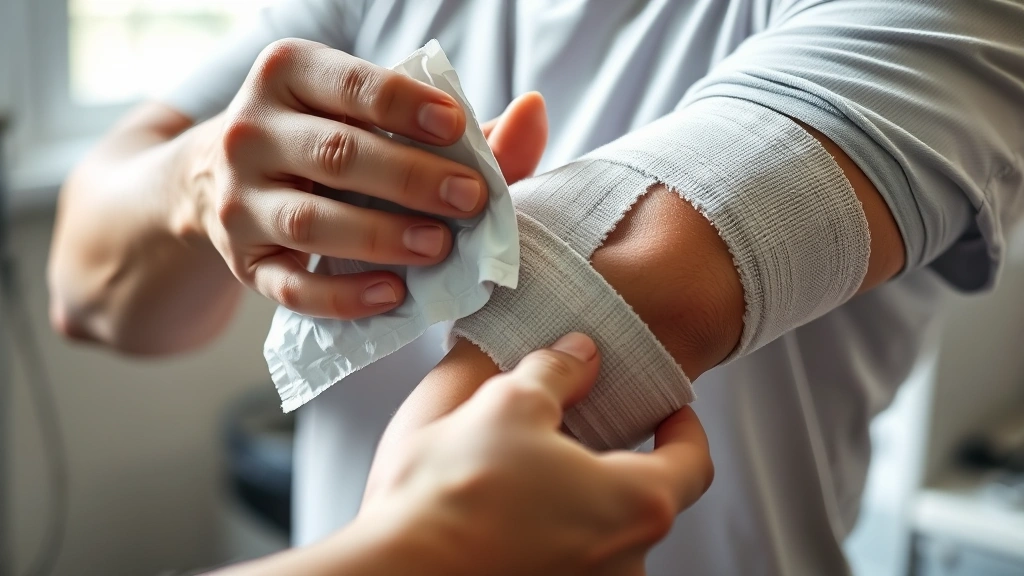
Compress the area: Use an elastic bandage to apply gentle pressure. This helps reduce swelling. Don’t wrap it too tight—you should be able to fit a finger under the bandage. Compression works by limiting how much fluid can accumulate in the injured area.
Elevate if possible: Gravity works against you when you’re trying to reduce swelling. If the bruise is on your leg or arm, keep it elevated above heart level when you’re sitting or lying down. This helps fluid drain away from the injury.
Immobilize the area: Depending on where the bruise is, you might need a sling, brace, or just careful movement. The goal is to prevent any additional trauma while healing begins. Even small movements can re-injure the area and restart the inflammatory process.
After 48-72 hours, you can switch from ice to heat therapy. Warm compresses help increase blood flow and can reduce stiffness as swelling decreases. However, don’t use heat in the first few days—it makes swelling worse.
Rest and Activity Balance
Complete immobility isn’t actually ideal for healing, but neither is pushing through pain. You need to find the right balance.
In the first 2-3 weeks, rest is your priority. This doesn’t mean total bed rest—it means avoiding activities that stress the injured area. If you bruised your ankle, walking is difficult and stressful. If you bruised your shoulder, you shouldn’t be lifting anything.
After the first month, gentle movement actually helps healing. Light stretching and slow, controlled movement increase blood flow without causing re-injury. The key is moving within your pain tolerance. If something hurts, stop doing it.
Physical therapy can be helpful after the initial acute phase. A therapist can guide you through exercises that promote healing without overdoing it. They understand the specific demands of different injuries and can create a progression that matches your healing timeline.
Return to normal activities gradually. Just because the pain is mostly gone doesn’t mean the bone is fully healed. Many people re-injure themselves by returning to sports or heavy activity too quickly. A good rule: if an activity causes pain, you’re not ready for it yet.
Nutrition for Faster Recovery
Your body needs specific nutrients to rebuild bone and repair tissue. This is where many people miss an opportunity to speed up healing.
Protein: Your body uses amino acids to rebuild damaged tissue. Aim for adequate protein at each meal. Good sources include eggs, fish, chicken, beans, and dairy. If you’re vegetarian, combine different plant proteins to get all essential amino acids.
Calcium: This is the primary mineral in bone. While you can’t deposit new calcium into bone faster through diet alone, deficiency definitely slows healing. Dairy products, leafy greens, and fortified foods are good sources.
Vitamin D: This vitamin helps your body absorb and use calcium. Many people are deficient, especially in winter months. Consider supplementation if you’re not getting adequate sun exposure or dietary sources.
Vitamin C: Essential for collagen synthesis, which is crucial for bone repair. Citrus fruits, berries, and leafy greens are excellent sources. Adequate vitamin C can actually speed up healing.
Zinc: Involved in protein synthesis and immune function. Oysters, beef, and pumpkin seeds are good sources. Deficiency can slow healing.
Avoid inflammatory foods: Processed foods, excess sugar, and trans fats increase inflammation. Since your body is already dealing with inflammation from the injury, avoid making it worse. Focus on whole foods instead.
Managing Pain Effectively
Pain management isn’t just about comfort—it’s about allowing yourself to rest and recover properly. When you’re in severe pain, you can’t sleep well, and sleep is when most healing happens.
Over-the-counter pain relievers: Ibuprofen and naproxen are anti-inflammatory and can help with both pain and swelling. Acetaminophen helps with pain but doesn’t reduce inflammation. Follow package directions and don’t exceed recommended doses. These are most effective in the first 2-3 weeks.
Prescription pain medication: If over-the-counter options aren’t sufficient, your doctor might prescribe stronger medication. Use these only as directed and for the shortest time necessary. They can mask pain in a way that encourages you to use the injured area too much.
Topical treatments: Creams and gels containing menthol or capsaicin can provide localized relief. They work by creating a sensation that distracts from pain signals.
Non-medication approaches: Heat therapy, ice therapy, gentle massage of surrounding areas, and relaxation techniques all help manage pain. Many people find that addressing stress and anxiety reduces their pain perception.
The goal is to manage pain well enough to sleep and rest properly, not to eliminate pain entirely and return to normal activity. Pain is your body’s signal that something still needs healing.
When to Seek Medical Help
Most bone bruises heal fine with home care, but certain situations require professional evaluation.
Get imaging done: If you’re unsure whether it’s a bruise or a fracture, see a doctor. X-rays can confirm that there’s no break. Sometimes what feels like a bone bruise is actually a hairline fracture that needs proper treatment.
Seek help if: Pain is severe and not improving after a few days. Swelling is extreme or getting worse after the first week. You notice numbness, tingling, or color changes (very pale or blue). The area is hot to the touch and you have a fever—this could indicate infection. You can’t bear weight or use the injured area at all after 2 weeks.
Physical therapy referral: If you’re not making progress after 4-6 weeks, ask your doctor about physical therapy. A professional can identify any complications and create a targeted recovery plan.
Don’t ignore persistent symptoms. While most bone bruises resolve on their own, some develop complications like chronic pain or stiffness. Early intervention prevents these issues from becoming long-term problems.
Prevention Strategies
The best treatment is prevention. While you can’t avoid all injuries, you can reduce your risk.
Protective equipment: Use appropriate gear for your activities. If you play contact sports, wear padding. If you work in hazardous environments, use proper protection. This seems obvious, but many injuries happen because people skip this step.
Strengthen muscles: Strong muscles around bones absorb impact better. Regular strength training reduces injury risk. Focus on functional movements that build practical strength.
Improve balance: Falls are a common cause of bone bruises. Better balance means fewer falls. Balance training becomes increasingly important as you age.
Warm up properly: Cold muscles and joints are more susceptible to injury. Always warm up before intense activity. This increases blood flow and prepares your body for stress.
Know your limits: Pushing too hard too fast causes injuries. Progress gradually in any new activity. Your body needs time to adapt to new demands.
Maintain bone health: Good nutrition and weight-bearing exercise keep bones strong. Weak bones bruise more easily and heal more slowly. This is especially important as you age.
Frequently Asked Questions
Can a bone bruise turn into a fracture?
No, a bone bruise won’t turn into a fracture. However, if you re-injure the area while it’s healing, you could fracture the weakened bone. This is why protecting the area during recovery is so important. The bone is more vulnerable during healing, so additional trauma is more likely to cause a break.
Is it normal for a bone bruise to hurt months later?
Most bone bruises stop hurting significantly after 8-12 weeks, but some residual tenderness can persist longer. If pain is still severe after 3 months, see a doctor. Persistent pain might indicate a complication like complex regional pain syndrome or a missed fracture. Don’t assume it’s normal—get it checked.
Should I use heat or ice?
Ice for the first 48-72 hours to reduce inflammation and swelling. After that, heat can help reduce stiffness and increase blood flow. Some people alternate between ice and heat. Listen to your body—use what feels better. If something makes pain worse, stop doing it.
Can I exercise with a bone bruise?
Not the injured area, but you can exercise other parts of your body. This maintains fitness while avoiding re-injury. For example, if you bruised your ankle, you can do upper body exercises. Avoid any movement that stresses the injured area or causes pain.
Do bone bruises show on X-rays?
Not always. X-rays show fractures clearly but might not show bone bruises. MRI or CT scans are better at detecting bone bruises because they show soft tissue damage and bone marrow changes. If your doctor suspects a bone bruise but X-rays look normal, ask about more detailed imaging.
What’s the difference between a bone bruise and a fracture?
A fracture is a break in the bone. A bone bruise is damage to the bone and surrounding tissue without a break. Fractures typically require immobilization or surgery. Bone bruises usually heal with conservative care. Only imaging can definitively distinguish between them.
Can I speed up bone bruise healing?
You can optimize healing by resting properly, eating well, managing inflammation, and avoiding re-injury. However, you can’t make bone bruises heal faster than your body’s natural timeline. Proper care prevents complications that would slow healing, but the actual repair process takes the time it takes.
Should I wrap a bone bruise?
Yes, in the first few days. Compression reduces swelling and provides support. However, don’t wrap it so tightly that you cut off circulation. After the acute phase, wrapping is optional—use it if it provides comfort and support. Some people benefit from compression throughout recovery.
Recovery Takes Time—Be Patient
Here’s the reality: how long does a bone bruise take to heal depends on many factors, but you’re looking at minimum 6-8 weeks for mild cases and 2-3 months for moderate to severe injuries. This isn’t something you can rush, but you can optimize your recovery by taking proper care of yourself.
The key is understanding that healing happens in phases. The inflammation phase is uncomfortable but necessary. The recovery phase requires patience and gradual progression. Rushing back to normal activity before you’re ready is the fastest way to extend your recovery timeline.
Rest properly, eat well, manage pain effectively, and listen to your body. If something hurts, that’s your signal to back off. If you’re not improving as expected, see a doctor. Most bone bruises heal completely without long-term problems when they’re treated appropriately.
Remember: this injury is temporary. The pain will decrease, the swelling will reduce, and you’ll return to normal function. It just takes time and proper care. For additional insights on recovery and body health, check out our guide on how to clear histamine from body, which discusses inflammation management. You might also find value in understanding how to get rid of crunching sound in neck if you’ve experienced joint issues. Additionally, maintaining overall wellness—like knowing how to check CPU temp on devices you use during recovery—helps you stay informed about your environment. For those with mobility limitations during recovery, how to clean a washing machine offers guidance for maintaining your home with limited movement, and how to discipline a cat provides tips for managing pets during your recovery period.


