
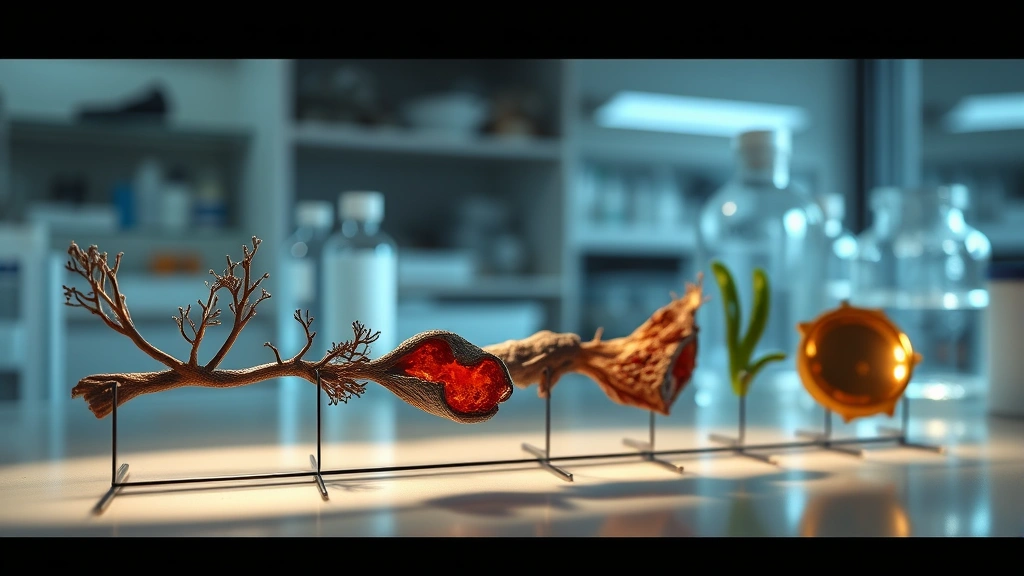
Understanding how long does a body take to decompose is a sobering but scientifically fascinating topic that touches on forensics, biology, environmental science, and even criminal investigation. Whether you’re curious for educational reasons, writing research, or simply want to understand the natural processes of death, this complete timeline breaks down exactly what happens to human remains from the moment of death through complete decomposition.
Table of Contents
What Happens at Death
The moment a person dies, their body immediately begins a complex series of physical and chemical changes. Within seconds, cellular respiration stops, oxygen no longer circulates, and the body enters a state where decomposition begins. This isn’t a sudden dramatic event—it’s the natural conclusion of biological processes. The body’s temperature starts to equalize with the surrounding environment, and chemical reactions within cells begin breaking down tissues from the inside out.
Algor Mortis and Early Changes
During the first 0-12 hours after death, algor mortis occurs—the body’s temperature drops approximately 1-1.5 degrees Fahrenheit per hour until it matches the ambient temperature. This cooling process is one of the earliest postmortem changes. Simultaneously, the skin may develop a waxy, pallid appearance as blood circulation ceases. The eyes may become cloudy, and the pupils dilate. These are the first visible signs that the body is no longer alive, and they’re crucial markers for forensic investigators determining time of death.
Rigor Mortis Development
Between 2-6 hours after death, rigor mortis sets in—the stiffening of muscles caused by chemical changes in muscle tissue. Lactic acid accumulates in muscles, and without oxygen to break it down, muscles contract and stiffen. This process typically begins in smaller muscles (eyelids, jaw) and spreads to larger muscle groups. Rigor mortis peaks around 12 hours and then gradually disappears over the next 24-48 hours as decomposition progresses and muscle tissue breaks down. The progression of rigor mortis is so predictable that forensic experts use it to estimate time of death.
Livor Mortis and Blood Pooling
Within 30 minutes to 12 hours of death, gravity causes blood to pool in the lowest areas of the body, creating purple-red discoloration called livor mortis. This pooling is initially reversible if pressure is applied, but after 8-12 hours, it becomes permanent as red blood cells break down and release hemoglobin into surrounding tissues. The pattern of livor mortis can tell investigators about the body’s position at death and whether it was moved afterward. This postmortem lividity is a critical piece of forensic evidence in death investigations.
Autolysis and Self-Digestion
Immediately after death, autolysis begins—the body’s cells essentially digest themselves. Without oxygen and blood flow, cells can’t maintain their integrity. Enzymes and acids within cells start breaking down cell membranes and proteins. This process accelerates over the first 48-72 hours and is especially rapid in organs with high enzyme content, like the liver and pancreas. The body’s own digestive juices, no longer contained, begin breaking down the stomach and intestinal walls. This self-digestion is invisible to the naked eye but represents one of the most significant internal changes occurring during early decomposition.
Putrefaction and Bacterial Growth
Around 24-48 hours after death, putrefaction begins as bacteria in the intestines and on the skin start multiplying rapidly. These anaerobic bacteria (those that don’t need oxygen) break down proteins and produce gases like hydrogen sulfide, methane, and ammonia. These gases create the distinctive foul odor associated with decomposition and cause the body to bloat and change color. The skin may develop a greenish tint, starting around the abdomen where bacterial activity is most intense. This is the stage where decomposition becomes unmistakably obvious to anyone nearby.

Bloat Phase and Active Decay
Between 2-6 days after death, the bloat phase reaches its peak. Gases produced by bacteria accumulate in body cavities and tissues, causing the body to swell dramatically. The skin stretches and may rupture, especially around the abdomen and joints. Blisters form on the skin as gases separate the outer layers. The body’s color darkens to greenish-black as hemoglobin breaks down and sulfhemoglobin forms. Maggots and other insects may appear during this stage if the body is exposed to the environment. This active decay phase is when decomposition progresses most rapidly, and the body undergoes the most dramatic visible changes.
Advanced Decomposition
From 1-2 weeks onward, the body enters advanced decomposition. Tissues become liquefied, and the body’s structure collapses as muscles, organs, and connective tissues break down into a soupy consistency. Hair may fall out, and skin sloughing (the outer layer peeling away) becomes prominent. Insects continue their work, consuming soft tissues and accelerating decomposition. By 3-4 weeks, most of the soft tissue has been consumed or decomposed, and the body may appear as little more than skin and bones. The rate of decomposition at this stage depends heavily on environmental factors—temperature, humidity, insect activity, and whether the body is exposed or buried.
Skeletal Stage
After 1-3 months, depending on conditions, the body typically reaches the skeletal stage. Most soft tissue has decomposed or been consumed by insects and scavengers, leaving primarily bone. Bones are much more resistant to decomposition than soft tissues because they’re composed mainly of minerals like calcium phosphate. However, bones do eventually decompose through a process called diagenesis, where minerals leach out and the bone becomes brittle. Complete skeletonization in surface conditions typically takes 2-3 months in warm climates, but can take 6-12 months in cooler environments. Buried remains may take considerably longer—sometimes years or decades—because they’re protected from insect activity and environmental exposure.
Environmental Variables
The timeline we’ve described assumes moderate conditions, but numerous factors dramatically affect decomposition rates. Temperature is the most significant variable—decomposition roughly doubles in speed for every 10-degree Celsius increase in temperature. A body in a warm, humid climate might completely skeletonize in 2-3 months, while the same body in a cold climate might take 1-2 years. Moisture accelerates decomposition, which is why bodies in water decompose faster than those in dry environments. Burial depth matters significantly; deeply buried bodies decompose much slower because they’re protected from insects and exposed to less oxygen. Whether the body is indoors or outdoors, in a sealed container, or exposed to the elements all dramatically changes the timeline. Soil composition, pH levels, and the presence of scavengers all play roles in how quickly decomposition progresses.
Frequently Asked Questions
How long does a body take to decompose in different environments?
In warm, humid outdoor conditions, a body typically skeletonizes in 2-3 months. In cool conditions, it may take 6-12 months. Buried bodies decompose much slower—sometimes taking years or decades. Bodies in water decompose faster than those on land due to moisture and aquatic scavengers, typically skeletonizing in 1-3 months depending on water temperature.
Can forensic experts determine time of death from decomposition?
Yes, forensic pathologists use postmortem changes—including algor mortis, rigor mortis, livor mortis, and decomposition stage—to estimate time of death. However, this estimation becomes increasingly difficult after the first 48-72 hours, as environmental factors create significant variation. The estimate is typically a range rather than an exact time.
Do bodies decompose faster in summer or winter?
Bodies decompose significantly faster in summer due to higher temperatures and increased insect activity. Winter decomposition is much slower because cold temperatures slow bacterial growth and insects are less active. A body in summer heat might fully skeletonize in 2-3 months, while the same body in winter might take 1-2 years.
What’s the difference between autolysis and putrefaction?
Autolysis is the body’s own enzymes breaking down cells from within—it begins immediately after death. Putrefaction is the bacterial breakdown of tissues, which begins 24-48 hours after death. Both processes work simultaneously but are distinct mechanisms contributing to decomposition.
Can anything slow down decomposition?
Yes. Cold temperatures dramatically slow decomposition. Burial, especially in sealed containers or deep graves, protects remains from insects and exposure. Dry environments slow bacterial growth. Acidic soil can preserve bones longer. Conversely, moisture, warmth, and exposure to insects all accelerate the process.
How long until bones fully decompose?
Bones are extremely durable and decompose much slower than soft tissue. In favorable conditions, bones might persist for decades or even centuries. Complete bone decomposition through diagenesis—where minerals leach out and bone structure breaks down—can take 10-20+ years in surface conditions, and potentially much longer in protected environments.
Final Thoughts
Understanding how long does a body take to decompose reveals the remarkable complexity of natural biological processes. From the moment of death through complete skeletal remains, the human body undergoes a predictable yet variable transformation. While the timeline typically spans from weeks to years, environmental factors create enormous variation—what takes 2 months in summer heat might take 2 years in winter cold. Forensic scientists use these decomposition timelines to solve crimes, archaeologists use them to understand ancient remains, and researchers study them to advance our knowledge of human biology. Whether you’re exploring this topic for academic research, creative writing, or simple curiosity, recognizing that decomposition is a natural, scientifically predictable process helps demystify one of life’s most profound transitions. The body, even in death, follows the laws of chemistry and biology with remarkable precision.


