
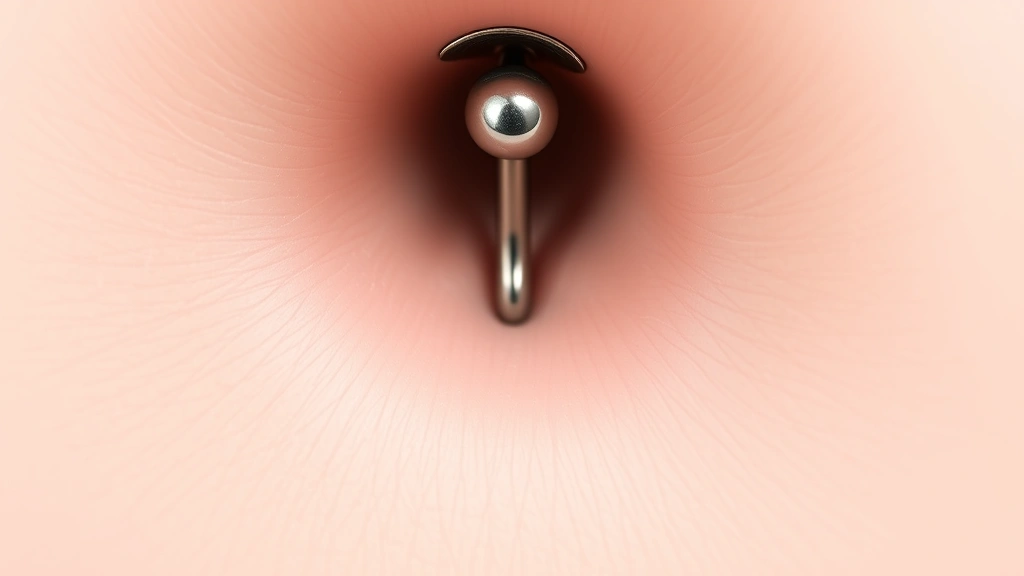
So you’re thinking about getting a belly piercing, or you just got one and you’re wondering how long does a belly piercing take to heal—you’ve come to the right place. This isn’t just a quick fix situation; navel piercings are in it for the long haul, and understanding the healing timeline is crucial if you want to avoid infection, scarring, and disappointment. Let me walk you through exactly what to expect from day one through full healing.
Table of Contents
The Complete Healing Timeline
Here’s the straight truth: belly piercings typically take 6 to 9 months to fully heal, though some sources cite up to a year. I know that sounds like forever, but there’s a good reason. Your navel piercing goes through multiple layers—skin, tissue, and potentially cartilage depending on the exact placement. This isn’t like a simple earlobe piercing that heals in 6 weeks. You’re dealing with a high-movement area of your body that gets stretched, compressed, and irritated every time you bend, sit, or exercise.
The timeline breaks down like this: weeks 1-2 are critical inflammation stage, weeks 3-8 involve surface healing while deep tissue still works, and months 3-9 are the long game where your body finishes the internal work. Even after it feels healed, the fistula (the piercing channel) is still strengthening and stabilizing.
Initial Phase: First Two Weeks
Those first 14 days are absolutely critical. Your fresh piercing is basically an open wound, and your body’s natural response is inflammation. You’ll notice redness, swelling, and possibly some clear or slightly yellowish discharge—this is normal. Your piercer has created a channel through living tissue, and your immune system is working overtime to protect the area.
During this phase, you should be cleaning with saline solution 2-3 times daily. Don’t use alcohol, hydrogen peroxide, or antibacterial soap—these actually slow healing by killing good cells along with bacteria. Stick with sterile saline solution from a reputable source. Many piercers recommend soaking the area in a warm saline bath for 5-10 minutes to help flush out debris and reduce inflammation.
Keep your hands off it. I mean it. Your fingers are covered in bacteria, and introducing them to a fresh wound is asking for trouble. If you absolutely must touch it, wash your hands first with actual soap and water, not hand sanitizer.
Surface Healing vs. Deep Tissue
Here’s where it gets interesting: your belly piercing will look and feel mostly healed around the 4-6 week mark, but that’s just the surface. The outer skin has closed up and the inflammation has calmed down, so you think you’re done. Wrong. This is actually when people make the biggest mistakes because they assume the piercing is fully healed.
Deep tissue healing is still happening. The fistula—that’s the piercing channel your body has created—is still establishing itself. The tissue inside is still fragile and prone to irritation. This is why you can’t just switch to regular jewelry yet or start sleeping on your stomach. The deep layers need time to fully strengthen and stabilize, which is why professionals recommend waiting the full 6-9 months before considering it truly healed.
Think of it like this: the surface is like the paint job on a house, but the deep tissue is the foundation. You need both to be solid.
Signs Your Piercing’s in Trouble
Not all discharge and redness means infection, but you need to know the difference. Normal healing includes some clear or slightly yellowish lymph fluid. Infection looks different. Watch for:
- Green or brown discharge with a foul smell
- Excessive heat radiating from the area
- Increasing pain after the first week (should be decreasing)
- Fever or body aches alongside the piercing symptoms
- Red streaks radiating from the piercing site
- Hard lumps that don’t go away with saline soaks
If you’re seeing these signs, contact your piercer first. They can often tell you whether it’s a normal reaction or actual infection. If it’s infected, you might need antibiotics from a doctor. Don’t remove the jewelry yourself if you suspect infection—this can trap bacteria inside and cause an abscess.
Daily Care Essentials
Your daily routine makes or breaks the healing process. Here’s what actually works:
Saline Solution Soaks: Use a sterile saline solution, not homemade salt water. The concentration matters. Soak for 5-10 minutes, 2-3 times daily during the first month, then reduce to once daily for months 2-3.
Clothing Choices: Wear loose, breathable clothing that doesn’t rub against the piercing. Tight jeans and fitted tops are your enemy during healing. Loose cotton clothing lets air circulate and reduces irritation.
Sleep Position: Sleep on your back if possible, or at least avoid sleeping on your stomach. Pressure on the piercing while you sleep causes swelling and irritation.
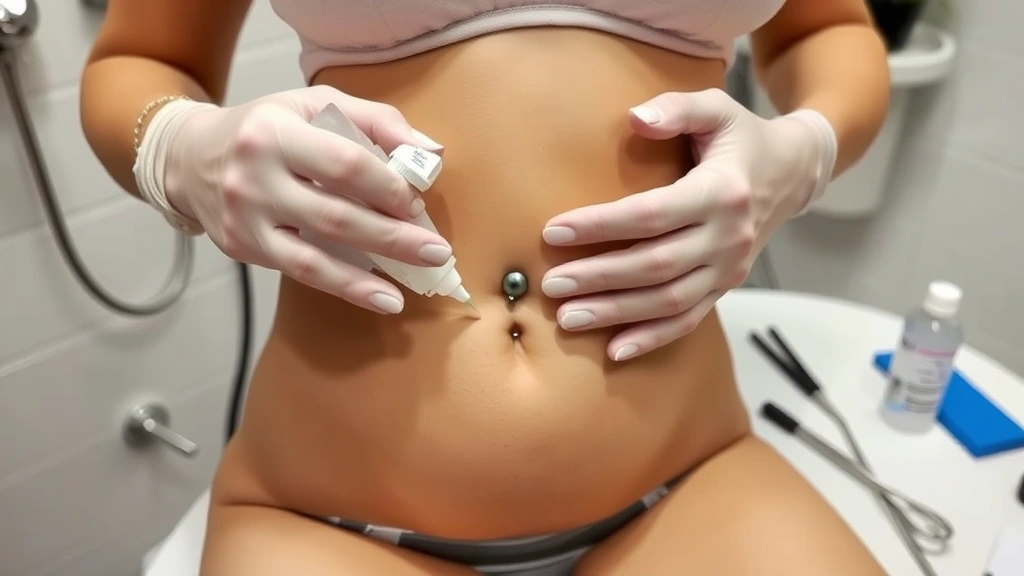
Activity Level: Avoid heavy exercise, swimming, and anything that causes excessive sweating for the first 2-3 weeks. After that, you can gradually return to activity, but be mindful of how your piercing responds.
Jewelry Material: Use high-quality implant-grade titanium or solid gold for the entire healing period. Cheap jewelry can cause allergic reactions and slow healing. Your initial jewelry should stay in place—don’t change it yourself.
When Can You Change Jewelry
Here’s where patience pays off. Most piercers recommend waiting at least 6 months before changing jewelry, and honestly, 8-9 months is safer. Changing jewelry too early can irritate the healing fistula and restart the whole process.
Even after 6 months, when you do change jewelry, do it carefully. Have your piercer do it if possible—they have experience and sterile tools. If you’re changing it yourself, use sterile gloves, clean hands thoroughly, and work quickly. Don’t leave the jewelry out for extended periods during the first year; the fistula can close up surprisingly fast.
After full healing (around 9-12 months), you can change jewelry more freely, but some people find their piercings remain sensitive to certain materials or styles even years later. Everyone’s different.
Common Healing Mistakes
I’ve seen people sabotage their own piercings with these classic errors:
Changing Jewelry Too Early: The number one mistake. People see that the surface looks healed and think they can swap in a cute belly ring. This irritates the deep tissue and extends healing by months.
Using Wrong Cleaning Solutions: Alcohol, hydrogen peroxide, and antibacterial soaps are too harsh. Stick with sterile saline. Period.
Over-Cleaning: More isn’t better. Cleaning more than 3 times daily actually irritates the piercing and slows healing. Once or twice daily after the first week is plenty.
Touching It Constantly: Playing with your new piercing is tempting but terrible. Every touch introduces bacteria and irritates the site.
Ignoring Clothing Irritation: Wearing tight pants, belts, or rough fabrics against the piercing causes constant micro-trauma. Loose clothing is non-negotiable during healing.
Swimming Too Soon: Chlorine and ocean water introduce bacteria and chemicals. Wait at least 3-4 weeks before swimming, and cover with a waterproof bandage if you must go in water.
Ways to Speed Up Healing
While you can’t dramatically shorten the healing timeline, you can optimize it. Proper nutrition supports faster tissue repair—make sure you’re getting enough protein, vitamin C, and zinc. These are building blocks for healthy tissue.
Stay hydrated. Your body uses water to flush out inflammation and build new tissue. Drink more water than you normally would.
Manage stress and get good sleep. Your immune system does most of its heavy lifting while you sleep, and stress hormones can slow healing. This isn’t just wellness advice; it directly impacts your piercing.
Avoid smoking and excessive alcohol. Both impair your immune system and slow tissue healing. If you’re serious about your piercing healing well, this is the time to cut back.
Use a quality saline solution with the right concentration. Some people see better results with sterile saline sprays specifically designed for piercings rather than homemade solutions. Brands like Neilmed are popular for a reason.
Consider vitamin supplements. Some piercers recommend additional vitamin C and zinc during healing, though evidence is mixed. Talk to your doctor before adding supplements.
Frequently Asked Questions
Can I wear a belly ring during healing?
Your piercer will place an initial piece of jewelry in the fresh piercing—usually a barbell or curved bar. You should keep this in place for the entire healing period. Removing it and switching to a decorative belly ring before full healing is one of the biggest mistakes people make. The initial jewelry is designed for healing, not fashion. Wait until you’re fully healed (6-9 months minimum) before switching to a belly ring.
What if my piercing closes up?
Belly piercings can close surprisingly fast if you remove the jewelry, especially during the first year. If you leave jewelry out for more than a few hours during the first 3 months, it might close. Even after 6 months, some people’s piercings close within days without jewelry. If yours closes, you’d need to get it re-pierced, which is why keeping jewelry in is so important.
Is keloid scarring common with belly piercings?
Keloids are raised scar tissue that can form around piercings, especially in people with darker skin tones or a genetic predisposition. They’re not super common, but they happen. Proper aftercare reduces the risk significantly. If you notice a hard bump that doesn’t go away after 3 months, see your piercer. They can recommend treatments like silicone gel sheets or steroid injections if needed.
Can I work out during healing?
Light activity is fine after the first 2 weeks, but heavy exercise that causes sweating or puts pressure on your abdomen should be avoided for at least 4-6 weeks. Sweat introduces salt and bacteria, and pressure irritates the healing tissue. Once you return to exercise, wear loose clothing and monitor how your piercing responds.
Should I be concerned about the discharge?
Clear or slightly yellowish lymph fluid is completely normal during healing. This is your body’s way of cleaning the wound. However, if the discharge is thick, green, brown, or smells bad, that’s a sign of infection and you should see your piercer or a doctor.
Why is my piercing still swollen after 2 months?
Some swelling for 6-8 weeks is normal, especially if you’re irritating it with clothing, activity, or excessive cleaning. However, if swelling is increasing or accompanied by other symptoms, it might be infected or irritated. Try reducing cleaning frequency, wearing looser clothing, and avoiding activity. If it doesn’t improve in a week, see your piercer.
Final Thoughts on Belly Piercing Healing
Getting a belly piercing is a commitment. You’re looking at 6-9 months of careful aftercare before you can treat it like a normal piercing. But here’s the thing—if you do it right, you’ll have a beautiful piercing that lasts for years. If you rush it or get careless, you’re setting yourself up for infection, scarring, or having to get it re-pierced.
The key is patience and consistency. Clean it properly, wear appropriate clothing, avoid irritation, and resist the urge to change jewelry too early. Your future self will thank you when you’re rocking a fully healed belly piercing without complications.
For more detailed information on body modification healing, check out resources from professional piercing organizations. And if something feels wrong at any point during healing, don’t wait—contact your piercer immediately. That’s what they’re there for.


